Spinal health is something many dog owners never think about until their dog suddenly seems reluctant to climb stairs, cries out when picked up, or develops a noticeably stiff, restricted way of moving through the back. While hip and knee arthritis tend to get the most attention, degenerative changes in the spine are extremely common in aging dogs and can be just as impactful on comfort and mobility. Understanding the signs of arthritis in dogs spine allows owners to catch these changes early, seek appropriate veterinary care, and make informed decisions about long-term management. This guide offers a thorough, descriptive look at how spinal arthritis develops, what to watch for, how it’s diagnosed, and what treatment and care options are available.
Spinal arthritis in dogs is closely related to a condition veterinarians call spondylosis deformans, in which bony spurs called osteophytes form along the edges of the vertebrae as the spine’s discs and joints degenerate over time. While true osteoarthritis involves cartilage and joint inflammation, and spondylosis involves bony changes around the vertebrae, the two conditions frequently coexist, and both can produce overlapping symptoms that fall under the general umbrella of “spinal arthritis.” Recognizing the signs of arthritis in dogs spine early is especially important because spinal changes can sometimes affect nearby nerves, making prompt veterinary evaluation essential whenever new stiffness, pain, or mobility changes appear.
Understanding Arthritis in the Canine Spine
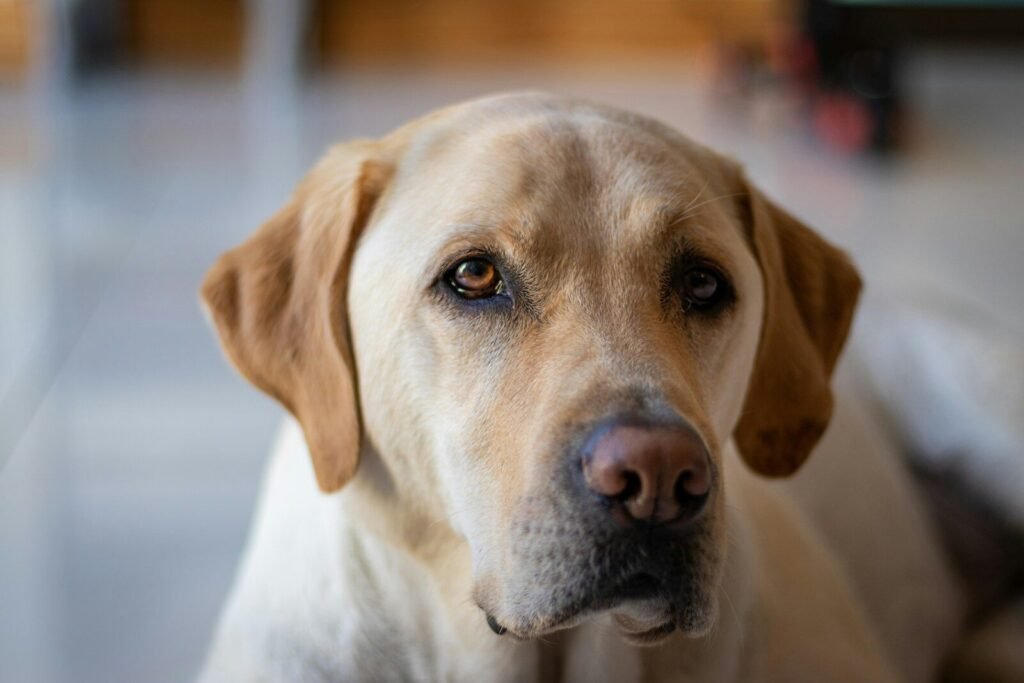
The dog’s spine, like the human spine, is composed of a series of vertebrae connected by intervertebral discs, facet joints, and a network of supporting ligaments and muscles. Over the course of a dog’s life, especially as they age, these structures experience cumulative mechanical stress from everyday movement, jumping, running, and simply supporting body weight. In response to this stress, or sometimes in response to instability caused by disc degeneration or previous trauma, the body may begin forming bony spurs along the vertebrae in an attempt to stabilize the area. This process, known as spondylosis deformans, is extremely common in older dogs, with research suggesting that the majority of dogs over the age of nine show some radiographic evidence of spinal changes, even though many show no outward symptoms at all.
The signs of arthritis in dogs spine can vary enormously depending on exactly where along the spine the degeneration occurs and how severe it becomes. Mild cases often produce no noticeable symptoms whatsoever, with changes only discovered incidentally when X-rays are taken for an unrelated reason. In other cases, particularly when bone spurs grow large enough to restrict spinal flexibility or press against nearby spinal nerves, dogs can experience genuine pain, stiffness, and even neurological symptoms. Large and giant breed dogs, along with dogs who have experienced previous spinal trauma or who carry a genetic predisposition toward bone spur formation, tend to be at higher risk for symptomatic spinal arthritis as they age.
It’s worth noting that spinal arthritis frequently coexists with arthritis in other joints, particularly the hips, since hip dysplasia and other hind-end conditions can alter a dog’s gait and posture in ways that place additional strain on the lower back over time. This overlap is one of the reasons a comprehensive veterinary evaluation, rather than a focus on a single body region, is so valuable whenever mobility issues begin to appear.
Early Signs of Arthritis in Dogs Spine

The earliest signs of arthritis in dogs spine are often quite subtle and easy to attribute to normal aging or a temporarily “off” day. One of the first things many owners notice is a general stiffness through the back, particularly first thing in the morning or after a long rest period, which may improve somewhat once the dog has been up and moving for a few minutes. Unlike the loose, fluid sway most healthy dogs display while walking, a dog in the early stages of spinal arthritis may begin to move with a noticeably more rigid back, almost as though the spine itself has become less flexible.
A subtle reluctance to engage in activities that require spinal flexion is another early indicator. This can include hesitation before jumping onto furniture or into vehicles, a slower and more deliberate approach to climbing stairs, or a newfound reluctance to twist and turn quickly during play. Some dogs in the early stages of spinal arthritis also show a mild change in posture, such as a slightly arched or hunched back, or a tendency to hold their tail lower than usual.
Behavioral indicators are equally important to watch for. A dog who once enjoyed being picked up, brushed along the back, or petted along the spine may begin to flinch, shift away, or show mild irritability when touched in these areas. Because these early signs of arthritis in dogs spine can be so easy to dismiss, especially in dogs who otherwise seem happy and active, scheduling a veterinary wellness exam at the first hint of stiffness or behavioral change remains the safest and most proactive approach for any concerned owner.
Recognizing More Advanced Symptoms
As spinal arthritis progresses, the signs of arthritis in dogs spine tend to become considerably more obvious and consistent. Persistent stiffness through the back and a visibly restricted range of motion are common, with affected dogs often struggling to bend, twist, or arch their spine the way they once could. Many owners describe their dog’s gait as looking “stiff” or “robotic,” particularly through the trunk, as the natural side-to-side sway of healthy movement becomes noticeably limited.
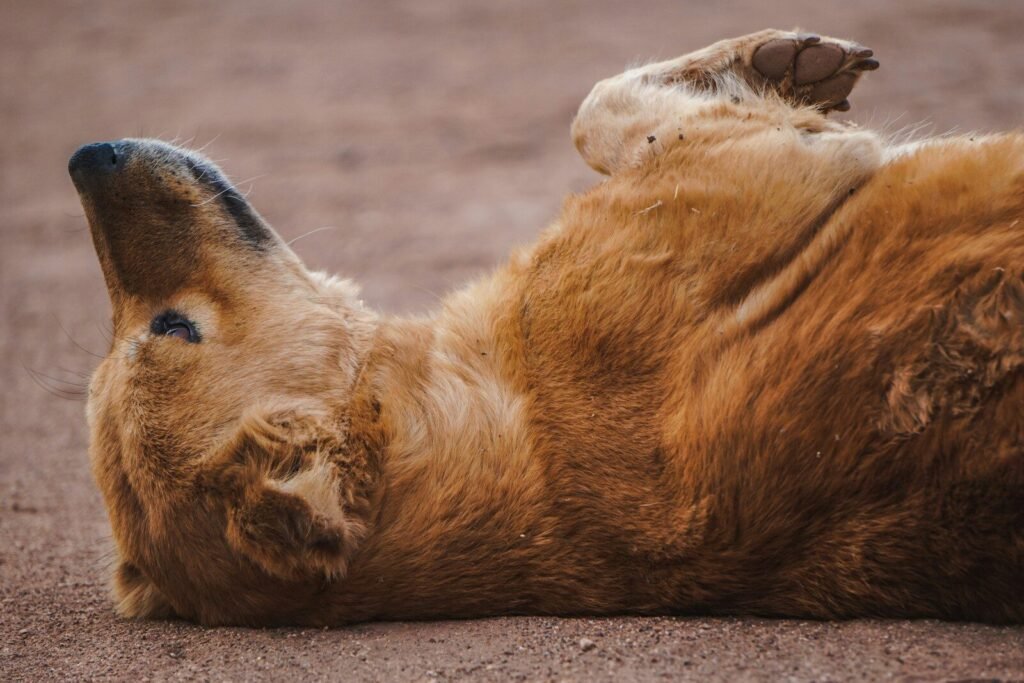
Pain responses become more apparent at this stage as well. Dogs may vocalize — whining, yelping, or crying out — when touched along specific areas of the back, when picked up, or when getting up from a lying position. Some dogs develop a hunched or “roached” posture, where the back appears arched upward, which can be the body’s attempt to reduce strain on a painful area of the spine. Reluctance or outright refusal to jump, along with difficulty navigating stairs, frequently accompanies this stage, as these movements place significant flexion and extension demands on the spine.
In cases where bone spurs press against spinal nerves, more serious neurological signs of arthritis in dogs spine can emerge, including weakness in the hind legs, knuckling of the paws (where the top of the foot drags or touches the ground instead of the pad), uncoordinated movement, or even partial paralysis in severe cases. These neurological symptoms warrant urgent veterinary attention, since they can indicate significant nerve compression that may worsen without timely intervention. It’s important to understand that not every dog with spinal degeneration develops these advanced symptoms — many dogs live full, symptom-free lives despite having radiographic evidence of spondylosis — but any dog showing pain, stiffness, or neurological changes should be evaluated promptly.
Causes and Risk Factors for Spinal Arthritis
A combination of factors contributes to the development of spinal arthritis in dogs. Age remains the most significant risk factor, since the discs, joints, and ligaments of the spine naturally degenerate over years of cumulative wear. Genetics also plays a meaningful role, with certain large and giant breeds, including German Shepherds and Boxers, showing a higher predisposition toward bone spur formation along the spine.
Previous trauma is another important contributor. Dogs who have experienced a back injury, a fall, or repetitive microtrauma from activities like jumping on hard surfaces may develop spinal instability that triggers the body’s protective bone-spur response. Intervertebral disc disease (IVDD), a condition in which the cushioning discs between vertebrae degenerate and sometimes herniate, frequently coexists with or contributes to spinal arthritis, since disc degeneration creates instability that the body attempts to stabilize through bony remodeling.
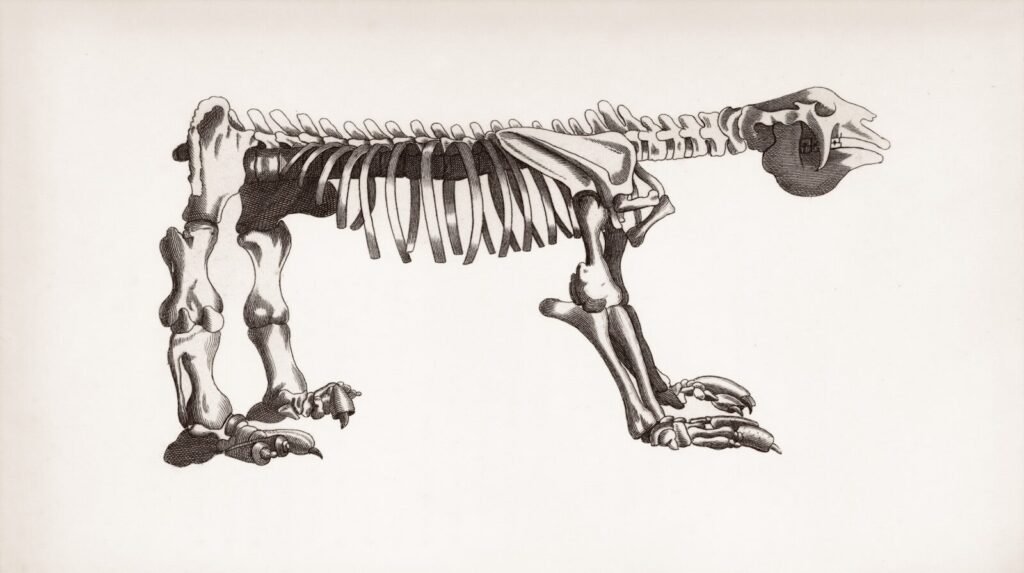
Obesity significantly worsens spinal stress, since excess body weight increases the mechanical load placed on the vertebrae and surrounding soft tissue with every step, jump, and movement. Breed-specific anatomical traits also play a role; long-backed breeds such as Dachshunds and Corgis are particularly prone to disc-related spinal issues that can contribute to or accelerate degenerative spinal changes. Repetitive high-impact activity over a dog’s lifetime, including frequent jumping or running on hard surfaces without adequate conditioning, can similarly contribute to cumulative spinal stress and the eventual development of symptomatic arthritis.
How Veterinarians Diagnose Spinal Arthritis
If you observe any of the signs of arthritis in dogs spine discussed above, a thorough veterinary evaluation is essential, both to confirm the diagnosis and to rule out other, potentially more serious spinal conditions that can produce similar symptoms. The diagnostic process typically begins with a detailed history and a complete physical and neurological examination. Your veterinarian will observe your dog’s posture, gait, and willingness to move, and will gently palpate the spine to check for pain, muscle tension, or restricted flexibility in specific areas.
A neurological exam is a particularly important part of this evaluation, since it helps determine whether nerve function has been affected. This typically includes assessing your dog’s reflexes, proprioception (the ability to sense limb position), and overall coordination, all of which can reveal subtle signs of nerve involvement even when outward symptoms seem mild. Distinguishing straightforward spinal stiffness from genuine neurological compromise is critical, since the two require very different treatment approaches and levels of urgency.
Radiographs (X-rays) are the standard first-line imaging tool, and they can reveal the characteristic bone spurs associated with spondylosis deformans, along with other degenerative changes. However, X-rays cannot visualize soft tissue structures like intervertebral discs, so in cases involving suspected nerve compression or significant pain, advanced imaging such as CT scans, MRI, or a myelogram (in which contrast dye is injected around the spinal cord prior to X-rays) may be recommended. These advanced tools allow veterinarians to assess the spinal cord and surrounding soft tissue directly, providing a much clearer picture of whether bone spurs or disc material are pressing on critical neurological structures.
Treatment Approaches for Spinal Arthritis in Dogs
Treatment for the signs of arthritis in dogs spine depends heavily on the severity of symptoms present, since many dogs with radiographic spinal changes show no clinical signs and require no treatment at all beyond routine monitoring. For dogs experiencing genuine pain or stiffness, conservative management is typically the first approach. This often includes veterinarian-prescribed pain relief and anti-inflammatory medication, such as NSAIDs, along with other pain-modulating medications like gabapentin, which can be particularly helpful when nerve-related pain is suspected.
Weight management plays a central role in any treatment plan, since reducing excess body weight directly decreases the mechanical load placed on the spine with every movement. Controlled exercise — favoring gentle, consistent activity like leash walks over high-impact jumping or rough play — helps maintain healthy muscle support around the spine without exacerbating existing degeneration. Joint supplements containing glucosamine, chondroitin, and omega-3 fatty acids are frequently recommended to support overall joint and connective tissue health, often used alongside other treatments rather than as a standalone solution.
Physical rehabilitation, including therapeutic exercises, hydrotherapy, and in some cases acupuncture or therapeutic laser treatment, can help maintain spinal flexibility, reduce muscle tension, and improve overall comfort for dogs with chronic spinal stiffness. In more severe cases, particularly those involving significant nerve compression or instability, surgical intervention may be necessary to relieve pressure on the spinal cord or stabilize the affected region of the spine. Surgery is generally reserved for dogs with substantial neurological symptoms or pain that does not respond adequately to conservative management, and any dog being considered for spinal surgery should be evaluated by a veterinary neurologist or orthopedic specialist.
Home modifications can meaningfully improve daily comfort for dogs with spinal arthritis. Using ramps or steps instead of allowing a dog to jump on and off furniture or in and out of vehicles reduces sudden, jarring strain on the spine. An orthopedic bed provides supportive cushioning during rest, and avoiding activities that involve sudden twisting or high-impact landings can help prevent flare-ups. For dogs who enjoy being picked up, learning to support both the front and back of the body properly, rather than lifting under the front legs alone, can significantly reduce unnecessary spinal strain.
Living With and Preventing Spinal Arthritis
While the natural aging process behind spinal arthritis cannot be entirely prevented, there is a great deal owners can do to reduce risk, slow progression, and support a dog’s overall spinal health throughout their lifetime. Maintaining a lean, healthy body weight is consistently identified as one of the most effective protective measures, since every extra pound of body weight adds cumulative mechanical stress to the spine with each step, jump, and movement a dog makes over the course of their life. Working with your veterinarian to establish an appropriate diet and calorie intake, particularly as dogs transition into their senior years and become less active, can meaningfully reduce long-term spinal strain.
Encouraging controlled, low-impact exercise rather than high-impact activity is equally important. Regular leash walks and swimming help maintain the muscular support surrounding the spine without subjecting it to the repetitive jarring stress associated with activities like jumping from heights, repeated rough play, or running at full speed on hard pavement. For breeds known to be predisposed to disc-related spinal issues, such as Dachshunds, Corgis, and other long-backed breeds, taking extra precautions — including using ramps or stairs instead of allowing jumping on and off furniture, and supporting the body properly when picking the dog up — can help protect spinal health from a young age, long before any signs of arthritis in dogs spine become apparent.
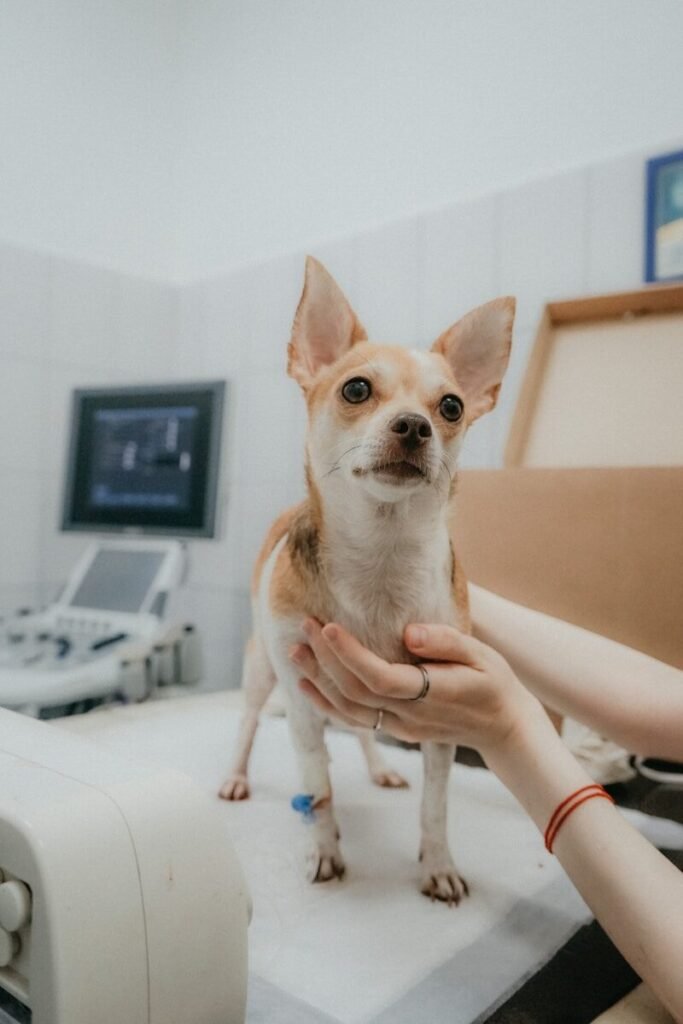
Routine veterinary wellness exams, particularly as dogs enter their senior years, allow for early detection of spinal changes, sometimes well before symptoms become noticeable at home. Because many dogs with spinal degeneration show no outward signs at all, incidental findings during unrelated X-rays can actually be valuable information, helping your veterinary team monitor for progression over time and intervene proactively if symptoms eventually develop. Nutritional support with joint-protective supplements, introduced under veterinary guidance, may also offer some benefit for at-risk dogs, particularly those with a known history of spinal trauma or a genetic predisposition toward bone spur formation.
For dogs already diagnosed with symptomatic spinal arthritis, consistency in daily management makes a significant difference in long-term comfort. Sticking to a stable routine of gentle exercise, maintaining a healthy weight, administering any prescribed medications or supplements consistently, and avoiding sudden, high-impact movements can all help minimize flare-ups and keep symptoms as manageable as possible. Owners who stay closely attuned to their dog’s daily movement patterns, posture, and behavior are typically able to catch early warning signs of worsening symptoms — such as new reluctance to move, increased stiffness, or subtle changes in gait — long before the condition progresses to a more serious or painful stage.
Frequently Asked Questions
What is the best natural treatment for arthritis in dogs? Weight management, controlled low-impact exercise, omega-3 fatty acid supplementation, and joint supplements such as glucosamine and chondroitin are commonly recommended natural approaches, though they work best alongside veterinary guidance rather than as a replacement for professional care.
How long can dogs live with spinal arthritis? Most dogs with spinal arthritis, including spondylosis, live full, normal lifespans, since the condition itself is rarely life-threatening. Quality of life depends largely on how well pain and mobility are managed rather than on the presence of spinal changes alone.
How do you treat spinal arthritis in dogs? Treatment typically includes pain and anti-inflammatory medication, weight management, controlled exercise, joint supplements, physical rehabilitation, and home modifications like ramps and orthopedic bedding. Severe cases involving nerve compression may require surgical intervention.
What is the best joint supplement for dogs with arthritis? Supplements containing glucosamine, chondroitin, and omega-3 fatty acids are among the most commonly recommended options, though the right choice depends on your dog’s specific condition and should be discussed with your veterinarian.
What not to feed a dog with arthritis? Avoid excess calories, high-fat treats, and table scraps that contribute to weight gain, since extra weight places additional mechanical stress on the spine and joints, worsening arthritis symptoms over time.
What is the best thing for senior dogs with arthritis? A combination of weight control, veterinary-guided pain management, joint supplements, gentle regular exercise, and a supportive home environment with ramps and orthopedic bedding generally offers the best overall outcome for senior dogs.
What do vets recommend for dogs with arthritis? Most veterinarians recommend a multimodal approach that combines appropriate medication, weight management, physical rehabilitation, and home adjustments tailored to the severity of each individual dog’s condition.
Is Cosequin or Dasuquin better for dogs? Both are reputable glucosamine-chondroitin joint supplements; Dasuquin contains additional ingredients aimed at further reducing inflammation, which some veterinarians consider beneficial for more advanced cases, though the best choice depends on your dog’s specific needs and should be discussed with your veterinarian.
What to give a dog for arthritis over the counter? Veterinary-formulated joint supplements containing glucosamine, chondroitin, and omega-3 fatty acids are commonly available over the counter, but pain medications, including NSAIDs, should only be given under veterinary guidance, since many human pain relievers are toxic to dogs.
Watch: Understanding Spinal Health and Arthritis in Dogs
For a closer visual look at how spinal stiffness and discomfort can present in dogs, this video offers a useful overview: How Can You Tell if Your Dog Has Arthritis: Top 10 Symptoms
Conclusion
Understanding the signs of arthritis in dogs spine gives owners the knowledge they need to respond early and appropriately to a condition that, while extremely common in aging dogs, can sometimes carry more serious implications than arthritis affecting the limbs alone. From subtle morning stiffness and a reluctance to jump, to more pronounced symptoms like vocalizing in pain, a hunched posture, or even neurological changes such as weakness or knuckling, every sign your dog shows offers valuable insight into their comfort and spinal health. Because spinal arthritis can sometimes overlap with more serious conditions like intervertebral disc disease, a thorough veterinary evaluation is always the safest next step whenever new stiffness, pain, or mobility changes appear. With an accurate diagnosis and a thoughtful management plan involving weight control, appropriate medication, physical rehabilitation, and supportive home modifications, the vast majority of dogs with spinal arthritis can continue to live comfortable, happy, and active lives well into their senior years.
Sources:
- VCA Animal Hospitals — Spondylosis Deformans in Dogs
- Veterinary Partner, Veterinary Information Network (VIN) — Spondylosis Deformans in Dogs and Cats
Information Disclaimer :
The information presented here is intended for educational purposes and may not apply to every individual dog. Only a qualified veterinary professional can assess your pet’s condition and recommend appropriate care. Always consult your veterinarian before making decisions related to your dog’s health.


