There’s a particular kind of worry that sets in when a dog who used to bound up the stairs two at a time suddenly hesitates at the bottom, or when a once-eager jumper now needs a running start just to get into the car. More often than not, these changes point toward hip arthritis, one of the most common and most impactful joint conditions affecting dogs of all sizes and breeds. Learning to recognize the signs of arthritis in dogs hips early is one of the most important things an owner can do, because the hip joint plays such a central role in nearly every movement a dog makes, from walking and running to simply standing up after a nap. This in-depth guide covers everything from the earliest, subtlest clues to advanced symptoms, along with causes, diagnosis, treatment, and the everyday lifestyle adjustments that can keep a dog with hip arthritis comfortable for years.
The hip is a ball-and-socket joint, and it is one of the hardest-working joints in a dog’s body. Every step, every jump, and every push off the ground relies on a smoothly functioning hip, which is why even mild degeneration in this area can have an outsized impact on a dog’s overall mobility and quality of life. Hip arthritis is frequently connected to hip dysplasia, a developmental condition in which the hip joint doesn’t form correctly, leading to instability that accelerates cartilage breakdown over time. Recognizing the signs of arthritis in dogs hips as early as possible allows owners and veterinarians to intervene before joint damage becomes severe, preserving comfort and mobility for as long as possible.
What Causes Arthritis in a Dog’s Hips

Hip arthritis, formally known as coxofemoral osteoarthritis, develops when the cartilage cushioning the ball-and-socket hip joint gradually wears away, allowing the bones to grind against one another and triggering chronic inflammation and pain. The single most significant underlying cause of hip arthritis in dogs is hip dysplasia, a hereditary condition in which the ball of the femur and the socket of the pelvis do not fit together properly. According to veterinary researchers, canine hip dysplasia is considered one of the most prevalent orthopedic diseases in dogs, particularly affecting medium and large breeds, and it is closely linked to joint laxity, abnormal development of the femoral head, and the progressive osteoarthritis that follows.
Large and giant breed dogs — including Labrador Retrievers, German Shepherds, Golden Retrievers, Saint Bernards, and Rottweilers — are especially predisposed to hip dysplasia and the resulting arthritis, due to both genetic factors and the simple mechanical reality of carrying a heavier body weight on the hip joints throughout life. However, smaller breeds and mixed-breed dogs can develop hip arthritis as well, particularly in cases involving obesity, previous injury, or a less pronounced genetic predisposition.
Beyond hip dysplasia, other contributing factors include simple age-related wear and tear, previous trauma such as fractures or dislocations involving the hip joint, and repetitive high-impact activity over a dog’s lifetime. Obesity dramatically accelerates the progression of hip arthritis, since each additional pound of body weight places significant extra mechanical stress on already vulnerable hip joints. Veterinary nutritionists and orthopedic specialists consistently point to weight management as one of the single most powerful, modifiable factors influencing how quickly hip arthritis progresses and how much discomfort a dog ultimately experiences.
Early Signs of Arthritis in Dogs Hips
The earliest signs of arthritis in dogs hips can be remarkably easy to overlook, particularly because dogs are so skilled at compensating for low-grade joint discomfort. One of the first things many owners notice is a subtle stiffness in the hindquarters after rest, especially first thing in the morning or after a long car ride, which often seems to improve once the dog has been moving for a few minutes. This pattern — stiff after rest, better with gentle movement, worse again after exertion — is a classic early hallmark of degenerative joint disease and is worth taking seriously even if it seems minor.
A gradual decline in enthusiasm for physical activity is another early indicator. Dogs developing hip arthritis often become slightly less eager to go for walks, tire more quickly during play, or seem to “slow down” in a way that owners frequently attribute to simple aging rather than an underlying medical condition. Subtle hesitation before jumping into the car, onto furniture, or up onto a bed is also common in the early stages, as is a newfound reluctance to climb stairs, particularly if the dog pauses or looks for an alternative route.

Some dogs in the early stages of hip arthritis develop mild changes in how they sit or lie down, such as sitting with one or both hind legs splayed slightly out to the side rather than tucked neatly beneath the body. Excessive licking around the hip area, or mild irritability when the hips are touched or manipulated, can also signal early discomfort. Because these early signs of arthritis in dogs hips are so subtle, scheduling a veterinary evaluation at the first hint of unusual stiffness, hesitation, or behavioral change gives your dog the best possible chance at early, effective intervention.
Recognizing More Advanced Hip Arthritis Symptoms
As hip arthritis progresses, the signs of arthritis in dogs hips become considerably more apparent and consistent. A noticeable limp or favoring of one or both hind legs is one of the most recognizable symptoms, often most pronounced immediately after rest and somewhat improved — though rarely eliminated — once the dog has warmed up through gentle movement. Many dogs with significant hip arthritis develop a distinctive “bunny hopping” gait, in which both hind legs move together in a hopping motion rather than alternating normally, a pattern especially associated with bilateral hip involvement.
Difficulty rising from a lying position becomes increasingly evident as the condition progresses, with affected dogs often needing multiple attempts to stand, sometimes using their front legs disproportionately to compensate for weak or painful hips. Visible muscle loss around the hips and thighs frequently develops as well, since dogs naturally use painful limbs less, leading to a “use it or lose it” pattern of muscle atrophy that can make the hindquarters appear noticeably thinner over time, even as the chest and front legs may gain muscle mass from compensatory weight-bearing.
Reduced range of motion is another important sign, often detected when a veterinarian or owner gently extends or flexes the hip joint and notices resistance, pain, or a grinding sensation known as crepitus. Reluctance or outright refusal to jump, climb stairs, or engage in activities that require pushing off with the hind legs is common in dogs with moderate to advanced hip arthritis. Some dogs also develop a noticeable swaying or waddling gait through the hindquarters, along with visible discomfort, whining, or flinching when the hip area is touched or manipulated. In severe cases, dogs may become reluctant to walk more than short distances, show signs of pain even at rest, or display a generally withdrawn, less engaged demeanor as chronic pain takes a cumulative toll on overall wellbeing.
How Hip Dysplasia and Hip Arthritis Are Connected
Understanding the relationship between hip dysplasia and hip arthritis helps clarify why the signs of arthritis in dogs hips can appear at such different ages in different dogs. Hip dysplasia is a developmental condition, meaning the underlying joint malformation is present from a young age, even though visible symptoms may not appear until later in life. Some dogs show signs of hip dysplasia as early as four months old, presenting with pain, lameness, or an abnormal “bunny hopping” gait during puppyhood, while others develop no noticeable symptoms until years later, when the cumulative cartilage damage and arthritic changes associated with long-term joint instability finally become significant enough to cause visible discomfort.
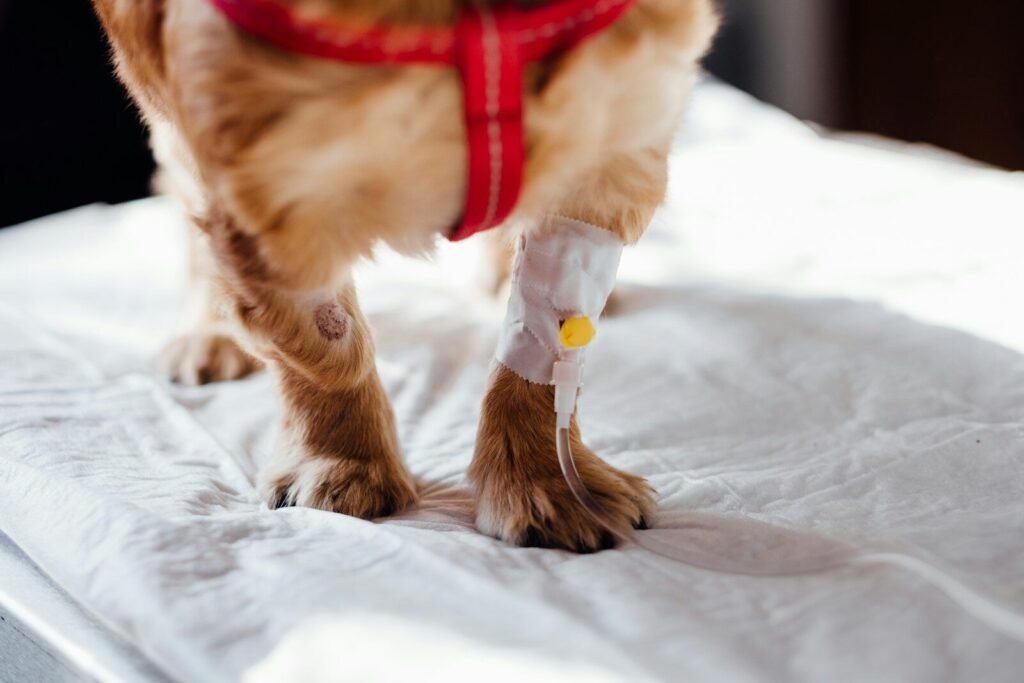
This variability is one of the reasons veterinary organizations such as the Orthopedic Foundation for Animals and the PennHIP program have developed standardized radiographic screening protocols to assess hip conformation and laxity in young dogs, often well before clinical symptoms emerge. These screening tools allow veterinarians to identify dogs at higher risk for developing hip arthritis later in life, which can inform earlier, more proactive management strategies, including weight control, joint supplements, and activity modification designed to slow the progression of joint damage before it becomes severe. Knowing how hip dysplasia appears in dogs can help you identify potential concerns and take appropriate steps to support your pet’s health.
How Veterinarians Diagnose Hip Arthritis
If you observe any of the signs of arthritis in dogs hips described above, a veterinary evaluation is essential for accurate diagnosis and appropriate treatment planning. The diagnostic process typically begins with a detailed history, during which your veterinarian asks about when symptoms began, how they’ve progressed, your dog’s activity level, weight history, and any previous injuries. A thorough physical and orthopedic examination follows, during which the veterinarian observes your dog’s gait while standing, walking, and trotting, watching specifically for limping, bunny hopping, or asymmetry.
Manual palpation and manipulation of the hip joints allows the veterinarian to assess pain response, range of motion, and joint laxity. A specific maneuver called the Ortolani test is often used, particularly in younger dogs, to detect hip instability; this test involves gently manipulating the hip to check for a characteristic “pop” or “thud” that indicates the femoral head sliding in and out of a loose hip socket. Radiographs (X-rays) remain the standard imaging tool for confirming hip arthritis, revealing characteristic changes such as joint space narrowing, bone spurs, and remodeling of the femoral head and acetabulum. In some cases, advanced screening techniques such as PennHIP radiographs, which measure hip laxity using a specialized distraction technique, may be used to more precisely assess the degree of instability and predict the likelihood of future arthritic changes.
Treatment and Long-Term Management of Hip Arthritis
While hip arthritis cannot be cured, a wide range of treatment options can significantly improve comfort and slow disease progression once the signs of arthritis in dogs hips have been confirmed by a veterinarian. Weight management is consistently identified as one of the most powerful, accessible interventions available, since even modest weight loss in an overweight dog can substantially reduce the mechanical load placed on already compromised hip joints. Your veterinarian can help design an appropriate diet and a structured, low-impact exercise plan tailored to your dog’s specific level of joint damage.
Pain and inflammation are typically managed through veterinarian-prescribed medication, most commonly non-steroidal anti-inflammatory drugs (NSAIDs), though newer treatment options such as monoclonal antibody injections targeting osteoarthritis pain have become increasingly available and offer meaningful relief for dogs who cannot tolerate traditional NSAIDs. Joint supplements containing glucosamine, chondroitin, and omega-3 fatty acids are widely used to support cartilage health and reduce inflammation, generally working best as part of a comprehensive, multimodal management plan rather than as a standalone treatment.
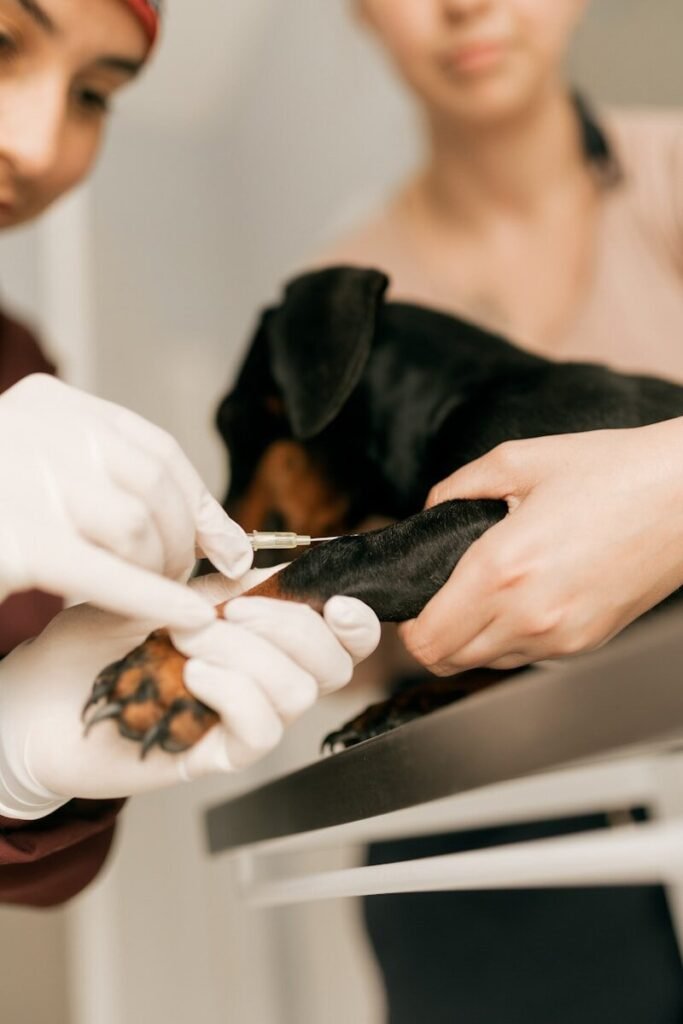
Physical rehabilitation plays a particularly valuable role in managing hip arthritis, since the muscles surrounding the hip joint provide crucial support and stability. Hydrotherapy allows dogs to exercise and build strength in a low-impact, buoyant environment that minimizes joint stress while maximizing muscle engagement, and therapeutic laser treatment or controlled stretching exercises can further improve comfort and range of motion. For dogs with severe hip dysplasia or advanced arthritis that does not respond adequately to conservative management, surgical options — including femoral head osteotomy or total hip replacement — may offer significant long-term improvement in mobility and quality of life.
Home modifications also make a meaningful difference in daily comfort for dogs with hip arthritis. Non-slip rugs or runners on hardwood and tile floors help prevent painful slipping, which can otherwise cause sudden, sharp strain on already vulnerable hip joints. Ramps or pet stairs eliminate the need for jarring jumps into vehicles or onto furniture, and an orthopedic memory foam bed reduces pressure on sore hips during rest. Many owners also find that maintaining a predictable, gentle daily exercise routine, rather than alternating between long periods of inactivity and bursts of intense activity, helps minimize flare-ups and keeps affected dogs more consistently comfortable.
Preventing and Slowing Hip Arthritis
Although the genetic component of hip dysplasia cannot be eliminated entirely, there is a great deal owners can do throughout a dog’s life to reduce risk and slow the progression of hip arthritis. Maintaining a lean, healthy body weight from puppyhood onward is repeatedly identified by veterinary researchers as one of the single most powerful protective measures available. Overfeeding large-breed puppies, in particular, can place excessive stress on developing hip joints before they are fully mature, so working with your veterinarian to establish an appropriate, controlled growth rate is especially important for breeds known to be predisposed to hip dysplasia.
Regular, low-impact exercise — such as daily leash walks and swimming — helps build and preserve the muscle mass that supports and stabilizes the hip joint, without subjecting it to the repetitive, high-impact stress associated with activities like jumping from heights or running at full speed on hard pavement. Limiting excessive jumping on and off furniture or out of vehicles, particularly in puppies and dogs already known to be at risk, can further reduce cumulative strain on developing hip joints during the critical growth period.
For prospective dog owners considering a large or giant breed puppy, asking breeders about hip health screening — such as OFA or PennHIP certification of the puppy’s parents — can provide valuable insight into genetic risk before bringing a new dog home. Routine veterinary wellness exams that include a basic orthopedic assessment also allow potential hip issues to be identified well before the more obvious signs of arthritis in dogs hips become apparent at home, allowing veterinary teams to intervene proactively with weight management, joint supplements, or activity modification long before significant arthritic changes set in.
Ultimately, consistent observation remains one of the most valuable tools any dog owner has. Because hip arthritis often develops gradually and dogs are remarkably adept at concealing discomfort, the difference between catching the condition in its earliest, most manageable stage and discovering it only once it has become advanced frequently comes down to how closely an owner notices the small, incremental changes in their dog’s everyday movement, posture, and behavior.
Frequently Asked Questions
How do you treat hip arthritis in dogs? Treatment typically combines weight management, veterinarian-prescribed pain relief and anti-inflammatory medication, joint supplements, physical rehabilitation such as hydrotherapy, and home modifications like ramps and orthopedic bedding. Severe cases involving significant hip dysplasia may require surgery.
How long can a dog live with hip arthritis? Hip arthritis itself is rarely life-threatening, and with proper management, dogs can live many comfortable years with the condition. Overall lifespan depends more on age, breed, and general health than on the presence of hip arthritis alone.
How do I know if my dog has arthritis in her hips? Watch for stiffness after rest that improves with gentle movement, reluctance to jump or climb stairs, a bunny-hopping gait, visible muscle loss in the hindquarters, and discomfort when the hip area is touched. A definitive diagnosis requires a veterinary exam and typically X-rays.
At what age do dogs usually get arthritis? While hip arthritis is most common in dogs over seven years old, dogs with hip dysplasia can show clinical signs as early as four months of age, with arthritic changes developing gradually as they grow.
What not to feed a dog with arthritis? Avoid excess calories, high-fat treats, and table scraps that contribute to weight gain, since extra weight significantly worsens the mechanical stress placed on arthritic hip joints.
What is the silent killer of dogs? This phrase is often used informally to describe conditions like cancer or heart disease that progress with few early symptoms; while hip arthritis isn’t typically described this way, its gradual, easy-to-miss progression makes early detection equally important.
Should you walk a dog with hip arthritis? Yes, gentle, consistent, low-impact exercise such as leash walks is generally recommended and can help maintain muscle support around the hips, though the appropriate amount and intensity should be guided by your veterinarian based on your dog’s specific condition.
What is a natural anti-inflammatory for dogs with arthritis? Omega-3 fatty acids, often derived from fish oil, are among the most commonly recommended natural anti-inflammatory supplements for dogs with arthritis, though they should be used alongside, rather than as a replacement for, veterinary-guided treatment.
What dog breeds are prone to arthritis? Large and giant breeds — including Labrador Retrievers, German Shepherds, Golden Retrievers, Rottweilers, and Saint Bernards — are particularly predisposed to hip arthritis due to higher rates of hip dysplasia and greater body weight placing additional stress on the joints.
At what age do dogs start having hip problems? Some dogs show early signs of hip dysplasia as young as four months old, while others don’t develop noticeable hip problems until later in life, often between five and ten years of age, depending on genetics, weight, and activity level.
Does dog arthritis come on suddenly? While the underlying joint degeneration develops gradually over time, a flare-up of pain or lameness can appear to come on suddenly, often triggered by overexertion, an injury, cold weather, or a sudden increase in activity.
What are signs your dog is going to pass away? Signs that may indicate a dog is nearing the end of life include extreme lethargy, loss of appetite, labored breathing, and a significant decline in responsiveness; these general indicators should always be discussed with a veterinarian rather than self-diagnosed.
Watch: Understanding Hip Arthritis and Hip Dysplasia in Dogs
For a closer visual look at how hip-related arthritis symptoms present in dogs, this video offers a helpful overview: How Can You Tell if Your Dog Has Arthritis: Top 10 Symptoms
Conclusion
Recognizing the signs of arthritis in dogs hips early gives owners a meaningful opportunity to intervene before joint damage becomes severe, preserving comfort, mobility, and overall quality of life for years to come. From subtle stiffness after rest and hesitation before jumping, to more advanced indicators like bunny hopping, visible muscle loss, and difficulty rising, every change in how your dog moves offers valuable insight into their hip health. Because hip arthritis is so frequently connected to underlying hip dysplasia, and because dogs are remarkably skilled at masking discomfort, a proactive veterinary evaluation at the first sign of unusual stiffness or reluctance remains the safest and most effective approach. With an accurate diagnosis and a well-rounded management plan that includes weight control, appropriate medication, physical rehabilitation, and thoughtful home modifications, dogs with hip arthritis can continue to enjoy active, comfortable, and fulfilling lives well into their senior years.
Sources:
- Cornell University College of Veterinary Medicine, Riney Canine Health Center — Canine Hip Dysplasia (CHD)
- “Retrospective Analysis for Genetic Improvement of Hip Joints of Cohort Labrador Retrievers in the United States: 1970–2007,” National Center for Biotechnology Information (NIH) — PMC Research Article
Information Disclaimer:
This article aims to help dog owners better understand possible health concerns but does not provide a medical diagnosis or personalised treatment plan. Dogs can experience various symptoms for many reasons, so professional veterinary care is recommended for an accurate evaluation and appropriate treatment.


