Watching a beloved dog slow down, hesitate before jumping into the car, or wince after a nap is one of the hardest things a pet owner can experience. Many owners assume this kind of stiffness is just “old age,” but in a large number of cases, it is something far more specific and far more manageable: arthritis affecting the front limbs. Recognizing the signs of arthritis in dogs front legs early can make the difference between a dog who lives out their senior years comfortably and one who suffers silently for months before getting help. This guide walks through every major sign, explains why front-leg arthritis develops differently from arthritis in the hind legs, and gives you a clear, descriptive roadmap for what to do next.
Dogs are remarkably good at masking pain. Evolutionarily, showing weakness made them vulnerable, and that instinct hasn’t disappeared just because your dog now sleeps on a couch instead of in the wild. This is precisely why understanding the signs of arthritis in dogs front legs matters so much — by the time a dog is visibly limping or crying out, the joint disease underneath has often been progressing quietly for months or even years. The earlier you catch the subtle clues, the more treatment options remain on the table, and the better your dog’s long-term quality of life will be.
Understanding Front Leg Arthritis in Dogs
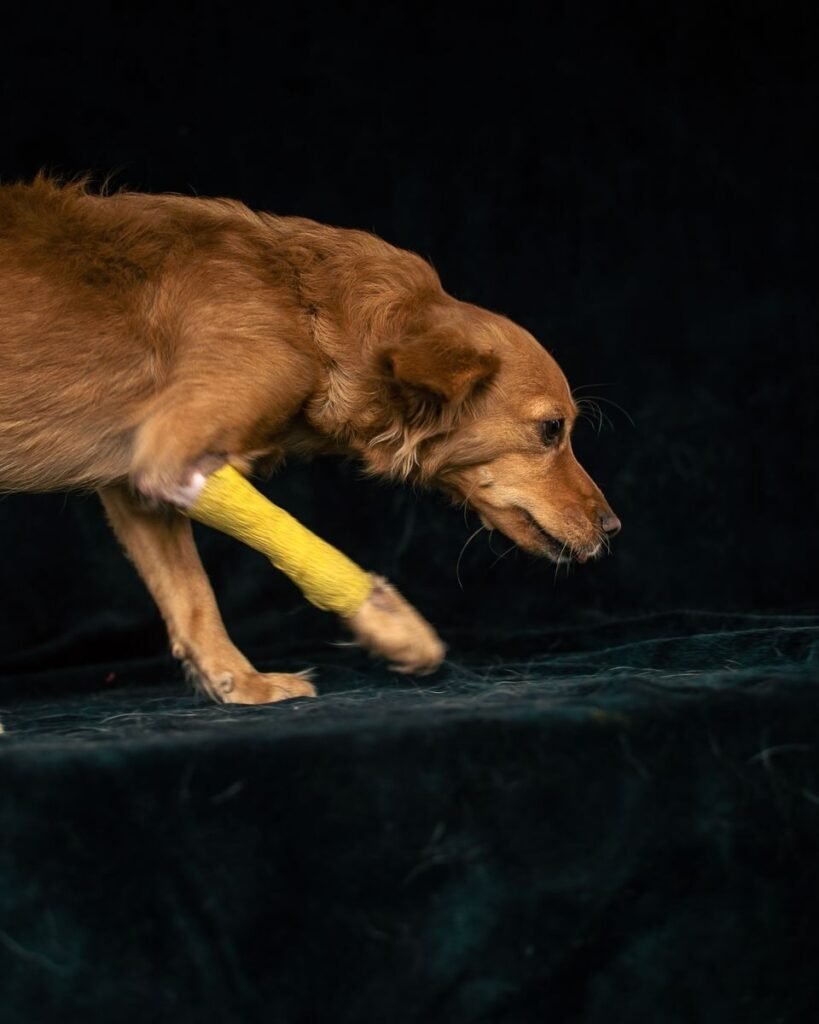
Arthritis, more formally known as osteoarthritis or degenerative joint disease, is a condition in which the protective cartilage that cushions a dog’s joints gradually breaks down. Without that cushioning, bones begin to rub against one another, triggering inflammation, pain, and progressive joint damage. While arthritis is often associated with the hips and back legs, front leg arthritis is extremely common and frequently overlooked. The front legs and shoulders carry a disproportionate amount of a dog’s body weight — some veterinary estimates suggest the front limbs support roughly 60 percent of total body weight during standing and movement, compared to about 40 percent carried by the hind legs. This means the elbows, shoulders, wrists (carpi), and toes of the front legs are under constant mechanical stress, making them prime locations for degenerative changes.
Front-leg arthritis is particularly associated with conditions such as elbow dysplasia, shoulder osteochondrosis, soft tissue injuries to the biceps or supraspinatus tendons, and previous fractures or sprains that never fully healed. Large and giant breeds — including Labrador Retrievers, German Shepherds, Golden Retrievers, Rottweilers, and Bernese Mountain Dogs — are especially predisposed to developmental elbow conditions that progress into arthritis later in life. However, smaller breeds and mixed-breed dogs are by no means immune, particularly if they have a history of injury, obesity, or repetitive strain from activities like agility or jumping on and off furniture.
Recognizing the early signs of arthritis in dogs front legs requires understanding that this disease is progressive and, currently, incurable. There is no way to regrow lost cartilage. However, early detection allows veterinarians to intervene with weight management, physical therapy, joint supplements, and medications that can dramatically slow the rate of deterioration and keep dogs comfortable and mobile for years.
Early Signs of Arthritis in Dogs
The earliest signs of arthritis in dogs front legs are often so subtle that owners dismiss them as a “bad day” or simple tiredness. Dogs in the early stages of front-leg arthritis frequently show a slight stiffness when first rising from a nap, particularly first thing in the morning or after a long car ride. This stiffness often “works itself out” after a few minutes of walking, which is exactly why it gets overlooked — the dog appears to recover and seems fine for the rest of the day.
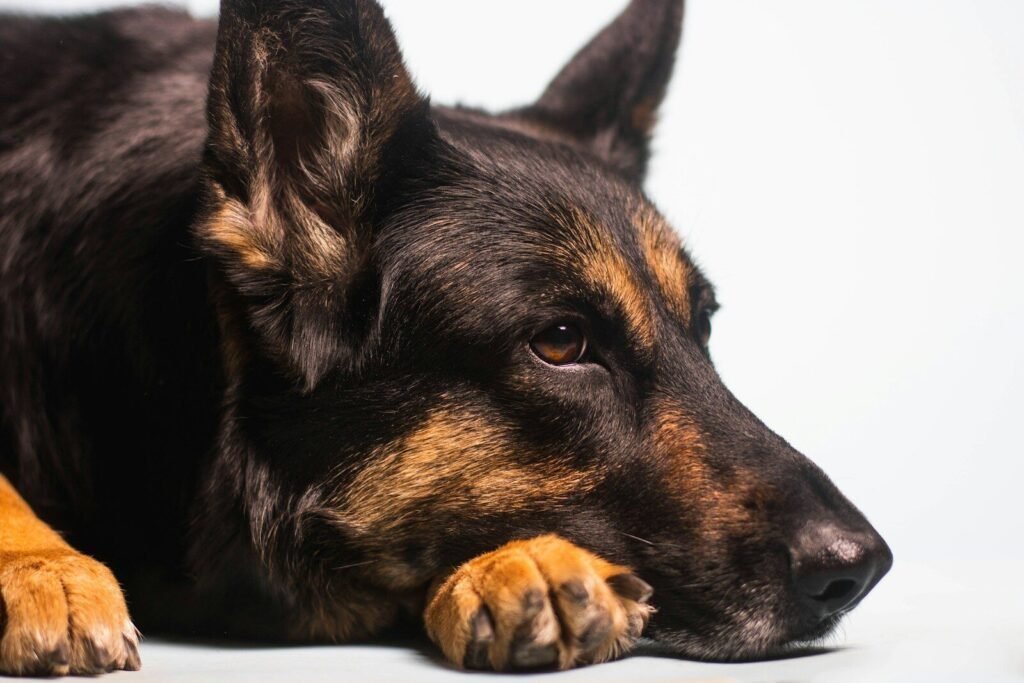
Another early indicator is a subtle reluctance to engage in previously favorite activities. A dog who once eagerly jumped into the car or onto the bed may begin to hesitate, pace back and forth before committing to the jump, or look for an alternative route such as using a ramp or stairs if available. This hesitation is not stubbornness or laziness — it is the dog’s instinctive avoidance of a movement that causes joint pain. Owners should also watch for a decreased willingness to play fetch or tug-of-war, especially activities that involve sudden stops, pivots, or weight-bearing on the front end.
Subtle shifts in posture during rest are another early clue. Dogs developing front-leg arthritis sometimes begin lying down with their front legs tucked unusually far underneath them, or they may avoid lying flat on one particular side. Excessive licking or chewing at the paws, wrists, or elbows can also signal localized joint discomfort, since dogs often try to self-soothe painful areas through grooming behavior. If you notice any combination of these subtle changes, it is worth scheduling a veterinary evaluation even if your dog still seems generally happy and active, because early intervention has the greatest impact on long-term outcomes.
Front Leg Arthritis Signs and Symptoms in Detail
As front-leg arthritis progresses, the signs of arthritis in dogs front legs become considerably easier to spot, even for owners without veterinary training. One of the most recognizable indicators is the “head bob” — when a dog with a painful front leg walks, they will often lift their head slightly each time the affected leg touches the ground. This subconscious motion shifts weight backward and reduces pressure on the sore limb, and trained observers (including veterinarians) frequently use it to identify which front leg is affected, even before any imaging is performed.
Limping, or lameness, is the most obvious sign and can range from a barely perceptible favoring of one leg to an outright unwillingness to bear weight on it at all. The limp is often worse after rest and may temporarily improve once the dog has warmed up and moved around for several minutes, only to return after extended exercise. Owners frequently describe this pattern as their dog being “stiff in the morning” — a hallmark presentation of degenerative joint disease rather than an acute injury.
Visible changes to the front leg’s musculature are another important sign. Because dogs naturally avoid using a painful limb, the muscles of that leg — particularly around the shoulder and upper arm — can begin to atrophy, becoming visibly smaller and softer compared to the unaffected side. You may also notice swelling or warmth around a specific joint, most commonly the elbow, along with a decreased range of motion when the leg is gently flexed and extended. Some dogs develop an outward turning of the front feet or elbows that “wing out” away from the body, which can indicate elbow-specific arthritis.
Behavioral changes often accompany the physical signs of arthritis in dogs front legs. Chronic pain can make even the gentlest dog irritable, withdrawn, or unusually protective of their front end, growling or snapping if a paw, wrist, or shoulder is touched. Sleep disruption, decreased appetite, and general lethargy can also occur as ongoing pain takes a cumulative toll on a dog’s overall wellbeing. Because these behavioral shifts are easy to misattribute to aging in general, it is worth specifically considering joint pain as a possible underlying cause whenever a senior dog’s personality seems to change.
Causes and Risk Factors Behind Front Leg Arthritis
Several overlapping factors contribute to the development of front leg arthritis in dogs, and understanding them can help owners take preventive steps before serious joint damage occurs. Age is the most obvious risk factor, since cartilage naturally wears down over a lifetime of movement, but arthritis is not exclusively a senior dog’s disease. Developmental orthopedic conditions such as elbow dysplasia, ununited anconeal process, fragmented coronoid process, and osteochondritis dissecans of the shoulder can trigger arthritic changes in dogs as young as six months to two years old, particularly in large and giant breeds with a genetic predisposition.
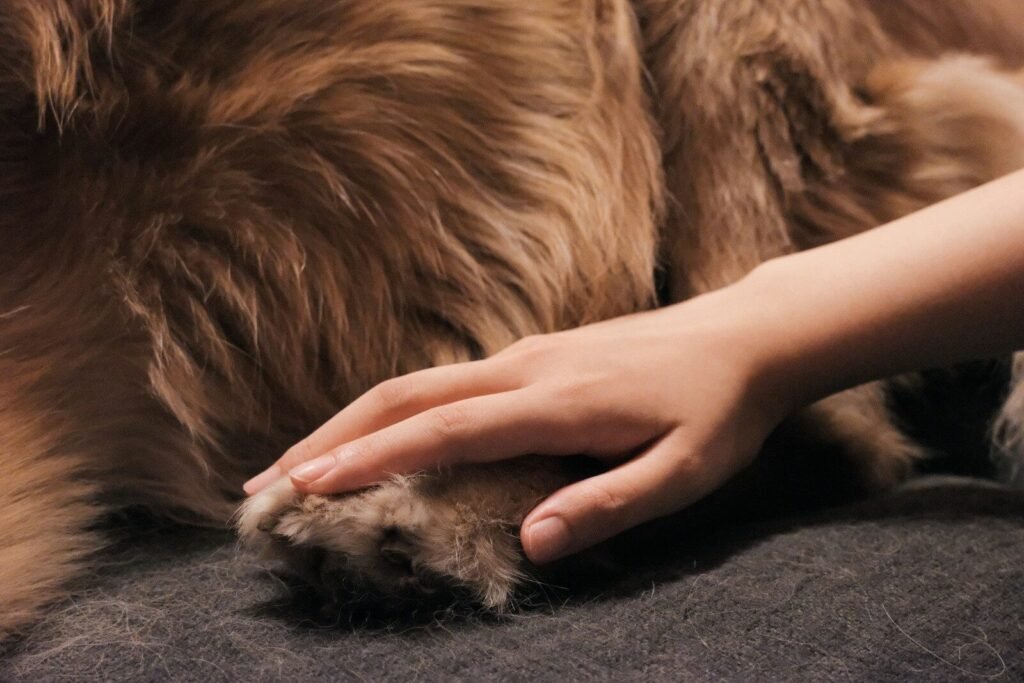
Obesity is one of the most significant and most preventable risk factors. Every extra pound of body weight places additional mechanical stress on already vulnerable joints, accelerating cartilage breakdown and worsening inflammation. Veterinary nutritionists consistently identify weight management as one of the single most effective interventions for both preventing and managing arthritis, often producing improvements comparable to medication in overweight dogs once a healthy weight is achieved.
Previous injuries — including soft tissue sprains, ligament tears, and fractures involving the shoulder, elbow, or carpus — frequently leave joints structurally altered in ways that predispose them to long-term degenerative changes, even after the original injury has “healed.” Repetitive high-impact activity, such as competitive agility, frequent jumping from heights, or running on hard surfaces, can also contribute to cumulative joint wear over time. Breed plays a substantial role as well; large and giant breeds bear more weight on their joints and are more frequently affected by inherited skeletal abnormalities, making proactive joint health monitoring especially important for these dogs from a young age.
How Veterinarians Diagnose Front Leg Arthritis
If you suspect any of the signs of arthritis in dogs front legs described above, a veterinary evaluation is the essential next step. Diagnosis typically begins with a detailed history, during which your veterinarian will ask about the onset, duration, and pattern of symptoms, any recent injuries, your dog’s activity level, diet, and weight history. This conversation is genuinely important — owners often provide details that point a veterinarian directly toward the affected limb and joint before any hands-on exam even begins.
Next comes a thorough physical and orthopedic examination. The veterinarian will observe your dog’s gait while walking and trotting, looking for asymmetry, head bobbing, or weight-shifting patterns. They will then palpate each joint of the front legs individually, checking for swelling, heat, crepitus (a grinding or crackling sensation within the joint), pain on flexion and extension, and any abnormal range of motion. This hands-on exam helps localize which specific joint — elbow, shoulder, carpus, or toes — is the primary source of discomfort.
Diagnostic imaging, most commonly radiographs (X-rays), is typically used to confirm the diagnosis and assess severity. X-rays can reveal joint space narrowing, bone spurs (osteophytes), and other degenerative changes characteristic of arthritis. In more complex or ambiguous cases, advanced imaging such as CT scans or MRI may be recommended, particularly for young dogs suspected of having developmental elbow disease, since these conditions sometimes require more detailed visualization than standard X-rays provide. Blood work may also be performed to rule out other causes of joint pain, such as infectious or immune-mediated arthritis, which require very different treatment approaches.
Treatment Options and Management Strategies
While there is currently no cure for arthritis, a wide range of treatments can dramatically improve comfort and slow disease progression once the signs of arthritis in dogs front legs have been confirmed by a veterinarian. Weight management is frequently the foundation of any treatment plan, since reducing excess body weight directly reduces the mechanical load on damaged joints. Veterinarians can help design a calorie-controlled diet and an appropriate, joint-friendly exercise routine tailored to your dog’s specific condition.
Medications play a central role in managing pain and inflammation. Non-steroidal anti-inflammatory drugs (NSAIDs) formulated specifically for dogs are commonly prescribed as a first-line treatment, since they reduce both pain and the underlying inflammatory process. Newer classes of medication, including monoclonal antibody injections designed specifically to target osteoarthritis pain, have become an important addition to the veterinary toolkit in recent years, offering relief for dogs who cannot tolerate traditional NSAIDs due to kidney, liver, or gastrointestinal concerns. Joint supplements containing glucosamine, chondroitin, and omega-3 fatty acids are also widely used to support cartilage health, though they typically work best as part of a broader, multimodal treatment plan rather than as a standalone solution.
Physical rehabilitation, including controlled exercise, hydrotherapy, and targeted stretching, can help maintain muscle mass around affected joints, improve range of motion, and reduce compensatory strain on other limbs. Many veterinary rehabilitation specialists also incorporate therapeutic laser treatment or therapeutic ultrasound to reduce inflammation and promote tissue healing. For severe cases, particularly those involving developmental conditions like elbow dysplasia, surgical intervention may be recommended to remove damaged cartilage fragments, realign joint surfaces, or in advanced cases, perform joint replacement.
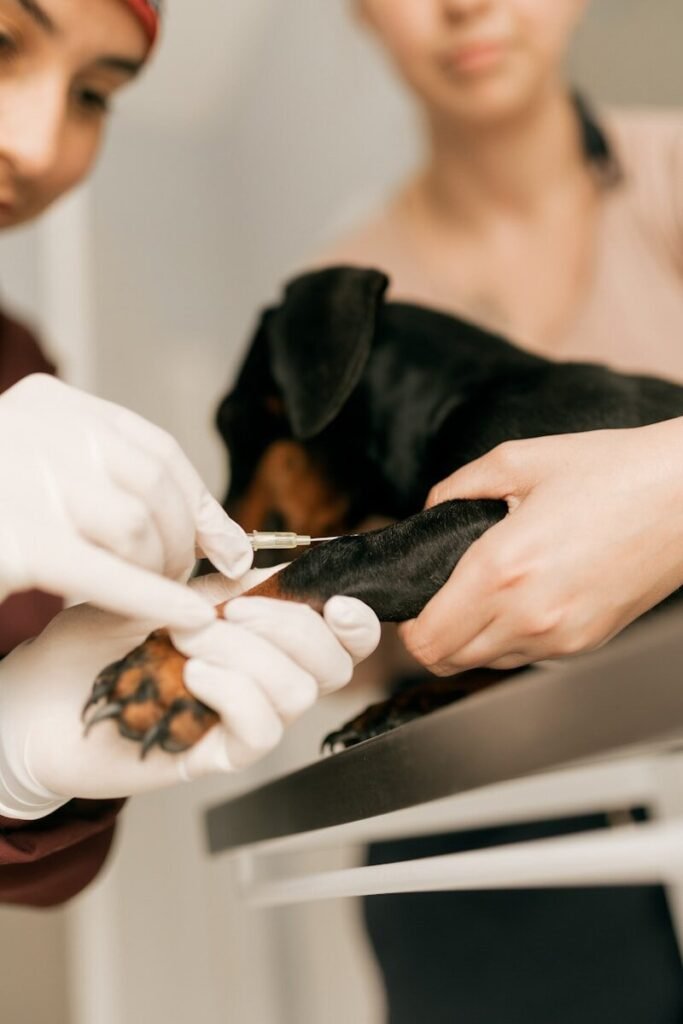
Home modifications also make a meaningful difference in day-to-day comfort. Orthopedic memory foam beds reduce pressure on sore joints during rest, non-slip rugs or runners on hardwood and tile floors prevent painful slipping, and ramps or pet stairs eliminate the need for jarring jumps on and off furniture or into vehicles. Together, these adjustments create an environment that supports joint health rather than aggravating it.
Stages of Front Leg Arthritis Progression
Understanding how the signs of arthritis in dogs front legs evolve over time can help owners better anticipate their dog’s needs at each phase of the disease. In the earliest stage, cartilage damage is minimal and symptoms are intermittent, often appearing only after intense exercise or during cold, damp weather. Many dogs in this stage seem entirely normal to a casual observer, and the condition may only be detectable through a careful veterinary orthopedic exam or early radiographic changes.
As the disease progresses into a moderate stage, symptoms become more consistent and noticeable. Limping is present more regularly, particularly after rest, and dogs may begin to show clearer reluctance toward activities involving the front limbs, such as climbing stairs or jumping. Muscle atrophy often becomes visible during this stage, and owners frequently report that their dog seems to “have good days and bad days,” with symptoms fluctuating based on activity level, weather, and how recently medication or supplements were given.
In advanced or end-stage arthritis, joint damage is extensive, and dogs may show significant difficulty rising, persistent lameness even at rest, and a notable decline in willingness to move at all. Some dogs in this stage begin shifting more of their weight onto their hind legs to compensate for painful front limbs, which can in turn create secondary strain and arthritis in the rear end and spine over time. At this stage, pain management becomes more complex and often requires a combination of multiple medications, rehabilitation therapy, and significant home accommodations. Recognizing which stage your dog is in helps your veterinary team tailor a treatment plan that matches the actual severity of joint damage rather than applying a one-size-fits-all approach.
Prevention and Long-Term Joint Health
While not all cases of front leg arthritis can be prevented, particularly those linked to genetic developmental conditions, there is a great deal owners can do to reduce risk and slow progression, especially in young and middle-aged dogs. Maintaining a lean, healthy body weight throughout a dog’s life is consistently identified by veterinary researchers as one of the most powerful protective factors against joint disease. Overfeeding during puppyhood, particularly in large-breed puppies prone to elbow and shoulder developmental disorders, can accelerate skeletal stress before joints are even fully mature, so working with a veterinarian to establish an appropriate growth rate and diet is especially important for at-risk breeds.
Controlled, low-impact exercise — such as regular leash walks, swimming, and structured play — helps build and maintain supportive muscle mass around the joints without subjecting them to the repetitive high-impact stress of activities like jumping from heights or running on hard pavement. Avoiding excessive jumping on and off furniture or out of vehicles, especially in puppies and predisposed breeds, can also reduce cumulative strain on developing shoulder and elbow joints.
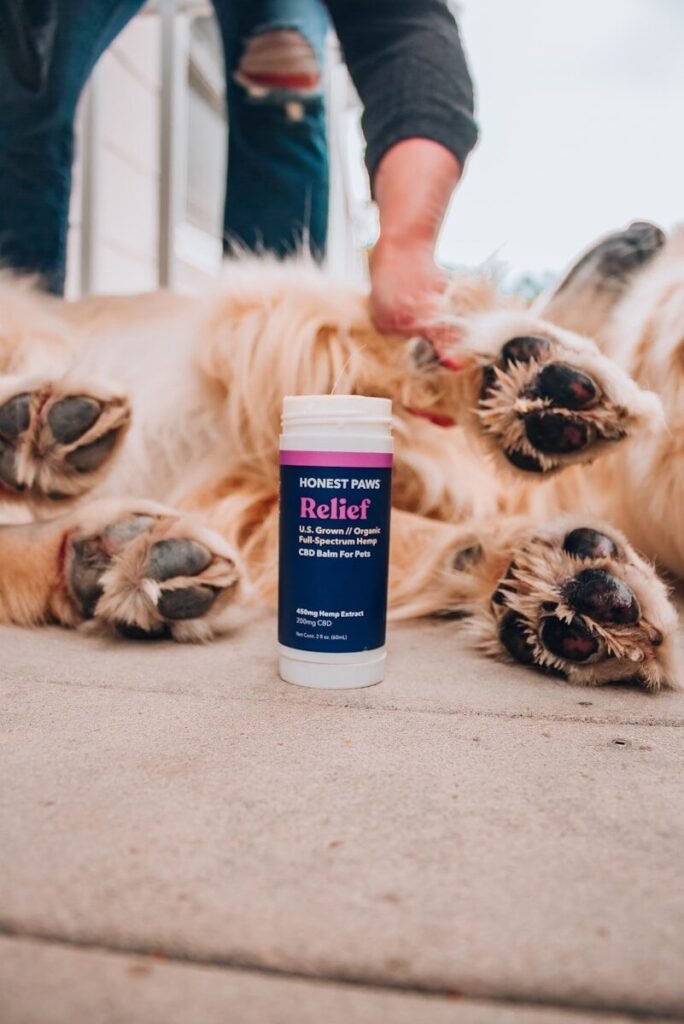
Routine veterinary checkups that include a basic orthopedic assessment allow for the earliest possible detection of joint abnormalities, often well before visible signs of arthritis in dogs front legs appear at home. For breeds known to be predisposed to elbow dysplasia or other developmental joint conditions, some veterinarians recommend baseline radiographs during the first one to two years of life, which can help identify problems early and guide proactive management before significant arthritis sets in. Nutritional support with omega-3 fatty acids and joint-supportive supplements, introduced under veterinary guidance, may also offer some protective benefit, particularly for dogs with known risk factors or a family history of joint disease.
Finally, simply staying observant as a pet owner is itself a form of prevention. Because dogs hide pain so effectively, the difference between catching arthritis in its earliest, most manageable stage versus its advanced, harder-to-treat stage often comes down to how closely an owner is paying attention to small, gradual changes in their dog’s daily movement and behavior.
Frequently Asked Questions
How long can a dog live with arthritis in front legs? Arthritis itself is not typically fatal, and dogs can live many comfortable years with the condition when it is properly managed. Life expectancy is generally determined by the dog’s overall health and age rather than the arthritis alone, though severe, unmanaged cases can significantly impact quality of life and may eventually factor into end-of-life decisions.
How to tell if a dog has arthritis in the front legs? Watch for limping that is worse after rest, a head-bobbing gait, reluctance to jump or climb, visible muscle loss in one front leg, swelling around the elbow or shoulder, and behavioral changes like irritability or reduced activity. A definitive diagnosis requires a veterinary exam and often X-rays.
How to treat dog limping front leg arthritis? Treatment typically combines weight management, veterinarian-prescribed pain relief and anti-inflammatory medication, joint supplements, physical rehabilitation, and home adjustments like orthopedic bedding and ramps. Severe cases may require surgical intervention.
At what age do dogs usually get arthritis? While arthritis is most common in senior dogs over seven years old, it can develop much earlier in large breeds with developmental joint conditions, sometimes appearing in dogs under two years of age.
What is the fastest way to relieve arthritis pain in dogs? Veterinarian-prescribed NSAIDs or newer injectable pain medications typically provide the fastest relief, though they should always be used under veterinary supervision and combined with longer-term management strategies for best results.
What is the silent killer of dogs? This phrase is sometimes used informally to describe conditions like cancer or heart disease that progress without obvious early symptoms; arthritis itself is not usually described this way, though its tendency to be masked by dogs makes early detection equally important.
How does a vet confirm arthritis in dogs? Vets confirm arthritis through a combination of physical examination, gait observation, joint palpation, and diagnostic imaging such as X-rays, sometimes supplemented with CT or MRI for complex cases.
What not to feed a dog with arthritis? Avoid excess calories, high-fat treats, and table scraps that contribute to weight gain, since obesity significantly worsens joint stress. Discuss any new supplements with your veterinarian before introducing them.
What is the best thing for senior dogs with arthritis? A combination of weight control, veterinary-guided pain management, joint supplements, low-impact exercise, and a supportive home environment with orthopedic bedding and ramps generally offers the best overall quality of life.
Watch: Recognizing Arthritis Symptoms in Dogs
For a visual walkthrough of how these symptoms appear in real dogs, this video is a helpful companion to the descriptions above: How Can You Tell if Your Dog Has Arthritis- Top 10 Symptoms Videos below
Conclusion
Recognizing the signs of arthritis in dogs front legs early is one of the most valuable things a pet owner can do to protect their dog’s long-term comfort and mobility. From subtle morning stiffness and reluctance to jump, to more advanced indicators like head bobbing, visible muscle loss, and joint swelling, every clue your dog gives you matters. Because dogs are instinctively skilled at hiding pain, it is always better to schedule a veterinary evaluation sooner rather than later if you notice anything unusual in how your dog moves or behaves. With a proper diagnosis and a tailored management plan involving weight control, medication, physical rehabilitation, and thoughtful home adjustments, dogs affected by front leg arthritis can continue to live full, comfortable, and active lives for years to come. Staying observant and proactive is the single best gift you can give a dog who cannot tell you in words exactly where it hurts.
Sources:
- Cornell Riney Canine Health Center, Cornell University College of Veterinary Medicine — Osteoarthritis Overview
- “Prevalence, duration and risk factors for appendicular osteoarthritis in a UK dog population under primary veterinary care,” National Center for Biotechnology Information (NIH) — PMC Research Article
Information Disclaimer:
This article is for informational purposes only and is not a substitute for professional veterinary advice, diagnosis, or treatment. Always consult your veterinarian regarding your dog’s specific health condition.


