If you have ever watched your beloved dog struggle to rise from a resting position, hesitate before climbing stairs, or move with an unusual swaying gait, you may have witnessed early hip dysplasia dogs symptoms without realizing it. Hip dysplasia is one of the most common and heartbreaking orthopedic conditions affecting dogs of all sizes and ages, yet many owners do not recognize the warning signs until the disease has already progressed significantly. Understanding what to look for, how the condition develops, and what options are available can make a profound difference in your dog’s quality of life. This guide covers everything you need to know — from the very first subtle clues to end-stage management — so that you can act early, advocate confidently with your veterinarian, and give your dog the best possible outcome.
What Is Hip Dysplasia in Dogs and Why Does It Happen?
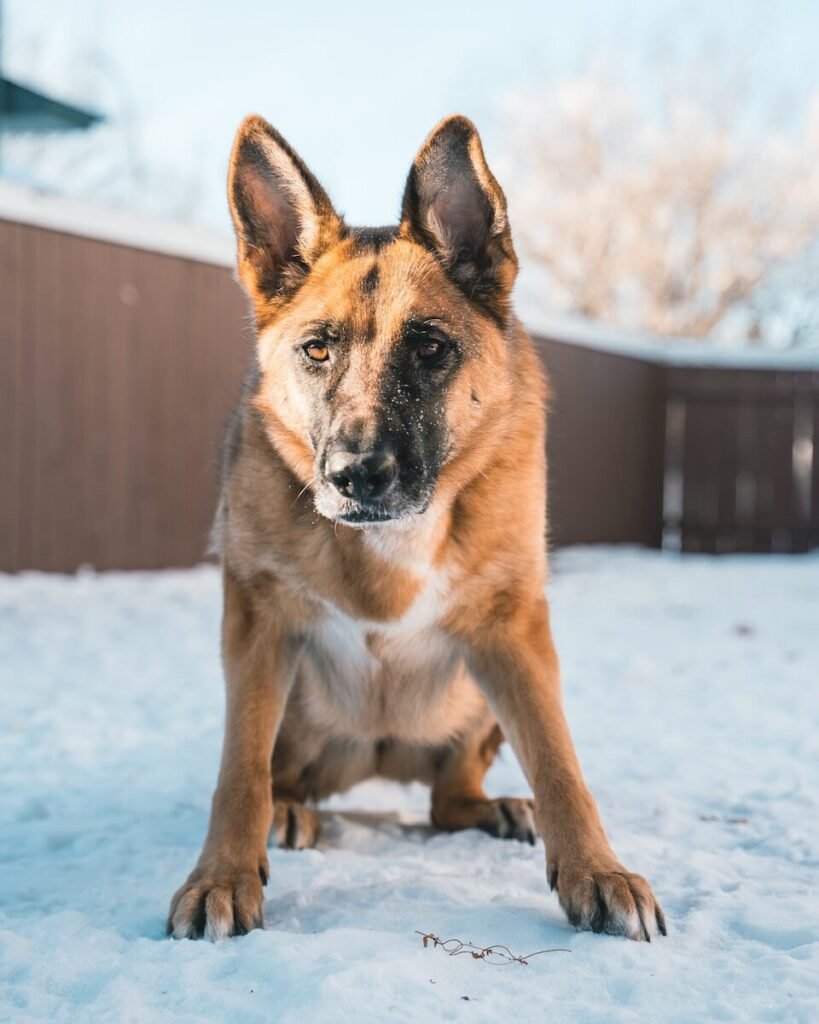
Hip dysplasia is a developmental skeletal condition in which the ball-and-socket joint of the hip does not fit together correctly. In a healthy hip, the rounded head of the femur (thigh bone) sits snugly inside the acetabulum (the cup-shaped socket of the pelvis). The two surfaces glide smoothly against each other, cushioned by cartilage and surrounded by fluid. In a dog with hip dysplasia, the joint is lax, shallow, or malformed, causing the femoral head to slide around loosely within the socket. Over time, this abnormal movement wears down the cartilage, damages the bone surfaces, and triggers a cycle of inflammation, pain, and progressive degenerative joint disease (osteoarthritis).
The root causes are a complex interaction of genetics and environment. Certain breeds carry genetic predispositions that make their hip joints more likely to develop abnormally during the rapid growth phase of puppyhood. However, environmental factors — including the rate of weight gain, the type and intensity of exercise, and the quality of nutrition during growth — can significantly influence whether a genetically susceptible dog actually develops the condition or how severely it manifests. Overfeeding large-breed puppies, for example, can accelerate skeletal growth faster than the surrounding soft tissue can stabilize the joint, increasing the risk of early-onset dysplasia.
Hip Dysplasia Dogs Symptoms: The Warning Signs You Should Never Ignore
Recognizing hip dysplasia dogs symptoms early gives you the greatest chance of slowing the disease and keeping your dog comfortable. The symptoms can vary depending on the dog’s age, the severity of the joint laxity, and the degree of secondary arthritis that has developed. In younger dogs, symptoms often stem from the looseness of the joint itself, while older dogs tend to show signs related to the chronic pain and stiffness of osteoarthritis.
One of the earliest and most telling signs is difficulty rising after rest. Your dog may struggle to push up from a lying position, take several attempts to stand, or groan or whimper as they get up. You might notice this most clearly in the morning or after a long nap. Another classic sign is a bunny-hopping gait — instead of moving the back legs alternately as a healthy dog would, the dysplastic dog pushes both hind legs off the ground together, particularly when running or trotting. This compensatory movement reduces stress on the painful hip joints.
Reluctance or outright refusal to exercise is another important signal. A dog that previously loved long walks or playing fetch may start to lag behind, stop more frequently, or resist going out altogether. You may also notice muscle loss in the hindquarters: the muscles over the hips, thighs, and lower back visibly shrink as the dog unconsciously shifts weight forward to avoid pain. The front legs may appear overdeveloped in comparison.
Lameness — limping on one or both hind legs — is a hallmark sign, though it may be intermittent at first and become more consistent as the disease advances. Some dogs display a narrow stance in the rear, holding their hind feet closer together than normal. Audible clicking or grinding sounds from the hip area during movement can indicate bone-on-bone contact as the cartilage erodes. Behavioral changes such as irritability, aggression when touched near the hips or lower back, or withdrawal from social interaction are also common as chronic pain wears on a dog’s temperament.
Can Hip Dysplasia in Dogs Come on Suddenly?
This is a question many owners ask when their dog’s mobility seems to decline almost overnight. The short answer is: hip dysplasia itself is a progressive condition that develops over months or years, but the symptoms can appear to come on suddenly due to a triggering event. A long hike, a bout of vigorous play, a cold damp day, or even a minor slip or stumble can dramatically worsen inflammation in an already compromised joint, bringing hidden pain roaring to the surface.
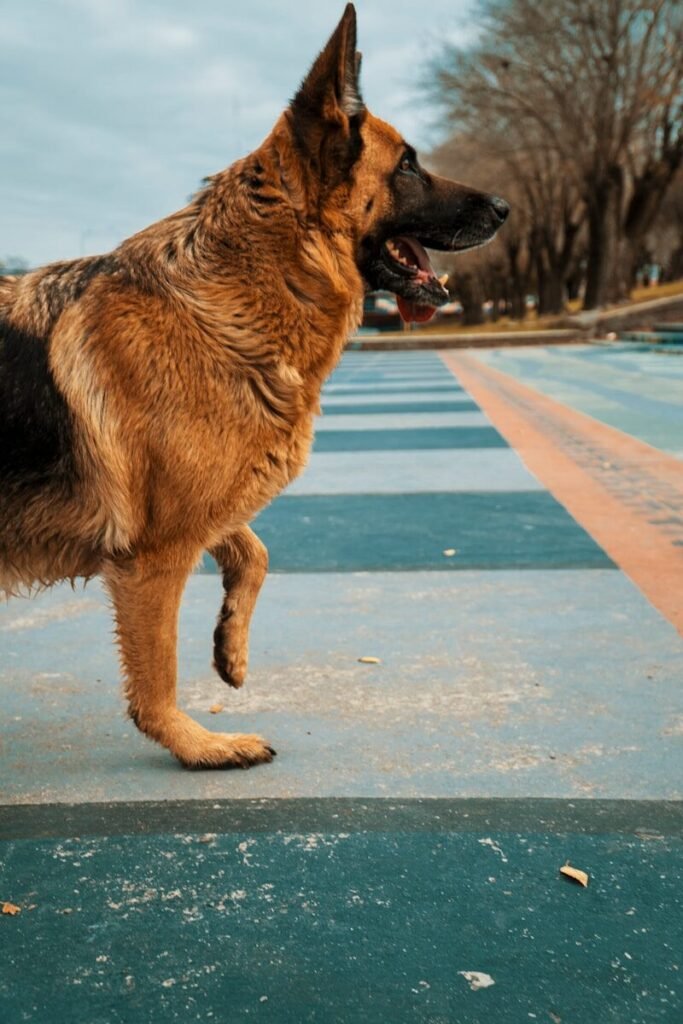
In puppies and young dogs, the period between four and twelve months of age is when hip laxity is greatest and the first wave of symptoms often emerges. Some owners notice gradual, worsening stiffness over weeks; others are caught off guard when their previously active six-month-old puppy suddenly refuses to bear weight on one leg. In older dogs, a significant flare-up of osteoarthritis — sometimes triggered by weather changes, weight gain, or overexertion — can give the impression that the condition appeared abruptly even though joint damage had been accumulating silently for years. This is why regular veterinary check-ups are so important for at-risk breeds, even when no obvious symptoms are present.
Stages of Hip Dysplasia in Dogs
Hip dysplasia in dogs does not follow a single sudden timeline; instead, it typically progresses through identifiable stages that vary in severity and clinical presentation. Understanding these stages helps owners and veterinarians choose the most appropriate treatment approach at each point in the disease.
In the early or mild stage, joint laxity is the primary problem. The hip socket is too shallow or the surrounding soft tissue too loose to hold the femoral head securely. The dog may show intermittent hind limb lameness, mild stiffness after rest, and slight reluctance to exercise. On physical examination, a veterinarian can detect abnormal hip movement. X-rays at this stage may reveal a shallow acetabulum and increased joint space, though obvious bony changes are not yet present.
As the disease progresses into the moderate stage, the repeated microtrauma caused by joint laxity begins to damage the cartilage. The body responds by attempting to stabilize the joint through fibrosis and early bone remodeling. Symptoms become more consistent — the dog may limp regularly after activity, have visible muscle atrophy in the hindquarters, and show clear discomfort when the hip is manipulated. The bunny-hop gait becomes more pronounced.
In the severe or end-stage of hip dysplasia, the cartilage is largely destroyed, and the dog is essentially experiencing bone grinding against bone. Secondary osteoarthritis is well-established, with bone spurs (osteophytes), joint effusion, and severe loss of range of motion. The dog may struggle to walk even short distances, have difficulty posturing to urinate or defecate, and experience near-constant pain. This is the stage at which surgical intervention, particularly total hip replacement, is most often considered if it has not been pursued earlier.
End Stage Hip Dysplasia in Dogs
End stage hip dysplasia is a difficult reality for both dog and owner. By this point, the joint architecture is severely compromised and conservative management — while still important for comfort — has limited ability to restore mobility or eliminate pain. Dogs in end-stage disease often have significantly reduced quality of life if their pain is not aggressively managed.
Owners of dogs in this stage need to have honest, compassionate conversations with their veterinarians about all available options. For some dogs, particularly those who are good surgical candidates, procedures such as total hip replacement (THR) or femoral head and neck ostectomy (FHO) can offer dramatic relief. THR replaces both the femoral head and the acetabulum with artificial implants, essentially giving the dog a new joint, and success rates are high in appropriately selected patients. FHO removes the femoral head and neck entirely, allowing scar tissue to form a false joint — it is a more affordable procedure that works best in smaller or lighter dogs.
For dogs that are not surgical candidates due to age, concurrent illness, or owner circumstances, palliative care focuses on multimodal pain management using prescription non-steroidal anti-inflammatory drugs (NSAIDs), gabapentin, or other analgesics, combined with physical rehabilitation, hydrotherapy, acupuncture, and environmental modifications. Euthanasia may ultimately be considered when a dog’s pain cannot be adequately controlled and quality of life has been severely compromised — a decision made with profound love and veterinary guidance.
How to Diagnose Hip Dysplasia in Dogs
Proper diagnosis is essential before any treatment plan can be developed. A veterinarian will begin with a thorough physical examination, assessing the dog’s gait, posture, muscle mass, and range of motion in the hip joints. Two specific hands-on tests — the Ortolani test and the Barlow maneuver — can detect joint laxity in young dogs, where a characteristic click or clunk is felt as the femoral head slips in and out of the socket.
Radiography (X-ray) is the gold standard for confirming hip dysplasia. Dogs are typically sedated or anesthetized to allow proper positioning and muscle relaxation, which is necessary for accurate images. Standard ventrodorsal hip-extended views reveal the shape of the acetabulum, the congruency of the joint, and the presence of osteophytes or other degenerative changes. For breeding evaluation purposes, organizations such as the Orthopedic Foundation for Animals (OFA) and the PennHIP method offer standardized scoring systems that grade hip conformation from excellent to severely dysplastic.
PennHIP, in particular, uses a distraction index to measure joint laxity and can reliably detect dysplasia risk in puppies as young as sixteen weeks. Early diagnosis through these screening tools is especially valuable for breeders aiming to reduce the prevalence of hip dysplasia in their breeding lines. For pet owners, diagnosis at any age allows treatment to begin sooner, which is always better for long-term outcomes.
Dog Hip Dysplasia Home Treatment
While home treatment cannot cure hip dysplasia or reverse joint damage, it plays a critically important role in managing symptoms, slowing disease progression, and maintaining quality of life. Dog hip dysplasia home treatment should always be undertaken in consultation with a veterinarian, who can tailor recommendations to the individual dog’s severity and overall health.
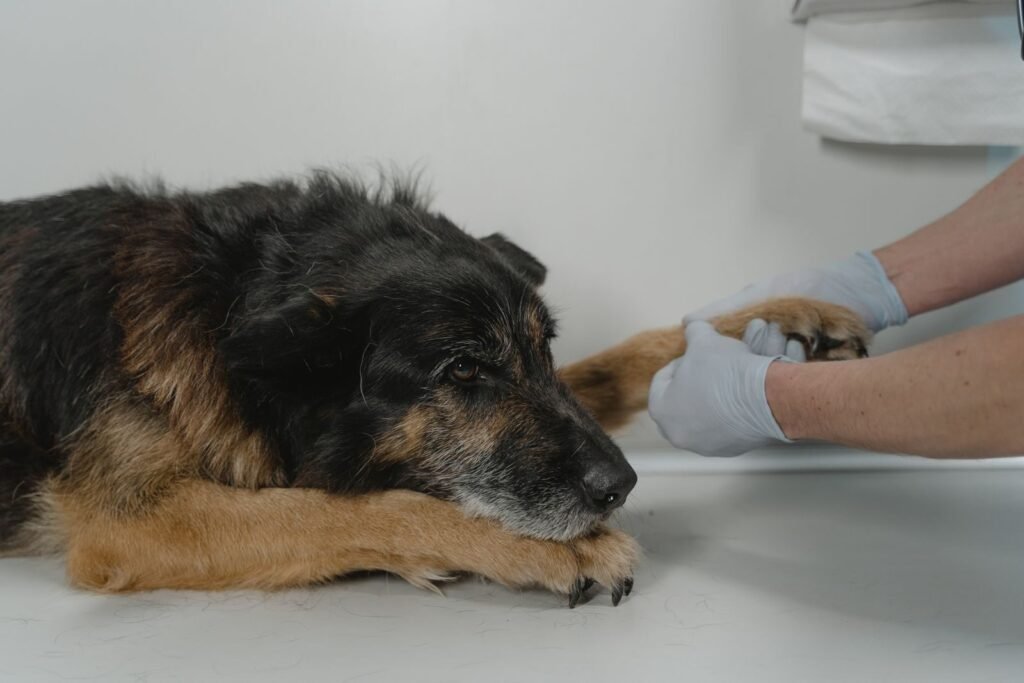
Weight management is arguably the single most impactful home intervention available. Every extra kilogram of body weight places additional mechanical stress on already-compromised hip joints. Even modest weight reduction in overweight dogs can produce significant improvements in mobility and pain levels. Work with your vet to establish an ideal target weight and a safe, gradual weight-loss plan using a measured, calorie-controlled diet.
Controlled, low-impact exercise is essential. Short, frequent leash walks on flat, even surfaces help maintain muscle mass and joint fluid circulation without causing damaging jarring forces. Swimming and hydrotherapy are ideal because water supports body weight while allowing free joint movement — many dogs with advanced hip dysplasia tolerate aquatic exercise far better than land-based activity. Avoid activities involving jumping, sharp turns, rough play on uneven terrain, or prolonged stair climbing.
Environmental modifications can make a meaningful difference in daily comfort. Provide a thick, orthopedic foam bed that cushions the hips and prevents the dog from sleeping on hard floors. Place non-slip mats on tiles or polished floors to prevent slipping, which can cause sudden painful joint loading. Install ramps or steps to help the dog access furniture or vehicles without jumping. Ensure food and water bowls are at a comfortable height to reduce the need to crouch or reach awkwardly.
Veterinarian-approved joint supplements such as glucosamine, chondroitin, and omega-3 fatty acids (particularly EPA and DHA from fish oil) have supportive evidence for mild benefit in cartilage health and inflammation reduction, though they are not substitutes for prescription medications in moderate to severe cases. Always consult your vet before starting any supplement regimen.
How to Prevent Hip Dysplasia in Dogs
Prevention is most relevant for breeders and owners of puppies from at-risk breeds. Responsible breeding is the most powerful preventive tool available — selecting breeding pairs based on OFA or PennHIP certification significantly reduces the likelihood of producing dysplastic offspring. Prospective puppy buyers should always ask breeders for hip certification of both parents.
For puppies, the growth phase is the most critical window for prevention. Avoid overfeeding large and giant breed puppies; use a diet specifically formulated for large breeds that delivers controlled calcium and phosphorus levels and a moderate caloric density. Rapid weight gain during puppyhood stresses developing joints. Avoid strenuous high-impact exercise — such as jogging, jumping, or agility training — until the growth plates have closed, typically around twelve to eighteen months depending on the breed. Short, gentle play sessions and leash walks are appropriate during this period.
For all dogs, maintaining a healthy weight throughout life, providing regular low-impact exercise to support muscle mass, and scheduling routine veterinary check-ups are the cornerstones of joint health. Some veterinarians recommend prophylactic joint supplements in at-risk breeds from a young age, though the evidence for this is not definitive.
Hip Dysplasia in Small Dogs
Hip dysplasia is most commonly associated with large and giant breeds, but it is a genuine concern in small dogs as well. Breeds such as Pugs, French Bulldogs, English Bulldogs, Dachshunds, and Miniature Poodles can all develop hip dysplasia, often with unique presentations that differ from those seen in larger breeds.
In small dogs, symptoms may be subtler and more easily missed or attributed to other conditions. A small dog limping might have its discomfort dismissed as a muscle strain when hip dysplasia is actually the cause. Additionally, the compensatory strategies small dogs use — such as shifting weight to the forelimbs or adopting unusual resting postures — can mask the severity of hindlimb pain. Owners of small breeds should be just as vigilant about watching for signs of hip pain as owners of large breeds, particularly in brachycephalic (flat-faced) breeds where conformation abnormalities throughout the skeleton are common.
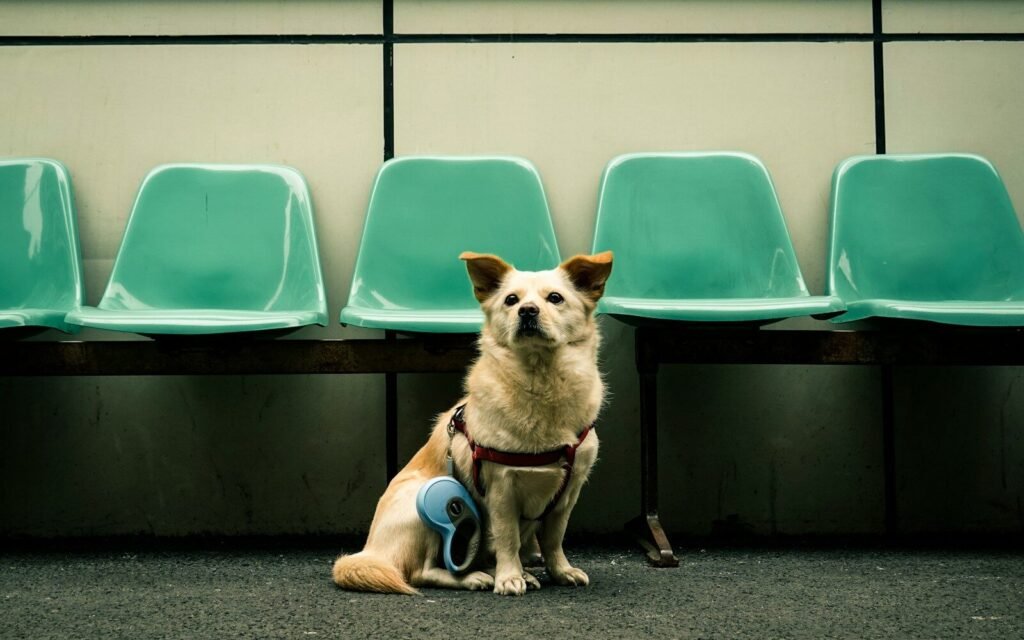
The diagnostic and treatment principles are the same regardless of size, though surgical options may differ slightly. FHO, for example, tends to produce excellent functional outcomes in small and toy breeds because the muscles are often strong enough to support the “false joint” effectively. Small dogs also tend to recover from orthopedic procedures more quickly than large breeds.
Video of Dog Walking with Hip Dysplasia: What to Look For
Many dog owners find it helpful to watch video footage of dogs affected by hip dysplasia to better understand the visual signs they should watch for at home. When observing a dog walking with hip dysplasia, you will typically notice a characteristic swaying or rolling motion of the hindquarters — sometimes described as a “sailor’s gait” — as the dog attempts to compensate for hip pain and instability.
The hind legs may appear stiff or reluctant to fully extend behind the body during the push-off phase of the stride. In more severe cases, one or both hind legs may be dragged slightly rather than lifted cleanly. The dog may hold its tail lower than usual due to discomfort in the surrounding musculature. When running, the hallmark bunny-hop pattern — where both hind legs land together — is often clearly visible. Recording short videos of your own dog walking and trotting can be an invaluable tool for your veterinarian, allowing them to assess gait abnormalities that may not be obvious during a clinic visit when the dog is anxious or adrenaline-charged.
Frequently Asked Questions About Hip Dysplasia in Dogs
What Are the First Signs of Hip Dysplasia in Dogs?
The earliest signs typically include intermittent hind limb lameness (which may only appear after exercise), stiffness when rising from rest, reluctance to climb stairs or jump into vehicles, and a subtle shift in posture as the dog unconsciously offloads weight from the affected hip. In puppies, early signs often emerge between four and twelve months of age.
How Long Can a Dog Live with Severe Hip Dysplasia?
Hip dysplasia itself is not a terminal diagnosis. With proper management — whether through surgery, medication, rehabilitation, or a combination — many dogs with severe hip dysplasia go on to live full, normal lifespans. Quality of life, rather than quantity of years, is the more relevant measure. Untreated or poorly managed end-stage disease, however, can reach a point where the dog’s pain significantly diminishes their wellbeing.
Are Dogs with Hip Dysplasia Always in Pain?
Not necessarily at all times, particularly in early stages. Some dogs with radiographically confirmed hip dysplasia show relatively mild clinical signs, while others with less severe structural changes experience significant pain. Pain levels are influenced by the degree of inflammation, the extent of secondary arthritis, the dog’s muscle mass, and individual pain tolerance. With appropriate treatment, pain can often be well-controlled.
How to Check for Hip Dysplasia in Dogs at Home?
While you cannot diagnose hip dysplasia at home, you can perform a basic observational assessment. Watch your dog walk, trot, rise from rest, climb stairs, and sit down. Note any asymmetry, stiffness, reluctance, or gait abnormalities. Gently palpate the hip area for signs of pain (flinching, turning to look at you, muscle tension). If you observe any concerning signs, schedule a veterinary appointment promptly. Do not attempt to manipulate the joint yourself, as this can cause pain and injury.
What Is Mistaken for Hip Dysplasia in Dogs?
Several conditions can mimic hip dysplasia symptoms, which is why professional diagnosis is essential. These include lumbosacral stenosis (a spinal condition causing hind limb weakness), degenerative myelopathy (a progressive neurological disease), cruciate ligament rupture, patellar luxation, iliopsoas muscle strain, and various forms of arthritis affecting other joints. A thorough examination and appropriate imaging are necessary to distinguish between these conditions.
What Age Do Dogs Typically Get Hip Dysplasia?
Hip dysplasia is a developmental condition, meaning the underlying joint abnormality is present from birth or early puppyhood. Clinical symptoms in large breeds often appear between four months and one year of age. However, many dogs do not show significant signs until middle age or older (typically five to eight years), when secondary osteoarthritis has accumulated to a symptomatic threshold.
What Dog Breed Is Most Prone to Hip Dysplasia?
Large and giant breeds carry the highest risk, with German Shepherds, Labrador Retrievers, Golden Retrievers, Rottweilers, Great Danes, Saint Bernards, Mastiffs, and Bernese Mountain Dogs among the most frequently affected. However, as noted earlier, the condition occurs across all breed sizes and even in mixed-breed dogs, particularly those with large-breed ancestry.
What Are the 5 F’s of Hip Dysplasia?
The five F’s is a clinical mnemonic sometimes used in veterinary medicine to remember the key features of hip dysplasia: Failure of normal development (abnormal joint formation), Femoral head subluxation (slippage), Friction (abnormal joint movement causing cartilage damage), Fibrosis (scar tissue formation as the body attempts to stabilize the joint), and Femoral head deformity (eventual bone remodeling and osteoarthritis). Not all sources use this exact formulation, but these five concepts capture the core pathological events of the disease.
Can a Dog Live with Hip Dysplasia Without Surgery?
Absolutely — many dogs do. Surgery is not the only or automatically the best option for every affected dog. Dogs with mild to moderate hip dysplasia can often be managed very effectively through a combination of weight management, controlled exercise, physical rehabilitation, joint supplements, and appropriate pain medication. Surgery tends to be recommended when conservative management has failed to provide adequate comfort, or when the structural damage is severe enough that non-surgical options are insufficient. The decision should always be made collaboratively with a veterinarian, ideally including a board-certified orthopedic surgeon’s opinion.
Conclusion
Living with a dog who has been diagnosed with hip dysplasia can be emotionally and practically challenging, but it is far from hopeless. The most important step any owner can take is to become informed. Understanding hip dysplasia dogs symptoms — from the subtle early signs of stiffness and reluctance to exercise, to the more obvious gait changes, muscle atrophy, and pain of advanced stages — empowers you to seek help at the right time and make the best decisions for your companion. Early diagnosis, consistent weight management, appropriate exercise, and tailored veterinary care can preserve mobility, reduce pain, and maintain quality of life for many years.
Whether your dog is a young at-risk puppy, a middle-aged dog showing early symptoms, or a senior managing end-stage disease, there are meaningful interventions available at every stage. Work closely with your veterinarian, ask questions, explore all options, and advocate for your dog’s comfort. With the right approach, many dogs with hip dysplasia go on to live happy, active, and fulfilling lives.
Additional Resources
For further guidance and scientifically validated information on canine hip dysplasia, the following organizations provide excellent resources:
The Orthopedic Foundation for Animals (OFA) is a non-profit organization that has maintained hip and elbow registries for dogs since 1966 and provides detailed owner education on screening, prevention, and breed statistics.
The National Library of Medicine publishes journals containing research on this topic. These journals provide peer-reviewed information on the diagnosis, treatment options, and pain management strategies for dogs with hip dysplasia, written in plain language for pet owners.


