Few things tug at a pet owner’s heart quite like watching a once-energetic dog struggle to stand up, hesitate at the bottom of the stairs, or slow to a careful, stiff-legged walk during what used to be a favorite evening stroll. In the vast majority of these cases, the underlying culprit is arthritis affecting the hind end. Learning to recognize the signs of arthritis in dogs back legs is one of the most valuable skills any dog owner can develop, because the hind legs are, by far, the most common site of canine osteoarthritis. This comprehensive guide walks through every stage of the condition — from the earliest, easy-to-miss clues to advanced symptoms — along with causes, diagnosis, treatment, and prevention strategies that can keep your dog comfortable and mobile for years to come.
The hind legs bear the brunt of a dog’s propulsive power. Every time a dog jumps, runs, climbs stairs, or pushes off from a sitting position, the hips, knees (stifles), and hocks of the back legs absorb tremendous mechanical force. Over time, especially in dogs with a genetic predisposition, previous injury, or excess body weight, the cartilage cushioning these joints begins to wear down. Because dogs instinctively hide pain as a survival mechanism, the signs of arthritis in dogs back legs often develop gradually and are easy to dismiss as “just getting older.” Understanding what to look for — and acting on it early — gives your dog the best possible chance at a long, comfortable, active life.
Understanding Arthritis in the Hind Legs
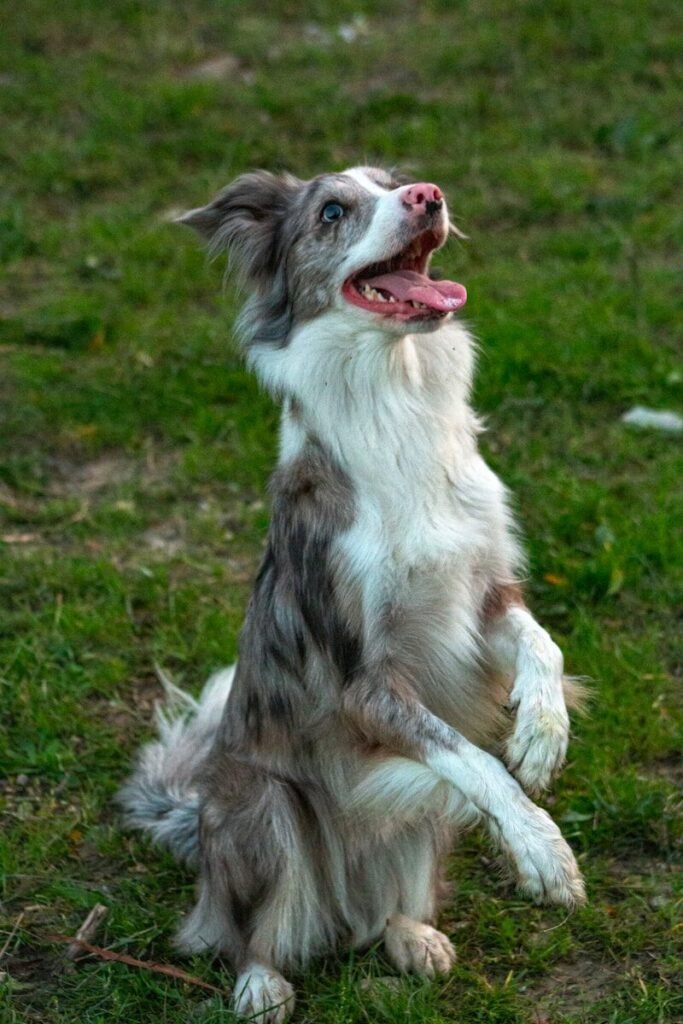
Arthritis, also called osteoarthritis or degenerative joint disease, is a progressive condition in which the smooth cartilage that normally cushions a joint gradually deteriorates. As that cushioning erodes, bones begin to grind against one another, producing inflammation, pain, and ongoing structural damage. Veterinary specialists consistently identify the hind legs as the single most frequent location for canine osteoarthritis, largely because the hips, knees, and hocks are weight-bearing, high-motion joints that experience constant mechanical stress throughout a dog’s life.
Hind-leg arthritis is frequently linked to underlying conditions such as hip dysplasia, a developmental malformation of the hip socket that is especially common in large and giant breeds; cranial cruciate ligament (CCL) injuries, which are essentially the canine equivalent of a torn ACL in humans; and patellar luxation, in which the kneecap slips out of its normal groove. Each of these conditions creates joint instability that accelerates cartilage breakdown over time, even after the original injury has been surgically repaired. Large-breed dogs such as Labrador Retrievers, German Shepherds, Golden Retrievers, and Rottweilers are particularly predisposed to hip and knee joint disease, though dogs of any size or breed can develop hind-leg arthritis, particularly if they are overweight or have a history of joint injury.
Because the signs of arthritis in dogs back legs tend to appear gradually rather than suddenly, owners often adapt their expectations alongside their dog’s slowing pace without realizing a treatable medical condition is at play. Recognizing the difference between normal aging and the specific, progressive symptoms of arthritis is the first step toward getting your dog the help they need.
Early Signs of Arthritis in Dogs
The earliest signs of arthritis in dogs back legs are subtle enough that even attentive owners frequently overlook them for months. One of the very first things many owners notice is a slight stiffness when their dog first stands up after a long nap or a full night’s sleep — a stiffness that often “walks off” within a few minutes, making it tempting to dismiss as nothing serious. This early-stage stiffness tends to worsen in cold or damp weather, a pattern many owners describe as their dog being noticeably more sluggish or sore on rainy days.
A gradual decline in activity level is another early indicator. A dog who once eagerly greeted every walk, every game of fetch, or every trip to the dog park may begin showing less enthusiasm, choosing to rest instead of play, or tiring more quickly than they used to. This is not simply a matter of “calming down with age” — chronic, low-grade joint pain is often the real driver behind a sudden loss of interest in physical activity. Owners should also watch for early hesitation before jumping onto furniture, into vehicles, or up onto a bed, as well as a newfound reluctance to use stairs, particularly if the dog pauses at the bottom or top before committing to climb.
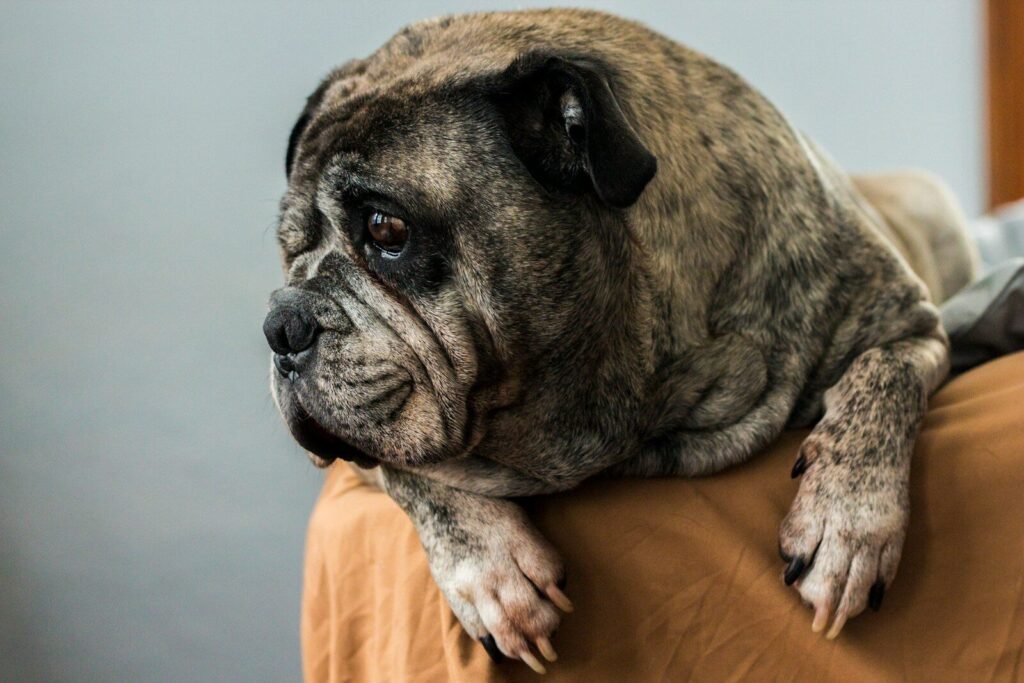
Subtle behavioral changes can also signal early hind-leg arthritis. Some dogs begin licking or chewing at their hips, knees, or hocks, attempting to soothe localized discomfort. Others become slightly more irritable or protective when their back end is touched, even if they have never shown this kind of guarding behavior before. Because these early signs of arthritis in dogs back legs are so easy to miss, scheduling a veterinary checkup at the first hint of any unusual stiffness, hesitation, or behavioral shift is one of the most proactive things an owner can do.
Recognizable Symptoms as Arthritis Progresses
As hind-leg arthritis advances, the signs of arthritis in dogs back legs become much more apparent. Limping or favoring one leg is among the most common and recognizable symptoms, and it typically follows a distinctive pattern: worse immediately after rest, somewhat improved after a few minutes of gentle movement, and worse again after strenuous exercise. Some dogs limp consistently on one particular leg, while others alternate, particularly if both hind legs are affected to a similar degree.
Difficulty rising from a lying position is another hallmark sign. Dogs with hind-leg arthritis often struggle visibly to push themselves up, sometimes needing several attempts, and they may favor a particular side or use their front legs disproportionately to compensate for weak or painful hind limbs. This struggle is frequently most noticeable first thing in the morning or after a long car ride, when joints have stiffened during a period of inactivity.
A distinctive gait change called “bunny hopping” — where a dog moves both back legs together in a hopping motion rather than alternating them normally — is a particularly telling sign, often associated with hip pain or bilateral hip dysplasia. Owners may also notice a swaying or wobbling motion through the hindquarters while walking, sometimes described as a “waddle,” along with visible muscle loss in the thighs and hindquarters as the dog increasingly avoids using the affected limbs. Over time, this muscle atrophy can become quite pronounced, with the back legs appearing noticeably thinner than they once were, while the chest and front legs may actually gain muscle mass as the dog compensates by shifting more weight forward.
Other notable symptoms include reluctance or inability to jump, sitting with one or both hind legs splayed out to the side rather than tucked neatly underneath the body, difficulty squatting fully to urinate or defecate (sometimes resulting in accidents), and visible discomfort or vocalization when the hips or knees are touched. In more advanced cases, dogs may develop tremors in the hind legs while standing, occasional stumbling, or a general unsteadiness that affects balance and coordination. Because these advanced signs of arthritis in dogs back legs can overlap with neurological conditions such as degenerative myelopathy or intervertebral disc disease, a proper veterinary evaluation is essential to confirm that arthritis, rather than a different underlying condition, is the true cause.
What Causes Arthritis in a Dog’s Back Legs
Several factors converge to cause hind-leg arthritis, and understanding them can help owners take meaningful preventive action. Genetics play a substantial role, particularly in large and giant breeds predisposed to hip dysplasia, a condition in which the hip joint develops abnormally, creating instability that accelerates cartilage wear from a young age. Cranial cruciate ligament injuries are another major contributor; once this ligament tears — often during a sudden twisting motion, jump, or even gradual degeneration over time — the resulting joint instability frequently leads to long-term arthritis even after surgical repair.
Obesity dramatically worsens the risk and progression of hind-leg arthritis. Excess body weight places additional mechanical strain on already vulnerable hip and knee joints, accelerating cartilage breakdown and intensifying pain and inflammation. Veterinary researchers have repeatedly found that maintaining a lean body condition is one of the most effective, modifiable ways to reduce both the onset and severity of arthritis in dogs. Age is, of course, a significant factor as well, since cartilage naturally degrades over years of cumulative wear, though arthritis is by no means exclusive to senior dogs — younger dogs with developmental joint conditions or previous injuries can develop significant hind-leg arthritis well before their golden years.
Previous trauma, including fractures, sprains, and soft tissue injuries involving the hips, knees, or hocks, can permanently alter joint mechanics in ways that predispose the area to long-term degenerative changes. Repetitive high-impact activity, such as frequent jumping, running on hard surfaces, or intense exercise without adequate conditioning, can also contribute to cumulative joint stress over a dog’s lifetime, particularly in breeds already genetically predisposed to joint disease.
Diagnosing Hind-Leg Arthritis
If you notice any of the signs of arthritis in dogs back legs described above, a veterinary evaluation is essential for an accurate diagnosis. The process typically begins with a thorough history, during which your veterinarian asks about when symptoms started, how they have changed over time, your dog’s activity level, diet, weight, and any past injuries. This conversation often gives your veterinarian crucial early clues about which joint or joints are most likely involved.
A hands-on orthopedic examination follows, during which your veterinarian observes your dog’s gait while standing, walking, and trotting, watching specifically for asymmetry, stiffness, swaying, or bunny hopping. Each hind-leg joint — hip, knee, and hock — is then individually palpated and manipulated to check for pain, swelling, heat, reduced range of motion, and crepitus, a grinding or crackling sensation that often indicates cartilage damage within the joint. Veterinarians frequently perform specific orthopedic tests, such as checking for cranial drawer movement to assess cruciate ligament integrity or evaluating hip laxity to screen for dysplasia.
Radiographs (X-rays) are the most common imaging tool used to confirm arthritis, revealing characteristic changes such as narrowed joint spaces, bone spurs (osteophytes), and other degenerative bony changes. In more complex cases, particularly when neurological involvement is suspected, advanced imaging such as CT or MRI may be recommended to rule out conditions like intervertebral disc disease or degenerative myelopathy, both of which can produce hind-leg symptoms that closely resemble arthritis but require entirely different treatment approaches. Accurate diagnosis is critical, since treating the wrong underlying condition can delay meaningful relief for your dog.
Treatment and Long-Term Management
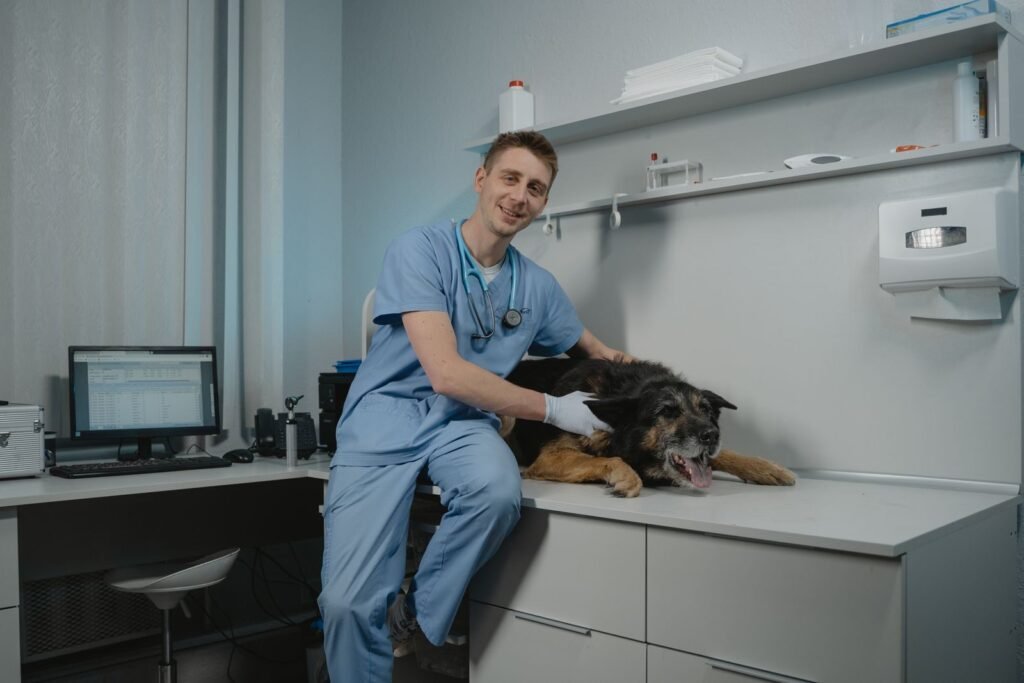
While hind-leg arthritis cannot currently be cured, a wide range of treatment strategies can substantially improve comfort and slow disease progression once the signs of arthritis in dogs back legs have been confirmed. Weight management is consistently identified as one of the most powerful interventions available, since even modest weight loss in an overweight dog can meaningfully reduce joint stress and improve mobility. Your veterinarian can help design an appropriate calorie-controlled diet alongside a structured, low-impact exercise plan tailored to your dog’s specific condition and limitations.
Pain and inflammation are typically managed through a combination of approaches. Veterinary-prescribed non-steroidal anti-inflammatory drugs (NSAIDs) remain a common first-line treatment, while newer monoclonal antibody injections developed specifically for canine osteoarthritis pain offer an effective alternative for dogs who cannot tolerate traditional NSAIDs due to kidney, liver, or gastrointestinal sensitivities. Joint supplements containing glucosamine, chondroitin, and omega-3 fatty acids are widely used to support cartilage health and reduce inflammation, generally working best as part of a broader, multimodal treatment approach rather than as a standalone fix.
Physical rehabilitation plays an especially important role in managing hind-leg arthritis, since the hips, knees, and hocks rely heavily on supportive muscle mass to function well. Hydrotherapy, in particular, allows dogs to exercise and rebuild strength in a low-impact, buoyant environment that minimizes pain while maximizing muscle engagement. Therapeutic laser treatment, controlled stretching, and structured rehabilitation exercises can further improve range of motion and reduce compensatory strain elsewhere in the body. For dogs with severe joint instability — such as advanced hip dysplasia or a torn cruciate ligament — surgical options, including total hip replacement or cruciate ligament repair, may offer significant long-term improvement when conservative management alone is insufficient.
Home modifications also meaningfully support dogs living with hind-leg arthritis. Non-slip rugs or runners on hardwood and tile floors prevent painful slipping, which can otherwise cause sudden, sharp joint strain. Ramps or pet stairs eliminate the need for jarring jumps into vehicles or onto furniture, and an orthopedic memory foam bed reduces pressure on sore hips and knees during rest. Raised food and water bowls can also reduce strain on the hindquarters during normal daily activities like eating and drinking.
Preventing and Slowing Hind-Leg Arthritis
Although genetics and developmental joint conditions cannot always be avoided, there is a great deal owners can do throughout a dog’s life to reduce the risk and severity of hind-leg arthritis. Maintaining a lean body condition from puppyhood through the senior years is repeatedly cited by veterinary researchers as one of the single most effective protective measures available. Overfeeding large-breed puppies, in particular, can place excessive stress on developing hip and knee joints before they are fully mature, so working with your veterinarian to establish an appropriate, controlled growth rate is especially important for breeds prone to hip dysplasia.
Regular, low-impact exercise — such as daily leash walks and swimming — helps build and preserve the muscle mass that supports the hips, knees, and hocks, without subjecting those joints to the repetitive, high-impact stress associated with activities like jumping from heights or running at full speed on hard pavement. Limiting jumping on and off furniture or out of vehicles, particularly in puppies and dogs already known to be at risk, can further reduce cumulative strain on the hind end over time.
Routine veterinary wellness exams that include a basic orthopedic assessment allow potential joint issues to be identified well before the more obvious signs of arthritis in dogs back legs become apparent at home. For breeds with a known predisposition to hip dysplasia, some veterinarians recommend early hip screening, such as a PennHIP evaluation, which can identify dogs at higher risk before significant arthritis develops, allowing for earlier, more targeted intervention. Nutritional support with joint-protective supplements, introduced under veterinary guidance, may also offer some benefit, particularly for dogs with known risk factors or a family history of hip or knee problems.
Ultimately, consistent observation is one of the most powerful preventive tools an owner has. Because hind-leg arthritis develops gradually and dogs are remarkably skilled at concealing discomfort, the gap between catching the disease in its earliest, most treatable stage and discovering it only once it has become advanced often comes down to how closely an owner notices small, incremental changes in their dog’s everyday movement, posture, and behavior.
Frequently Asked Questions
How do you treat arthritis in dogs back legs? Treatment generally combines weight management, veterinarian-prescribed pain relief and anti-inflammatory medication, joint supplements, physical rehabilitation such as hydrotherapy, and home modifications like ramps, orthopedic bedding, and non-slip flooring. Severe cases involving hip dysplasia or cruciate ligament tears may require surgery.
How long can a dog live with arthritis in back legs? Arthritis itself is rarely life-threatening, and with proper management, dogs can live many comfortable years with the condition. Overall life expectancy depends more on age, breed, and general health than on arthritis alone, though severe, unmanaged cases can significantly affect quality of life.
What are the first signs of arthritis in dogs? Early indicators include mild stiffness after rest that improves with movement, reluctance to jump or climb stairs, decreased enthusiasm for exercise, and subtle licking or chewing around the hips or knees.
What are the four stages of arthritis in dogs? Veterinarians generally describe arthritis progression as mild (intermittent stiffness with normal function), moderate (regular limping and reduced mobility), severe (significant pain, muscle loss, and difficulty moving), and end-stage (severe, persistent pain with major mobility limitations affecting daily life).
At what age do dogs usually get arthritis? Arthritis is most common in dogs over seven years old, but it can develop much earlier — sometimes before age two — in large breeds with developmental hip or knee conditions.
What is the silent killer of dogs? This term is often used informally for conditions like cancer or heart disease that progress with few early symptoms; while arthritis isn’t typically described this way, its subtle progression makes early detection just as important.
What is the fastest way to relieve arthritis pain in dogs? Veterinarian-prescribed NSAIDs or newer injectable pain medications usually offer the fastest relief and should always be used under professional supervision alongside longer-term management strategies.
What are signs your dog is going to pass away? Signs that may indicate a dog is nearing the end of life include extreme lethargy, loss of appetite, labored breathing, incontinence, and a significant decline in responsiveness; these are general indicators and should always be discussed with a veterinarian rather than self-diagnosed.
What dog breeds are prone to arthritis? Large and giant breeds — including Labrador Retrievers, German Shepherds, Golden Retrievers, Rottweilers, and Bernese Mountain Dogs — are particularly predisposed due to higher rates of hip dysplasia and joint stress from greater body weight.
What worsens arthritis in dogs? Excess body weight, cold and damp weather, high-impact activity such as repetitive jumping, and lack of consistent low-impact exercise can all worsen arthritis symptoms and accelerate joint deterioration.
Can arthritis in dogs come on suddenly? While the underlying joint degeneration develops gradually, a flare-up of pain can appear to come on suddenly, often triggered by overexertion, an injury, or a sudden drop in temperature.
What do vets recommend for dogs with arthritis? Most veterinarians recommend a multimodal approach combining weight management, appropriate pain medication, joint supplements, physical rehabilitation, and supportive home modifications, tailored to the individual dog’s severity and overall health.
Watch: Understanding Hind Leg Arthritis in Dogs
For a visual demonstration of how these hind-leg symptoms present in real dogs, this video offers a helpful overview: “How Can You Tell if Your Dog Has Arthritis: Top 10 Symptoms.” Check below
Conclusion
Learning to recognize the signs of arthritis in dogs back legs equips you to act early, when treatment options are most effective and your dog’s quality of life can be best preserved. From subtle morning stiffness and hesitation before jumping, to more advanced indicators like bunny hopping, visible muscle loss, and difficulty rising, every change in how your dog moves carries meaningful information. Because dogs are naturally inclined to mask pain, a proactive veterinary evaluation at the first sign of unusual stiffness or reluctance is always the safest path forward. With an accurate diagnosis and a well-rounded management plan that includes weight control, appropriate medication, physical rehabilitation, and thoughtful home adjustments, dogs with hind-leg arthritis can continue to enjoy active, comfortable, and joyful lives well into their senior years. Staying attentive to the small signals your dog gives you remains the most powerful tool you have in protecting their long-term mobility and wellbeing.
Sources:
- American College of Veterinary Surgeons (ACVS) — Osteoarthritis in Dogs
- “Prevalence, duration and risk factors for appendicular osteoarthritis in a UK dog population under primary veterinary care,” National Center for Biotechnology Information (NIH) — PMC Research Article
Information Disclaimer :
The content shared in this article is created to provide general knowledge about dog health topics. It should not be used as a replacement for veterinary examination, medical advice, or treatment. If you have concerns about your dog’s wellbeing, symptoms, or behaviour, seek guidance from a licensed veterinarian.


