
The world of shepherd mix dog breeds offers a fascinating blend of intelligence, loyalty, and versatility, making these dogs some of the most sought-after companions in the United States. By crossing the renowned German Shepherd with other popular breeds, breeders and rescues have created unique hybrids that often inherit the best traits of their parents, such as the focused nature of the shepherd and the friendly disposition of a retriever or collie. According to the American Kennel Club, understanding the history and temperament of parent breeds is essential for potential owners to ensure a harmonious household.
Why Owners Choose Shepherd Mixes
Many families gravitate toward these hybrids because they offer a balanced approach to companionship. Whether it is for protection, agility, or simply having a devoted friend, these dogs consistently impress their owners with their trainability and work ethic.
Key reasons for their popularity include:
- Enhanced Temperament: Many shepherd mix dog breeds display a more balanced energy level compared to purebreds.
- Adaptability: These dogs often transition well between active outdoor play and quiet indoor lounging.
- Unique Aesthetics: The physical appearance of a shepherd mix can vary wildly, providing owners with a truly one-of-a-kind pet.
Important Considerations
Before bringing a shepherd mix into a home, owners must recognize that these dogs often inherit double coats, which necessitate specific grooming routines. For those interested in the maintenance required for these resilient coats, detailed insights are available in this guide to German Shepherd coat types and care.
Prospective owners should also be mindful of the following health and lifestyle factors:
- High Mental Needs: These dogs require consistent mental stimulation to prevent boredom-induced behaviors.
- Genetic Health: Referencing resources like the Orthopedic Foundation for Animals can help potential owners understand common hereditary concerns.
- Training Dedication: Because of their high canine intelligence, they thrive when given a “job” or purpose, such as advanced obedience training or agility trials.
Ultimately, choosing from the variety of shepherd mix dog breeds is a significant commitment that rewards owners with unparalleled devotion and a capable, energetic partner ready for any adventure.
Key Takeaways
Selecting the right companion requires an understanding of the diverse traits found within shepherd mix dog breeds. These hybrids are celebrated for their sharp intellect and loyal nature, making them highly sought after by active households across the United States. Prospective owners should focus on the following core aspects when considering these dogs:
- Diverse Temperaments: Because these are mixed-breed dogs, their personalities can range from the intense protective instincts of a German Shepherd to the playful, social nature of a Labrador or Golden Retriever.
- High Activity Needs: Most shepherd mix dog breeds thrive when they have a job to do. Consistent physical exercise is essential to keep them mentally balanced and physically healthy.
- Grooming Demands: Many of these mixes inherit a dense double coat. Owners should familiarize themselves with proper German Shepherd coat maintenance to manage seasonal shedding effectively.
- Health Awareness: Due to their heritage, owners must monitor for common orthopedic concerns. Consulting resources from the Orthopedic Foundation for Animals can help prospective owners understand the risks of canine hip dysplasia.
- Training Necessity: These dogs are highly trainable, but they require firm, consistent, and positive reinforcement to channel their intelligence into productive behaviors.
When evaluating a dog, it is vital to remember that individual genetics vary. According to guidelines from the American Veterinary Medical Association, early socialization and routine veterinary care are the most effective ways to ensure a long and happy life for a mixed-breed canine. By prioritizing these key factors, owners can better prepare for the rewarding journey of bringing a shepherd hybrid into their home.
The Popularity of the German Shepherd Heritage
The enduring appeal of the German Shepherd has solidified its status as a foundational influence in the world of shepherd mix dog breeds. Because of their legendary work ethic, unwavering loyalty, and versatility, these dogs have become highly sought-after companions for American households. Whether acting as dedicated protectors or affectionate family members, their genetic blueprint often results in offspring that exhibit enhanced intelligence and a distinct “eagerness to please” that many owners find incredibly rewarding.
Understanding the German Shepherd Temperament
The temperament of a German Shepherd is defined by a unique combination of courage, confidence, and devotion. When observing these traits within various shepherd mix dog breeds, owners often note several consistent behavioral markers:
- High Intelligence: They are widely recognized as one of the smartest canine breeds, capable of learning complex commands with minimal repetition.
- Protective Instincts: They possess a natural “watchdog” persona, though this can be tempered through proper socialization.
- Loyalty: They are known to form deep, singular bonds with their primary human caregivers, often described as “velcro dogs.”
- Energy Levels: According to the American Kennel Club, this breed requires significant mental and physical activity to prevent boredom and anxiety.
Prospective owners should prioritize early socialization to ensure that these strong-willed traits are channeled into positive, well-adjusted adult behaviors.
Physical Traits Often Inherited
When breeders or rescue organizations discuss the physical makeup of these hybrids, they often reference the distinctive anatomy passed down from the German Shepherd lineage. Prospective owners interested in shepherd mix dog breeds should be prepared for specific aesthetic and functional characteristics:
- Coat Characteristics: These mixes frequently inherit a dense double coat. For those interested in the maintenance of these specific coats, you can explore this guide to German Shepherd coat types and care to better understand the grooming requirements involved.
- Athletic Build: Most mixes feature a sturdy, muscular frame designed for endurance and agility.
- Ear Carriage: While some puppies may inherit the upright, alert ears of the shepherd, others may display “semi-pricked” or floppy ears depending on the other parent breed.
- Size Variance: They typically fall into the medium-to-large size category, often requiring ample living space to accommodate their active lifestyle.
By understanding the genetic diversity inherent in these pairings, families can better predict the size and care requirements of their future pet. Proper research into the breed’s historical health data, often found via canine health information centers, can also provide a clearer picture of what to expect as the dog matures.

The Energetic Golden Shepherd
The Golden Shepherd is arguably one of the most beloved entries among shepherd mix dog breeds. By crossing the loyal German Shepherd with the friendly, outgoing Golden Retriever, breeders have created a hybrid that strikes a perfect balance between a vigilant guardian and a playful family companion. These dogs are highly sought after in the United States for their versatile nature and striking appearance, often inheriting the athleticism of their shepherd parent and the gentle disposition of the retriever.
Combining Intelligence and Affection
The Golden Shepherd is a standout because it blends two of the world’s most intelligent working breeds. This combination results in a dog that is:
- Eager to Please: They take well to training, often picking up complex commands faster than single-breed counterparts.
- Deeply Affectionate: Unlike some guard-oriented breeds, these mixes generally thrive on human companionship and are known for their “velcro” dog tendencies.
- Highly Intuitive: They are masters at reading their owner’s emotions, making them excellent candidates for therapy work.
Owners should prioritize early socialization to ensure these intelligent animals remain well-rounded and confident in various environments. Because they have thick, weather-resistant coats, learning the specifics of German Shepherd coat types and care is often beneficial for Golden Shepherd owners to manage seasonal shedding.
Exercise Needs for Active Families
Because this hybrid is a high-energy dog, it is not well-suited for sedentary lifestyles. Prospective owners must understand that to maintain a healthy dog temperament, these animals require a structured physical routine.
- Daily Requirements: They typically need at least 60 to 90 minutes of vigorous activity every day.
- Suggested Activities:
- Hiking and Trail Running: Their endurance makes them perfect partners for outdoor enthusiasts.
- Fetch and Agility Training: These activities tap into their natural retrieve and herding instincts.
- Interactive Play: Mental exhaustion is just as important as physical exhaustion for this breed.
According to research from the National Institutes of Health, maintaining a consistent exercise regimen significantly reduces the risk of obesity and behavioral issues in large, high-energy breeds. Without an outlet for their energy, Golden Shepherds may develop destructive habits, so commitment to their daily activity needs is essential for a harmonious household.
The Loyal Shollie: Shepherd and Collie Mix
The Shollie, a striking cross between a German Shepherd and a Border Collie or Rough Collie, stands out as one of the most intelligent and devoted shepherd mix dog breeds. Renowned for their uncanny ability to pick up commands, these dogs are the perfect companion for active owners who prioritize a working partnership with their pet. Because they combine the protective nature of the German Shepherd with the legendary focus of the Collie, they are often considered top-tier candidates for agility, obedience, and search-and-rescue tasks. For those interested in understanding the lineage of such high-energy companions, the American Kennel Club provides extensive resources on breed standards and history.
Herding Instincts and Training
Because both parent breeds were historically developed for farm labor, the Shollie possesses a strong, natural instinct to organize and herd. This can sometimes translate to “nipping” at heels during play, which requires structured training to manage.
- Positive Reinforcement: These dogs thrive on rewards-based training. Using high-value treats and praise is far more effective than punitive methods.
- Mental Engagement: They require more than just physical exercise; they need a “job.” Puzzle toys, scent work, and advanced obedience training satisfy their high cognitive demands.
- Socialization: Early exposure to various environments and strangers is crucial to ensure their natural protective instinct remains balanced and doesn’t turn into excessive suspicion.
- Training Consistency: According to research published by PubMed, consistent positive reinforcement is essential for the long-term cognitive health and behavioral stability of working-class dog breeds.
Grooming Requirements for Long-Haired Mixes
Many Shollies inherit the thick, double-layer coats of their parents, which provides protection against the elements but necessitates a regular maintenance schedule. If you are looking for advice on managing dense double coats, this comprehensive resource covers the essential tools and techniques required to prevent matting.
Proper care for these long-haired coat types typically includes:
- Weekly Brushing: A sturdy slicker brush or undercoat rake is necessary at least 2–3 times a week to remove loose fur.
- Seasonal Shedding: During spring and fall, expect significantly higher levels of shedding as they “blow” their undercoats. During these periods, daily brushing is highly recommended.
- Bath Frequency: They generally do not require frequent bathing unless they have rolled in something messy; over-washing can strip essential oils from their skin.
- Health Maintenance: Regular grooming sessions serve as a great time to check for ticks, skin irritation, or debris that might be trapped in their fur.
By keeping up with these grooming demands, owners help ensure their Shollie remains comfortable, clean, and healthy throughout the changing seasons.
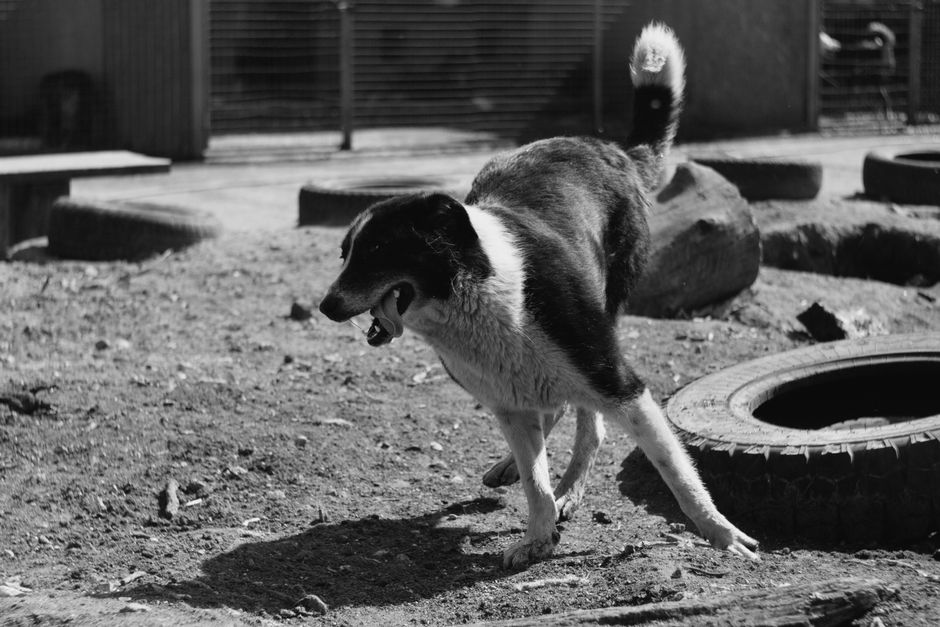
The Sturdy Labrashepherd
The Labrashepherd, often referred to as a Shepherdador, is a powerhouse in the world of shepherd mix dog breeds. By combining the unwavering loyalty of a German Shepherd with the approachable, fun-loving nature of a Labrador Retriever, these dogs have become a favorite for active American families. They are celebrated for their sturdy build and their ability to transition between a focused working dog and a calm household companion. For those researching the best grooming practices for shepherd coats, it is important to note that this mix often inherits a thick, double-layer coat that requires consistent maintenance to keep healthy.
Personality Traits of the Lab-Shepherd Blend
When considering shepherd mix dog breeds, the Labrashepherd stands out due to its balanced temperament. Their personality is a unique synthesis of two highly intelligent working groups.
Key personality traits often include:
- High Intelligence: They learn commands rapidly and thrive when given a “job” to do, whether it is fetching the morning newspaper or mastering complex agility courses.
- Affectionate Demeanor: Inheriting the “people-pleasing” nature of the Lab, they are usually very bonded to their human families.
- Protective Instincts: While they are generally friendly, they often retain the natural alertness of the Shepherd, making them excellent, albeit gentle, watchdogs.
- Playful Energy: Unlike some more reserved herding breeds, the Labrashepherd usually maintains a “puppy-like” spirit well into their adult years.
Prospective owners should consult the American Kennel Club for more information on the foundational behavioral traits found in both parent breeds.
Socialization and Temperament Testing
Proper socialization is the cornerstone of raising a well-adjusted Labrashepherd. Because these dogs possess strong protective instincts, it is vital to expose them to various environments, people, and other animals during their formative months.
To ensure a balanced temperament, owners should focus on the following:
- Early Exposure: Introduce the dog to loud noises, different surfaces, and diverse groups of people to prevent skittishness.
- Positive Reinforcement: Utilizing reward-based training helps curb any stubbornness while strengthening the bond between pet and owner.
- Professional Temperament Testing: Many reputable trainers utilize the Canine Good Citizen program standards to evaluate a dog’s stability and reaction to external stimuli.
- Structured Play: Regular interaction with other dogs in a controlled setting helps them learn appropriate play manners, which is essential for this robust and often physically strong hybrid.
By prioritizing consistent training and socialization, owners can help their Labrashepherd reach its full potential as a steady and reliable family companion.
Small to Medium Shepherd Hybrids
While many prospective owners associate the German Shepherd with a large, imposing frame, there is a growing interest in smaller shepherd mix dog breeds. By crossing a Shepherd with a smaller, companion-oriented breed, breeders have developed hybrids that retain the intelligence and loyalty of the Shepherd in a more compact package. These smaller variations are perfect for individuals who admire the breed’s character but require a pet that fits a more modest lifestyle. Understanding the nuances of these miniature dog breeds can help families determine if a downsized hybrid is the right fit for their home.
The Mini Shepherd Appeal
The appeal of a smaller hybrid lies in the blend of high-level intuition and manageable size. These dogs often exhibit the “Velcro” nature of a shepherd, consistently wanting to be close to their owners, while their smaller stature makes them easier to manage during walks or in social settings.
- Intelligence: They maintain the problem-solving capabilities of their shepherd lineage, often excelling in canine agility and obedience tasks.
- Affability: Many smaller crosses lean into the personality traits of their secondary parent breed, often resulting in a more social and approachable demeanor.
- Health and Longevity: According to resources from the American Kennel Club, smaller dogs often enjoy longer lifespans, which is a major factor for families looking for a long-term companion.
Because these dogs often carry the thick, double coat of a shepherd, owners should refer to this guide on German Shepherd coat care to manage grooming effectively.
Adaptability to Apartment Living
Integrating a shepherd mix into an urban environment requires careful consideration of energy levels and spatial needs. While a full-sized shepherd might struggle in a small apartment, smaller shepherd mix dog breeds can thrive if their needs for mental enrichment are met.
- Spatial Requirements: Because they are physically smaller, they can navigate tighter living quarters without the clumsiness often associated with larger breeds.
- Exercise Intensity: While they require daily activity, a 30-minute brisk walk combined with indoor puzzle toys can often satisfy their physical and mental requirements.
- Barking Management: Like many herding-derived dogs, they may be prone to alerting their owners to noise. Early training is essential to prevent apartment disturbances.
Research regarding canine behavior provided by the National Institutes of Health suggests that early socialization is the primary driver of success when transitioning high-energy breeds into confined living spaces. By providing structured routine and consistent training, even the most energetic shepherd hybrid can become a model apartment resident.

Health Considerations for Shepherd Mixes
When considering adding a companion to the home, understanding the health profile of shepherd mix dog breeds is vital for long-term wellness. While mixed breeds are often celebrated for “hybrid vigor,” they can still inherit specific predispositions from their parent lines. Being proactive about veterinary care and understanding common canine hereditary diseases can significantly enhance a dog’s quality of life. Owners should prioritize routine physical exams to catch potential issues early.
Common Joint and Hip Issues
Many shepherd mix dog breeds are predisposed to musculoskeletal concerns due to their size and physical activity levels. Responsible owners should keep a close watch on their dog’s gait and mobility as they age.
- Hip Dysplasia: This remains one of the most prevalent conditions in larger shepherd crosses. It occurs when the hip joint doesn’t fit together perfectly, eventually leading to arthritis.
- Elbow Dysplasia: Similar to hip issues, this involves abnormal development in the elbow joint, often leading to lameness.
- Osteoarthritis: Because these dogs are often athletic, wear and tear on joints can occur. Keeping a dog at a healthy weight is the best defense against joint stress.
According to the Orthopedic Foundation for Animals, early screening is essential for managing these structural risks. Maintaining a consistent, low-impact exercise routine can help support joint health throughout the dog’s life.
Genetic Screening Importance
To ensure the best outcomes, prospective owners should look into the lineage of their pets. Understanding the underlying German Shepherd dog coat types and care is just the start; knowing the genetic background is equally important.
- DNA Testing: Utilizing services like the AKC Canine Health Foundation resources can help owners identify markers for inherited conditions.
- Degenerative Myelopathy: This is a progressive disease of the spinal cord that is unfortunately common in the German Shepherd lineage. Genetic testing allows owners to understand if their dog is a carrier.
- Bloat (GDV): Gastric Dilatation-Volvulus is a life-threatening condition where the stomach twists. While genetics play a role, lifestyle factors like feeding frequency and activity levels immediately after meals are critical management points.
- Eye Disorders: Conditions such as cataracts or progressive retinal atrophy can be screened for by a veterinary ophthalmologist to maintain long-term vision health.
By focusing on preventive care and early diagnostics, owners can provide the support necessary for these intelligent dogs to lead full, active lives.
Training Tips for High-Intelligence Breeds
Training shepherd mix dog breeds requires a strategic approach that honors their high level of cognitive function. Because these dogs are often bred from working lineages, they thrive when given clear directives and consistent boundaries. Owners should focus on establishing a strong bond through structured daily routines, as these dogs are quick to learn and equally quick to become bored if their mental needs are ignored. Understanding proper coat care and maintenance is just one aspect of their care; behavioral development is equally essential for a well-adjusted pet.
Positive Reinforcement Techniques
High-intelligence dogs respond significantly better to reward-based training than to punitive methods. Utilizing positive reinforcement ensures the dog associates learning with favorable outcomes, which fosters a deeper sense of trust.
- High-Value Rewards: Use small pieces of lean chicken or freeze-dried liver to capture their attention during training sessions.
- Consistency is Key: Commands should remain the same across all family members to avoid confusion.
- Keep Sessions Short: To prevent frustration, aim for 10–15 minute training intervals multiple times per day.
- Patience: According to the American Kennel Club, consistent, short training sessions are more effective than long, infrequent drills for maintaining a dog’s focus.
Mental Stimulation and Enrichment
Physical exercise is only half the battle when caring for shepherd mix dog breeds. Without adequate mental challenges, these clever canines may develop destructive behaviors as an outlet for their unspent energy. Providing consistent mental stimulation is necessary to keep their minds sharp and their temperament stable.
- Puzzle Toys: Invest in high-quality interactive feeders or treat-dispensing puzzles that require the dog to solve a problem to receive their meal.
- Scent Work: Hide treats around the home or backyard to tap into their natural tracking instincts.
- Advanced Obedience: Enroll in formal training classes or look into resources from the National Association of Canine Scent Work to provide a structured outlet for their intelligence.
- Agility Training: Setting up basic obstacles in the yard helps combine physical movement with the mental requirement of navigating a complex path.
By prioritizing these specialized training techniques, owners can ensure their intelligent companions remain happy, engaged, and well-behaved members of the household.

Frequently Asked Questions
When considering the addition of a new canine companion to the household, prospective owners often have several inquiries regarding shepherd mix dog breeds. Understanding the unique needs and behaviors of these intelligent crosses is essential for fostering a harmonious environment. The following answers address common concerns regarding temperament, physical activity, and maintenance.
Are shepherd mixes good family dogs?
Yes, many shepherd mix dog breeds are excellent family companions. Their high level of intelligence and inherent loyalty make them deeply devoted to their human pack.
- Social Nature: Most mixes thrive when integrated into family activities and tend to form strong bonds with children.
- Protective Instincts: They are naturally watchful, which can be an asset for home security.
- Early Training: Experts at the American Kennel Club emphasize that early puppy socialization is crucial for ensuring these dogs are well-adjusted around strangers and other pets.
- Individual Variation: Because they are mixed breeds, temperament can vary; observing the dog’s specific personality is always recommended before adoption.
How much exercise do these mixes require daily?
Because these dogs are often bred from working lineages, they generally possess high energy levels. Most shepherd mix dog breeds require at least 60 to 90 minutes of active exercise per day to remain healthy and well-behaved.
- Physical Activity: This should include a combination of brisk walking, jogging, or fetch in a secure, fenced area.
- Mental Stimulation: Physical exercise alone is rarely enough. Engaging their minds through puzzle toys, obedience training, or scent work is vital to prevent boredom-induced destructive behaviors.
- Health Benefits: Consistent exercise helps prevent obesity and supports long-term joint health, a standard recommendation provided by the Association for Pet Obesity Prevention.
Do shepherd mixes shed a lot?
Most shepherd mix dog breeds are heavy shedders, particularly during the spring and fall. Their coats often feature a dense undercoat designed for protection against the elements.
- Grooming Routine: Owners should plan for frequent brushing to manage loose hair and prevent matting.
- Coat Management: For those looking to understand the specific grooming needs of their pet, reading a complete guide to German Shepherd dog coat types and care is highly beneficial.
- Vacuuming Requirements: Prospective owners should be prepared to increase their frequency of house cleaning, as their double coats tend to leave significant amounts of fur on furniture and floors.
Choosing the Right Rescue Organization
Adopting a dog is a life-changing commitment, and selecting the right rescue group is the first step toward a successful transition. When searching for shepherd mix dog breeds, prospective owners should prioritize organizations that perform thorough behavioral assessments and health screenings. Utilizing resources from the American Society for the Prevention of Cruelty to Animals (ASPCA) can help individuals identify legitimate organizations that prioritize animal welfare over profit. By partnering with a reputable rescue, adopters can gain valuable insights into the dog’s personality, ensuring the animal is a good match for their lifestyle.
Finding Reputable Breed-Specific Rescues
Breed-specific rescues often provide the best environment for those looking for shepherd mix dog breeds. These organizations usually rely on foster networks, meaning the dogs live in home environments rather than kennel settings. This allows foster parents to observe the animal’s temperament in real-time.
- Foster-Based Care: These rescues are often the most knowledgeable about a dog’s specific quirks and social needs.
- Networking: Reputable rescues frequently collaborate with local shelters to pull at-risk dogs, providing them with a safety net.
- Expertise: Because they focus on specific lineages, these groups are often experts in understanding German Shepherd coat types and care, which is essential for grooming maintenance.
- Vetting Standards: Always look for organizations that ensure all dogs are spayed/neutered and up-to-date on vaccinations before adoption, consistent with guidelines from the American Veterinary Medical Association (AVMA).
What to Ask Before Adoption
Before finalizing an adoption, potential owners should engage in a transparent conversation with the rescue coordinator. Asking the right questions helps prevent future compatibility issues and ensures the dog receives the care it deserves.
- Behavioral History: Has the dog been tested for cat or small-animal prey drive?
- Medical Records: Does the dog have any documented history of hip dysplasia or other common genetic concerns found in shepherd mix dog breeds?
- Training Levels: What level of basic obedience training has the dog already received?
- Trial Period: Does the organization offer a trial period to allow the dog and the household to acclimate?
- Return Policy: What is the rescue’s protocol if the adoption does not work out for unforeseen reasons?
By focusing on these key criteria, adopters can feel confident that they are making a responsible choice, supporting ethical rescue practices while finding a loyal, loving canine companion.

Conclusion on Owning Shepherd Mix Dog Breeds
Deciding to welcome a canine companion into the home is a significant commitment, and choosing among the various shepherd mix dog breeds requires careful consideration of their unique energy levels and intellectual needs. These dogs are celebrated for their loyalty, protectiveness, and brilliance, making them highly rewarding pets for active households that can provide structure and daily engagement. Prospective owners should approach the decision with a focus on long-term compatibility, ensuring their lifestyle aligns with the high demands of these intelligent animals.
Key Factors for Success
To ensure a harmonious life with a shepherd hybrid, owners should prioritize the following areas:
- Consistent Training: Due to their sharp minds, these dogs thrive on positive reinforcement techniques that challenge them mentally.
- Active Engagement: Whether through agility training or long daily hikes, regular physical exercise is non-negotiable for their health and well-being.
- Proper Maintenance: Understanding specific grooming needs, such as those detailed in this comprehensive guide to German Shepherd coat types, is essential for keeping their skin and fur in top condition.
- Preventative Healthcare: Because many shepherd mix dog breeds are prone to joint issues, consulting with a veterinarian about preventative care and genetic screening is a vital step for any responsible pet parent.
Final Considerations Before Adoption
Owning a dog is a lifelong promise that extends far beyond the initial “puppy phase.” When looking for the perfect match, potential owners should reflect on these concluding points:
- Assess Your Living Space: Ensure the environment is suitable for a dog that requires significant mental stimulation.
- Commit to Socialization: Early exposure to various environments and people is critical for raising a well-adjusted, confident dog.
- Evaluate Your Schedule: If the household remains empty for long periods, these breeds may experience anxiety; they generally do best in homes where they are included in family activities.
Ultimately, those who invest the time in proper care and training will find that these hybrids offer an unparalleled bond. By selecting a companion through reputable channels and committing to their specific needs, owners can look forward to years of companionship with some of the most capable and devoted dogs available.


