German Shepherds are known for their loyalty, intelligence, strength, and deep bond with their families. They often become more than just pets, becoming trusted companions who share many years of life with their owners. As German Shepherds grow older or develop serious health conditions, many owners begin to worry about their quality of life and ask questions like, signs my german shepherd is dying and how they can recognise when their beloved companion is approaching the end of life.
Understanding the natural ageing process and recognising changes in behaviour, appetite, movement, and overall health can help owners provide comfort and appropriate care. Every dog is different, and some symptoms may be caused by illness rather than the dying process, so veterinary guidance is always important. According to the American Animal Hospital Association (AAHA), regular veterinary care plays an important role in detecting health problems early and supporting pets throughout their lives.
This article explains the common warning signs, the possible causes, and what owners should know about the final stages of a German Shepherd’s life.
Signs My German Shepherd Is Dying: Common Physical and Behavioural Changes
When a German Shepherd reaches the end of its life due to old age, severe illness, or cancer, the body gradually begins to slow down. The changes may happen over days, weeks, or sometimes months depending on the dog’s condition. Recognising these signs can help owners make informed decisions and provide comfort.
One of the most noticeable signs my german shepherd is dying is a significant decrease in energy and interest in normal activities. A dog that once enjoyed long walks, playing, greeting family members, or exploring the yard may become tired easily and prefer resting most of the day. Older German Shepherds naturally slow down, but a sudden loss of energy may indicate that their body is struggling.
Another common change is a loss of appetite or refusal to eat. Many dogs near the end of their life lose interest in food because their metabolism changes, organs may not function properly, or they may feel weak and uncomfortable. While skipping a meal occasionally is not always serious, a continued refusal to eat should be discussed with a veterinarian.
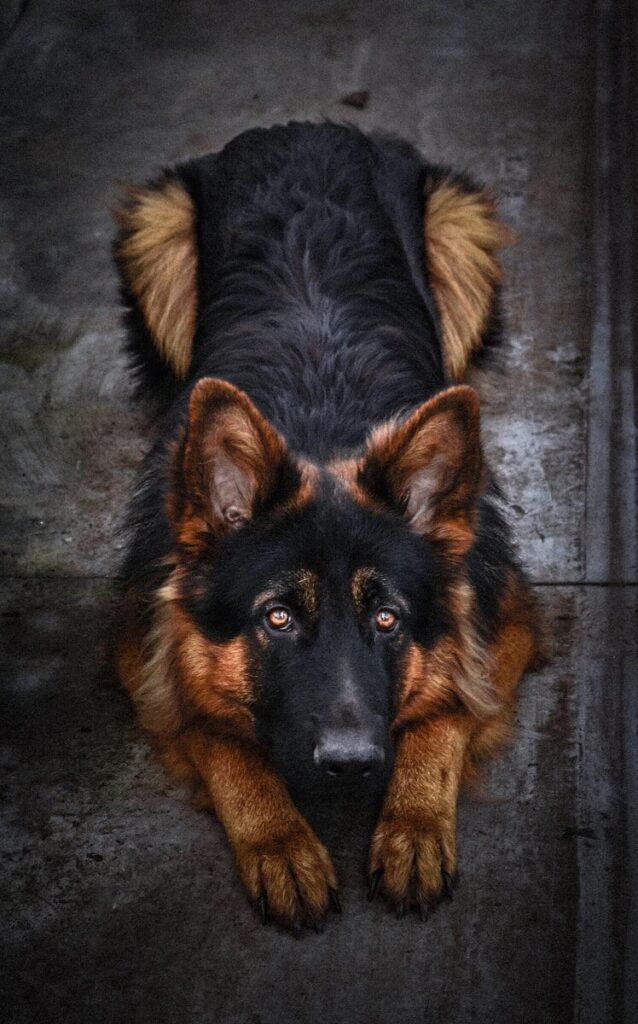
Changes in breathing are also important to monitor. Some dogs may develop slower, irregular, or laboured breathing during their final days. Heavy breathing without exercise, coughing, or difficulty getting comfortable can indicate that the dog is experiencing distress.
Signs Your Dog Is Dying of Old Age
Ageing is a natural process, and German Shepherds typically experience physical changes as they become senior dogs. Most German Shepherds live around 9 to 13 years, although individual health, genetics, and lifestyle can influence lifespan.
One of the major signs your dog is dying of old age is a gradual decline in mobility. A senior German Shepherd may struggle to stand up, climb stairs, jump onto furniture, or walk for long periods. Arthritis, muscle loss, and joint problems are common in older dogs, especially large breeds.
Older dogs may also experience confusion or changes in awareness. Some may appear lost in familiar places, stare at walls, sleep during unusual times, or seem less responsive. These behaviours can sometimes be associated with canine cognitive decline, which is similar to dementia in humans.
Aging dogs often sleep much more than they did before. Increased sleeping alone does not always mean a dog is dying, but when combined with weakness, loss of appetite, and reduced interaction, it may indicate that the body is slowing down.
Another common sign is losing control over urination or bowel movements. A previously trained dog may begin having accidents because of weakened muscles, reduced mobility, or changes in organ function.
Ten Signs Your Dog Is Dying
There are several important changes that may indicate a dog is approaching the final stage of life. These symptoms can appear differently depending on the dog’s health condition.
- The first major sign is extreme weakness. A dog may struggle to stand, walk, or maintain balance even for short distances. This happens because the body has less energy available and muscles may become weaker.
- A second sign is a noticeable withdrawal from family members. Some dogs become quieter and prefer to stay alone, while others may become more dependent and want constant comfort.
- A third sign is refusing food and water. A dying dog may gradually stop eating because the body no longer requires the same amount of energy.
- A fourth sign is difficulty breathing. Rapid breathing, slow breathing, shallow breaths, or unusual breathing patterns may occur near the end of life.
- A fifth sign is loss of interest in favourite activities. A dog that once enjoyed toys, walks, treats, or attention may no longer respond in the same way.
- A sixth sign is changes in body temperature. The paws, ears, or body may feel unusually cold because circulation slows.
- A seventh sign is reduced grooming. Dogs naturally keep themselves clean, but a sick or dying dog may stop caring about grooming.
- An eighth sign is frequent sleeping and reduced awareness. The dog may spend most of the day resting and appear less interested in surroundings.
- A ninth sign is pain or discomfort. Whining, restlessness, hiding, shaking, or difficulty finding a comfortable position may indicate suffering.
- A tenth sign is a general decline in quality of life where good days become fewer than difficult days.
Signs My German Shepherd Is Dying of Cancer
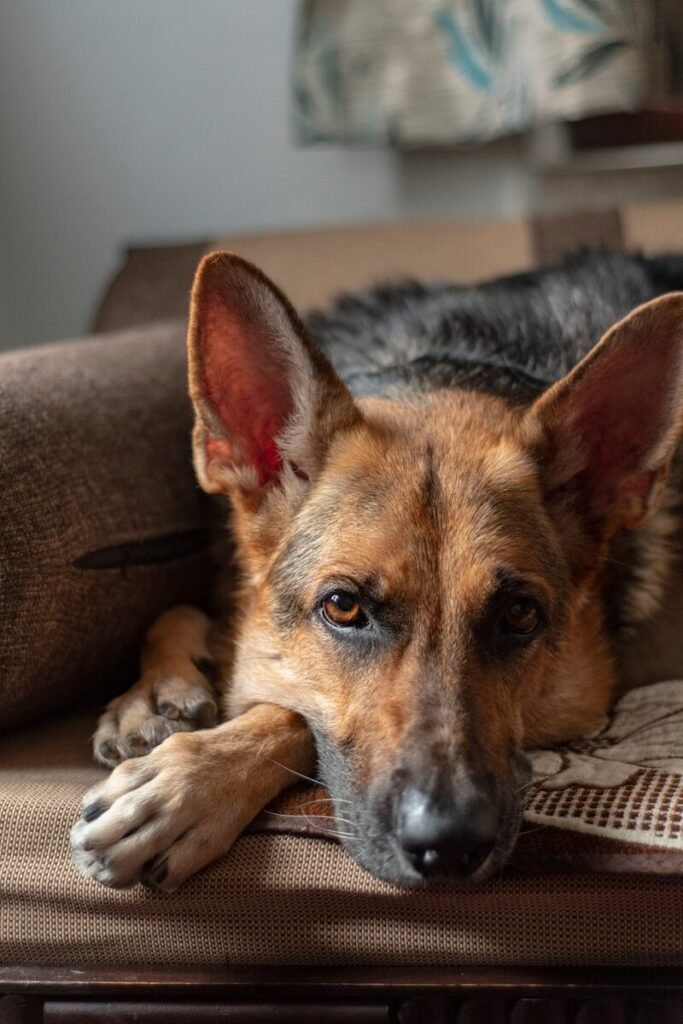
Cancer is unfortunately one of the serious health conditions that can affect older German Shepherds. Some cancers progress slowly, while others can cause rapid decline. Many owners search for signs my german shepherd is dying of cancer when their dog has been diagnosed or begins showing unusual symptoms.
Cancer-related symptoms can include unexplained weight loss, even when the dog appears to eat normally. The body may struggle to maintain muscle and energy because cancer changes normal biological processes.
Lumps or unusual growths are another possible warning sign. Not every lump is cancer, but any new, growing, painful, or changing mass should be examined by a veterinarian.
Persistent vomiting, diarrhoea, coughing, bleeding, or difficulty breathing may also occur depending on the location and type of cancer. These symptoms do not automatically mean a dog is dying, but they require professional assessment.
A dog with advanced cancer may experience severe tiredness and reduced interest in normal activities. They may stop playing, avoid movement, or spend most of their time resting.
The National Cancer Institute provides general information about cancer and disease processes, and veterinary professionals can help determine how cancer affects an individual pet.
Signs a Dog Is Dying of Cancer
When cancer reaches an advanced stage, the symptoms often become more noticeable. A dog may experience increasing weakness, pain, breathing difficulties, and reduced appetite.
Some dogs develop enlarged organs or internal changes that affect their ability to function normally. For example, cancers affecting the digestive system may cause appetite problems, while cancers affecting the lungs may create breathing difficulties.
Pain management becomes an important part of care during this stage. Veterinarians can provide guidance on keeping the dog comfortable and reducing unnecessary suffering.
How Do I Know If My Dog Is Dying or Just Sick?
Many owners struggle to understand whether their German Shepherd is experiencing a temporary illness or approaching the end of life. Some symptoms overlap, which makes professional evaluation important.
A sick dog may still show interest in food, family, toys, or activities after receiving treatment. A dog approaching the end of life often shows a continued decline despite care.
Temporary illnesses can improve with medication, rest, and treatment. However, when a dog consistently refuses food, cannot move comfortably, appears distressed, or loses interest in everything they once enjoyed, it may indicate a more serious condition.

Monitoring your dog’s daily behaviour can help identify changes. Keeping track of appetite, activity level, comfort, and mood can provide useful information for your veterinarian.
My Dog Is Dying How Long Does It Take?
Many owners ask, “my dog is dying how long does it take?” because they want to understand what to expect. Unfortunately, there is no exact timeline because every dog’s condition is different.
Some dogs decline slowly over several months due to chronic disease or old age. Others may experience a rapid decline over several days because of severe illness, organ failure, or advanced cancer.
The final stage may involve increased sleeping, reduced appetite, weakness, and less awareness of surroundings. During this period, the priority should be keeping the dog comfortable and reducing stress.
Veterinary advice is especially important if the dog appears to be suffering. A veterinarian can discuss available options and help owners make compassionate decisions based on the dog’s quality of life.
Warning Signs Dog Dying Process Timeline
The dying process is usually gradual, although the timeline varies. In the early stage, owners may notice reduced activity, slower movement, and changes in eating habits.
As the condition progresses, the dog may become weaker and spend more time resting. They may need assistance standing, walking, or going outside.
During the final stage, dogs may stop eating completely, have difficulty moving, and become less responsive. Some dogs seek comfort from their owners, while others prefer quiet spaces.
Providing a comfortable environment with soft bedding, easy access to water, and gentle companionship can make this period easier for both the dog and the family.
How to Comfort a German Shepherd Near the End of Life
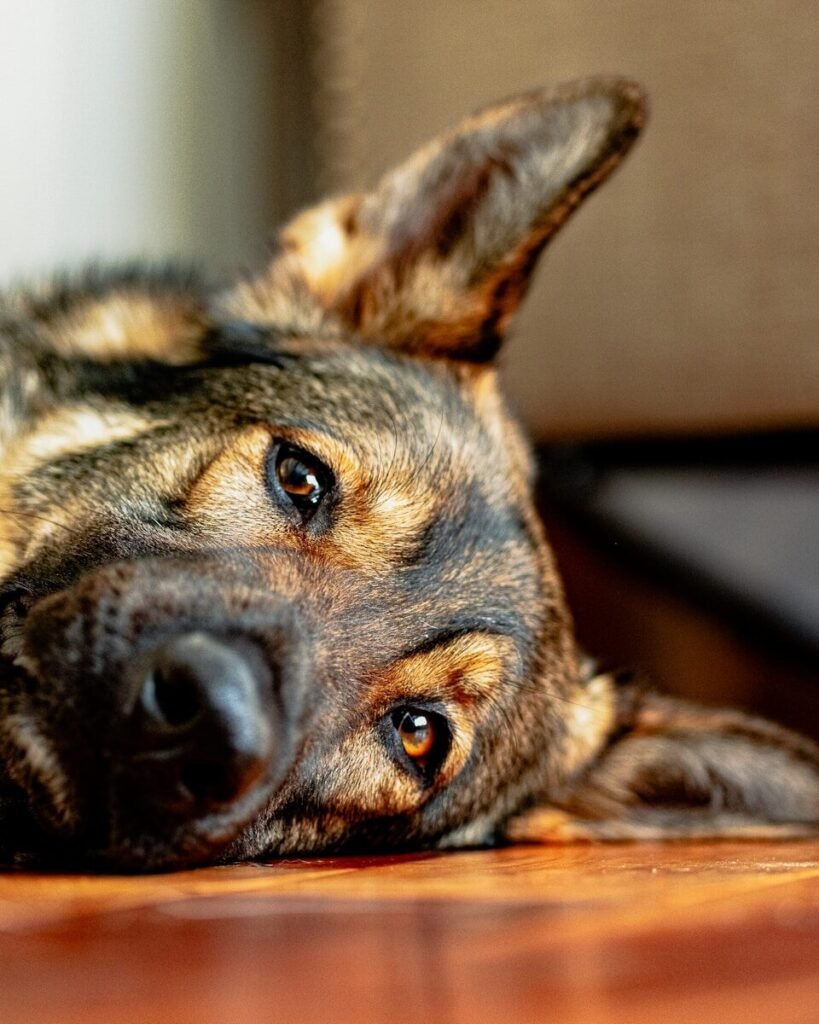
When a German Shepherd is reaching the end of life, emotional support and comfort become extremely important. Dogs recognise familiar voices and smells, so staying close can provide reassurance.
Creating a peaceful environment helps reduce anxiety. Avoid unnecessary changes, loud noises, or stressful situations. Keep their sleeping area warm and comfortable.
Pain management should always be discussed with a veterinarian. Never give human medication without veterinary approval because many common medicines can be dangerous for dogs.
Quality of life should remain the main focus. Consider whether your dog can still experience comfort, enjoy small moments, and have more positive experiences than difficult ones.
Conclusion
Understanding the signs my german shepherd is dying helps owners recognise when their companion may need extra care and support. Changes such as weakness, appetite loss, breathing problems, withdrawal, and reduced mobility can indicate that a dog’s health is declining.
Although seeing a German Shepherd reach the end of life is emotionally difficult, recognising the warning signs allows owners to focus on comfort, dignity, and quality time together. Every dog deserves kindness and care throughout their entire life, especially during their final days.
Veterinary support remains the best way to understand your dog’s condition and make decisions that prioritise their wellbeing. By paying attention to physical and emotional changes, owners can provide the love and comfort their German Shepherd needs during this important stage. Signs my german shepherd is dying are not just about recognising loss, but about ensuring your loyal companion receives the best possible care until the end.
Frequently Asked Questions (FAQs)
What do dogs do right before they pass away?
Dogs may become quieter, sleep more, lose interest in food, seek isolation, or stay close to their owners before passing away. Some dogs may also show changes in breathing, movement, or behaviour during their final stage.
What is the common cause of death in German Shepherds?
Common causes of death in German Shepherds include cancer, especially hemangiosarcoma, degenerative diseases, bloat (gastric torsion), and age-related health problems. Regular veterinary check-ups can help detect some issues earlier.
How to make an old dog comfortable when dying?
You can make an old dog comfortable by providing a warm, quiet place, soft bedding, fresh water, and gentle support. Spending calm time with them and following your veterinarian’s advice can help reduce stress and discomfort.
What to do when a pet is dying?
When a pet is dying, keep them comfortable, stay nearby, and monitor signs of pain or distress. Contact a veterinarian for guidance on pain management or end-of-life care options.
What are 5 physical signs of impending death in dogs?
Five common physical signs include extreme weakness, loss of appetite, difficulty breathing, reduced body temperature, and loss of bladder or bowel control. These signs can vary depending on the dog’s condition and should be discussed with a vet.
What is the silent killer in dogs?
Cancer is often called a silent killer in dogs because some types may develop without obvious symptoms until they become advanced. Other hidden conditions like heart disease can also progress quietly.
What is the last stage of German Shepherd?
The last stage of a German Shepherd’s life usually involves reduced energy, increased sleeping, less appetite, mobility problems, and changes in behaviour. The focus often shifts from treatment to comfort and quality of life.
How do dogs say goodbye?
Dogs do not say goodbye in the human sense, but they may show affection by staying close, seeking comfort, giving gentle attention, or following their owner around. Their behaviour may change as they become weaker.
How do German Shepherds say “sorry”?
German Shepherds may appear to apologise by showing submissive behaviours such as lowering their head, avoiding eye contact, gently approaching, or offering affection. These actions are usually signs of trust and a desire to reconnect.