
The German Shepherd Dog is an iconic breed, renowned for its intelligence, loyalty, and versatility. As a companion or a working partner, owners often find themselves concerned about the gsd dog life span, seeking to understand how they can provide the best possible care for these noble animals throughout their years. Understanding the factors that influence longevity is the first step toward ensuring your dog enjoys a vibrant, healthy life.
Understanding Canine Longevity
While genetics play a significant role, the gsd dog life span is also heavily influenced by lifestyle choices, preventative medicine, and environmental factors. On average, German Shepherds live between 7 and 10 years, though many thrive well beyond this range with proactive care. To better understand the health benchmarks for large breeds, owners can reference guidelines from the American Veterinary Medical Association (AVMA), which provides essential resources on pet wellness.
Factors Influencing Your Dog’s Longevity
To maximize your companion’s time by your side, it is critical to focus on several key pillars of health:
- Nutrition: Large breeds require specialized nourishment to support bone development and immune function. Owners should consider high-quality dietary options specifically formulated for German Shepherds to manage sensitivities.
- Preventative Care: Consistent monitoring through annual check-ups is vital for early detection of conditions. The AKC Canine Health Foundation offers extensive research on inherited diseases that commonly affect the breed.
- Physical and Mental Health: Keeping a GSD active helps prevent obesity and cognitive decline, both of which are common triggers for a shortened gsd dog life span.
By focusing on these areas, owners move beyond mere survival and toward promoting optimal wellness, helping their German Shepherds maintain agility and joy well into their senior years.
Key Takeaways
Understanding the gsd dog life span is essential for any owner looking to provide the best possible quality of life for their loyal companion. While genetics play a significant role, proactive management of health and environment can help these working dogs reach their full potential.
Below are the critical factors that influence the longevity of German Shepherds:
- Average Longevity: Typically, these dogs live between 7 to 10 years, though many thrive longer with dedicated care.
- Proactive Nutrition: Providing high-quality food specifically formulated for large breeds is vital to support structural health and energy levels throughout their life stages.
- Preventative Veterinary Care: Regular check-ups are paramount. According to the American Veterinary Medical Association, consistent wellness exams allow for the early detection of age-related conditions.
- Joint and Mobility Management: Because they are prone to issues like hip dysplasia, maintaining a healthy weight is one of the most effective ways to reduce stress on their joints.
- Mental and Physical Stimulation: German Shepherds are working dogs; engaging them in regular exercise and mental challenges is just as important for their longevity as their physical health.
- Genetic Awareness: Responsible breeders utilize health screenings to reduce the prevalence of hereditary disorders, which is a major factor in the overall gsd dog life span. For more information on breed-specific health research, consult the Orthopedic Foundation for Animals to understand common breed screenings.
Summary of Influencing Factors
- Environment: Creating a low-stress home decreases behavioral anxiety.
- Dental Hygiene: Oral health is linked to internal organ function; consistent brushing is non-negotiable.
- Senior Transition: Recognizing the signs of aging early allows owners to adjust care routines to maintain comfort and vitality in later years.
The Average Lifespan of a German Shepherd
When considering the gsd dog life span, prospective and current owners often wonder how long these noble, intelligent companions will remain by their side. On average, a healthy German Shepherd lives between 9 and 13 years. While this aligns with the life expectancy of many large-breed dogs, individual longevity depends heavily on genetics, lifestyle, and proactive medical intervention. Understanding these factors is the first step toward ensuring your dog enjoys every year to its fullest.
Comparing GSD longevity to other breeds
The German Shepherd is classified as a large-to-giant breed, which inherently impacts its longevity compared to smaller canine counterparts. While toy breeds often live well into their mid-teens, the gsd dog life span is slightly shorter due to the physiological demands of a larger frame.
- Large Breed Constraints: Larger dogs reach “senior” status sooner than smaller breeds, typically around 7 to 8 years of age.
- Breed Comparisons: Compared to breeds like the Golden Retriever or Labrador, the German Shepherd has a similar life trajectory, though they may be more prone to specific orthopedic challenges.
- Scientific Context: According to data from the American Kennel Club, tracking breed-specific health trends is vital for understanding how environmental factors influence overall survival rates across different canine demographics.
Stages of life: From puppyhood to senior years
The journey of a German Shepherd is marked by distinct developmental milestones. Proper care during each phase can significantly influence the gsd dog life span and quality of life.
- Puppyhood (0–12 months): Rapid growth occurs here. Providing a nutritionally balanced diet suitable for large breeds is essential to prevent developmental orthopedic diseases.
- Adulthood (1–7 years): This is the prime of their life. Maintaining an ideal weight and consistent exercise regimen helps stave off chronic conditions.
- Senior Years (7+ years): As dogs enter their senior phase, their metabolism slows and joint health becomes a priority. Research published by the National Library of Medicine suggests that early detection of geriatric issues, such as mobility loss or cognitive decline, is crucial for extending the comfortable years of a dog’s life.
By recognizing these stages, owners can better tailor their approach to nutrition, exercise, and veterinary screenings, ultimately supporting a long and vibrant life for their German Shepherd.

Genetic Factors Affecting Longevity
The gsd dog life span is heavily influenced by the genetic blueprint passed down through generations. While environmental factors play a significant role, the underlying DNA dictates a German Shepherd’s predisposition to specific illnesses and their overall structural integrity. Understanding these biological foundations is essential for any owner looking to support their companion’s long-term health and vitality.
The importance of responsible breeding practices
Selecting a puppy from a reputable breeder is the most effective way to influence the gsd dog life span positively. Responsible breeders prioritize the health of the breed over aesthetics, focusing on genetic diversity and the elimination of known defects.
When searching for a breeder, consider the following standards:
- Health Certifications: Ensure the parents have been screened through organizations like the Orthopedic Foundation for Animals (OFA), which maintains databases on genetic health.
- Genetic Testing: Breeders should perform DNA testing to identify carriers of recessive genes that lead to serious hereditary health conditions.
- Transparency: A reputable breeder will provide documentation of lineage and openly discuss the health history of the sire and dam.
For owners managing dogs with existing sensitivities linked to genetics, exploring diets specifically formulated for German Shepherds with allergies can help mitigate environmental reactions that further stress a dog’s immune system.
Common hereditary health conditions
German Shepherds are unfortunately predisposed to several congenital issues that can impact their longevity. Knowledge of these risks allows for earlier intervention and better management. According to research from the American Kennel Club Canine Health Foundation, early detection is often the key to extending the quality of life for large breeds.
Common concerns include:
- Hip and Elbow Dysplasia: A frequent skeletal issue where the joints do not fit together perfectly, leading to painful arthritis.
- Degenerative Myelopathy: A progressive disease of the spinal cord that causes weakness and paralysis in the hindquarters.
- Gastric Dilatation-Volvulus (Bloat): While influenced by diet and activity, there is a genetic component to the chest conformation that makes the breed highly susceptible to this life-threatening condition.
- Exocrine Pancreatic Insufficiency (EPI): A condition where the pancreas fails to produce enough enzymes, requiring lifelong digestive support.
By prioritizing genetic health, owners can take proactive steps to monitor for these conditions, ensuring that their German Shepherd receives the care necessary to reach their full potential lifespan.
Nutritional Needs for a Healthy Life
Proper nutrition is the cornerstone of longevity for German Shepherds. Because these dogs are prone to specific health challenges, their diet directly influences their overall gsd dog life span. Providing a balanced, nutrient-dense diet throughout every stage of life helps support immune function, sustain high energy levels, and promote long-term vitality. Owners should prioritize feeding practices that align with their dog’s specific growth requirements to ensure they remain active and healthy for as many years as possible.
High-quality diet choices for large breeds
German Shepherds are a large breed that requires a carefully calibrated balance of proteins, fats, and essential minerals to support their structural development. Selecting the right kibble is crucial; for dogs with sensitivities, experts often recommend choosing specialized formulations, such as these best dog foods for German Shepherds with allergies to prevent inflammation.
Key considerations for a high-quality diet include:
- Protein Quality: Ensure the primary ingredient is a high-quality animal protein source like chicken, beef, or fish.
- Life-Stage Specificity: Use “Large Breed” formulas that control calcium and phosphorus levels, which are critical for preventing bone growth disorders.
- Omega Fatty Acids: Incorporate sources of EPA and DHA to support cognitive function and maintain coat health.
- Avoid Fillers: Minimize unnecessary grains or artificial preservatives that offer little nutritional value.
For more detailed insights on essential canine nutrients, the National Research Council’s guidelines on dog nutrition provide a gold-standard reference for optimal health.
Managing weight to prevent joint stress
Obesity is one of the most common preventable factors that can negatively impact a gsd dog life span. Excess weight places extreme pressure on the hips and elbows—areas already vulnerable to genetic issues in this breed. Maintaining a healthy body condition score is essential to reduce the risk of secondary complications and keep the dog mobile into their senior years.
Effective weight management strategies include:
- Strict Portion Control: Use a measuring cup rather than “free-feeding” to ensure exact caloric intake.
- Monitor Body Condition: You should be able to feel the ribs easily without excessive fat covering, and the waist should be visible when viewed from above.
- Smart Treats: Replace calorie-dense commercial treats with healthy alternatives like green beans or carrot sticks.
- Regular Weigh-ins: Utilize resources from organizations like the American Kennel Club to track growth charts and identify weight gain before it becomes a clinical issue.
By treating weight management as a long-term commitment, owners can effectively mitigate the mechanical stress placed on a German Shepherd’s skeletal system, directly contributing to a higher quality of life.
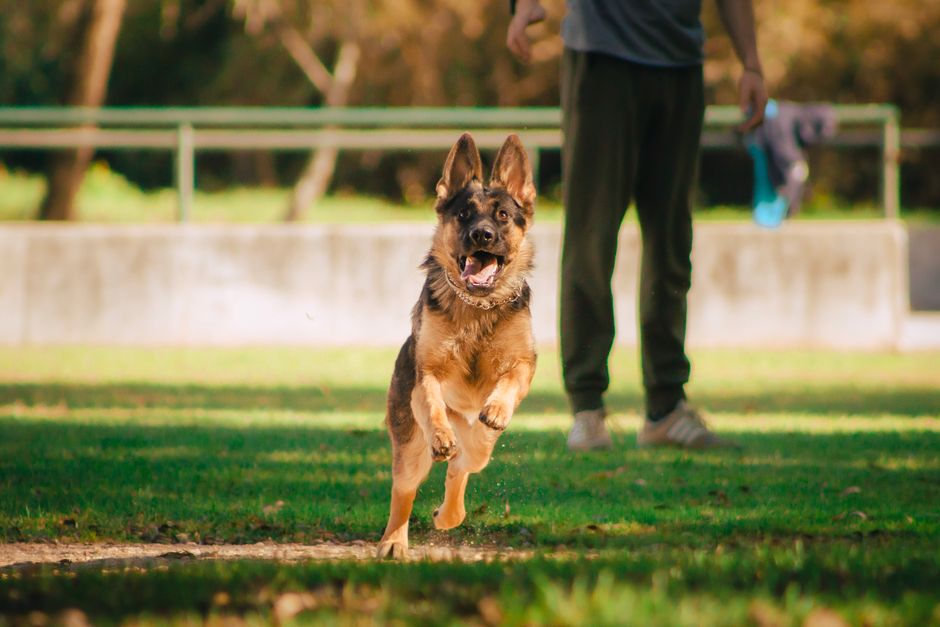
The Role of Physical Activity
Consistent physical activity is a cornerstone of maintaining a healthy gsd dog life span. As a high-energy working breed, the German Shepherd requires more than just a quick walk around the block; they need structured movement to maintain cardiovascular health, muscle tone, and metabolic function. By integrating daily activity, owners can significantly lower the risk of obesity, which is a major contributor to reduced longevity in large breeds. For more details on maintaining overall health through diet, consider looking at this comprehensive review of dog food options to support your pet’s physical needs.
Tailoring exercise to your dog’s age
A one-size-fits-all approach to exercise can actually be detrimental to a dog’s joints. To preserve the gsd dog life span, activity levels must be adjusted as the dog matures:
- Puppies (Under 18 months): Growth plates are still closing. Focus on short, controlled play sessions and avoid high-impact activities like jumping, agility training, or long-distance running, which may cause developmental issues according to the American Kennel Club.
- Adults (18 months to 7 years): This is the prime time for “work.” Utilize their endurance for hiking, fetch, or scent work. Aim for at least 60–90 minutes of active movement daily.
- Seniors (7+ years): Focus on mobility maintenance. Switch to low-impact activities like swimming or gentle walks on grass. Avoid slippery floors and steep stairs to prevent accidental injury.
Mental stimulation for cognitive health
Physical exercise is only half the battle; cognitive engagement is vital for long-term health. A bored German Shepherd can develop anxiety or destructive behaviors, which negatively impact their quality of life. Incorporating canine enrichment activities ensures the dog stays mentally sharp well into their later years.
- Scent Games: Hide treats or toys around the yard to trigger their natural tracking instincts.
- Puzzle Feeders: Use interactive toys during mealtime to encourage problem-solving and slow down eating, which helps prevent bloat—a serious concern identified by researchers at the National Institutes of Health.
- Training Drills: Regular obedience refreshers keep the dog’s brain working. A dog that is mentally “on” remains more alert, agile, and physically resilient throughout its life.
By balancing the intensity of their physical exertion with regular mental challenges, owners provide the best environment for their dog to reach its maximum potential.
Preventative Veterinary Care
Proactive healthcare is the cornerstone of extending a gsd dog life span. By committing to regular veterinary check-ups, owners can identify potential health issues before they become life-threatening. Because German Shepherds are prone to specific breed-related ailments, a consistent medical routine ensures their internal systems remain robust as they transition into their golden years. Maintaining a high standard of health often starts with proper nutrition, and you can explore options for dogs with sensitive systems here.
Recommended routine health screenings
Early detection is vital for managing chronic conditions common in this breed. Veterinarians typically recommend the following screenings to monitor a gsd dog life span:
- Annual Physical Exams: A head-to-tail assessment to check for heart murmurs, abdominal irregularities, and changes in weight.
- Blood Panels: Yearly chemistry screens and complete blood counts (CBC) to monitor organ function, particularly liver and kidney health.
- Orthopedic Evaluations: Given the breed’s susceptibility to skeletal issues, regular palpation of the joints is essential. For more detailed information on common breed health, consult the American Kennel Club Canine Health Foundation.
- Cardiac Screenings: Periodic EKG or echocardiograms if a murmur is detected, ensuring heart health remains optimal.
Vaccinations and parasite prevention
Staying current on preventative veterinary care is not just about avoiding immediate illness; it is about protecting the long-term vitality of the dog.
- Core Vaccinations: Ensure the dog receives regular boosters for Rabies, Distemper, Parvovirus, and Adenovirus as recommended by the American Veterinary Medical Association.
- Parasite Control: German Shepherds spend significant time outdoors; therefore, year-round prevention for heartworm, fleas, and ticks is non-negotiable.
- Fecal Testing: Biannual testing ensures the dog remains free of intestinal parasites, which can sap their energy and compromise immune system efficiency.
- Tailored Schedules: Owners should work with their veterinarian to create a vaccination schedule that accounts for the dog’s specific environment and lifestyle, ensuring they are protected against regional risks.

Managing Joint and Mobility Issues
Maintaining mobility is one of the most critical factors in extending the gsd dog life span. Because German Shepherds are large, active working dogs, their skeletal structure undergoes significant stress throughout their lives. By prioritizing joint health early on, owners can help their companions remain active and pain-free well into their golden years. Proactive management of canine arthritis is essential for any responsible GSD owner.
Signs of hip and elbow dysplasia
Hip and elbow dysplasia are hereditary conditions that are unfortunately common in the breed. These orthopedic issues involve the improper development of the joint sockets, leading to grinding, inflammation, and eventual degradation of cartilage.
Owners should monitor their dogs for the following clinical signs:
- Difficulty Rising: A noticeable hesitation or struggle when standing up from a lying position.
- Bunny Hopping: A gait where the dog moves both hind legs together instead of alternating steps while running.
- Reduced Endurance: Less interest in walks or games of fetch that they previously enjoyed.
- Audible Clicking: Hearing clicking or popping sounds coming from the hips or elbows during movement.
- Muscle Atrophy: A loss of muscle mass in the hindquarters as the dog begins to favor the front limbs.
According to research from the Orthopedic Foundation for Animals, early screening is a vital tool for managing these risks. If owners notice persistent limping or stiffness, they should consult a veterinarian immediately to discuss diagnostic imaging.
Supplements and supportive care options
Once a GSD has been diagnosed with joint sensitivity, or even as a preventative measure, certain lifestyle adjustments can significantly improve their comfort and overall gsd dog life span. Supporting the skeletal system requires a multi-faceted approach.
Key supportive measures include:
- Nutritional Support: High-quality diets containing Omega-3 fatty acids, glucosamine, and chondroitin can help reduce inflammation. Owners looking for appropriate nutrition should consult resources like this guide on the best dog food for German Shepherds to ensure the dog receives the right anti-inflammatory nutrients.
- Weight Management: Keeping a GSD at a lean, healthy weight is the single most effective way to reduce load on the joints. Excess body fat increases systemic inflammation, which is a major concern for aging large breeds.
- Low-Impact Exercise: Instead of high-intensity jumping or sharp turns, focus on controlled, low-impact activities like swimming or steady leash walks.
- Orthopedic Bedding: Providing a memory foam bed helps alleviate pressure points, especially for senior dogs who suffer from chronic joint stiffness.
For further reading on maintaining skeletal health in large breeds, the American Kennel Club Canine Health Foundation provides extensive peer-reviewed data on therapeutic options for canine mobility. Combining these strategies ensures that a dog’s physical limitations do not compromise their quality of life.
Dental Hygiene and Overall Vitality
Maintaining optimal oral health is an often-overlooked factor when aiming to extend a gsd dog life span. While owners frequently prioritize exercise and nutrition, the mouth serves as a primary gateway for bacteria to enter a dog’s bloodstream, potentially impacting systemic health. Prioritizing canine oral care is a simple yet effective strategy to ensure your German Shepherd remains vibrant throughout their golden years.
How oral health impacts internal organs
Many owners do not realize that plaque and tartar buildup can lead to periodontal disease, which is more than just a localized issue. If left untreated, bacteria from the gums can migrate to vital organs, causing significant health complications.
- Heart Health: Bacteria can travel through the bloodstream and settle on heart valves, leading to endocarditis.
- Kidney and Liver Function: Chronic inflammation from advanced dental disease puts unnecessary strain on the kidneys and liver as they work to filter toxins.
- Systemic Inflammation: Constant oral infection triggers an immune response that weakens the body, directly affecting the gsd dog life span.
According to the American Veterinary Medical Association, regular professional cleanings are essential to prevent these internal complications from taking root.
Best practices for at-home dental care
Proactive dental maintenance is the most effective way to prevent costly and invasive veterinary procedures. Establishing a routine early helps your German Shepherd acclimate to the process.
- Daily Brushing: Use a dog-specific enzymatic toothpaste. Never use human toothpaste, as it often contains xylitol, which is toxic to dogs.
- Appropriate Chews: Provide high-quality dental chews that are VOHC (Veterinary Oral Health Council) approved.
- Dietary Support: Integrating high-quality, crunchy kibble can help reduce plaque buildup. For dogs with specific sensitivities, choosing the best dog food for German Shepherds with allergies ensures they receive proper nutrition without triggering inflammatory responses that can compromise their overall vitality.
- Professional Screenings: Schedule annual or bi-annual oral exams with your veterinarian, as recommended by the Veterinary Oral Health Council.
By staying consistent with these habits, owners can significantly lower the risk of infection and contribute to a longer, healthier life for their canine companions.

Environmental Stressors to Minimize
Creating a low-stress environment is a fundamental component of extending the gsd dog life span. German Shepherds are highly sensitive, intelligent animals that thrive on routine and stability; constant chaos or prolonged exposure to environmental triggers can trigger a hormonal response that negatively impacts their long-term health. By proactively managing their surroundings, owners can significantly lower the risk of stress-related ailments that could otherwise shorten their companion’s life.
Reducing anxiety and behavioral stress
German Shepherds are prone to separation anxiety, a behavioral stressor that can manifest as destructive behavior or chronic internal tension. To mitigate this:
- Consistency is Key: They require a predictable schedule for feeding, exercise, and rest.
- Gradual Desensitization: If the dog shows signs of panic when left alone, owners should utilize positive reinforcement training to help them build confidence.
- Cognitive Enrichment: Providing puzzles and nutritious meals can keep their mind engaged, preventing the boredom that often leads to anxiety.
- Professional Intervention: For dogs displaying extreme reactivity, consulting a certified animal behaviorist is essential. According to the American Veterinary Medical Association, understanding the root of behavioral problems is vital for maintaining a pet’s emotional well-being.
Creating a safe living environment
Physical safety within the home and yard is paramount to protecting the gsd dog life span. An insecure environment increases the risk of accidents, accidental ingestion of toxins, and chronic physical strain.
- Remove Household Hazards: Keep toxic substances, such as cleaning supplies, antifreeze, and certain indoor plants, well out of reach.
- Flooring Considerations: Large breeds are susceptible to slips on hardwood or tile floors, which can exacerbate joint issues like hip dysplasia. Using area rugs provides necessary traction.
- Climate Control: As noted in research hosted by the National Center for Biotechnology Information, extreme temperatures—both heat and cold—can place significant stress on a large dog’s cardiovascular and respiratory systems. Always ensure they have access to climate-controlled areas.
- Quiet Zones: Every German Shepherd needs a dedicated “safe space,” such as a crate or a quiet corner, where they can retreat when the household environment becomes too stimulating or noisy.
By systematically eliminating these stressors, owners provide the stable foundation necessary for their German Shepherd to live a full, healthy life.
Recognizing Signs of Aging
As German Shepherds transition into their golden years, owners must pay close attention to subtle shifts in their behavior and physical condition. Understanding the natural progression of the gsd dog life span allows caretakers to intervene early, ensuring that their aging companion remains comfortable and vibrant for as long as possible. Monitoring these changes is a proactive step in managing the overall geriatric dog health of this loyal breed.
Physical changes in senior German Shepherds
Recognizing the onset of senior status often involves observing visible and internal changes. German Shepherds typically begin to show these signs between the ages of 7 and 9. Common indicators include:
- Coat and Skin Changes: A thickening or greying of the fur, particularly around the muzzle and eyes, is a classic sign. The skin may also become thinner or prone to dryness.
- Reduced Mobility: You may notice a slower gait, difficulty rising from a lying position, or hesitation before jumping into the car. This is often linked to canine osteoarthritis, a condition frequently monitored by the American Kennel Club.
- Sensory Decline: A gradual loss of hearing or diminished vision can lead to increased startle responses or a change in responsiveness to commands.
- Weight Fluctuations: Metabolism slows down, which can lead to weight gain if calorie intake isn’t adjusted. Conversely, some seniors may experience muscle atrophy or difficulty maintaining weight due to underlying conditions.
Adjusting care for your senior companion
To support your dog through their senior years, simple lifestyle modifications can significantly enhance their quality of life. Tailoring your approach to their specific needs is essential for maintaining a positive gsd dog life span.
- Modify Diet and Nutrition: Seniors require highly digestible nutrients to support organ function. If your dog suffers from sensitivities, consider high-quality options like the best dog food for German Shepherds with allergies to prevent inflammation and digestive upset.
- Optimize the Living Space: Use orthopedic beds to provide relief for aching joints and ensure that floors have non-slip surfaces, such as yoga mats or rugs, to prevent falls.
- Frequent Veterinary Check-ups: The Veterinary Oral Health Council suggests that regular professional exams are vital, as senior dogs should be screened for chronic kidney or heart issues at least twice a year.
- Low-Impact Activity: Swap high-intensity games like fetch for shorter, more frequent walks on soft surfaces (like grass or dirt) to maintain muscle tone without placing excessive stress on the hips and spine.
- Mental Engagement: Keep their minds sharp with puzzle toys or light scent-work games that don’t require heavy physical exertion.
Frequently Asked Questions
Understanding the factors that influence the gsd dog life span is essential for any owner committed to providing the best possible care for their companion. By addressing common inquiries, owners can better navigate the unique health challenges associated with this breed and ensure their dog enjoys a long, vibrant life.
Do female German Shepherds live longer than males?
Research indicates that there is often a slight variance in longevity based on sex. In many canine breeds, including the German Shepherd, females tend to have a slightly longer average life expectancy than males. This is often attributed to hormonal differences and a lower predisposition to certain risky behaviors or stress-related health issues. However, individual longevity is far more dependent on genetics, diet, and access to veterinary care than on sex alone.
Can a healthy diet extend my dog’s life?
Yes, nutrition is a foundational pillar of the gsd dog life span. A balanced, life-stage-appropriate diet helps maintain an ideal body condition, which significantly reduces the risk of chronic diseases. For dogs with specific sensitivities, choosing the best dog food for German Shepherds with allergies is crucial for preventing systemic inflammation and supporting immune health. Key nutritional components for longevity include:
- High-quality animal proteins for muscle maintenance.
- Omega-3 fatty acids to support joint health and reduce inflammation.
- Glucosamine and chondroitin to protect cartilage in large-breed frames.
What is the most common cause of death in German Shepherds?
German Shepherds are prone to specific health issues that can impact their overall survival rates. According to the American Kennel Club, the most common health-related causes of mortality in the breed include:
- Degenerative Myelopathy: A progressive disease of the spinal cord that leads to weakness and paralysis.
- Gastric Dilatation-Volvulus (Bloat): An acute, life-threatening condition where the stomach twists.
- Cancer: Including hemangiosarcoma and other tumors common in large breeds.
- Musculoskeletal complications: Severe hip dysplasia often leads to a diminished quality of life, necessitating end-of-life decisions.
At what age is a German Shepherd considered a senior?
A German Shepherd is generally considered a senior when they reach the age of 7 to 8 years. Because this is a large breed, the aging process can accelerate quickly once they pass this threshold. Owners should look for the following indicators that their dog has transitioned into their senior years:
- Graying muzzle: A common visual marker of aging.
- Reduced stamina: The dog may tire more easily during walks.
- Joint stiffness: Difficulty rising after resting or climbing stairs.
- Cognitive changes: Slight confusion or changes in sleep-wake cycles.
Proactive monitoring during this stage is the most effective way to manage the gsd dog life span and maintain a high quality of life for your aging companion.
Conclusion on maximizing the GSD dog life span
Maximizing the gsd dog life span is a journey that requires proactive, informed, and consistent care throughout every stage of the animal’s life. While genetics play an undeniable role in determining longevity, a significant portion of a German Shepherd’s health trajectory is influenced by the environment, nutrition, and medical attention provided by their owners. By committing to a lifestyle centered on preventative wellness, owners can significantly improve their companion’s quality of life.
Key Pillars for Longevity
To ensure your German Shepherd thrives well into their senior years, focus on these fundamental areas:
- Nutritional Excellence: Providing high-quality, balanced nutrition is the cornerstone of health. For those struggling with sensitivities, identifying the best dog food for German Shepherds with allergies is essential to avoiding systemic inflammation.
- Weight Management: Maintaining an ideal body condition score is critical to reducing strain on the joints, which is a common concern for large breeds.
- Proactive Veterinary Care: Regular check-ups allow for the early detection of hereditary health conditions, which is vital for long-term management. According to the American Kennel Club, maintaining a schedule of routine screenings can drastically alter the outcome of age-related issues.
- Physical and Mental Engagement: Tailored exercise keeps the cardiovascular system strong, while consistent mental stimulation supports cognitive function as the dog ages.
Taking Action for a Longer Life
Owners should prioritize a partnership with their veterinarian to monitor for common health problems such as hip dysplasia or degenerative myelopathy. Utilizing resources from organizations like the Orthopedic Foundation for Animals can help owners better understand breed-specific risks and participate in recommended health testing.
By integrating these strategies, owners do more than just add years to their dog’s life; they ensure those years are vibrant, comfortable, and filled with vitality. Ultimately, extending the gsd dog life span is the greatest reward for the dedication and love provided to these loyal, intelligent companions.


