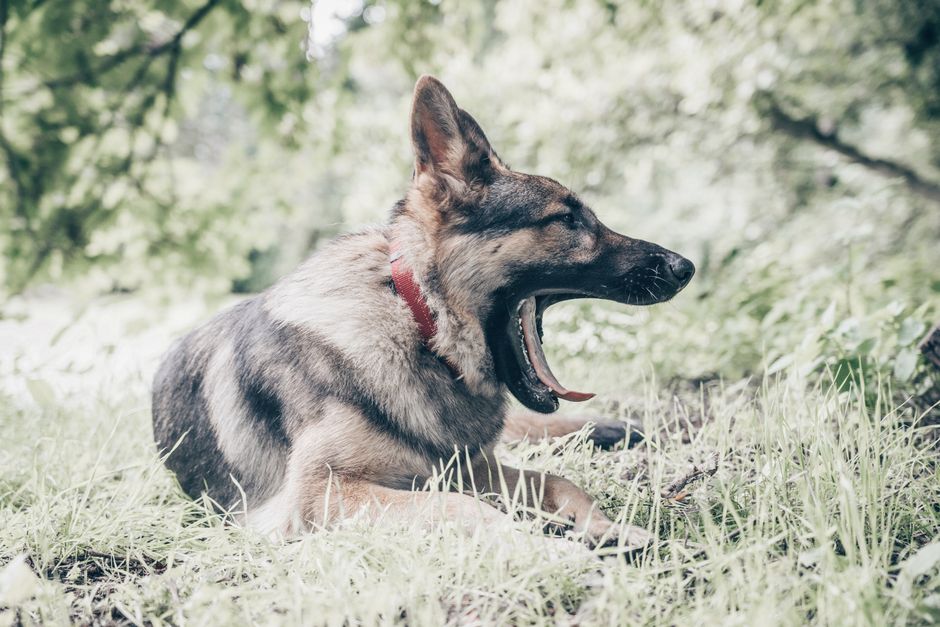
The German Shepherd is one of the most recognizable and versatile breeds in the world, prized for its intelligence, loyalty, and protective instincts. However, prospective owners are often surprised to discover that there is significant genetic and physical diversity within the breed. Understanding the different types of german shepherds is essential, as these variations significantly influence a dog’s temperament, health, and intended function.
Whether a dog is bred for the show ring or field performance, the American Kennel Club maintains strict standards regarding the breed’s conformation and character. Because these dogs are highly active, owners must also consider the specific maintenance needs of the animal, including using the right grooming tools for long-coat GSDs to ensure their coat health remains optimal.
Why Lineage Matters
When researching the various types of german shepherds, it becomes clear that lineage dictates the dog’s future. Factors like energy levels, prey drive, and skeletal structure are heavily influenced by the dog’s ancestral purpose. According to the Orthopedic Foundation for Animals, proactive health screening is a critical component for all working and show lines to mitigate hereditary issues common to the breed.
Potential owners should evaluate these categories before making a commitment:
- Show Lines: Often bred for aesthetic standards, gait, and specific physical profiles.
- Working Lines: Developed primarily for high-intensity tasks, such as police, search-and-rescue, or military service.
- Dual-Purpose Lines: Occasionally found in professional settings, these aim to balance physical structure with a high drive for labor.
Recognizing the distinct working line vs show line differences is the first step in ensuring that the dog’s personality aligns perfectly with the owner’s lifestyle and home environment. By distinguishing between these categories, enthusiasts can better appreciate the historical significance and specialized utility that keep the German Shepherd at the forefront of canine excellence.
Key Takeaways
Understanding the diverse types of german shepherds is essential for potential owners who want to match a dog’s lineage with their specific lifestyle and activity level. While all German Shepherds share a common ancestry, distinct breeding practices have created significant variations in temperament, physical structure, and drive.
Before committing to a specific line, keep these critical points in mind:
- Diverse Breeding Goals: Modern breeding has split the breed into distinct categories, primarily divided between show lines (focused on aesthetics and conformation) and working lines (focused on utility, intelligence, and high energy).
- Performance vs. Pedigree: Working lines, such as the Czech and DDR bloodlines, are bred for high-intensity tasks and require significant mental stimulation. According to the American Kennel Club, these dogs excel in agility and protection sports but may be too demanding for a sedentary household.
- Physical Variability: Beyond temperament, structure varies. For those interested in the maintenance of these beautiful animals, learning about essential grooming tools for your long coat German Shepherd is a practical necessity for coat health.
- The Importance of Health Testing: Regardless of the types of german shepherds you are considering, reputable breeders must perform Orthopedic Foundation for Animals (OFA) screenings to monitor for hereditary issues like hip and elbow dysplasia, which are common within the breed.
Quick Comparison Guide
To simplify your research, consider these primary distinctions:
- American Show Lines: Often feature a more pronounced “sloping” back and are bred for calm, predictable temperaments suitable for family life and show rings.
- West German Working Lines: Renowned for their athletic build and “on-off” switch, making them the gold standard for police and search-and-rescue work.
- DDR/East German Lines: Known for their heavy bone structure, darker pigmentation, and protective nature, often originating from historical border patrol heritage.
- Czech Lines: Highly prized for their immense endurance and stable, high-drive work ethics, having been developed in controlled state-run kennels.
Choosing the right dog involves balancing your experience level as an owner with the intense physical and mental requirements inherent in these working breeds. Always prioritize temperament and health history over coat color or specific aesthetic traits.
American Show Line German Shepherds
When exploring the various types of german shepherds, the American Show Line is perhaps the most recognizable variation in the United States. These dogs are bred specifically to adhere to the rigid standards set by the American Kennel Club (AKC), which prioritizes a specific silhouette and fluid movement in the show ring. As outlined by the American Kennel Club, these dogs represent the pinnacle of aesthetic breeding within the breed’s standards.
Physical Appearance and Conformation
The American Show Line is distinct from other working lines due to its exaggerated physical features. Breeders focus heavily on the “flying trot,” requiring a specific angulation that creates a unique look.
- Topline: They possess a more pronounced slope from the shoulders to the croup compared to their European counterparts.
- Coloration: These dogs frequently exhibit the classic black-and-tan or black-and-red coloring, with a rich pigment saturation.
- Gait: Their movement is characterized by long, ground-covering strides that appear effortless during competition.
- Grooming: Because of their thick double coats, owners should invest in essential grooming tools for long coat German Shepherds to manage shedding and maintain skin health.
- Size: They are generally slightly larger and have more bone mass than those bred purely for high-intensity utility work.
For those interested in the scientific aspect of canine structure, research regarding canine hip dysplasia and genetic health is essential for prospective owners of these show-bred lines, as their physical structure requires careful monitoring for joint health.
Temperament and Family Suitability
While they are show dogs by trade, American Show Line German Shepherds are famous for their balanced, approachable personalities. They are frequently selected by families who desire the classic “German Shepherd look” without the extreme intensity found in imported working lines.
- Predictability: Breeders focus on producing stable, friendly dogs that are less likely to exhibit sharp defensive behaviors.
- Trainability: They are highly social and eager to please, making them excellent candidates for obedience training, agility, or therapy work.
- Home Life: Because of their lower drive compared to tactical police dogs, they are generally better suited for domestic environments and active family lifestyles.
- Activity Levels: Despite their suitability as family companions, they remain an active breed that requires consistent daily mental stimulation and exercise to prevent boredom.
By prioritizing a calm disposition alongside beauty, the American Show Line remains a cornerstone of the breed’s popularity in the U.S. domestic market.

West German Show Line Dogs
When exploring the various types of german shepherds, the West German Show Line stands out as a distinct category favored by enthusiasts who prioritize the breed’s classic elegance and adherence to traditional conformation standards. These dogs are specifically bred to embody the ideal aesthetic silhouette as outlined by the SV (Verein für Deutsche Schäferhunde), the original parent club in Germany. Often referred to as “high-line” dogs, they are celebrated for their striking black-and-red pigmentation and their fluid, balanced gait.
Breeding Standards and Health Testing
West German Show Lines are subject to some of the most rigorous breeding standards in the canine world. To be considered for breeding, these dogs must undergo comprehensive evaluations to ensure they maintain the integrity of the lineage. Key requirements often include:
- Hip and Elbow Certification: Breeders typically utilize the Orthopedic Foundation for Animals (OFA) or the German “a-stamp” system to screen for dysplasia.
- Conformation Titles: Dogs must earn an “SG” (Very Good) or “V” (Excellent) rating in specialized breed shows to prove their physical structure meets the breed standard.
- Mental Stability: Even within show lines, the dogs must demonstrate a stable, confident temperament that avoids excessive aggression or fear.
Furthermore, responsible owners recognize that maintaining these dogs requires specialized care. For those with long-coated variations of these lines, utilizing essential grooming tools for your long-coat German Shepherd is vital to keep their thick, double coats healthy and free of debris.
Working Ability vs. Aesthetic Focus
A common point of contention among experts is the balance between physical beauty and utility. While these dogs are primarily bred for the show ring, they are still expected to possess the fundamental drive of the breed.
- Aesthetic Priority: The primary objective is to produce a dog with a robust, well-angled build and vibrant, rich coloration.
- Versatility: Despite the focus on looks, the German breed standard requires a basic level of working ability. Many West German Show Line dogs participate in Schutzhund training, which evaluates their obedience, tracking, and protection skills.
- The Difference: Unlike working lines, which are bred purely for maximum drive and performance in law enforcement or search and rescue—as documented in various canine behavioral studies—the West German Show Line seeks a “middle ground.” They are generally more active than American Show Lines but often have a lower “off-switch” requirement than pure-bred working lines, making them a balanced choice for active owners.
West German Working Lines
Among the various types of german shepherds, the West German Working Line stands out for its unwavering commitment to functional utility. These dogs are bred primarily for performance in protection sports, police work, and search-and-rescue operations. Unlike lines bred strictly for conformation rings, these animals prioritize physical capability and sharp mental acuity above all else. According to the American Kennel Club, maintaining the integrity of the breed’s original purpose is essential to preserving the distinct qualities of these high-performance working companions.
Heritage and Performance History
The heritage of West German Working Lines is deeply rooted in the traditional SV (Verein für Deutsche Schäferhunde) standards, which emphasize the “total dog.”
- Selection Criteria: Breeders focus on temperament, courage, and athleticism rather than just appearance.
- Performance Testing: Most dogs in this lineage must pass rigorous working dog certification exams, such as the IGP (formerly Schutzhund), which evaluates tracking, obedience, and protection skills.
- Genetic Preservation: These dogs are direct descendants of the original German foundation stock, carefully managed to ensure they maintain the endurance required for long-term service.
- Research-Backed Breeding: Selective breeding practices are often backed by strict health protocols, as highlighted by research on canine hip dysplasia, ensuring that the working heritage is not compromised by avoidable health issues.
Drive and Training Requirements
Because West German Working Lines are bred with high-intensity drives, they are not suited for the casual pet owner. They possess a high “will to work” that requires consistent, daily outlets.
- High Prey Drive: They are often motivated by toys and tugs, which makes them highly responsive to positive reinforcement training methods.
- Mental Stimulation: These dogs require more than just a walk; they need complex tasks to solve. Without a job to do, they may develop destructive habits.
- Grooming Needs: While their coat is typically shorter and more weather-resistant than show lines, proper care is still vital. Owners should utilize essential grooming tools to keep their coat in top condition, especially if the dog spends significant time working outdoors.
- Professional Guidance: Training these dogs often requires an experienced handler familiar with high-drive temperaments. Many owners find success by joining local United Schutzhund Clubs of America to provide the professional structure these intelligent animals crave.
Key characteristics of their training include:
- High focus during high-distraction environments.
- Swift reaction times to handler commands.
- Physical stamina for long sessions of agility or obedience training.

East German (DDR) Working Lines
When exploring the various types of german shepherds, the East German (DDR) lines stand out for their historical significance and specialized temperament. Developed in the former East Germany, these dogs were bred under strict government control, prioritizing utility, resilience, and a solid nerve structure that remains highly sought after by enthusiasts today.
The History of the DDR Bloodline
Following the division of Germany, the dogs located in the East were isolated from the rest of the world. The state-controlled breeding program, governed by the Gesellschaft für Sport und Zucht, prioritized specific working dog traits that were essential for border patrol and military service.
- State Control: Breeding was strictly monitored to ensure that only the most capable dogs were allowed to reproduce.
- Purpose: These dogs were primarily designed for high-stakes tasks, including guarding the Berlin Wall and participating in rigorous military training exercises.
- Heritage Preservation: Because they were separated from Western breeding trends, they maintained a genetic purity that prioritized health and working capacity over the aesthetic standards often seen in modern show lines. For a deeper look at the historical evolution of canine standards, researchers often consult the American Kennel Club for foundational breed information.
Distinctive Physical Traits
The DDR bloodline is easily recognizable due to its robust, “old-world” appearance. They are often described as more substantial and “bone-heavy” compared to other variations.
- Structure: They typically possess a large, blocky head, thick bone density, and a straight, powerful back, which differs significantly from the sloped back profiles common in other types of german shepherds.
- Coat: They frequently feature darker pigmentation, often presenting as “sable” or solid black coats. For owners who manage these thicker, double-layered coats, using essential grooming tools is crucial for maintaining skin health.
- Temperament: They are known for high endurance and a stable, serious temperament. Unlike dogs bred solely for aesthetics, these working dogs require significant mental stimulation to stay satisfied.
According to veterinary perspectives on canine health and longevity, proper breeding oversight—such as that seen in the historical DDR programs—played a significant role in mitigating certain hereditary issues. Today, prospective owners should appreciate that the DDR line remains a testament to function-first breeding, making them a top choice for those looking for a capable and resilient companion.
Czech Working Line German Shepherds
Among the various types of german shepherds, the Czech Working Line stands out as one of the most formidable and physically capable variants. Developed specifically for utility and protection, these dogs are rarely bred for the show ring; instead, their lineage is defined by function, intensity, and unwavering loyalty. Owners often rely on essential grooming tools for your long coat German shepherd to keep these high-energy athletes well-maintained despite their rugged lifestyle.
Origins in Military and Border Patrol
The history of the Czech Working Line is deeply rooted in the Cold War era. Bred primarily within the confines of the former Czechoslovakia, these dogs were essential components of the state’s border patrol and military forces.
- State-Controlled Breeding: The breeding program was strictly regulated by the military, ensuring that only dogs with the highest working ability were allowed to reproduce.
- Purpose-Driven: They were designed to patrol the Iron Curtain, requiring them to operate in extreme environments and possess a temperament capable of handling high-stress scenarios.
- Historical Legacy: According to research on the evolution of canine utility, the American Kennel Club recognizes that these dogs maintain a genetic profile closer to the original breed standards intended for labor and protection rather than aesthetics.
Hardiness and Endurance
If an owner is looking for a dog that thrives on activity and possesses unmatched stamina, the Czech line is often the gold standard. Their structural conformation is designed for longevity and movement across challenging terrain.
- Sturdy Build: These dogs often exhibit a more compact, muscular frame compared to other types of german shepherds, which helps prevent fatigue during long work sessions.
- Environmental Adaptability: Because they were developed for the harsh climate of Central Europe, they are notably hardy. They are known for having high pain thresholds and a calm, stable nerves system.
- Health and Longevity: Organizations such as the Orthopedic Foundation for Animals emphasize the importance of rigorous health testing, a practice that mirrors the selective breeding history of the Czech lines, which prioritized genetic health to ensure their dogs could perform complex tasks without physical failure.
Key characteristics of their temperament include:
- High Drive: They possess a strong desire to work, requiring consistent mental stimulation.
- Loyalty: They form intense bonds with their handlers and are naturally protective.
- Trainability: Their focus is exceptional, making them highly responsive to advanced obedience and protection training.

Frequently Asked Questions
Navigating the various types of german shepherds can be overwhelming for prospective owners. Because these dogs have been selectively bred for distinct purposes, understanding their background is essential for a successful match. Below are the most common inquiries regarding these versatile dogs, helping you distinguish between the different lineages and their specific needs.
Which type of German Shepherd is best for families?
Most experts agree that American Show Lines and West German Show Lines are generally more suitable for a typical family environment.
- Lower Drive: They typically possess a slightly lower prey drive compared to working lines.
- Temperament: They are bred specifically for calm, social, and steady temperaments, making them excellent companions for children.
- Maintenance: Regardless of the lineage, owners should understand essential grooming tools for long-coat German Shepherds to keep their coat healthy and manageable.
What is the difference between show and working lines?
The distinction usually comes down to “form vs. function.”
- Show Lines: Bred primarily for adherence to the breed standard, which focuses on specific aesthetics, gait, and angulation.
- Working Lines: Bred for high performance, intelligence, and endurance. These dogs often excel in police, military, or search-and-rescue work, as documented in standards set by the American Kennel Club.
Are white or black German Shepherds a different breed?
No, they are not separate breeds. They are simply variations in coat color within the German Shepherd Dog breed.
- Genetics: Coat colors like solid black, white, or blue are governed by recessive genes.
- Registration: While the AKC recognizes these colors, some specific clubs or show circuits may disqualify them based on outdated aesthetic preferences. Their underlying breed temperament remains identical to that of the traditional black-and-tan variety.
How do I choose a reputable breeder?
Selecting the right breeder is a critical step in ensuring you get a healthy puppy. Always look for a professional who prioritizes the welfare of the animal over profit.
- Health Testing: Ensure the breeder conducts thorough health screenings, specifically for hip and elbow dysplasia, which is a major concern in the breed according to the Orthopedic Foundation for Animals.
- Transparency: A reputable breeder will always allow you to meet the parents or see the environment where the puppies were raised.
- Knowledge: They should be able to explain the specific types of german shepherds they produce and why their lines are bred that way.
- Questions: A good breeder will interview you as much as you interview them to ensure their dog is going to a capable home.
Final Thoughts on Choosing Among the Types of German Shepherds
Selecting the right canine companion requires a deep understanding of the diverse types of german shepherds available today. Because these dogs were originally developed for distinct purposes—ranging from aesthetic show standards to high-intensity police and military utility—their behavioral traits and physical requirements can vary significantly. Prospective owners should prioritize their own lifestyle, activity levels, and long-term goals before committing to a specific lineage.
Key Considerations for Prospective Owners
When navigating the differences between these bloodlines, buyers should keep the following factors in mind:
- Assess Activity Levels: Working lines possess an immense high drive that requires consistent mental and physical stimulation. Owners must be prepared to provide a “job” or rigorous training schedule.
- Evaluate Living Environment: Larger, high-energy show lines may thrive in suburban settings, but they still require ample space. Regardless of the line, ensuring proper coat maintenance is vital, and you can learn more about essential grooming tools for long-coat German Shepherds to keep their fur healthy.
- Prioritize Health Testing: Reputable breeders will always provide documentation of health clearances. Resources from the Orthopedic Foundation for Animals (OFA) offer valuable data on breed-specific health screenings that every responsible owner should request.
- Understand Temperament: Always consult with the American Kennel Club (AKC) breed standards to understand the baseline temperament expected for the breed.
Making an Informed Decision
Distinguishing between the types of german shepherds is not merely about choosing a coat color or a specific profile; it is about matching a dog’s genetic blueprint to an owner’s daily reality.
- Be Honest About Experience: First-time dog owners may find the intensity of DDR or Czech working lines overwhelming without professional guidance.
- Focus on Genetics: A dog is a product of its pedigree. Always prioritize temperament and health over superficial aesthetic traits.
- Engage with Breeders: Ask pointed questions about the dam and sire’s performance history to ensure the litter’s temperament aligns with your household needs.
Ultimately, the best German Shepherd is one that fits seamlessly into the owner’s life. By conducting thorough research and working with ethical breeders, prospective owners can ensure a long, healthy, and rewarding partnership with their new companion.