
The popularity of the mix breed of German shepherd has skyrocketed across the United States as families seek the intelligence of the classic GSD combined with the unique temperaments of other popular breeds. Whether it is for their distinct physical traits or the potential for a more versatile personality, these “designer dogs” or intentional crosses are becoming a staple in American households. By blending the protective nature of a working-line dog with diverse genetic backgrounds, owners are discovering companions that often fit more seamlessly into modern suburban lifestyles.
Why Owners are Choosing Crosses
Prospective pet parents often turn to these hybrids because they offer a balanced approach to canine ownership. Key factors driving this trend include:
- Unique Aesthetics: Every dog possesses a one-of-a-kind look that makes them stand out at the local dog park.
- Diverse Temperaments: By mixing traits, owners can sometimes find a dog that is slightly less intense than a purebred working line.
- Adaptability: Many hybrids benefit from a broader gene pool, which can lead to increased versatility in various living environments.
Understanding the Appeal
When considering a mix breed of German shepherd, it is essential to remember that these dogs require specialized attention regarding their physical maintenance. Proper grooming is vital for these double-coated animals, and learning the specific nuances of German Shepherd coat care can prevent common issues like matting and heavy shedding in the home.
Scientific Context of Breeding
Research into canine genetics suggests that responsible breeding practices are paramount to ensuring the long-term wellness of these animals. Organizations such as the American Kennel Club emphasize the importance of understanding parental health history to mitigate risks in crossbreeding.
What to consider before bringing one home:
- Activity Level: These dogs are almost universally high-energy and require significant mental engagement.
- Training Requirements: Because of their intelligence, they respond best to positive reinforcement and consistent structure.
- Space Needs: While some may adapt to apartment living, most thrive when they have adequate room to roam and play.
As the trend of the mix breed of German shepherd continues to grow, so does the responsibility of the owner to provide a life that balances their need for intense, focused activity with the affection and stability of a family pet.
Key Takeaways
Bringing a mix breed of German Shepherd into the family is an exciting journey that requires careful preparation and understanding of canine genetics. Because these hybrids blend the traits of two distinct breeds, prospective owners should focus on the following essential insights to ensure a happy, healthy life for their companion.
- Predicting Temperament: While a mix breed of German Shepherd often inherits the protective loyalty of the parent breed, behavioral traits can vary significantly depending on the second breed involved. Consult the American Kennel Club for breed-specific temperament baselines when researching your dog’s lineage.
- Health and Longevity: Many owners look to hybrids for “hybrid vigor.” While mixing breeds can reduce the prevalence of certain hereditary issues, it is vital to monitor for common large-breed conditions like hip dysplasia. Resources from the Orthopedic Foundation for Animals provide excellent data on common genetic predispositions.
- Grooming Demands: Most shepherd crosses possess double coats. Owners must learn proper German Shepherd dog coat types and care to manage heavy seasonal shedding effectively.
- Exercise Needs: These intelligent, high-energy dogs require consistent mental stimulation. Without daily enrichment, they may develop destructive habits.
- Training and Socialization: Early, positive reinforcement training is non-negotiable. Socializing a mix breed of German Shepherd helps temper their natural guard-dog instincts and ensures they become well-adjusted members of the community.
By staying informed about the specific heritage of the dog, owners can better navigate the unique challenges and rewards associated with these intelligent, versatile, and devoted canine partners.
Popular German Shepherd Mixes
When exploring the diverse world of canine companions, the mix breed of german shepherd stands out for its exceptional intelligence, versatility, and striking physical appeal. Breeders and enthusiasts often combine the noble German Shepherd with other popular breeds to create hybrids that capture the best traits of both parent dogs. Whether you are looking for a high-energy adventure partner or a steady family protector, there is likely a combination that fits your lifestyle. Understanding the nuances of these designer dog breeds is essential before bringing one into your home, as each cross carries a unique set of behavioral and physical expectations.
The Shepsky: German Shepherd and Siberian Husky
The Shepsky, often called a Gerberian Shepsky, is a high-energy powerhouse resulting from the crossing of a German Shepherd and a Siberian Husky. These dogs are known for their:
- Striking Appearance: Often inheriting the piercing blue eyes of the Husky and the sturdy build of the Shepherd.
- High Intelligence: They are extremely sharp but can be independent, requiring a firm and consistent training approach.
- Activity Needs: They thrive in active households that can provide significant daily exercise.
According to the American Kennel Club, these dogs require consistent mental stimulation to prevent boredom-related destructive behaviors. Owners should be prepared for their intense shedding cycles; for more information on managing fur, check out this comprehensive guide to German Shepherd coat types and care.
The Golden Shepherd: Combining Loyalty and Kindness
The Golden Shepherd merges the protective, vigilant nature of the German Shepherd with the legendary friendliness of the Golden Retriever. This mix is widely considered one of the best family-oriented hybrids for several reasons:
- Balanced Temperament: They tend to be more outgoing than a purebred Shepherd while remaining more alert than a typical Retriever.
- Trainability: Both parent breeds are highly motivated by praise and food, making these dogs excellent students for obedience training.
- Versatility: They excel in service work, search and rescue, and as reliable household companions.
Research published via NCBI suggests that mixed-breed dogs often benefit from a broader genetic pool, which may contribute to a generally robust temperament in well-bred individuals.
The Shollie: German Shepherd and Collie
The Shollie is a highly intelligent cross between a German Shepherd and a Collie (typically the Rough or Smooth variety). These dogs are prized for their loyalty and deep desire to please their owners. Key characteristics include:
- Herding Instincts: They are natural workers and may attempt to “herd” children or other pets if not provided with a proper job.
- Devotion: They are known for forming a very tight bond with their primary handler.
- Communication: Many Shollies are vocal dogs, using a variety of barks and whines to express their needs or alert their family to changes in their environment.
Because of their thick coats, routine maintenance is vital. Providing consistent mental enrichment is just as important as physical exercise to keep a Shollie healthy and content in a domestic setting.

Understanding Temperament and Personality
When considering a mix breed of German shepherd, prospective owners must recognize that personality is rarely a perfect 50/50 split. Because German Shepherds are renowned for their working-dog intelligence and protective instincts, any hybrid will likely inherit a drive that requires active management. Understanding the behavioral temperament of a crossbreed involves looking at the foundation traits of both parent breeds to anticipate how they might manifest in a home environment.
Predicting Behavioral Traits in Hybrids
Predicting the personality of a hybrid is often compared to a “genetic lottery.” While purebreds have established breed standards, a mix breed of German shepherd may lean heavily toward the personality of either parent or settle into a unique middle ground.
To better understand these traits, owners should consult resources from organizations like the American Kennel Club, which provides extensive data on the primary characteristics of the German Shepherd parent. Key behavioral factors include:
- Working Drive: High-energy crosses often possess a strong “job” orientation, meaning they may attempt to herd children, pets, or even household objects if not given a task.
- Loyalty: Most shepherd crosses are “velcro dogs” that form a deep, singular attachment to their primary handler.
- Alertness: They are natural watchdogs; they tend to be naturally suspicious of strangers but fiercely devoted to their pack members.
- Intelligence: Their high cognitive ability means they learn quickly, but they can become destructive if they suffer from boredom or a lack of mental stimulation.
Training Challenges and Socialization Needs
The sheer intelligence of a mix breed of German shepherd makes them highly trainable, yet this same trait can lead to stubbornness if the handler is inconsistent. Without proper structure, these dogs can develop behavioral issues that stem from anxiety or lack of guidance.
For those navigating the complexities of their dog’s coat and health, it is essential to look at the German Shepherd dog coat types and care guide to ensure the dog feels physically comfortable, which in turn supports better focus during training sessions.
Effective training programs should focus on:
- Early Socialization: Exposing the dog to new sights, sounds, and people before 16 weeks of age is critical to curbing the shepherd’s natural tendency toward protective aggression.
- Positive Reinforcement: These dogs thrive when motivated by praise, play, or high-value treats rather than harsh correction.
- Consistency: Because they are intelligent, they will quickly identify gaps in authority; maintaining a firm, calm leadership style is paramount.
- Professional Guidance: For first-time owners, consulting research on Canine Behavior through the American Veterinary Medical Association can provide evidence-based strategies for managing high-drive dogs.
By providing consistent boundaries and early socialization, owners can help their mixed-breed companions transition from high-intensity pups to well-adjusted, confident family members.
Physical Appearance and Size Variations
When considering a mix breed of german shepherd, owners often find that the physical characteristics can vary significantly, even within the same litter. Because these dogs are the product of two distinct genetic backgrounds, their appearance is essentially a “genetic roll of the dice.” From ear carriage—which may be perked or floppy—to tail length and facial structure, these hybrids offer a unique aesthetic that blends the rugged versatility of the shepherd with the traits of their cross-breed parent.
Predicting Coat Type and Shedding Levels
Predicting the exact coat texture of a mix breed of german shepherd is notoriously difficult, as it depends on whether the dog inherits the double coat of the shepherd or the coat type of the other parent. Understanding the nuance of German Shepherd coat types and care is essential for prospective owners who need to prepare for maintenance.
- Double-Coated Hybrids: Many crosses inherit the dense, weather-resistant undercoat typical of the GSD, leading to significant seasonal shedding.
- The “Blow” Factor: Twice a year, owners should expect heavy shedding as the dog transitions its coat to accommodate changing temperatures.
- Texture Variables: Depending on the cross (such as a Golden Shepherd), the coat may be longer and silkier or shorter and coarser.
- Professional Guidance: For more information on maintaining skin health and managing hair density, the American Kennel Club provides comprehensive resources on canine dermatological care.
Size Estimations for Mixed Breeds
Estimating the adult size of a mix breed of german shepherd requires looking at the breed standards of both parents. While purebred German Shepherds typically weigh between 50 and 90 pounds, a cross-breed will often fall somewhere between the size profiles of its sire and dam.
- Small-to-Medium Crosses: If the secondary breed is a smaller dog (e.g., a Border Collie or smaller herding breed), the hybrid will likely weigh between 40 and 60 pounds.
- Large-to-Giant Crosses: When crossed with larger breeds like a Malamute, the hybrid may easily exceed 90 pounds.
- Growth Trajectory: Similar to other large breeds, these dogs require a steady growth rate. According to the National Research Council, large-breed puppies should have their caloric intake managed carefully to prevent excessive strain on developing joints.
- Height Variation: Owners should expect the dog to stand anywhere from 20 to 26 inches at the shoulder, depending on which genetic traits are most dominant.
Monitoring these physical traits during the puppy phase allows owners to better estimate final height and weight, ensuring they have the appropriate space and equipment to accommodate their dog’s adult stature.

Health and Wellness Considerations
When considering the health of a mix breed of german shepherd, owners must be prepared for a wide spectrum of potential genetic outcomes. Because these dogs inherit traits from two distinct lineages, their wellness profile is often a combination of the strengths and vulnerabilities found in both parent breeds. Providing high-quality care requires a proactive approach to veterinary medicine and a deep understanding of the physiological requirements for large-breed, active dogs.
Common Genetic Conditions to Watch For
While a mix breed of german shepherd may benefit from increased genetic diversity, they remain susceptible to the primary health challenges associated with their GSD heritage. Responsible owners should monitor their pets for several specific conditions:
- Hip and Elbow Dysplasia: This remains a primary concern for German Shepherds. According to the Orthopedic Foundation for Animals, large breeds are at a higher risk for structural joint issues that can impact mobility.
- Degenerative Myelopathy: A progressive disease of the spinal cord that is often prevalent in the German Shepherd line.
- Bloat (GDV): Like their purebred counterparts, many mixed breeds possess deep chests, making them prone to Gastric Dilatation-Volvulus—a life-threatening condition where the stomach twists.
- Allergies and Dermatitis: Many shepherds suffer from skin sensitivities. For those interested in managing these issues, a complete guide to coat types and care is essential for maintaining optimal skin health.
Regular screenings and early detection are vital. Consult the American Veterinary Medical Association for guidelines on preventive care schedules tailored to large canine breeds.
The Role of Hybrid Vigor in Mixed Breeds
The concept of “hybrid vigor”—or heterosis—is frequently discussed when analyzing a mix breed of german shepherd. This phenomenon suggests that crossing two genetically distinct lines can potentially lead to offspring that are hardier and less prone to the breed-specific recessive disorders that often plague purebreds.
- Increased Genetic Diversity: By expanding the gene pool, a mix breed of german shepherd may be less likely to express harmful recessive traits carried by both parents.
- Not a Guarantee of Health: It is a common misconception that mixed breeds are immune to illness. While they may have a lower probability of inheriting certain breed-specific diseases, they can still inherit negative health traits from either parent.
- Holistic Wellness: Regardless of their genetic makeup, consistent exercise, a balanced diet, and routine checkups are the strongest tools an owner has to ensure a long, healthy life for their dog.
By focusing on preventative care rather than assuming “hybrid vigor” makes a dog invincible, owners can provide the best possible support for their canine companion’s long-term vitality.
Exercise and Mental Stimulation Requirements
Owning a mix breed of german shepherd requires a dedicated approach to physical and mental wellness. Because these dogs inherit the high energy levels and working-dog intelligence of their lineage, they cannot thrive on a sedentary lifestyle. Providing structured activity is essential to prevent destructive behaviors, anxiety, and weight gain, which are common in under-stimulated large breeds. Experts from the American Kennel Club emphasize that tailored activity programs are the cornerstone of a happy canine companion.
Tailoring Daily Activity to the Breed Mix
The specific exercise needs of a mix breed of german shepherd will vary depending on the other half of their genetic makeup. To determine the right balance, owners should consider the following factors:
- Determine Energy Levels: If the dog is mixed with a high-stamina breed like a Husky or Collie, they may require more than two hours of vigorous activity daily.
- Implement Scheduled Play: Consistent routines help regulate the dog’s internal clock. Split activities into morning and evening sessions to align with their natural active periods.
- Utilize Low-Impact Options: For breeds prone to joint issues, focus on steady walking or swimming rather than high-impact jumping, which protects long-term mobility.
- Monitor for Fatigue: Always watch for signs of exhaustion, especially in warmer climates where heatstroke can be a risk for double-coated dogs. For more information on managing these complex coats during exercise, refer to this guide on German Shepherd coat types and care.
Brain Games for Intelligent Shepherd Crosses
Physical exercise is only half the battle; these dogs are “thinkers” that require regular mental enrichment to stay balanced. When a mix breed of german shepherd gets bored, they often resort to nuisance behaviors like excessive barking or digging.
To keep their minds sharp, try incorporating these proven techniques:
- Scent Work: Hide treats around the house or yard and encourage them to use their nose to find them. This mimics natural foraging behaviors and builds confidence.
- Puzzle Toys: Invest in high-quality interactive feeders or “brain game” puzzles that require the dog to slide, lift, or rotate pieces to release their kibble.
- Advanced Training: Dedicate 15 minutes a day to practicing new commands or refining obedience skills. Studies published by the National Institutes of Health show that consistent training strengthens the human-animal bond and provides necessary cognitive challenges.
- Hide-and-Seek: Have a family member hold the dog while the other hides, then call them to find the person. This strengthens the recall command while providing a fun bonding experience.
By mixing physical exertion with these cognitive hurdles, owners ensure their mixed-breed companions remain healthy, obedient, and content.

Nutritional Needs for Large Breed Crosses
Proper nutrition is the cornerstone of longevity for any mix breed of German Shepherd. Because these dogs often inherit the high-energy, working-class metabolism of the German Shepherd combined with the physical traits of another breed, their dietary requirements are complex. Providing a balanced, nutrient-dense diet is essential to support their cognitive development and skeletal health throughout their lifespan. Owners should prioritize high-quality protein sources to maintain muscle mass and healthy fats to fuel their active lifestyles.
Choosing the Right Diet for Active Dogs
Feeding a large, energetic dog requires precision, especially when considering the specific needs of a mix breed of German Shepherd. To ensure optimal health, owners should focus on the following nutritional principles:
- Protein-First Formulas: Look for foods where a high-quality animal protein (chicken, beef, or lamb) is the first ingredient.
- Calorie Density: Active hybrids require more calories per pound than sedentary breeds. Consult the National Research Council’s guidelines to ensure the caloric intake matches the dog’s daily activity level.
- Life Stage Accuracy: Always select a formula specifically labeled for “Large Breed” dogs to ensure the calcium-to-phosphorus ratio is balanced for healthy bone development.
- Hydration: Always ensure clean, fresh water is available, as dehydration can quickly lead to fatigue in working-line mixes.
When managing the health of your dog, remember that internal maintenance goes beyond just nutrition. Understanding how genetics affect your pet’s physical state, such as their German Shepherd dog coat types and care, is part of the holistic approach to ownership.
Managing Weight and Joint Health
Maintaining a healthy weight is perhaps the most critical factor in preventing orthopedic issues in a mix breed of German Shepherd. Excess weight places significant stress on joints, which is particularly dangerous for dogs prone to hip and elbow dysplasia.
- Monitor Body Condition Score (BCS): Owners should be able to feel the ribs without excess fat covering them. A clear “waist” should be visible when viewed from above.
- Incorporate Joint Supplements: Many veterinarians recommend supplements containing glucosamine and chondroitin, which have been studied for their efficacy in promoting joint health according to research from the American Kennel Club Canine Health Foundation.
- Strict Portion Control: Avoid “free-feeding.” Instead, use measured meals based on the specific caloric needs of your dog’s size and activity level.
- Watch the Treats: Treats should never account for more than 10% of a dog’s total daily caloric intake. Opt for low-calorie, healthy snacks like carrots or green beans.
By staying proactive with nutrition, owners can significantly reduce the risk of common large breed health issues, ensuring their companion remains agile and happy for years to come.
Living with a Shepherd Mix in the US
Integrating a mix breed of German Shepherd into a household in the United States requires careful planning, specifically regarding space, local regulations, and long-term care. Because these dogs often inherit the high energy and keen intelligence of their ancestors, potential owners must assess their lifestyle before bringing one home. For detailed insights into the physical requirements of these dogs, owners should review this complete guide to German Shepherd dog coat types and care to better manage the grooming demands common in these hybrids.
Apartment vs. House Living Suitability
While a mix breed of German Shepherd can technically thrive in various environments, their success in smaller spaces depends heavily on the individual dog’s activity level and the owner’s commitment to exercise.
- House Living: Generally, a house with a secure, fenced-in yard is the ideal environment. It allows for spontaneous play and necessary physical outlets.
- Apartment Living: This is feasible only if the owner is exceptionally dedicated to providing daily vigorous exercise. According to the American Kennel Club, large, energetic breeds require consistent mental and physical stimulation to prevent destructive behaviors that often arise from boredom in confined spaces.
- Key Considerations:
- Noise Levels: German Shepherd mixes can be vocal; apartment dwellers should focus on early training to manage barking.
- Energy Outlets: If living in a city, proximity to dog parks or walking trails is essential.
- Space Requirements: Ensure there is enough room for a crate or designated resting area that accommodates the dog’s size as they reach adulthood.
Navigating Breed Restrictions and Insurance
Prospective owners must be aware that owning a mix breed of German Shepherd can sometimes complicate housing and financial planning due to outdated perceptions of the breed.
- Breed-Specific Legislation (BSL): Some municipalities in the US enforce BSL or restrictive housing policies. It is vital to check local city ordinances via USA.gov to ensure your specific mix is welcome in your planned community.
- Rental Challenges: Many landlords maintain “restricted breed lists.” Even if the dog is a mixed breed, some property management companies may refuse entry if the dog displays characteristics associated with a German Shepherd.
- Homeowners Insurance: Some insurance providers may increase premiums or deny coverage for homes housing breeds perceived as high-risk.
- Proactive Steps:
- Obtain a canine good citizen certification to demonstrate the dog’s temperament.
- Maintain detailed veterinary records showing consistent health care.
- Shop around for insurance companies that focus on individual dog behavior rather than blanket breed stereotypes.

Frequently Asked Questions
Prospective owners often have many inquiries when considering bringing a mix breed of german shepherd into their home. Because these hybrids inherit traits from two distinct lineages, understanding their unique needs is essential for a successful transition. Whether you are curious about their temperament, grooming requirements, or overall health, the following insights help clarify what it means to own a unique canine companion.
Are German Shepherd mixes good family dogs?
Generally, a mix breed of german shepherd can make an excellent family dog, provided they are socialized early. Their suitability depends largely on the second breed involved:
- Loyalty: Most Shepherd mixes are incredibly devoted to their human family members.
- Protection: They often retain an instinct to guard their home, acting as natural watchdogs.
- Temperament: When paired with friendly breeds like Golden Retrievers or Collies, they often strike a perfect balance between playfulness and calm affection.
- Supervision: As noted by the American Kennel Club, early obedience training is critical for large, active dogs to ensure they interact safely with young children.
Do these mixes shed more than purebreds?
Shedding levels depend entirely on the coat type inherited from the parents. Many German Shepherd crosses possess a thick double coat, which results in significant seasonal “blowouts.”
- Double-Coated Hybrids: If the dog inherits the double coat of a Husky or a Shepherd, they will require frequent grooming.
- Management: To handle the shedding effectively, owners should follow a strict grooming and coat care routine.
- Variation: Some mixes with shorter-haired parents may shed moderately, but almost all German Shepherd crosses require consistent brushing to keep loose fur under control.
How do I find a reputable breeder or rescue for a mix?
Finding a healthy mix breed of german shepherd requires due diligence to ensure the animal’s well-being.
- Local Rescues: Start by checking Petfinder or regional ASPCA databases, which frequently list Shepherd mixes in need of homes.
- Avoid “Backyard” Breeders: Never purchase a puppy from a breeder who cannot provide health screenings or refuses to show you the living conditions of the parents.
- DNA Testing: Reliable sources often utilize Embark Veterinary or similar platforms to provide insights into a dog’s genetic background and potential predispositions.
- Questions to Ask: Always ask about the dog’s history, temperament testing, and if they have received age-appropriate vaccinations.
Are mixed breeds healthier than purebred German Shepherds?
The concept of hybrid vigor suggests that crossing two different breeds may reduce the incidence of specific inherited diseases common in purebreds.
- Genetic Diversity: By diversifying the gene pool, some health issues like hip dysplasia—which is prevalent in purebred German Shepherds—may be less severe, though not guaranteed.
- The Reality of Hybrids: While they may benefit from increased genetic diversity, they are still prone to common large-breed health issues such as bloat (gastric dilatation-volvulus) or elbow problems.
- Veterinary Care: Regardless of breeding, consistent checkups and a healthy lifestyle are the best predictors of longevity for any mix breed of german shepherd.
Grooming Tips for Double-Coated Hybrids
Managing the coat of a mix breed of german shepherd requires consistency, as many of these crosses inherit the dense, weather-resistant double coat characteristic of their heritage. Understanding the specific needs of a thick, multi-layered dog coat is essential for maintaining skin health and minimizing hair accumulation in the home. Because these dogs often experience significant seasonal transitions, proactive grooming routines are the best defense against excessive fur buildup.
Brushing Techniques to Manage Shedding
To effectively manage a mix breed of german shepherd, owners must employ the right tools to reach the soft undercoat without damaging the topcoat. Neglecting this layer can lead to painful matting, which may require professional intervention or medical assessment according to veterinary grooming standards.
- The Undercoat Rake: Use this tool to gently reach through the guard hairs and pull out loose dead fur from the undercoat.
- Slicker Brushes: Ideal for the topcoat, these help remove surface debris and distribute natural skin oils.
- Regular Frequency: During “shedding season” (spring and fall), aim for daily brushing sessions. In standard periods, 2–3 times per week is usually sufficient.
- De-shedding Tools: Use these sparingly to avoid “razor burn” on the skin, focusing primarily on the thickest areas like the neck and haunches.
Proper grooming serves as a wellness check, allowing owners to identify potential skin allergies—a common concern in many shepherd-based hybrids—early on.
The Importance of Regular Nail Trimming and Dental Care
Grooming extends far beyond the surface of the coat. Maintaining the physical health of a mix breed of german shepherd involves consistent attention to extremities and oral hygiene. According to the American Kennel Club, neglect in these areas can lead to long-term mobility or systemic health issues.
- Nail Trimming:
- Overgrown nails can alter a dog’s gait and cause long-term joint pain.
- If you hear the nails “clicking” on the floor, they are likely too long.
- Use high-quality clippers or a dremel tool to maintain a short, healthy length.
- Dental Maintenance:
- Large breed mixes are prone to plaque buildup.
- Aim to brush their teeth at least 3–4 times a week using canine-specific enzymatic toothpaste.
- Monitor for signs of periodontal disease, such as red gums or persistent bad breath, which can affect overall organ health.
- Ear Checks: Because many German Shepherd crosses have semi-erect or floppy ears, moisture can become trapped. Regularly wipe the outer ear canal with a vet-approved cleaning solution to prevent infections.
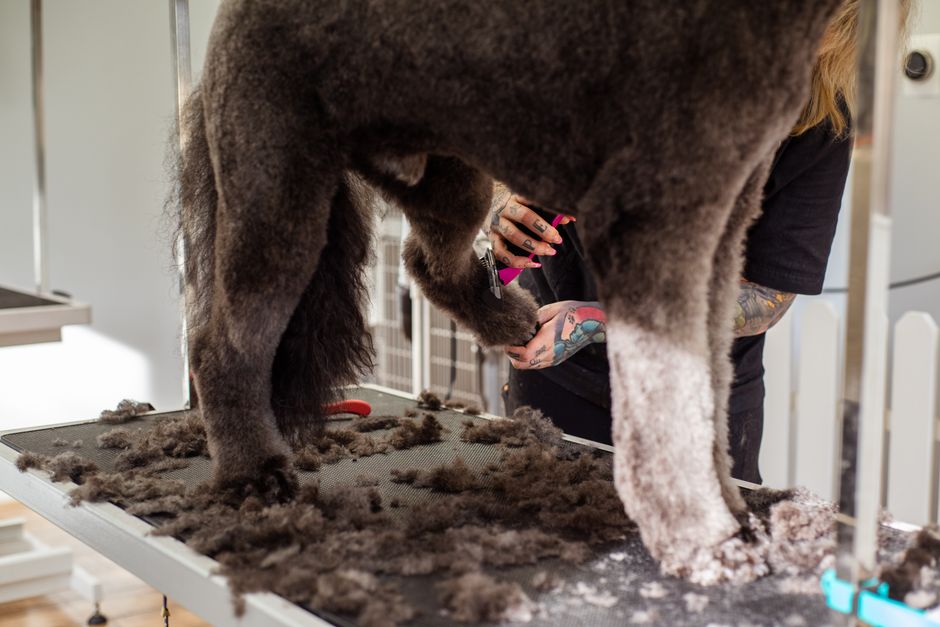
The Future of Responsible Breeding Practices
As the popularity of the mix breed of german shepherd continues to grow across the United States, the focus of the canine community is shifting toward sustainability and ethical oversight. Prospective owners are becoming increasingly discerning, demanding transparency regarding lineage, health history, and temperamental stability. By prioritizing science-backed breeding methods, the industry aims to move away from indiscriminate backyard breeding and toward a future where every hybrid dog is bred with purpose and long-term welfare in mind.
DNA Testing and Its Role in Understanding Your Dog
The integration of advanced genetic tools has revolutionized how owners identify the specific traits of their mix breed of german shepherd. Modern technology allows breeders and owners to gain deep insights into a dog’s ancestry, health predispositions, and physical development.
- Predicting Health Risks: DNA panels can screen for common hereditary issues prevalent in both parent breeds, allowing for early intervention.
- Ancestry Verification: Owners can confirm the exact percentages of the breed mix, which helps in anticipating future size and coat maintenance needs.
- Informed Care: Understanding genetic markers allows for a tailored approach to German Shepherd coat care and maintenance, ensuring the dog’s skin and fur health are managed correctly.
- Scientific Backing: Platforms like the AKC Canine Health Foundation provide extensive research on why understanding genetic markers is vital for the longevity of large, active breeds.
Ethical Sourcing and Supporting Local Rescues
Responsible breeding extends beyond the kennel; it involves a commitment to ethical sourcing and the support of animal welfare organizations. Because many hybrid dogs end up in shelters due to misunderstood energy levels, supporting ethical systems is paramount.
- Prioritize Rescues: Many high-quality mix breed of german shepherd candidates are available in local shelters. Adopting from Petfinder or local breed-specific rescues ensures that an animal is given a second chance while curbing the demand for mass-produced puppies.
- Transparency Matters: If choosing a breeder, look for those who perform rigorous health testing and are transparent about their breeding goals.
- Community Education: Responsible owners act as advocates, sharing information about the specific behavioral needs of these crosses to prevent impulsive adoptions that lead to surrender.
- Health Standards: Ethical breeders adhere to guidelines established by major organizations like the American Veterinary Medical Association, ensuring that welfare and temperament are prioritized over aesthetic trends.
By combining genetic knowledge with a commitment to rescue and ethical oversight, the future for these unique dogs remains bright, ensuring they lead healthy, fulfilling lives in their forever homes.
Conclusion: Celebrating Your Unique Mix Breed of German Shepherd
Choosing a mix breed of German shepherd is a rewarding journey that brings a truly one-of-a-kind companion into a household. Because every hybrid inherits a unique blend of traits from their parent breeds, owners are often rewarded with dogs that possess the sharp intelligence of a working canine combined with the affectionate, balanced personality of a family pet. Embracing the individuality of these dogs is what makes the experience of ownership so special.
Why Your Hybrid is One-of-a-Kind
- Genetic Uniqueness: Unlike purebreds, a mix breed of german shepherd displays a distinct physical and temperamental profile that is rarely duplicated.
- Adaptable Personalities: They often excel at tasks ranging from service work to leisurely hiking, provided they receive proper socialization.
- Resilience: While health can vary, many owners look toward the concept of hybrid vigor as a potential benefit for overall vitality.
Tips for a Lifetime of Success
To ensure your companion thrives, consider these essential practices:
- Prioritize Education: Understand the specific breed traits by consulting resources like the American Kennel Club for foundational knowledge on the GSD lineage.
- Maintain Hygiene: Managing the coat of a shepherd mix requires consistency; owners should follow a complete guide to GSD coat maintenance to prevent matting and manage shedding.
- Invest in Health: Always monitor for breed-specific issues like hip dysplasia, as documented by organizations such as the Orthopedic Foundation for Animals, which provides critical data on inherited health conditions.
- Positive Reinforcement: Because these dogs are highly intelligent, they thrive on clear, rewards-based training methods that challenge their minds.
Final Thoughts
Whether you adopted your dog from a local rescue or sought out a responsible breeder, you have gained a partner that is as intelligent as it is loyal. By providing consistent structure, proper nutrition, and plenty of mental stimulation, owners can ensure their dog lives a long, healthy life.
Every mix breed of german shepherd is a testament to the versatility and beauty of canine diversity. Cherish the quirks, celebrate the training milestones, and enjoy the lifelong bond formed with such a remarkable, spirited animal.


