German Shepherds are one of the most intelligent, loyal, and versatile dog breeds in the world. They are commonly known for their work in police departments, military services, search and rescue teams, and as devoted family companions. However, many owners often ask, Are German Shepherds Stubborn when their dog ignores commands, tests boundaries, or refuses to follow instructions.
The truth is that German Shepherds are not naturally stubborn in the same way some independent breeds can be. Their behavior is often linked to intelligence, energy levels, training methods, socialization, and their relationship with their owners. A German Shepherd may appear stubborn when they are bored, confused, lacking motivation, or when they have learned that ignoring a command gives them a reward.
Understanding why your German Shepherd behaves a certain way is important because this breed requires mental stimulation, consistent training, and positive guidance. With the right approach, most German Shepherds become highly obedient and responsive dogs.
This article explains the reasons behind German Shepherd behavior, whether they are actually stubborn, and how owners can improve communication with their dogs.
Are German Shepherds Stubborn Dogs? Understanding Why They Act This Way

German Shepherds are not usually classified as a stubborn breed. They are highly trainable dogs because of their intelligence, focus, and desire to work with humans. However, their intelligence can sometimes create behaviour that owners interpret as stubbornness.
A German Shepherd may refuse to do something if they do not understand what is expected of them. Unlike some dogs that blindly follow commands, German Shepherds often observe situations and make decisions based on their environment. This problem-solving ability is one reason they are successful working dogs.
For example, if a German Shepherd does not come when called, it may not mean the dog is being difficult. The dog may be distracted by another animal, lacking recall training, or finding something else more rewarding.
Another reason they may appear stubborn is their high energy level. German Shepherds require both physical exercise and mental challenges. Without enough activity, they can become restless and may ignore commands because they are focused on releasing their energy.
Training consistency also plays a major role. If an owner sometimes allows unwanted behavior and sometimes corrects it, the dog may become confused. German Shepherds learn patterns quickly, so inconsistent rules can make them seem difficult to manage.
A well-trained German Shepherd is usually eager to please and enjoys having a job or purpose. Their behavior depends greatly on early training, socialization, and the bond they develop with their owner.
Are German Shepherds Stubborn to Their Owners?
Many owners wonder, Are German Shepherds Stubborn to their owners specifically. In most cases, a German Shepherd is not trying to challenge its owner. Instead, the behavior usually comes from communication problems between the dog and human.
German Shepherds form strong bonds with their families. They are naturally protective and often pay close attention to their owner’s emotions and actions. However, because they are intelligent, they may sometimes test boundaries, especially during adolescence.
Young German Shepherds can go through phases where they appear less obedient. During this stage, they may ignore commands they previously understood, become easily distracted, or show more independence. This is a normal part of development rather than true stubbornness.
Positive reinforcement training works especially well with this breed. Rewarding good behaviour with praise, treats, or play helps them understand what actions are expected. Harsh training methods can damage trust and may make the dog less responsive.
A German Shepherd that refuses commands repeatedly may need clearer communication rather than stronger correction. Owners should consider whether the command is understood, whether distractions are too strong, or whether the dog has enough motivation.
The relationship between the owner and dog matters greatly. German Shepherds usually respond best when they respect and trust their handler. Building cooperation creates better results than trying to force obedience.
Why Are German Shepherds So Stubborn?
The question “why are German Shepherds so stubborn” often comes from owners who experience challenges during training. However, what looks like stubbornness is usually caused by several factors.
One major reason is their intelligence. German Shepherds are capable of analyzing situations and making decisions. This means they may hesitate if they do not see a reason to follow a command. Their independent thinking can sometimes be mistaken for disobedience.
Another factor is insufficient training. German Shepherds need regular practice throughout their lives. Training only during puppyhood is not enough because dogs continue learning from their environment. Without continued guidance, they may develop unwanted habits.
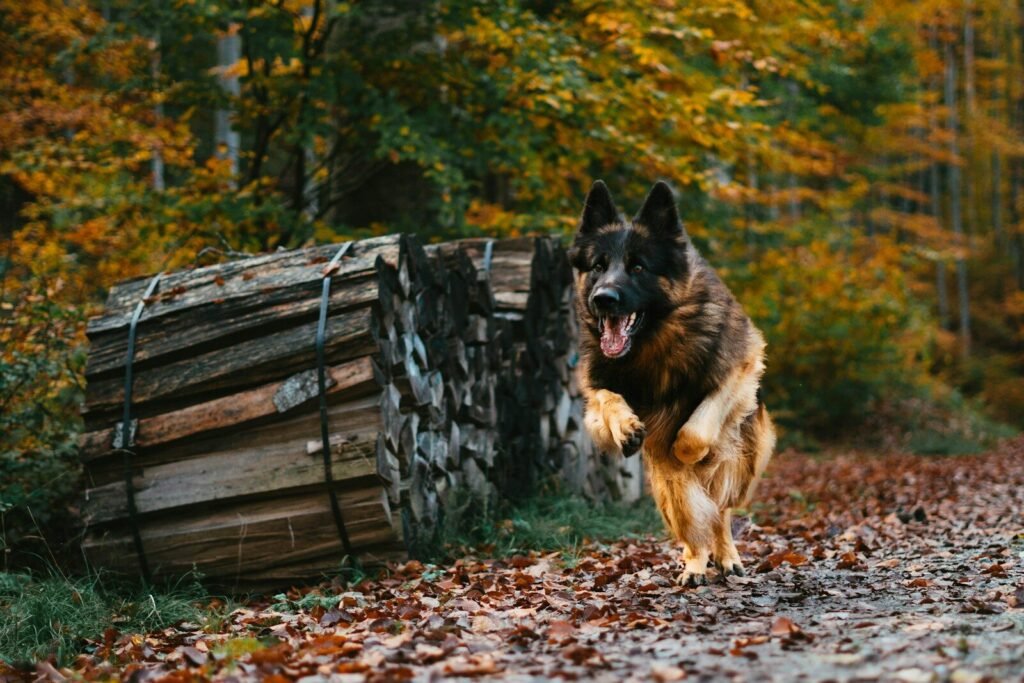
Boredom is another common cause. A German Shepherd without enough stimulation may create its own entertainment, which can include ignoring commands, excessive barking, digging, or chewing. Mental exercises such as obedience games, puzzle toys, and scent activities can help reduce these behaviors.
Fear or stress can also affect obedience. A dog that feels uncomfortable may not respond normally. Owners should pay attention to body language and identify whether the dog is refusing or simply struggling.
According to the American Society for the Prevention of Cruelty to Animals (ASPCA), understanding animal behavior and using positive training approaches can help improve communication and reduce unwanted behaviors.
German Shepherds are naturally driven dogs. When they have proper leadership, exercise, and mental engagement, their so-called stubborn behavior usually decreases.
Are Female German Shepherds Stubborn?
Some owners believe female German Shepherds are more stubborn than males, but personality differences depend more on the individual dog than gender alone.
Female German Shepherds are often described as focused, attentive, and slightly more independent. Some females may appear stubborn because they are confident and less likely to seek constant attention compared with some male dogs.
However, many female German Shepherds are extremely obedient and responsive with proper training. Their behaviour depends on genetics, early socialisation, environment, and the quality of training they receive.
Female German Shepherds may also mature faster than males, meaning they sometimes show independence earlier. During adolescence, they may test boundaries and require consistent guidance.
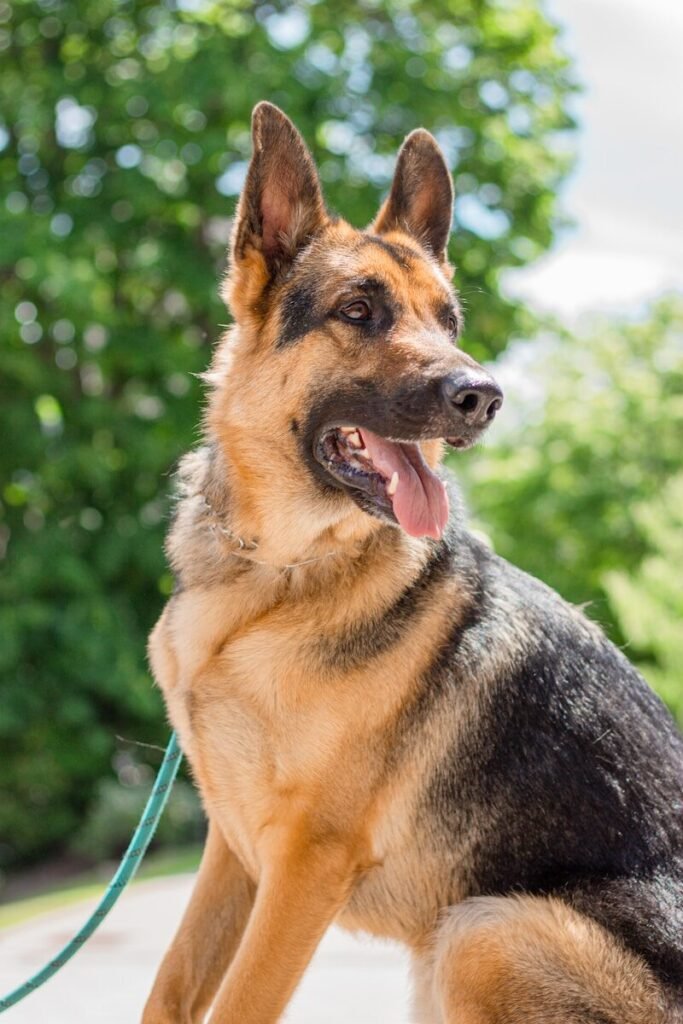
Owners should focus on understanding their dog’s personality instead of assuming behaviour is caused by gender. Both male and female German Shepherds can become excellent companions when trained properly.
Why Is My German Shepherd Not Aggressive?
Many people expect German Shepherds to be naturally aggressive because they are commonly used as police, military, and protection dogs. However, a well-balanced German Shepherd is not supposed to be aggressive without reason. A properly socialized dog should be confident, alert, and protective while still being able to interact calmly with people and other animals.
If your German Shepherd is friendly, relaxed, or avoids conflict, this is not a sign of weakness. In fact, a stable temperament is one of the most desirable qualities in this breed. Professional working dogs are trained to respond to specific situations, not to act aggressively all the time.
Some owners may confuse confidence with aggression. A confident German Shepherd may stand alert, observe strangers, or bark when something unusual happens. Aggression, however, involves behaviors such as uncontrolled attacking, extreme fear reactions, or inability to calm down.
Several factors influence a German Shepherd’s behaviour. Early socialisation is one of the most important factors. Dogs introduced to different people, environments, sounds, and experiences during puppyhood often become more confident adults.
Training methods also shape behaviour. Dogs trained with patience and consistency usually develop better emotional control. Fear-based training can sometimes create anxiety or defensive reactions instead of healthy protection.
If a German Shepherd is not aggressive, it often means the dog feels safe, trusts its owner, and has a balanced personality. Owners should focus on obedience, communication, and confidence-building rather than trying to create unnecessary aggression.
Several research papers highlight the importance of responsible ownership, appropriate training, and understanding animal behaviour to support healthy relationships between pets and owners.
Are German Shepherds Chewers?
Many owners ask, Are German Shepherds Stubborn and connect stubborn behavior with chewing problems. However, chewing is usually not caused by stubbornness. German Shepherds are naturally active and intelligent dogs, and chewing is a normal behavior that can become excessive when their needs are not met.
Puppies especially chew because they are exploring the world and going through teething. Chewing helps young dogs relieve discomfort as their adult teeth develop. Providing suitable chew toys and teaching boundaries can prevent unwanted habits.
Adult German Shepherds may chew furniture, shoes, or household items due to boredom, anxiety, lack of exercise, or insufficient mental stimulation. Since this breed has a strong working instinct, they need activities that challenge their mind.
A German Shepherd that spends long periods alone without engagement may find its own activities. Unfortunately, those activities may include destructive chewing. Regular walks, training sessions, playtime, and interactive toys can reduce this behavior.
Owners should avoid simply punishing chewing after it happens because dogs may not understand why they are being corrected. Redirecting them toward appropriate toys and rewarding good choices is usually more effective.
Chewing can also be linked to stress. Separation anxiety, changes in routine, or unfamiliar environments may cause a dog to chew as a coping mechanism. Identifying the reason behind the behavior is the key to solving it.
Are Pitbulls Stubborn?
People often compare different dog breeds and ask, are Pitbulls stubborn compared with German Shepherds. Many Pitbull-type dogs are intelligent, energetic, and eager to interact with their owners.
What appears to be stubbornness is often related to energy, excitement, or inconsistent training. Like German Shepherds, they usually respond well when owners provide structure, positive reinforcement, and regular exercise.
Each dog has its own personality. Breed characteristics can influence behavior, but training and environment play major roles in shaping how a dog behaves.
Are Rottweilers Stubborn?
Rottweilers are another intelligent working breed that owners sometimes describe as stubborn. Their confidence and independence can sometimes make them appear difficult during training.

However, Rottweilers are capable learners and often develop strong loyalty toward their families. They usually need a consistent owner who provides clear expectations and regular training.
A Rottweiler that receives proper guidance can become obedient, calm, and reliable. Their strong personality means they benefit from early socialization and structured routines.
Are Golden Retrievers Stubborn?
Golden Retrievers are generally considered one of the easier breeds to train, but they can still show stubborn behavior at times. Their playful nature and excitement can make them distracted.
A Golden Retriever may ignore commands because they are focused on something more interesting, such as another dog, food, or playtime. This does not necessarily mean they are refusing intentionally.
Like German Shepherds, Golden Retrievers benefit from positive reinforcement, patience, and consistent training. Every breed can show challenging behaviors depending on the situation. If you want to learn more about this topic, check out our detailed guide on Are Golden Retrievers Stubborn? to understand their behaviour, training challenges, and personality traits.
How to Train a German Shepherd That Seems Stubborn
Training a German Shepherd requires understanding how the breed thinks. Because they are intelligent and energetic, repetitive training without purpose may become boring for them.
Short and consistent training sessions are often more effective than long sessions. German Shepherds usually respond well when training includes variety, rewards, and mental challenges.
Building a strong relationship is also important. Dogs naturally cooperate more with owners they trust. Spending quality time together through walks, games, and training strengthens communication.
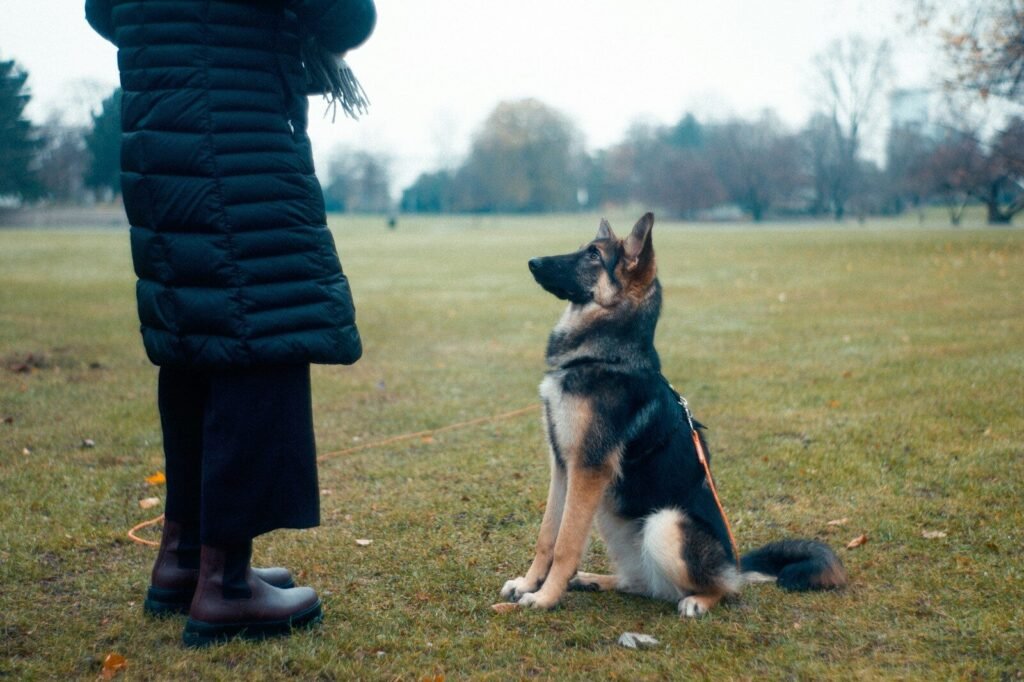
Owners should also avoid accidentally rewarding unwanted behavior. For example, if a dog refuses a command and receives attention or a reward anyway, the dog may learn that ignoring commands works.
Patience is essential because behavior improvement takes time. A German Shepherd is not trying to be difficult; the dog is learning how to understand expectations.
Final Thoughts: Are German Shepherds Stubborn?
So, Are German Shepherds Stubborn? They can sometimes appear stubborn, but most of the time their behavior comes from intelligence, independence, boredom, unclear communication, or insufficient training rather than true stubbornness.
German Shepherds are highly capable dogs that thrive when they receive proper exercise, mental stimulation, and consistent guidance. Their ability to think independently is one of the reasons they are valued as working dogs worldwide.
Instead of viewing stubborn moments as a negative trait, owners can use them as an opportunity to improve communication and strengthen their bond. With the right approach, a German Shepherd can become an obedient, loyal, and well-behaved companion.
Frequently Asked Questions (FAQ)
- Do German Shepherds have behavior problems?
German Shepherds can develop behavior problems if they do not receive enough training, exercise, socialization, or mental stimulation. Common issues include excessive barking, chewing, jumping, anxiety, and ignoring commands, but these behaviors can usually be improved with proper guidance.
- What is the most stubborn dog?
Some dog breeds are considered more independent or strong-willed than others, which can make them appear stubborn. However, stubbornness often depends on training, personality, motivation, and the relationship between the dog and owner rather than breed alone.
- What are the downsides of owning a German Shepherd?
German Shepherds require a lot of physical activity, mental stimulation, and consistent training, which may be challenging for some owners. They can also shed heavily and may develop destructive behaviors if they become bored or do not receive enough attention.
- Can a German Shepherd turn on its owner?
A healthy and properly trained German Shepherd is unlikely to suddenly turn against a trusted owner without a reason. Aggressive behavior is usually linked to fear, poor socialization, mistreatment, illness, or lack of proper training.
- How do German Shepherds say “sorry”?
German Shepherds may show signs that appear like an apology, such as lowering their body, avoiding direct eye contact, approaching calmly, or offering gentle affection. These behaviors usually show that the dog is responding to your emotions rather than understanding “sorry” like humans do.
- Who should not own a German Shepherd?
People who cannot provide regular exercise, training, socialization, and attention may struggle with owning a German Shepherd. This breed is best suited for owners who understand their high energy level and need for structure.
- What is rage syndrome in German Shepherds?
Rage syndrome is a rare and controversial condition involving sudden aggressive episodes that appear out of proportion to the situation. Any sudden behavior change in a German Shepherd should be evaluated by a veterinarian and a qualified behavior professional.
- Do German Shepherds pick one person?
German Shepherds often form very strong bonds with one particular person, especially the person who trains, feeds, and spends the most time with them. However, with proper socialization, they can still build loving relationships with the entire family.
- Who would win in a fight, a man or a German Shepherd?
A physical fight between a person and a dog is unpredictable and depends on many factors, including size, strength, training, and circumstances. Responsible ownership focuses on preventing conflicts through training, control, and understanding dog behavior rather than comparing strength.


