
Persian cats are widely celebrated for their luxurious coats, sweet expressions, and exceptionally calm demeanors. However, many owners find themselves asking, “why my persian cat is aggressive?” when their usually quiet pet begins to hiss, scratch, or bite. While aggression in these flat-faced felines can be incredibly jarring, it is rarely random. It typically signals an underlying medical issue, sensory overload, or unmet environmental needs. Understanding the root causes of feline hostility is the first critical step toward restoring peace in the household.
The Docile Reputation of the Persian Breed
For centuries, the Persian cat has been the quintessential “lap cat.” Their breed standard describes them as gentle, quiet, and highly affectionate companions who prefer serene environments.
-
Low-Key Temperament: Unlike high-energy breeds, Persians are famous for their slow-paced lifestyle and love of lounging.
-
Quiet Communication: They typically communicate with soft, melodic chirps rather than loud, demanding vocalizations.
-
Preference for Routine: These cats thrive on predictability and calm surroundings, making them popular choices for quiet households.
Because of this peaceful reputation, sudden behavioral shifts leave many owners searching for answers. The question of “why my persian cat is aggressive” often arises when this breed’s natural tolerance is pushed past its limit. Recognizing that even the most docile breed has boundaries is key to resolving conflict.
When Quiet Felines Unexpectedly Lash Out
When a normally gentle Persian cat displays hostile behavior, it is crucial to analyze the context of the outburst. Feline behavioral experts at the ASPCA note that feline aggression is generally divided into offensive and defensive postures, each requiring a different approach to resolve safely.
To better understand Why do Persian cats get aggressive?, consider these common catalysts:
-
Undiagnosed Pain: Due to their unique brachycephalic (flat-faced) anatomy, Persians are prone to dental issues, eye irritation, and joint discomfort that can trigger defensive biting.
-
Sensory Overload: Their long, thick coats are highly sensitive, and overstimulation during grooming or petting sessions can quickly turn into aggression.
-
Environmental Shifts: Unfamiliar guests, new pets, or loud noises can easily overwhelm their delicate nervous systems.
When these triggers occur, owners must learn how to calm down a Persian cat safely, rather than responding with physical discipline, which only worsens the cat’s fear and anxiety. According to research from the Cornell University College of Veterinary Medicine, addressing the underlying motivation—whether it is fear, territorial defense, or pain—is the only effective way to modify the behavior.
Why My Persian Cat Is Aggressive to Other Cats
Persian cats are widely celebrated for their quiet, sweet, and easygoing temperaments. However, owners are often left bewildered when these fluffy companions display unexpected hostility toward other felines in the household. When trying to understand why my persian cat is aggressive toward other cats, it is essential to look past their gentle reputation and examine the underlying feline instincts that govern their social interactions. From subtle shifts in hierarchy to environmental stressors, multiple triggers can disrupt the peace in a multi-cat home.
Territorial Instincts and Resource Guarding
Despite their placid demeanors, Persian cats retain the ancestral instincts of territorial predators. When resources feel scarce or poorly distributed, a Persian cat may resort to hostile behaviors to protect their domain.
-
The Concept of Territory: Cats view the home as their personal hunting and nesting ground. Introducing another feline can trigger defense mechanisms, leading to hissing, swatting, or stalking behaviors.
-
Key Resources Worth Guarding: Persian cats, despite their calm nature, still feel the instinctive pull to protect what they consider essential for survival. When these key resources are limited or poorly placed, even the most easygoing feline can slip into territorial aggression toward housemates. Recognizing which resources are most likely to spark conflict helps owners get ahead of the problem before hissing and swatting become routine. The most common flashpoints include shared feeding stations, insufficient litter boxes, and limited access to elevated resting spots, all of which force cats into closer contact than their instincts are comfortable with.
-
Food and Water Bowls: Placing feeding stations too close together forces cats into close proximity, triggering resource anxiety.
-
Litter Boxes: A lack of facilities is a primary driver of inter-cat conflict. Feline behavior experts recommend maintaining one litter box per cat, plus one extra in the home.
-
High Perches and Safe Zones: Persians enjoy comfortable, elevated resting areas where they feel secure.
When owners wonder, “How do I stop my cat from being aggressive?“, the first step is often environmental modification. Ensuring that every feline has independent access to essential resources without needing to cross paths with a rival is crucial. According to research published by the American Association of Feline Practitioners, reducing environmental competition is the cornerstone of resolving household feline conflict.
Reintroduced Aggression After Veterinary Visits
One of the most perplexing scenarios occurs when two cats that previously coexisted peacefully suddenly start fighting. This phenomenon, known as non-recognition aggression, frequently happens after one cat returns from a veterinary clinic or grooming salon.
-
The Power of Scent: Cats rely heavily on olfactory communication. A cat returning from the clinic smells of antiseptics, medications, stress hormones, and unfamiliar humans. To the resident Persian, their companion now smells like a threatening stranger.
-
Sensory Disruption: Because the returning cat smells different, the resident cat’s fight-or-flight response is triggered. This can lead to intense hissing, growling, and physical attacks.
For those attempting to figure out how to calm down a Persian cat experiencing this sensory shock, taking a systematic approach to re-establishing a peaceful environment is vital:
-
Temporary Isolation: Keeping the returning cat in a separate room for 12 to 24 hours allows them to groom themselves and regain the communal family scent.
-
Scent Transfer: Rubbing a clean towel over the resident cat and then gently over the returning cat helps re-establish their shared scent profile.
-
Gradual Reintroduction: Allowing the felines to sniff each other under a closed door before permitting direct face-to-face contact prevents sudden conflicts.
Understanding these sensory triggers helps explain why my persian cat is aggressive in these specific situations, transforming what seems like random malice into a manageable, instinct-driven behavior. For more scientific insights into feline scent communication and social structures, the Cornell Feline Health Center provides comprehensive resources on managing inter-cat aggression and household harmony.
Why My Persian Cat Is Aggressive to Strangers
While Persian cats are widely celebrated for their placid, gentle, and affectionate demeanors, they can occasionally exhibit unexpected behavioral shifts around visitors. If a normally serene feline suddenly starts hissing, swatting, or hiding when guests arrive, it can leave a pet parent wondering why my persian cat is aggressive in social situations. This behavior is rarely a sign of malice; rather, it is typically a defensive reaction to feeling overwhelmed or unsafe. Understanding the underlying triggers of why my persian cat is aggressive to strangers is the first step toward restoring peace in the household.
Fear-Induced Aggression Around Unfamiliar People
Persian cats thrive on routine and predictable, quiet environments. When unfamiliar people enter their territory, it can completely disrupt their sense of security. Felines that feel cornered or unable to escape a perceived threat will often resort to defensive aggression to protect themselves.
Key triggers and signs of fear-induced stranger aggression include:
-
Intrusive physical contact: Guests immediately reaching out to pet, hold, or pick up the cat without prior acquaintance.
-
Loud noises and sudden movements: Strangers laughing loudly, stomping, or moving quickly through the feline’s environment.
-
Trapped sensations: Being cornered in a room, hallway, or on a piece of furniture with no clear escape route to a safe zone.
To manage this behavior and learn how to calm down a Persian cat?, owners should advise guests to completely ignore the feline upon arrival. Allowing the cat to approach visitors on their own terms prevents the defensive response. According to studies highlighted by the Cornell Feline Health Center, forcing interactions with a fearful cat only escalates their anxiety and increases the risk of defensive scratches or bites.
Lack of Early Socialization in Kittenhood
The foundation of a cat’s adult temperament is laid during their prime socialization window, which occurs between two and nine weeks of age. If a Persian kitten was not gently exposed to a variety of people, sights, and sounds during this critical developmental period, they are much more likely to view strangers as potential predators.
Why early socialization matters for Persians:
-
Building confidence: Kittens raised with diverse, positive human interactions learn that new people are sources of safety and treats, not danger.
-
Preventing defensive instincts: Without this exposure, the default response to any unfamiliar human is extreme caution or defensive hostility.
-
Reducing long-term anxiety: Well-socialized cats adapt more easily to changing environments, vet visits, and house guests.
When dealing with an under-socialized adult, pet owners often search for solutions on how to stop a Persian cat from biting? when guests are near. According to behavioral guidelines from the ASPCA, the key is slow desensitization and counter-conditioning. The American Association of Feline Practitioners also emphasizes that punishment should never be used, as it only reinforces the cat’s fear and worsens the behavior. By pairing the presence of strangers with high-value treats at a comfortable distance, the cat can gradually unlearn their fearful associations over time.
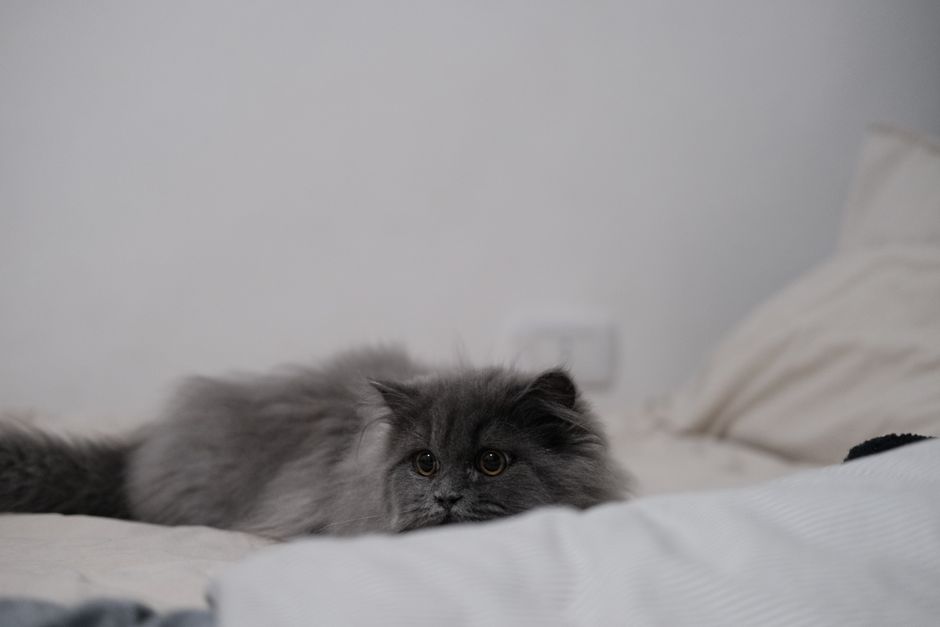
Medical Reasons Behind Persian Aggression
When a normally docile, sweet-tempered feline suddenly exhibits hostile behaviors like scratching, hissing, or biting, the underlying cause is rarely pure behavioral defiance. For owners struggling to understand why my persian cat is aggressive, the first and most critical diagnostic step is scheduling a thorough veterinary examination. Cats are evolutionary masters at concealing pain to avoid appearing vulnerable to predators. Consequently, sudden behavioral shifts are often the only visible symptoms of underlying physiological distress. According to research from the Cornell University College of Veterinary Medicine, physical pain is one of the primary drivers of feline aggression. When physical pain or systemic illness reaches an unbearable threshold, a Persian cat’s gentle demeanor can quickly dissolve into defensive or pain-induced irritability.
Hidden Pain and Joint Discomfort
Persian cats are highly susceptible to several chronic pain conditions that directly influence their mood and behavior. Because they cannot verbally communicate their suffering, their physical discomfort is frequently redirected toward human handlers or fellow household pets. This often leaves owners searching for answers to the question: Why do Persian cats get aggressive?
Several hidden musculoskeletal issues can spark this sudden defensive behavior:
-
Osteoarthritis and Degenerative Joint Disease (DJD): Studies show that osteoarthritis is incredibly common in aging felines, affecting up to 90% of cats over the age of 10. When joints inflame, simple actions like jumping, climbing, or even being gently touched can cause sharp pain.
-
Petting-Induced Pain: If an owner strokes a Persian cat along its lower back, hips, or spine—which are common sites for arthritis and painful bone spurs—the cat may react with immediate defensive hostility.
-
Matted Fur Aggravation: The long, luxurious double coat of a Persian is highly prone to severe matting. When mats tighten against the skin, they pull constantly, causing localized skin inflammation. Touching these tender areas, especially when compounded by underlying joint pain, can cause even the most loving pet to lash out.
Common Indicators of Joint Pain in Persians:
-
Reluctance to jump onto furniture, high perches, or navigate stairs.
-
A stiff or limping gait, particularly when first waking up from a nap.
-
Withdrawal or hiding in quiet, low-traffic areas of the home to avoid interaction.
-
Vocalizing, hissing, or swiping specifically when the hips, legs, or lower back are handled.
For owners struggling with how to address these pain points and wondering how to calm down a Persian cat?, seeking a veterinary evaluation is paramount. Veterinarians can prescribe feline-safe anti-inflammatory medications, joint supplements, or modern monoclonal antibody therapies to restore physical comfort and alleviate pain-induced irritability.
Dental Issues and Flat-Faced Health Complications
The distinctive flat face—or brachycephalic skull structure—of the modern Persian breed is a major genetic predisposing factor for severe medical discomfort. These anatomical abnormalities frequently give rise to chronic pain, forcing owners to investigate why my persian cat is aggressive to understand their pet’s sudden behavioral change.
-
Dental Disease and Malocclusion: The shortened jaw of brachycephalic cats compresses their dental arcade, leading to severe crowding and misaligned teeth. According to clinical resources from International Cat Care, jaw deformities can lead to severe dental disease and potential problems with eating, drinking, and grooming.
-
Periodontitis and Tooth Resorption: Cats suffer silently from painful conditions like feline odontoclastic resorptive lesions (FORLs), where the body literally dissolves the tooth from the inside out.
-
Aggression During Meals: Eating hard kibble can send excruciating pain shooting through the jaw. A painful cat may growl or hiss at their food bowl, show sudden irritability after eating, or aggressively swipe at anyone who approaches their face. Identifying and managing these oral issues is a critical step in learning how to stop a Persian cat from biting? or exhibiting other defensive postures.
-
Brachycephalic Obstructive Airway Syndrome (BOAS): The extremely narrow nasal passages (stenotic nares) and elongated soft palates of modern Persians force them to breathe through a highly constricted airway. Research documented on the National Institutes of Health database highlights that extreme brachycephaly is linked to significant skull dysmorphology and secondary respiratory distress.
-
Sensory and Respiratory Overload: A cat that is perpetually struggling to breathe is highly stressed. The elevated cortisol levels caused by chronic respiratory distress lower their threshold for agitation, making them react with defensive anger to minor environmental triggers.
-
Chronic Facial and Ocular Discomfort: Deep facial folds trap moisture, tears, and bacteria, leading to painful skin fold dermatitis. Furthermore, protruding eyes and deformed tear ducts cause constant ocular discharge and painful corneal ulcers. When an owner tries to clean the cat’s face or groom these sensitive areas, the severe discomfort can cause the cat to bite or scratch defensively.
Environmental Triggers and Sensory Overload
Persian cats are widely celebrated for their gentle, serene demeanor. However, even the most soft-tempered feline can experience sudden shifts in behavior when pushed past their sensory limits. Understanding why my persian cat is aggressive often requires owners to look beyond their quiet reputation and examine the immediate surroundings. Sensory overload, unexpected changes, and physiological sensitivities can transform a peaceful companion into a defensive and highly stressed animal.
Feline Hyperesthesia and Petting Sensitivity
While many owners expect their Persian to enjoy endless grooming and affection, some individuals suffer from a neurological or dermatological condition known as Feline Hyperesthesia Syndrome (FHS). According to the Cornell Feline Health Center, this syndrome causes extreme skin sensitivity, typically along the lower back and tail base. When touched in these highly sensitive areas, a Persian cat can experience intense, uncomfortable sensations, causing them to lash out without warning.
Key signs of hyperesthesia and petting sensitivity to look for:
-
Skin Rippling: Visible twitching or rolling of the skin along the spine.
-
Sudden Grooming Frenzy: Abruptly biting, licking, or chewing at their tail or hindquarters.
-
Dilated Pupils: Widening eyes accompanied by frantic running or tail chasing.
-
Unprovoked Hissing or Swatting: Turning on a hand that was peacefully petting them just seconds prior.
This intense sensory overload answers a common question among cat owners: Why do Persian cats get aggressive? during normal bonding moments. When the nervous system becomes overstimulated, the animal enters a defensive “fight or flight” state. If an owner is trying to figure out How to calm down a Persian cat? after such an episode, the best approach is to immediately stop all physical contact and let the cat retreat to a quiet area.
Changes in Household Dynamics and Loud Noises
Persian cats thrive on strict routines and highly predictable environments. Because they possess a quiet, introverted nature, their tolerance for chaotic surroundings is significantly lower than that of more active, adaptable breeds. Major shifts in the home environment can easily overstimulate a Persian, causing their stress levels to boil over into defensive aggression.
Common environmental stressors include:
-
Loud Noises: Construction, fireworks, vacuum cleaners, and shouting can trigger severe fear-based responses.
-
Home Renovations: Moving furniture, painters, and changing the physical layout of rooms can disorient this flat-faced breed.
-
New Additions: Introducing a new infant, visitor, or pet can disrupt their established territory, as noted by the ASPCA in their research on feline aggression triggers.
-
Disrupted Routine: Inconsistent feeding times or fluctuating schedules can raise cortisol levels.
When owners ask, “why my persian cat is aggressive,” the answer is often found in a chaotic household environment. Setting up a dedicated safe haven—equipped with a white noise machine, familiar bedding, and plenty of hiding spots—helps minimize these distressing triggers and allows the cat to regain a sense of control.

Redirected Aggression in Persian Cats
Persian cats are widely celebrated for their quiet, sweet-tempered dispositions. However, even the most serene feline can exhibit sudden bursts of hostility when experiencing redirected aggression. When owners search desperately to understand why my persian cat is aggressive, they often overlook the powerful impact of environmental stressors. This type of behavioral problem occurs when a cat is triggered and highly aroused by an external threat but cannot physically reach it, resulting in the cat taking out their frustration on a nearby pet or human.
What Is Redirected Aggression?
According to behavioral experts at the ASPCA, redirected aggression is one of the most dangerous and unpredictable types of feline hostility because the attacks are often uninhibited. In these situations, the cat is not actually angry at their owner or the companion animal they target; rather, they are experiencing an intense physiological state of fight-or-flight.
Key characteristics of redirected aggression include:
-
The Thwarter Factor: The cat is highly aroused by a stimulus they cannot reach (such as a stray animal outside the window) and strikes whatever—or whoever—is closest.
-
Delayed Recovery: Arousal levels do not drop immediately. A Persian cat can remain highly agitated for hours, or even days, after the initial event.
-
Misidentified Target: Owners often wonder, “Why do Persian cats get aggressive?” when their pet suddenly attacks out of nowhere. In reality, the cat has merely displaced their terror or anger onto an innocent bystander.
If a pet owner is wondering how to calm down a Persian cat after such an event, the most crucial step is to avoid physical contact entirely. Approaching an agitated cat can result in severe scratches or bites. Instead, they should be safely corralled into a darkened room using a large blanket or piece of cardboard as a shield, allowing them several hours to fully decompress.
How Outdoor Stimuli Spark Indoor Anger
The indoor environment is supposed to be a safe haven, but windows and glass doors can act as gateways to intense frustration. For a flat-faced breed like the Persian, sensory overload can occur rapidly when they spot outside triggers that they cannot interact with or defend their territory against.
Common outdoor triggers that spark redirected aggression include:
-
Stray Cats or Local Wildlife: Seeing another feline prowling through the yard is the most frequent cause of intense territorial arousal.
-
Loud, Unfamiliar Noises: Construction work, lawnmowers, or barking dogs can terrify a sensitive Persian, causing them to lash out at the nearest housemate.
-
Novel Scents: Unfamiliar odors tracked in on an owner’s clothing or shoes can make a cat feel threatened, leading to sudden defensive posturing.
To manage and prevent these sudden outbursts, pet owners can consult clinical guides such as the feline behavior resources provided by the Cornell Feline Health Center. Implementing simple environmental changes, like closing window blinds, using opaque window films, or installing motion-activated deterrents to keep stray animals away, can drastically reduce the occurrence of these stressful episodes.
Why My Persian Cat Is Aggressive: Reddit Community Insights
While feline behavioral textbooks offer structured, clinical explanations for behavioral issues, online forums like Reddit provide raw, firsthand accounts from actual pet parents navigating these exact struggles. When trying to figure out why my persian cat is aggressive, crowdsourced discussions often reveal a stark contrast between the breed’s notoriously sweet, couch-potato reputation and the reality of unexpected swatting, biting, or territorial behavior. Many owners turn to these digital communities to understand if their cat’s sudden behavioral changes are isolated incidents or part of a broader trend within the breed. According to resources like the Cornell University College of Veterinary Medicine, feline aggression can stem from multiple emotional states, including fear, pain, or territorial disputes, which heavily aligns with the real-world situations described by Persian owners online.
Common Real-World Experiences Shared by Reddit Users
On popular feline subreddits, Persian owners frequently share experiences of sudden, inexplicable mood shifts. In these communities, a common query is: Are Persian cats aggressive to other cats? Reddit threads highlight that while Persians are generally docile, their low tolerance for high-energy play can make them highly defensive when sharing a home with more active, demanding cat breeds.
Some of the most common real-world experiences detailed by the Reddit community include:
-
Overstimulation Swats: Many users report that their Persian will go from enjoying a gentle grooming session to suddenly hissing and scratching. This is often linked to the breed’s sensitive skin and prone-to-matting long coats.
-
The “Silent” Warning: Unlike other breeds that growl loudly, Persian owners note that their flat-faced cats often give very subtle warning signs—like slightly widened eyes, minor ear twitching, or a stiffened posture—before lashing out.
-
The Shock of Sudden Attacks: Some threads feature distressed owners asking, “Why is my cat suddenly viciously attacking me?” Only to realize later that the feline was experiencing hidden discomfort or redirected frustration from seeing an outdoor animal through the window.
According to behavioral analyses published by the ASPCA, recognizing these tiny body language shifts is critical to managing aggression safely before it escalates into a dangerous situation.
Crowdsourced Solutions for Flat-Faced Cat Behaviors
When the community discusses how to address these behavioral challenges, the solutions tend to focus on the unique physical and sensory needs of brachycephalic (flat-faced) breeds. Because these cats have distinct facial structures, traditional training methods may not always apply.
Reddit users have crowdsourced several practical, highly effective strategies to manage and mitigate aggression:
-
Address the Face and Eyes Daily: Flat-faced cats frequently suffer from blocked tear ducts, which cause staining, dampness, and localized irritation. Reddit users emphasize that keeping the facial folds clean can drastically reduce irritability and prevent aggressive reactions during petting.
-
Modify Grooming Habits: To address the question of how to stop a Persian cat from biting?, experienced owners suggest replacing standard wire brushes with ultra-soft silicone brushes or grooming gloves. Introducing high-value treats during short, positive grooming sessions helps desensitize the cat to being handled.
-
Optimize the Environment: To help with how to calm down a Persian cat?, community members recommend creating dedicated “quiet zones” equipped with pheromone diffusers, low-sided litter boxes, and elevated resting spots where the cat can observe the household from a safe, quiet distance.

The Impact of Grooming and Matting on Temperament
For a breed defined by its luxurious double coat, grooming is not a cosmetic afterthought but a daily necessity that directly shapes temperament. When brushing is neglected, the undercoat quickly tangles into painful mats, especially around the armpits, belly, and hindquarters. These mats pull tightly against the skin with every movement, creating a constant, low-grade pain that leaves a Persian cat on edge. Owners often notice that a cat tolerating gentle petting will suddenly hiss or bite the moment a hand brushes over a matted area, since the pressure aggravates already inflamed skin. Severe matting can also restrict circulation and trap moisture, leading to painful skin infections that further lower the cat’s tolerance for handling. This is why understanding why my persian cat is aggressive often begins with a simple coat inspection. Establishing a gentle, consistent grooming routine using soft-bristle brushes, paired with high-value treats, prevents mats from forming in the first place and helps the cat associate grooming with comfort rather than pain, ultimately protecting both their coat and their temperament.
Distinguishing Play Aggression From Real Anger
Not every nip or pounce signals true hostility. Young or under-stimulated Persians often engage in play aggression, mimicking predatory behaviors like stalking, chasing, and light biting. Play aggression typically features a relaxed body posture, forward-facing ears, and inhibited bites that don’t break skin. Genuine aggression, by contrast, involves flattened ears, dilated pupils, a stiffened body, and audible hissing or growling before contact. Learning to distinguish between the two prevents owners from misreading harmless kitten antics as dangerous behavior, or worse, dismissing real warning signs as playful roughhousing.
Behavioral Modification and Positive Reinforcement
When owners ask themselves why my persian cat is aggressive, the answer often points to underlying fear, stress, or unmet environmental needs. Persian cats, despite their quiet and docile reputation, can develop defensive mechanisms due to sensory overload or negative experiences. Applying structured behavioral modification and positive reinforcement is highly effective in reshaping these reactions, helping to build trust and curb undesirable behavior.
Using High-Value Treats for Desensitization
Desensitization and counter-conditioning are the gold standards for resolving feline behavior issues. Owners looking for answers on How do I stop my cat from being aggressive? can implement these techniques to change the pet’s emotional response to specific triggers, such as grooming brushes, strangers, or other household pets. Research published on NCBI emphasizes that positive reinforcement is significantly more effective than punishment, which often worsens feline anxiety.
To successfully implement this approach, the following steps should be followed:
-
Identify the Trigger: Pinpoint exactly what causes the aggressive reaction, whether it is the sight of another cat, a grooming brush, or the sound of footsteps.
-
Determine the Threshold: Find the exact distance or intensity at which the Persian cat notices the trigger but does not react aggressively.
-
Introduce High-Value Rewards: Use highly enticing treats that the cat only receives during training sessions, such as lickable squeeze treats, freeze-dried chicken, or small pieces of tuna.
-
Deliver the Reward at a Safe Distance: Present the trigger far below the cat’s threshold of aggression while simultaneously offering the high-value treat.
-
Gradually Decrease the Distance: Over several days or weeks, slowly bring the trigger closer, pairing its presence with the positive reward to build a positive association.
Using these systematic steps ensures the feline associates formerly stressful events with pleasant outcomes, dramatically reducing defensive lashing out.
Creating a Safe, Quiet Retreat for Your Cat
For owners researching How to calm down a Persian cat?, establishing a dedicated sanctuary space is a crucial first step. Persian cats are highly sensitive to environmental disruptions, and having a secure area helps lower their baseline cortisol levels. According to guidelines from the ASPCA, providing a safe retreat prevents the build-up of chronic stress that frequently leads to defensive behaviors.
A properly designed feline sanctuary should incorporate the following elements:
-
Vertical Space: Elevated perches, cat trees, or secure shelving units allow the Persian to observe their surroundings from a position of safety.
-
Quiet Location: The retreat should be situated in a low-traffic area of the home, far from loud appliances, active children, or busy entryways.
-
Pheromone Diffusers: Utilizing synthetic feline facial pheromones can mimic natural comforting scents, signaling to the cat that the environment is secure.
-
Hiding Spots: Cardboard boxes, covered cat beds, or space under furniture should be accessible so the feline can conceal itself when feeling overwhelmed.
-
Strict Boundaries: Family members and guests must respect this area, leaving the cat entirely undisturbed when they choose to retreat there.
By adjusting the environment to support the cat’s natural instincts, owners can prevent the anxiety-driven meltdowns that cause them to ask why my persian cat is aggressive in the first place.
Frequently Asked Questions
Understanding feline behavior can sometimes feel like solving a complex puzzle, especially when dealing with a typically placid breed. Many owners find themselves searching for answers regarding why my persian cat is aggressive, hoping to restore peace to their households. While these flat-faced felines are renowned for their sweet, quiet dispositions, sudden shifts in temperament can occur due to medical issues, environmental stressors, or developmental triggers. The following frequently asked questions provide clarity and actionable strategies to help cat parents navigate and resolve aggressive behaviors in their Persian companions.
Why do Persian cats get aggressive?
Persian cats are widely celebrated for their gentle nature and docility, which makes sudden displays of hostility highly alarming. When an owner wonders, “why my persian cat is aggressive,” the root cause often stems from hidden discomfort or sudden environmental disruptions. According to the Cornell Feline Health Center, pain from underlying medical conditions is a primary trigger for feline aggression. Because of their brachycephalic (flat-faced) structure, Persians are uniquely prone to dental disease, eye irritation, and respiratory struggles, all of which can cause chronic distress.
Additionally, social tension plays a major role. For instance, why my persian cat is aggressive to other cats is a common query that usually points to territorial disputes or redirected frustration from outdoor stimuli. If a Persian cat feels cornered, lacks sufficient resources, or experiences a sudden change in household dynamics, their natural defense mechanisms will kick in, manifesting as hissing, swatting, or growling.
How do I stop my cat from being aggressive?
Modifying aggressive behavior requires a methodical, patient approach centered on positive reinforcement. Feline behavior experts at the ASPCA emphasize that physical punishment must never be used, as it only escalates fear and intensifies hostile reactions. Instead, owners should adopt the following strategies:
-
Rule Out Medical Issues: A thorough veterinary checkup is the absolute first step. Addressing underlying pain, dental decay, or joint issues can immediately resolve behavioral shifts.
-
Establish a Consistent Routine: Keeping feeding times, play sessions, and grooming schedules highly predictable lowers environmental anxiety.
-
Provide Abundant Resources: In multi-cat households, preventing territorial tension involves ensuring every feline has separate litter boxes, food dishes, water bowls, and scratching posts.
-
Utilize Pheromone Therapy: Diffusers that mimic natural feline facial pheromones can create a sense of security and significantly decrease tension.
Identifying why my persian cat is aggressive is the first step toward correcting the behavior. Implementing these steps consistently will help restore a calm atmosphere in the home.
How to calm down a Persian cat?
Calming an agitated or overstimulated Persian cat requires creating a peaceful sanctuary where the feline feels entirely safe. When addressing why my persian cat is aggressive to strangers, creating a designated “quiet zone” is highly effective. The Humane Society of the United States recommends giving fearful or aggressive cats space and time to calm down rather than trying to force physical comfort, which can provoke further defensiveness. Owners should set up a secluded room equipped with the pet’s favorite bed, toys, water, and a litter box, allowing the cat to retreat from overwhelming houseguests or loud noises.
Key techniques to soothe an anxious Persian include:
-
Avoiding Forced Interaction: Owners should never force a Persian cat to be held, petted, or socialized when they show signs of stress.
-
Using Calming Soundscapes: Soft classical music or specialized species-specific feline music can soothe a highly strung pet.
-
Scent Familiarity: Leaving an item of the owner’s worn clothing in the cat’s resting area provides comforting, familiar scents that help lower cortisol levels.
How to stop a Persian cat from biting?
Biting is often the final warning sign of a cat that feels severely threatened, overstimulated, or in pain. To address this issue, owners must learn to read subtle feline body language before a bite occurs. Warning signs include:
-
Dilated pupils and a focused stare
-
Flattened or twitching ears
-
A rapidly swishing, lashing, or thumping tail
-
Growling or low-frequency hissing
If a Persian cat begins to bite during grooming or petting sessions, the interaction must stop immediately. Often, painful matting in their long, luxurious coats causes intense discomfort when brushed, triggering a defensive bite. Overcoming this behavior involves using high-value treats to create positive associations with grooming tools and handling. By rewarding calm behavior and never pushing the feline past their comfort threshold, owners can successfully redirect play aggression and teach their pet that gentle touch is safe.
Conclusion: Why My Persian Cat Is Aggressive
Understanding the core reasons behind feline behavioral shifts is the first step toward restoring peace in any household. When a caretaker asks why my persian cat is aggressive, the answer rarely points to a naturally malicious temperament. Instead, aggression in these typically serene, flat-faced felines is almost always a symptom of physiological discomfort, environmental stress, or miscommunicated boundaries. By identifying the root causes—whether the issue stems from dental pain, grooming distress, or territorial anxiety—one can formulate an effective plan on how to calm down a Persian cat and rebuild a trusting relationship.
Key Takeaways on Patience and Environmental Design
To successfully manage feline behavioral issues, caretakers must focus on reducing sensory overload and optimizing the home layout. Persian cats thrive in quiet, predictable environments, and minor disruptions can trigger defensive reactions.
Key environmental adjustments include:
-
Establishing Safe Zones: Providing elevated perches, quiet closets, or dedicated feline rooms where the cat can retreat from household activity without being disturbed.
-
Resource Distribution: Ensuring that food bowls, water stations, and litter boxes are plentiful and placed in low-traffic areas. This is especially vital when determining why my persian cat is aggressive to other cats, as resource guarding is a frequent driver of multi-cat tension.
-
Sensory Management: Reducing loud noises, sudden movements, and excessive handling. According to the Cornell Feline Health Center, minimizing environmental stressors is critical for preventing stress-related illnesses and behavioral outbursts.
-
Grooming Sensitivity Awareness: Implementing brief, positive grooming sessions paired with high-value rewards to prevent the formation of painful mats, which often lead to defensive biting.
Knowing When to Consult a Professional Behaviorist
While environmental tweaks and patience can resolve mild behavioral issues, severe or sudden aggression requires immediate professional intervention. It is critical to rule out medical issues first, as hidden pain is a primary driver of sudden behavioral changes.
Caretakers should seek expert help under the following circumstances:
-
Sudden and Unexplained Behavior Shifts: If a normally docile Persian suddenly begins biting, scratching, or showing extreme hostility without an obvious trigger, a veterinary examination is mandatory to check for underlying joint pain, dental disease, or hyperesthesia.
-
Failed Desensitization Efforts: When standard positive reinforcement techniques fail to yield progress, or if the cat remains highly reactive to specific triggers despite consistent training.
-
Safety Risks to the Household: If the feline’s behavior poses a physical danger to family members, visitors, or other pets in the home.
For persistent behavioral challenges, consulting a certified expert through the American College of Veterinary Behaviorists or seeking guidance on behavioral modification from the ASPCA can provide customized, science-based systematic desensitization protocols tailored specifically to the unique needs of flat-faced feline breeds.


