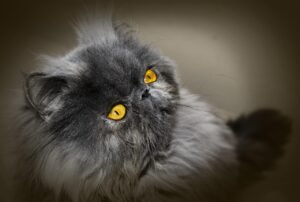
Many prospective pet owners are drawn to the plush, charming appearance of the Exotic Shorthair—the breed often referred to as the short-haired version of the Persian. However, before bringing one of these affectionate companions home, many potential owners ask: are short hair persian cats hypoallergenic? The short answer is no. Despite their shorter coats, these cats produce the same allergenic proteins as their long-haired counterparts, making them a poor choice for those with significant sensitivities. Understanding the science behind pet allergies is essential for anyone considering adding a feline to their household.
Understanding the Myth of Hypoallergenic Cats
It is a common misconception that specific breeds are entirely “hypoallergenic,” meaning they will not trigger an allergic reaction. In reality, no cat breed is 100% hypoallergenic. While some people may find that certain cats cause fewer symptoms than others, this is often due to individual variations in protein production rather than the breed itself.
When investigating whether are short hair persian cats hypoallergenic, it is important to note:
-
Protein Sensitivity: Allergies are typically caused by the Fel d 1 protein found in a cat’s saliva, urine, and skin oils.
-
Breed Variations: While some people look for a hypoallergenic Persian cat—a term often used in marketing—science does not support the existence of such a breed.
-
Scientific Consensus: According to the Asthma and Allergy Foundation of America, pet allergies are extremely common, and medical experts consistently emphasize that exposure management is more effective than seeking out “hypoallergenic” breeds.
The Difference Between Dander and Fur
A major source of confusion for allergy sufferers is the belief that cat fur is the primary allergen. This is a myth. The real culprit is dander—microscopic flecks of skin that cats shed constantly.
-
Dander vs. Fur: Fur can trap and carry dander, pollen, and dust throughout the home, but the fur itself is not the allergen.
-
The Shedding Factor: Even short-haired cats, like the Exotic Shorthair, shed their fur and dander regularly.
-
Allergen Distribution: Because cats groom themselves, they spread saliva-coated dander across their entire coat, which is then released into the environment as they move, scratch, or shed.
Research published by the National Institutes of Health highlights that the concentration of these allergens in a home environment is often more significant than the specific breed or hair length of the pet. Therefore, relying on hair length as an indicator of allergy friendliness is an ineffective strategy for managing Persian cat allergy symptoms.
The Reality of Persian Cat Shedding and Allergens
Many prospective pet owners often wonder, “are short hair persian cats hypoallergenic?” Unfortunately, the reality for those with sensitive immune systems is that neither the long-haired Persian nor the Exotic Shorthair—the short-haired variant of the breed—qualifies as a hypoallergenic animal. While these cats are undeniably beloved for their sweet temperaments and plush coats, they are frequently cited as being among the worst cats for allergies due to their biological makeup.
Do Exotic Shorthairs Produce Less Dander?
It is a common misconception that shorter hair equates to fewer allergens. While the Exotic Shorthair has a shorter, denser coat compared to its long-haired cousin, it still produces the same biological triggers that cause reactions.
-
Dander Production: Both versions of the breed possess skin glands that secrete proteins, which then flake off as dander.
-
Shedding Habits: Even with a shorter coat, Exotic Shorthairs shed regularly. This loose fur acts as a transport mechanism, carrying dried saliva and skin flakes throughout the home.
-
Surface Area: Research from organizations like the Asthma and Allergy Foundation of America highlights that the concentration of allergens in the environment is more dependent on the animal’s grooming habits and skin protein production than the length of the hair itself.
Why Coat Length Isn’t the Primary Allergy Trigger
To understand why the answer to “are short hair persian cats hypoallergenic” remains a firm “no,” one must look at the specific proteins involved. The primary culprit is not the fur itself, but a protein known as Fel d 1.
-
The Protein Source: Fel d 1 is primarily produced in a cat’s sebaceous glands, saliva, and anal glands. According to studies indexed on PubMed Central, this protein is extremely lightweight and can remain airborne for extended periods.
-
The Grooming Cycle: Persians and Exotic Shorthairs are meticulous groomers. As they lick their fur, they deposit saliva rich in Fel d 1 onto their coat.
-
Environmental Accumulation: Once the saliva dries, the protein-laden flakes become airborne or settle into upholstery, carpets, and bedding.
-
Biological Consistency: Because all cats, regardless of breed or coat length, produce Fel d 1, individuals experiencing persian cat allergy symptoms will typically react to an Exotic Shorthair just as strongly as they would to a traditional Persian.
In summary, choosing a cat based on hair length is often ineffective for allergy sufferers. The protein that triggers the immune system response is present in all members of the Felis catus species, making no cat truly allergen-free.
Common Persian Cat Allergy Symptoms to Watch For
Many potential cat owners find themselves wondering are short hair persian cats hypoallergenic before making a commitment to the breed. It is essential to recognize that individual reactions to cats can vary significantly, even among those who believe they have mild sensitivities. Because allergens are primarily protein-based rather than just fur-related, symptoms can manifest rapidly upon exposure to a cat’s environment. According to the Asthma and Allergy Foundation of America, pet allergies are common, and understanding the specific signs of a reaction is the first step toward managing your health while living with a feline companion.
Respiratory Reactions and Skin Irritation
When assessing whether a cat is the right fit, it is important to note that what cat is worst for allergies often depends on the specific sensitivity of the individual. Persian cats, whether long-haired or the Exotic Shorthair variety, produce the same Fel d 1 protein that triggers immune responses in many people.
Common physical reactions often include:
-
Respiratory Distress: This includes persistent sneezing, a runny or stuffy nose, and post-nasal drip. Some individuals may experience wheezing or difficulty breathing if they suffer from asthma.
-
Ocular Symptoms: Many people report itchy, red, or watery eyes almost immediately after entering a home with a cat.
-
Dermatological Reactions: Direct contact with a cat—or even touching surfaces where the cat has rested—can cause hives, rashes, or localized skin redness, often referred to as “cat scratch” irritation.
For more detailed information on how these biological triggers work, you can review research available through PubMed.
Recognizing Sensitivity Before Bringing a Cat Home
Determining if a household member will react to a cat is crucial to avoid the emotional distress of rehoming a pet later. Because people often search for is a Persian cat high maintenance in terms of grooming, they may overlook the fact that these cats require frequent handling, which increases the likelihood of human exposure to allergens.
To identify potential sensitivities, prospective owners should:
-
Schedule Extended Visits: Spend several hours in an environment where a Persian or Exotic Shorthair currently resides.
-
Monitor Early Signs: Watch for subtle symptoms like minor throat tickling or slight eye irritation that may escalate over time.
-
Consult an Allergist: Consider professional allergy testing before adoption. An allergist can confirm if your sensitivity is specifically triggered by feline proteins, which will provide a clear answer regarding your compatibility with the breed.
By proactively identifying these symptoms, families can make informed decisions rather than relying on the misconception that shorter coats automatically equate to a hypoallergenic experience.
What Cats Are Truly Considered Hypoallergenic?
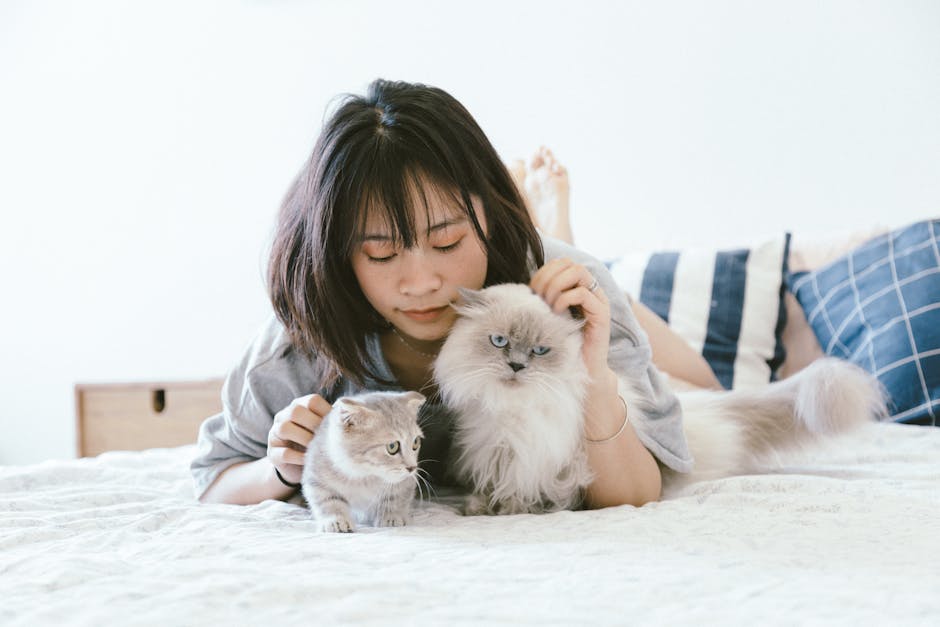
Many prospective pet owners search for a companion that won’t trigger respiratory distress or skin reactions, leading them to ask: are short hair persian cats hypoallergenic? The short answer is no. While people often believe shorter fur equates to fewer allergens, true hypoallergenic cats are classified by their biological production of specific proteins rather than the length or texture of their coat. Understanding the science behind these reactions is the first step in finding a feline companion that fits a sensitive lifestyle.
Comparing Persians to the Siberian Cat
When discussing low-allergen pets, the Siberian cat is frequently mentioned as a top contender. Unlike the Persian or the Exotic Shorthair, which are not considered hypoallergenic, the Siberian is often tolerated better by those with mild sensitivities.
-
Protein Production: Studies published by The National Center for Biotechnology Information indicate that some Siberians naturally produce lower levels of the Fel d 1 protein in their saliva and skin secretions.
-
Coat Differences: Even though the Siberian has a long, dense coat, its “hypoallergenic” status is tied to its genetics rather than its fur length.
-
The Persian Reality: Conversely, Persians and their short-haired counterparts produce standard levels of allergens. Because they are not bred for low protein output, they remain a significant challenge for those sensitive to dander. According to The Asthma and Allergy Foundation of America, no cat breed is 100% allergen-free, but some are undoubtedly worse than others for those with severe reactions.
Breeds Known for Lower Fel d 1 Protein Production
If a potential owner is seeking a cat that minimizes allergy triggers, they should look beyond coat length and focus on documented biological traits. While no cat is truly “hypoallergenic,” certain breeds are recognized by experts as producing less of the primary allergen, Fel d 1.
These breeds include:
-
Siberian: As mentioned, they are among the most popular choices for allergy sufferers.
-
Balinese: Often called the “long-haired Siamese,” they produce less of the offending protein.
-
Russian Blue: Known for their plush coat and lower allergen output.
-
Devon Rex and Cornish Rex: These cats have unique coat textures and reduced dander shedding compared to other breeds.
-
Sphynx: Although they are hairless, they still produce dander and saliva allergens, meaning they still require regular bathing to manage protein buildup.
Ultimately, while owners often wonder are short hair persian cats hypoallergenic, the scientific consensus confirms that coat length is not the deciding factor. Prospective owners should prioritize visiting a breeder or shelter to spend time with a specific cat before committing, as individual reactions can vary significantly from one animal to another.
Community Insights: Are short hair persian cats hypoallergenic reddit?
When prospective owners scour the internet for answers, they often turn to community-driven platforms to ask, “are short hair persian cats hypoallergenic?” The consensus across various forums, including Reddit, is clear: there is no such thing as a truly hypoallergenic Persian cat, regardless of coat length. Many allergy sufferers find that while individual experiences vary, the biological reality of cat allergens remains a significant hurdle for those living with these affectionate companions.
Real-World Experiences from Persian Owners
Owners often share their personal journeys on social media and discussion boards, providing a realistic look at life with Exotic Shorthairs (the short-haired version of the Persian). The general feedback from the community highlights several key points:
-
Dander Dispersion: Many users report that while short-haired cats may hold onto less loose fur, they still shed dander—the primary source of the Fel d 1 protein—at similar rates to their long-haired counterparts.
-
Individual Sensitivity: Some owners note that they have built up a tolerance to their own cats over time, though they often struggle when visiting households with multiple pets.
-
The Allergy Struggle: A common theme in threads questioning if are short hair persian cats hypoallergenic is the disappointment of adopters who expected a sneeze-free environment but found their symptoms persisted or worsened.
-
Scientific Consensus: Medical experts, such as those at the Asthma and Allergy Foundation of America, confirm that no cat breed is 100% hypoallergenic, as all cats produce the proteins that trigger allergic reactions.
Navigating Online Advice for Allergy Sufferers
Navigating the vast ocean of online advice can be overwhelming. When researching, it is essential to distinguish between anecdotal claims and scientific facts. Community members often suggest that those asking if are short hair persian cats hypoallergenic should prioritize testing their reactions before committing to adoption.
To stay informed and safe, consider the following strategies often shared by experienced pet owners:
-
Prioritize Professional Advice: Always consult with an allergist or immunologist rather than relying solely on anecdotal forum posts. Research published via PubMed offers reliable insights into the nature of pet allergens and how they affect the human immune system.
-
Foster-to-Adopt: Many community members recommend fostering a cat to observe personal reactions in a controlled, home environment before making a long-term commitment.
-
Avoid Misleading Marketing: Be wary of breeders claiming to have “hypoallergenic” lines of Persians. Currently, no genetic modifications have successfully eliminated the allergen in this breed.
-
Consider Alternatives: If a person is highly reactive, forums often suggest looking into breeds that are sometimes reported as producing lower levels of the Fel d 1 protein, such as the Siberian cat, though even these are not guaranteed to be allergen-free.
By balancing community experiences with medical guidance, prospective owners can make a more informed decision about whether a Persian cat is the right fit for their household.
Management Strategies for Living with Persians
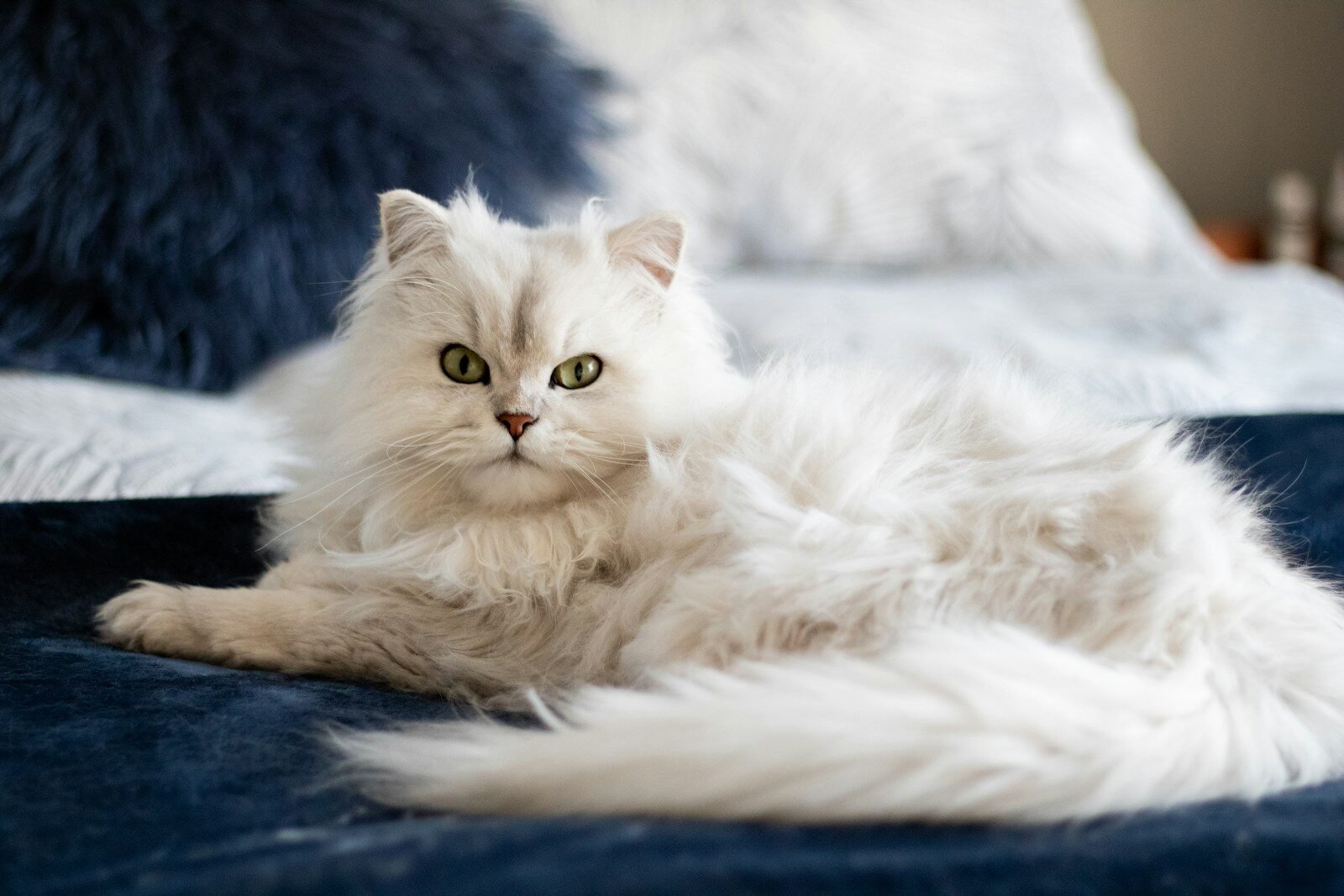
While many prospective owners frequently search for information on whether are short hair persian cats hypoallergenic, the reality is that no cat breed is entirely allergen-free. Managing a household with an Exotic Shorthair or a traditional Persian requires a proactive approach to environment and grooming. By implementing consistent maintenance strategies, individuals often find they can coexist comfortably with these feline companions, even if they have mild sensitivities.
HEPA Filtration and Home Cleaning Tips
To minimize the concentration of the Fel d 1 protein—the primary allergen found in cat saliva and skin—owners must prioritize air quality and surface cleanliness. Experts at the Asthma and Allergy Foundation of America suggest that controlling the home environment is the most effective way to reduce symptom severity.
-
Utilize HEPA Air Purifiers: Place high-efficiency particulate air (HEPA) filters in main living areas and bedrooms. These are essential for capturing microscopic allergen particles that stay suspended in the air.
-
Frequent Vacuuming: Use a vacuum cleaner equipped with a HEPA filter to remove dander from carpets, rugs, and upholstery. Regular cleaning sessions are vital because dander accumulates quickly in fabric fibers.
-
Create “Cat-Free” Zones: Keep the bedroom off-limits to the cat. This provides the allergy sufferer with a sanctuary where allergen levels remain low, allowing the body to recover during sleep.
-
Launder Bedding Regularly: Wash pet blankets, curtains, and human bedding in hot water weekly to neutralize accumulated proteins.
Frequent Grooming to Reduce Loose Hair
Although is a persian cat high maintenance is a common question, consistent grooming is actually a critical management tool for allergy sufferers. While grooming does not remove the allergen from the cat’s biology, it significantly reduces the amount of loose, dander-covered fur shed into the environment.
-
Daily Brushing: Use a high-quality slicker brush or metal comb to remove dead hair before it falls onto the furniture.
-
Professional Assistance: If the task is too daunting, professional groomers can perform regular “de-shedding” treatments that drastically lower the amount of loose coat.
-
Wipe-Down Sessions: Using pet-safe wipes can help remove surface dander between baths. According to findings published on PubMed, reducing environmental allergen exposure through consistent grooming and cleaning remains a cornerstone of successful pet ownership for those with mild asthma or rhinitis.
-
Bathing: While controversial due to the stress it may cause the animal, some owners find that periodic bathing helps manage allergen levels. If choosing this route, use mild, feline-specific shampoos to protect the cat’s skin integrity.
The Role of Diet and Supplements
While many prospective owners ask, “are short hair persian cats hypoallergenic,” the reality is that no cat breed is truly allergen-free. However, the internal health of a feline plays a significant role in how much dander they produce. By focusing on nutrition, owners may be able to manage the severity of Persian cat allergy symptoms more effectively. A well-nourished cat often experiences less skin inflammation, which can translate to fewer airborne allergens circulating in the home.
How Nutrition Impacts Skin Health and Dander
A cat’s skin is its first line of defense, and it requires specific nutrients to remain healthy and minimize shedding. When a cat is nutritionally deficient, their skin can become dry and flaky, leading to an increase in dander—the primary vehicle for the Fel d 1 protein.
To support healthy skin and coat, owners should focus on the following:
-
Omega-3 and Omega-6 Fatty Acids: Essential for maintaining the skin barrier. These healthy fats help reduce inflammation and prevent dry, itchy skin that leads to increased dander production.
-
High-Quality Proteins: Since skin and hair are composed primarily of protein, a diet rich in high-quality animal protein supports cellular repair and coat integrity.
-
Hydration: Proper water intake is crucial. According to the Cornell University College of Veterinary Medicine, maintaining hydration is key to overall metabolic health, which indirectly supports skin moisture levels.
-
Biotin and Zinc: These micronutrients are often included in high-end diets to promote a healthy, resilient coat.
Research into animal nutrition suggests that a balanced diet can significantly alter the physiological expression of allergens in some animals. For more detailed studies on animal protein and health, you can consult resources via PubMed.
Allergy-Reducing Specialized Cat Foods
Innovation in pet nutrition has led to the development of specialized diets designed specifically to manage feline allergens. These diets do not necessarily stop the production of the Fel d 1 protein entirely, but they aim to neutralize it in the cat’s saliva.
Key considerations for these diets include:
-
Neutralizing Proteins: Some specialized formulas contain a specific protein derived from eggs that binds to the Fel d 1 protein in the cat’s mouth, effectively neutralizing it before the cat grooms itself.
-
Reduction of Airborne Allergens: When the cat grooms, they spread less active allergen onto their fur, which subsequently reduces the amount of allergen shed into the environment.
-
Consistency is Key: These diets are not an overnight fix. It typically takes several weeks of consistent feeding for the reduction in allergen levels to become noticeable.
-
Veterinary Consultation: Before switching a Persian to a specialized diet, it is vital to consult with a veterinarian to ensure the food meets the breed’s specific nutritional requirements, as Persians can be prone to certain health sensitivities.
By combining proper nutrition with other home management strategies, owners can take proactive steps to mitigate their reactions, even if they have already discovered that the answer to “are short hair persian cats hypoallergenic” is a firm no.

Medical Options for Managing Pet Allergies
For many cat lovers wondering are short hair persian cats hypoallergenic, the reality often involves managing symptoms rather than finding a completely allergen-free companion. Because no cat is truly hypoallergenic, those who experience Persian cat allergy symptoms may need to rely on medical interventions to maintain a comfortable living environment while keeping their feline friends.
Antihistamines and Over-the-Counter Solutions
When allergic reactions occur, the body releases histamines, which trigger common responses like sneezing, itching, and congestion. Over-the-counter (OTC) medications are often the first line of defense for mild to moderate cases.
-
Antihistamines: Medications such as cetirizine, loratadine, or fexofenadine can help block the effects of histamines.
-
Nasal Corticosteroids: Sprays can reduce inflammation in the nasal passages, providing relief from chronic congestion.
-
Decongestants: These are useful for short-term relief from stuffiness but should be used sparingly.
According to the Asthma and Allergy Foundation of America, managing indoor allergens requires a multifaceted approach. It is recommended that individuals consult with a healthcare provider to determine which specific OTC treatment is most effective for their unique physiological response to pet dander.
Immunotherapy and Consultations with Allergists
If OTC remedies fail to provide adequate relief, patients may explore long-term solutions through a board-certified allergist. Immunotherapy is often considered the “gold standard” for those committed to living with their pets.
-
Allergy Testing: An allergist will perform skin or blood tests to confirm that the Fel d 1 protein—the primary allergen found in feline saliva and skin—is indeed the source of the reaction.
-
Allergy Shots (Subcutaneous Immunotherapy): This involves regular injections of small amounts of the allergen, gradually increasing the dose to help the immune system build tolerance over time.
-
Sublingual Immunotherapy (SLIT): A newer, needle-free alternative where tablets or drops containing the allergen are placed under the tongue.
Research published via the National Institutes of Health (NIH) suggests that immunotherapy can significantly reduce sensitivity to common allergens. While this process requires commitment and consistency, it remains the most viable option for cat owners who refuse to rehome their pets due to allergy concerns. Before pursuing these paths, one should always research whether their lifestyle allows for the consistent medical follow-ups required for successful treatment.
Understanding the Fel d 1 Protein
To understand why many people wonder are short hair persian cats hypoallergenic, one must first look at the biological root of pet allergies. It is a common misconception that cat fur itself causes allergic reactions; in reality, the culprit is a specific protein produced by the cat’s body. For those asking how bad are Persian cats for allergies, the answer lies almost entirely in their production and distribution of this microscopic protein.
Where Allergens Originate in Cats
The primary allergen responsible for human sensitivities is the Fel d 1 protein. This protein is not located in the hair shafts themselves but is secreted through several glands:
-
Sebaceous Glands: Located in the skin, these glands produce the protein, which then spreads to the fur when the cat grooms itself.
-
Salivary Glands: Cats deposit significant amounts of the protein onto their fur while licking.
-
Anal Glands: These also contribute to the total protein load within the home environment.
Once the cat grooms, the saliva dries and becomes airborne, or it attaches to “dander”—tiny, microscopic flecks of dead skin. Research from the National Institutes of Health highlights that these particles are small enough to remain suspended in the air for long periods, easily entering the human respiratory system.
Why No Cat is Completely Hypoallergenic
When researching what cats are hypoallergenic, potential owners often seek a breed that produces zero allergens. Unfortunately, science suggests this is impossible.
-
Universal Protein Production: Every domestic cat, regardless of breed, gender, or hair length, produces the Fel d 1 protein.
-
The Accumulation Factor: Even if a breed produced slightly less of the protein, the cumulative effect of dander in a household environment often triggers symptoms in sensitive individuals.
-
Scientific Consensus: According to the Asthma and Allergy Foundation of America, there is currently no evidence that any specific breed is truly “non-allergenic.”
Because the protein is ubiquitous in the feline species, even an Exotic Shorthair—the shorthaired version of the Persian—will shed these allergens into the home. Consequently, the search for a truly allergen-free feline remains a challenge, as the reaction is a response to the animal’s natural biological processes rather than the texture or length of its coat.

Tips for Choosing the Right Cat Breed
Selecting a feline companion requires careful consideration, especially for individuals managing sensitivities. While many potential owners often ask, “are short hair persian cats hypoallergenic,” the reality is that no cat breed is entirely allergen-free. Understanding how different cats interact with human immune systems is crucial before committing to a pet. According to the Asthma and Allergy Foundation of America, pet allergies are primarily triggered by proteins found in saliva, urine, and dander, rather than the hair itself.
Scheduling Time in a Multi-Cat Household
When determining if a specific cat is a good match, experts recommend spending extended time in a neutral environment where the animal resides.
-
Observe Physical Reactions: Spend at least 30 to 60 minutes in a room with the cat to monitor for sneezing, itchy eyes, or respiratory distress.
-
Assess Environment: A multi-cat household can have higher concentrations of allergens. If a visitor experiences a reaction there, it may be intensified by the cumulative dander of multiple animals.
-
Consult Scientific Data: Researching the Fel d 1 protein—the primary allergen—can help owners understand why some individuals react more strongly to certain cats than others, as explained in studies hosted by the National Institutes of Health.
Considering Foster-to-Adopt Programs
Before finalizing an adoption, prospective owners should explore foster-to-adopt programs to test the compatibility of the cat with their specific allergy thresholds.
-
Test Exposure: Living with a cat for a trial period provides a much more accurate picture than a brief meeting.
-
Evaluate Maintenance: Use this time to see if the cat’s grooming needs are manageable. While some wonder if a hypoallergenic Persian cat exists, the maintenance required for the breed—regardless of coat length—can impact dander dispersion.
-
Adjust Cleaning Protocols: During the foster period, implement HEPA filtration and frequent cleaning to see if these management strategies sufficiently mitigate symptoms.
-
Prioritize Health: If allergies remain severe despite management, it is often kinder to both the owner and the animal to search for a breed that produces lower levels of allergenic proteins.
Frequently Asked Questions
Navigating the world of pet allergies can be complex, especially when considering specific breeds. Many prospective owners often ask, “are short hair persian cats hypoallergenic?” before making a commitment. Below are answers to the most common inquiries regarding this breed and allergy management to help you make an informed decision for your household.
Are Exotic Shorthairs better for allergy sufferers than long-haired Persians?
While many assume that a shorter coat equates to fewer allergens, the reality is more nuanced. Is there such a thing as a short-haired Persian cat? Yes, this breed is known as the Exotic Shorthair.
-
The Protein Factor: Both long-haired Persians and Exotic Shorthairs produce the Fel d 1 protein in their saliva and skin glands.
-
Dander Distribution: While an Exotic Shorthair may hold less loose fur in the environment, they still shed dander, which is the primary allergen.
-
Scientific Consensus: According to the Asthma and Allergy Foundation of America, most people are allergic to the proteins in a cat’s skin, saliva, and urine, rather than the hair itself. Therefore, neither coat length significantly changes the allergy risk.
Can I build an immunity to my Persian cat over time?
It is a common misconception that one can simply “get used to” a cat allergy. While some individuals report a decrease in symptom severity after living with a specific cat for years, this is not a guaranteed medical outcome.
-
Tolerance vs. Immunity: You may develop a higher tolerance to your own pet, but you are not necessarily building true immunity.
-
Medical Research: Clinical studies, such as those indexed on PubMed, suggest that constant exposure to allergens can sometimes lead to chronic inflammation if not properly managed, rather than a total disappearance of symptoms.
Does bathing a Persian cat help reduce allergic reactions?
Frequent grooming and bathing can temporarily reduce the amount of loose hair and dander present on the cat’s coat, potentially offering short-term relief for mild allergy sufferers.
-
Effectiveness: Bathing removes surface-level allergens. However, because cats groom themselves constantly, the Fel d 1 protein quickly reappears on the fur.
-
Consistency: If you choose this route, use cat-specific shampoos to protect their skin barrier and maintain a regular schedule to minimize allergen buildup.
Are there any ‘hypoallergenic’ Persian cat breeders?
It is vital to be cautious when researching a hypoallergenic Persian cat.
-
The Truth: Currently, no scientific evidence supports the existence of a truly hypoallergenic Persian.
-
Marketing Claims: Breeders who claim to sell “hypoallergenic” Persians are often using the term for marketing purposes rather than scientific fact.
-
Best Practice: Always prioritize the health and lineage of the cat over marketing claims. If you are highly sensitive, consider visiting a local shelter to spend time with different cats to see how your body reacts before committing to a specific breed.
Conclusion: Final verdict on are short hair persian cats hypoallergenic
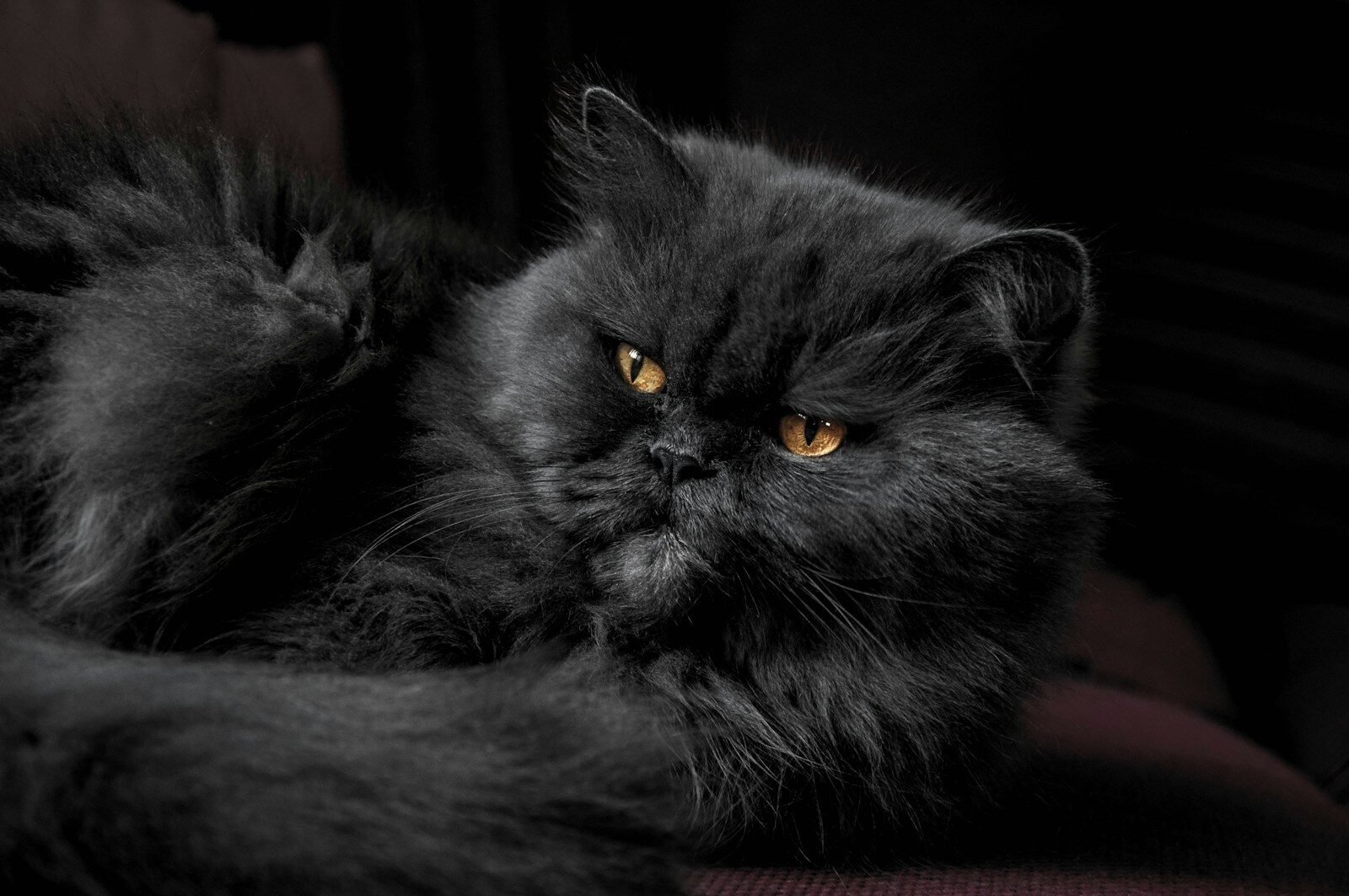
When navigating the complexities of pet ownership while suffering from sensitivities, the question of are short hair persian cats hypoallergenic is one that requires a clear, science-backed answer. Based on all available evidence, the final verdict is definitive: No, Exotic Shorthairs (the short-haired variety of the Persian) are not hypoallergenic.
While many prospective owners hope that a shorter coat translates to fewer allergic reactions, the reality of feline physiology remains unchanged regardless of hair length.
Why the Misconception Persists
The confusion often stems from the incorrect belief that fur is the primary allergen. In reality, according to the Asthma and Allergy Foundation of America, the trigger is a specific protein known as Fel d 1.
-
The Protein Source: This protein is found in a cat’s saliva, urine, and skin oils (dander), not in the hair itself.
-
Dander Distribution: Even with a shorter coat, Exotic Shorthairs produce and distribute this protein just as effectively as their long-haired counterparts.
-
The Shedding Factor: While they may have less loose hair to carry allergens through the air, they still shed dander, which remains the leading cause of Persian cat allergy symptoms.
Managing Expectations for Future Owners
For those who are still drawn to the personality and charm of these cats, it is vital to understand that there is no such thing as a truly hypoallergenic Persian cat. Instead of searching for a breed that does not exist, individuals might consider the following steps:
-
Consult an Allergist: Before bringing a pet home, seek professional medical advice to understand the severity of the reaction. The National Institutes of Health offers extensive resources on understanding immunological responses to common allergens.
-
Evaluate Lifestyle Adjustments: Implement HEPA filtration, frequent surface cleaning, and dedicated “no-pet” zones in the bedroom to reduce total allergen load.
-
Consider Foster-to-Adopt: Many shelters and rescue organizations encourage potential owners to spend time with a cat before committing, allowing them to test their personal sensitivity levels in a real-world environment.
-
Explore Alternatives: If allergies are severe, it is worth noting that some individuals with mild reactions may find certain breeds, like the Siberian cat, slightly more tolerable due to lower protein production, though no breed is 100% allergen-free.
Ultimately, while the search for a hypoallergenic cat is a common journey, potential owners must prioritize their long-term health. Understanding that are short hair persian cats hypoallergenic is a myth allows families to make informed, safe, and compassionate decisions for both their households and their future pets.


