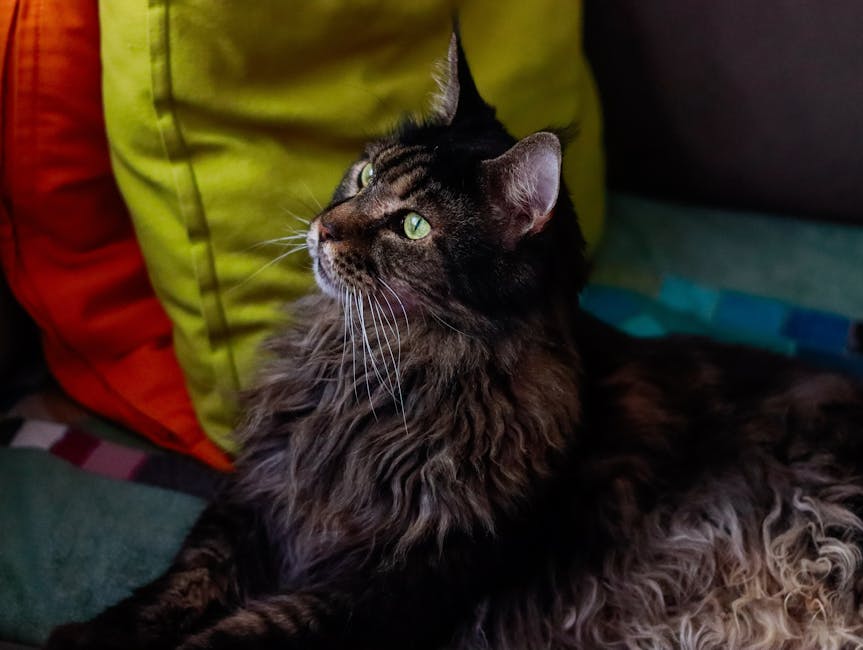
Maine Coons are legendary for their magnificent, lion-like ruffs, bushy plume-like tails, and dense, luxurious coats. However, when a cat owner notices large clumps of fur drifting across the living room rug or sticking to the furniture, it is completely natural for them to ask, “Why is my Maine Coon losing so much hair?” While some degree of shedding is standard for this giant, long-haired breed, excessive or sudden hair loss can indicate an underlying issue that requires immediate attention.
To resolve this concern and answer the common question, “How do I stop my cat from losing so much hair?“, caretakers must first distinguish between normal breed behavior and potential medical distress. This guide explores the unique characteristics of the Maine Coon coat, details the differences between healthy shedding and clinical hair loss, and provides actionable insights to help keep feline companions looking and feeling their best.
Understanding the Unique Maine Coon Double Coat
To understand feline shedding patterns, one must look at the evolutionary history of the breed. Originating in the cold, rugged climate of Maine, these cats developed a highly specialized coat designed to survive harsh winter elements. According to breed standards established by organizations like the Cat Fanciers’ Association (CFA), the Maine Coon possesses a heavy, shaggy, and water-resistant coat.
This unique protective barrier is actually a double coat composed of three distinct hair types:
-
Guard Hairs: The long, coarse outer layer that repels moisture, snow, and mud.
-
Awn Hairs: The intermediate layer that provides both structure and insulation.
-
Undercoat: The fine, soft, downy bottom layer designed specifically to trap warm air close to the skin.
Because of this dense underlayer, the breed is naturally prone to producing large amounts of loose fur. Caretakers often search for solutions, asking, “How do I keep my Maine Coon from shedding so much?” Regular, proactive grooming is vital, as the ASPCA notes that routine brushing distributes natural skin oils, prevents severe matting, and removes dead hair before it can be ingested or scattered throughout the home.
Normal Shedding vs. Concerning Hair Loss
While finding loose fur is a normal part of living with a long-haired cat, there is a distinct boundary between healthy shedding and pathological hair loss (known medically as alopecia).
Here is how caretakers can easily distinguish between the two:
-
Normal Shedding:
-
Uniform Thinning: Hair falls out evenly across the entire body, rather than in concentrated spots.
-
No Exposed Skin: The skin underneath remains completely covered by a soft layer of fur.
-
Healthy Behavior: The cat remains active, maintains a strong appetite, and exhibits normal grooming habits.
-
No Skin Irritation: The underlying skin is smooth, pale, and free of redness, scabs, or inflammation.
-
Concerning Hair Loss (Alopecia):
-
Bald Patches: Entire sections of skin become completely bare or sparse.
-
Symmetrical Thinning: Loss of fur occurs in matching patterns on both sides of the body (often signaling endocrine issues).
-
Compulsive Grooming: The cat repeatedly bites, chews, or licks specific areas until the skin becomes red and raw.
-
Secondary Symptoms: The presence of crusting, scaling, black spots, or inflamed bumps on the skin.
Data from the Cornell Feline Health Center reveals that feline skin diseases—which often manifest as sudden hair loss—affect up to 15 percent of veterinary patients. Recognizing these red flags early allows caretakers to seek professional veterinary care before mild irritation escalates into a painful skin infection.
The Role of Seasonal Shedding and the Feline Blowout
The Maine Coon is renowned for its magnificent, heavy, weather-resistant coat, which historically protected this breed against harsh climates. However, this beautiful physical trait also means these large felines undergo intense seasonal shedding cycles.
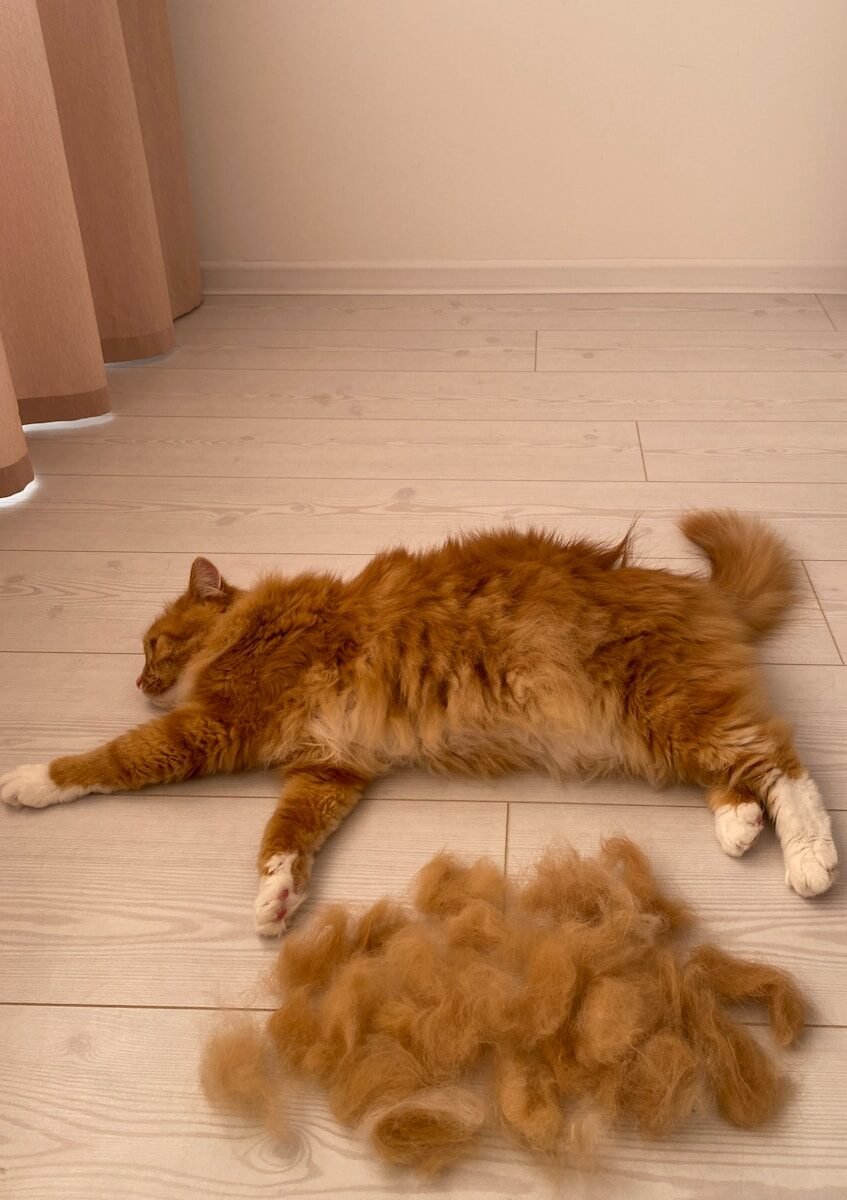
When a concerned owner asks, “Why is my Maine Coon losing so much hair?” the most common and completely natural culprit is the “feline blowout.” Twice a year, the body of a Maine Coon reacts to shifting daylight hours and temperature changes, triggering a massive release of dead fur to make room for a new seasonal coat.
Spring Shedding: Shaking Off the Winter Undercoat
The spring blowout is arguably the most dramatic shedding period of the year for a Maine Coon. As the winter months end and daylight hours extend, the feline’s pineal gland senses the change, signaling the hair follicles to enter the shedding phase.
-
The Winter Undercoat Shed: During winter, a Maine Coon develops a dense, woolly undercoat to trap heat. Come spring, this thick layer is no longer needed.
-
Massive Fur Clumps: The sheer volume of fur dropped during this transition can be overwhelming. Huge clumps of loose downy hair will easily detach from the body, often giving the cat a slightly ragged look.
-
Increased Risk of Mats: Without frequent brushing during this period, the dead undercoat gets trapped within the longer guard hairs, rapidly forming tight mats.
When faced with piles of fluff on the carpets, many pet owners naturally wonder, “How do I keep my Maine Coon from shedding so much?” While a complete halt to seasonal shedding is biologically impossible, daily grooming with specialized undercoat rakes and slicker brushes remains the most effective strategy.
According to grooming guidelines outlined by the ASPCA, establishing a consistent, daily brushing routine during peak shedding seasons is vital for keeping a long-haired cat’s skin healthy and preventing painful mats.
Autumn Shedding: Preparing for the Cold Months
Though less intense than the spring blowout, the autumn shed is another critical biological transition. During this phase, the Maine Coon sheds its lighter, thinner summer coat to prepare for the growth of a dense, plush winter coat.
-
Discarding the Summer Coat: The summer coat, designed to allow maximum air circulation near the skin, is discarded.
-
Developing the Winter Armor: In its place, the cat grows a thick, insulating undercoat and a long, water-repellent outer layer, complete with the breed’s signature frontal ruff and heavily tufted paws.
-
The Impact of Indoor Living: For indoor cats, artificial lighting and climate-controlled homes can sometimes confuse their internal clocks. This often results in a milder, year-round steady shed rather than one sudden autumn blowout.
During these transitions, a common concern among owners is, “Why is my cat losing hair but seems fine?” If the feline displays normal energy levels, has a hearty appetite, and shows no bare skin patches or signs of irritation, this seasonal hair loss is completely benign.
Research from institutions like the Cornell University College of Veterinary Medicine emphasizes that normal shedding leaves a healthy, shiny coat behind, without localized baldness, redness, or scabs. Understanding these seasonal patterns helps caretakers recognize the difference between natural biological cycles and potential underlying health concerns.
Nutritional Deficiencies Impacting Coat Health
A majestic, dense coat is the hallmark of the Maine Coon breed, but maintaining that luxurious fur requires a significant amount of biological energy and precise nutrients. When a feline’s diet lacks essential vitamins, minerals, or macronutrients, the body prioritizes internal organs over non-essential structures like the skin and fur. Consequently, a poor diet is one of the primary reasons behind the frustrating question: “Why is my Maine Coon losing so much hair?” Without optimal nutritional support, the hair follicles weaken, the skin becomes dry and flaky, and shedding escalates from normal seasonal loss to severe, patchy baldness.
The Vital Role of Omega-3 and Omega-6 Fatty Acids
Essential fatty acids are the building blocks of healthy feline skin and fur. Because cats cannot synthesize these polyunsaturated fats in sufficient quantities on their own, they must obtain them directly through their daily diet. Research on the balance of n-6 and n-3 fatty acids in companion animal nutrition highlights how these lipids regulate inflammatory responses and maintain the skin’s natural moisture barrier.
When a Maine Coon suffers from a fatty acid deficiency, several noticeable symptoms begin to manifest:
-
Dry, Flaky Skin (Dandruff): A lack of healthy lipids causes the skin barrier to break down, leading to moisture loss and flaking.
-
Brittle, Lusterless Fur: The hair shafts lose their natural oils, making them highly susceptible to breakage, matting, and tangling.
-
Chronic Inflammation: Without the anti-inflammatory benefits of omega-3s, the skin becomes itchy and irritated, prompting the cat to scratch and pull out their own fur.
To combat these issues, a feline’s diet should contain high-quality, marine-sourced omega-3 fatty acids, specifically:
-
Eicosapentaenoic Acid (EPA): Helps calm skin inflammation and reduces the severity of allergic reactions.
-
Docosahexaenoic Acid (DHA): Supports systemic cellular health and improves overall coat texture.
-
Arachidonic Acid (AA): An essential omega-6 fatty acid that cats must consume from animal tissues, as they lack the enzymes to convert plant-based alternatives.
When owners see their cat’s coat deteriorating, they frequently ask, “How do I keep my Maine Coon from shedding so much?” Providing a diet enriched with fish oils, such as wild-caught salmon or pollock oil, is one of the most effective ways to restore the lipid barrier and decrease unnecessary hair fall.
How Low-Protein Diets Damage Hair Follicles
Cats are obligate carnivores, meaning their bodies are biologically designed to rely almost exclusively on animal protein for survival. A feline’s hair is composed of up to 95% protein, primarily keratin. Because the coat requires a continuous supply of amino acids to grow and maintain its structural integrity, a low-protein or low-quality diet can have devastating effects on their majestic fur.
According to a clinical study published on protein requirements in adult cats, cats need substantially higher baseline protein levels to maintain lean body mass and support protein turnover than non-carnivorous animals. When dietary protein is insufficient, the feline body enters a state of conservation:
-
Follicular Regression: The body halts the active growth phase (anagen) of the hair cycle and forces hair follicles prematurely into the resting phase (telogen).
-
Shaft Weakening: The hair that does grow is thin, brittle, and easily dislodged from the follicle.
-
Lethargic Regrowth: Once the old coat is shed, the body lacks the raw materials to produce new fur, leading to widespread thinning.
If the nutritional deficit is severe or sudden, owners may observe patchy, rapid shedding. In these moments, they often wonder, “Why is my maine coon losing so much hair all of a sudden?” The answer frequently lies in low-grade commercial kibble filled with plant-based fillers rather than highly digestible animal proteins. To support the demanding growth cycle of a Maine Coon’s massive double coat, their diet must feature real meat—such as chicken, turkey, or beef—as the primary ingredient, ensuring they receive the essential amino acids like taurine and methionine needed for optimal follicular health.
Stress, Anxiety, and Psychogenic Alopecia
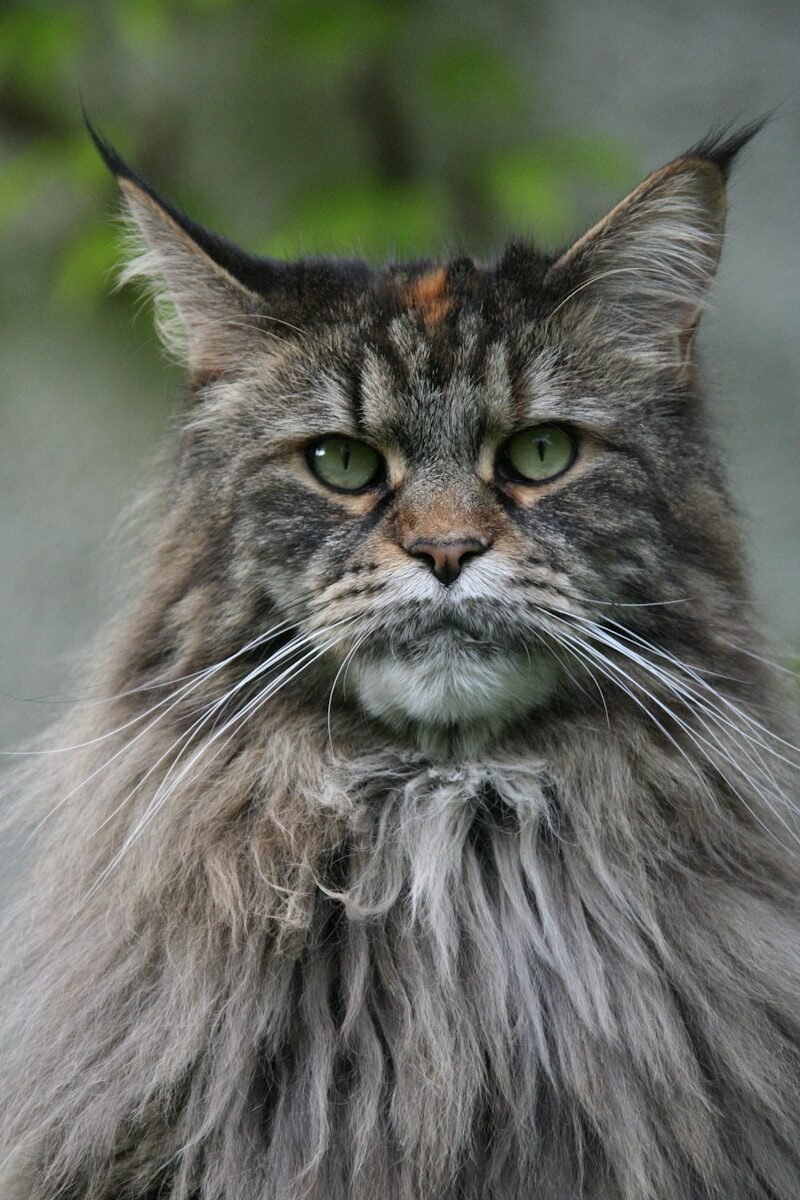
While environmental shedding is a normal part of feline life, emotional distress can trigger severe physical reactions in felines. When an owner observes their beloved pet shedding excessively or developing bald spots, the question, “Why is my Maine Coon losing so much hair?” often points directly to psychological factors.
Cats are highly sensitive creatures that thrive on routine and predictability. When felines experience chronic stress or anxiety, they may develop psychogenic alopecia—a compulsive hair-loss condition driven by self-induced trauma.
According to a study published on PubMed, while many cases of hair loss have underlying medical causes, true psychogenic alopecia is a distinct behavioral condition that stems from emotional distress. Understanding how stress impacts a Maine Coon’s coat health is the first step toward restoring both their emotional well-being and their luscious fur.
Common Stress Triggers in Maine Coons
Despite their reputation as gentle, easygoing giants, Maine Coons are remarkably susceptible to environmental stressors. Even minor alterations in their daily lives can trigger a state of chronic anxiety, leading owners to wonder, “Why is my Maine Coon cat losing hair?“
Common stress triggers for this specific breed include:
-
Changes in Household Dynamics:
-
New Additions: Introducing a new baby, a roommate, or another pet can severely disrupt a Maine Coon’s sense of territory and security.
-
Loss of a Family Member: The absence of a beloved human or companion animal can trigger grief, confusion, and anxiety.
-
Environmental Upheavals:
-
Moving to a New Home: Relocating is one of the most significant stress triggers for felines, as it completely erases their established scent markers and territory.
-
Home Renovations: Loud noises, unfamiliar workers, and rearranged furniture can make a Maine Coon feel constantly threatened.
-
Disruptions to the Daily Routine:
-
Inconsistent Feeding Schedules: Maine Coons thrive on predictability. Sudden changes in when they are fed can induce severe stress.
-
Lack of Vertical Space: These large cats require elevated retreats to feel secure. Without high perches, felines can feel vulnerable and anxious.
Over-Grooming as a Self-Soothing Mechanism
When a Maine Coon experiences prolonged anxiety, they often seek comfort through displacement behaviors. Grooming releases endorphins in a cat’s brain, providing a temporary sense of calm and pleasure. However, this soothing mechanism can quickly spiral out of control.
If an owner asks, “Why is my cat losing hair but seems fine?” the culprit is frequently this silent, hidden over-grooming. Felines are experts at concealing their stress, often retreating to quiet, hidden spaces to lick and chew their fur.
The progression of psychogenic alopecia typically manifests in the following stages:
-
The “Fur Mowing” Stage: The cat uses their rough, papillae-covered tongue to lick the same area repeatedly. This constant friction behaves like sandpaper, snapping the hair shafts off close to the skin.
-
Symmetrical Hair Loss: This behavior usually results in clean, symmetrical patches of hair loss, most commonly on the inner thighs, abdomen, flanks, or forelimbs.
-
Secondary Skin Infections: Over time, continuous moisture from saliva weakens the skin barrier. If left unchecked, the skin can become inflamed, red, and susceptible to painful secondary bacterial or fungal infections.
The Cornell Feline Health Center notes that because repetitive licking has a self-reinforcing pleasure component, breaking the habit requires addressing the root environmental stressors. Providing environmental enrichment, interactive toys, and a stable routine is critical to stopping the cycle of compulsive over-grooming.
Underlying Medical Conditions and Hormonal Imbalances
When a Maine Coon’s majestic, heavy coat begins to thin dramatically, it is easy to assume the issue is simply a heavy shedding season. However, when the shedding transitions into patchy baldness, red skin, or visible discomfort, the root cause often lies deeper than a typical seasonal blow-out. Many owners frequently ask, “Why is my Maine Coon losing so much hair?” when they notice these sudden, alarming changes. While minor shedding can be managed at home, sudden hair loss is often a clinical sign of underlying medical conditions or complex hormonal imbalances that disrupt the natural hair growth cycle. Recognizing the difference between a natural shedding cycle and a systemic health issue is critical for maintaining a feline’s health and comfort.
Hyperthyroidism and Its Effect on Feline Fur
Feline hyperthyroidism is one of the most common endocrine disorders affecting middle-aged and older cats, characterized by an overproduction of thyroid hormones. According to the Cornell University College of Veterinary Medicine, this excess of thyroid hormone drastically accelerates a cat’s metabolism, which has a direct, negative impact on the health of their skin and coat.
The metabolic surge prevents hair follicles from receiving the necessary nutrients to sustain healthy fur growth, leading to several distinct dermatological and systemic symptoms:
-
Poor Coat Quality: The fur often becomes extremely dry, brittle, dull, and prone to severe matting.
-
Symmetrical Alopecia: Hair falls out in large patches, often symmetrically along the flanks, abdomen, and back.
-
Unkempt Appearance: Because hyperthyroidism causes behavioral changes and increased restlessness, affected cats may completely stop grooming themselves, or conversely, begin over-grooming.
-
Systemic Signs: Along with coat changes, owners may observe rapid weight loss despite an increased appetite, increased thirst, frequent urination, and hyperactive behavior.
When an owner is trying to figure out, “How do I keep my Maine Coon from shedding so much?” only to discover that standard grooming tools do nothing to stop the hair loss, a thyroid panel administered by a veterinarian is a necessary diagnostic step. If hyperthyroidism is diagnosed, treatments such as daily antithyroid medications, radioactive iodine therapy, or dietary adjustments can restore thyroid levels, allowing the Maine Coon’s beautiful, double-layered coat to fully regenerate.
Allergies and Autoimmune Skin Conditions
Allergic reactions and autoimmune disorders represent another primary reason for severe, localized fur loss in Maine Coons. When a cat’s immune system overreacts to external or internal triggers, the skin becomes highly inflamed, leading to intense itching (pruritus) and subsequent self-inflicted hair loss.
The ASPCA categorizes allergic skin diseases in pets into major areas, including atopic dermatitis (environmental allergies) and food hypersensitivities. In Maine Coons, these conditions trigger a vicious cycle of scratching, biting, and licking that pulls out healthy hair and damages the skin barrier.
The primary triggers for allergic and autoimmune hair loss include:
-
Environmental Allergies (Atopic Dermatitis): Highly sensitive Maine Coons can react to airborne allergens like pollen, mold spores, dust mites, and household chemicals. This allergic reaction typically manifests as severe itching and hair loss around the head, neck, and ears.
-
Food Allergies: A reaction to specific proteins in a cat’s diet—such as chicken, beef, or fish—frequently causes chronic skin inflammation. Many owners ask, “Why is my maine coon losing so much hair after switching to a new diet?” This is often due to a food allergy, which can manifest as patchy fur loss, red skin lesions, and gastrointestinal issues like vomiting or diarrhea.
-
Flea Allergy Dermatitis (FAD): Even a single flea bite can trigger an extreme allergic reaction in sensitive cats, causing intense scratching and chewing, primarily near the base of the tail and thighs, resulting in rapid hair loss.
-
Autoimmune Conditions: Rarer conditions, such as pemphigus foliaceus or eosinophilic granuloma complex, cause the cat’s immune system to attack its own skin cells. This results in crusty sores, pustules, and ulcerated plaques that cause the hair follicles in the affected areas to fail and release the fur.
To address these allergies, a veterinarian must identify and eliminate the offending allergen. This process may involve strict dietary elimination trials, preventative pest treatments, or therapeutic medications to calm the overactive immune response and allow the coat to heal.

Parasites, Ringworm, and Skin Infections
A gorgeous, thick coat is the hallmark of the Maine Coon breed, which makes sudden patches of baldness or thinning fur especially distressing for owners. If one is asking themselves, “Why is my Maine Coon losing so much hair?“, the culprit may not always be simple seasonal shedding. External parasites, fungal agents, and bacterial skin infections are frequent triggers for rapid fur loss in felines. While some owners might wonder, “Why is my cat losing hair but seems fine?“, underlying infections can quietly damage the skin barrier and cause severe irritation before obvious behavioral changes occur. By understanding how these biological threats impact a cat’s dermatological health, owners can take swift action to protect their pet’s majestic coat.
Flea Allergy Dermatitis (FAD) and Hair Loss
Flea Allergy Dermatitis (FAD) is one of the most common dermatological conditions diagnosed in domestic felines. It is not the flea bites themselves that cause the majority of the damage, but rather an extreme allergic reaction to the antigens present in flea saliva. When a flea feeds, it injects saliva into the cat’s skin. In sensitive felines, even a single bite can trigger a cascading immune response that causes intense, localized itching lasting for days.
To alleviate this severe itch, an affected Maine Coon will scratch, bite, and lick frantically at their skin. This compulsive self-grooming quickly destroys the delicate guard hairs and undercoat, leaving behind bare patches, raw skin, and secondary bacterial infections.
Key Clinical Signs of Flea Allergy Dermatitis in Cats:
-
Miliary Dermatitis: The formation of numerous small, crusty, sand-like scabs, particularly around the neck, face, and back.
-
Symmetrical Alopecia: Patterned hair loss, especially on the lower back, tail base, thighs, and abdomen, caused by relentless licking.
-
Excoriations: Open scratches and raw sores from the cat’s own sharp claws as they try to soothe the itch.
When trying to figure out Why is my Maine Coon cat losing hair?, veterinarians often look for these microscopic pests first. However, because cats are meticulous groomers, they frequently swallow the evidence of fleas and flea dirt before an owner can spot them. According to the Companion Animal Parasite Council (CAPC), maintaining year-round flea prevention is the single most effective way to protect pets from FAD, regardless of whether they go outdoors or stay strictly inside.
Fungal Infections Like Ringworm
Another highly contagious threat to a Maine Coon’s magnificent double coat is dermatophytosis, commonly known as ringworm. Despite the misleading name, ringworm is not caused by a parasite or worm; rather, it is a superficial fungal infection that survives by feeding on keratin—the primary structural material found in feline hair, skin, and nails.
Because Maine Coons have dense, long fur, fungal spores can easily become trapped deep within their undercoat, making the infection harder to detect in its early stages. Once the fungus takes hold, it invades the hair shafts, causing them to become extremely brittle and snap off at the skin line.
Recognizing Ringworm in Maine Coons:
-
Circular Alopecia: Classic ringworm presents as round, patchy bald spots that gradually expand outward.
-
Stubbled Appearance: Short, broken hair shafts left behind in the bald patches.
-
Scaling and Redness: The skin within the bald circles often looks flaky, dry, red, or inflamed.
-
Targeted Areas: Lesions are most frequently found on the cat’s face, ears, paws, and forelimbs.
Unlike simple allergies, ringworm is highly zoonotic, meaning it can easily spread from cats to humans and other household pets. To learn more about treating this stubborn fungus, resources like the Cornell Feline Health Center provide deep clinical insights into managing outbreaks. Additionally, Veterinary Partner offers practical disinfection guides for pet owners dealing with spore contamination in the household. Eradicating ringworm requires a combination of oral antifungal medications, topical medicated rinses, and rigorous environmental decontamination to prevent re-infection.
Why Is My Maine Coon Losing So Much Hair After Pregnancy or Medical Events?
When a breeder or pet owner notices a sudden, dramatic reduction in a feline’s signature fluffy coat, they often ask, “Why is my Maine Coon losing so much hair?” While seasonal shedding and daily grooming are routine, sudden bald spots or massive fur loss after significant physical events—such as giving birth or undergoing medical procedures—indicate a deeper physiological reaction. These stressful physical milestones can disrupt the natural hair growth cycle, causing the majestic double coat of the Maine Coon to shed at an alarming rate. Understanding these triggers can help identify whether the hair loss is a temporary reaction or a symptom requiring veterinary intervention.
Hormonal Crashes in Queen Cats Post-Litter
Pregnancy, labor, and lactation demand an immense amount of energy and trigger drastic hormonal shifts in female cats (queens). During pregnancy, elevated hormone levels often keep hair follicles in a prolonged growth (anagen) phase, resulting in a thick, lustrous coat. However, once the litter is born and the kittens begin nursing, the queen experiences a sharp decline in these hormones.
This hormonal crash can result in a condition where the hair follicles rapidly transition into the resting (telogen) phase all at once. Key details about post-pregnancy shedding in Maine Coons include:
-
The Lactation Drain: Nursing a large litter of kittens drains vital nutrients, calcium, and proteins from the mother’s body. Because hair is primarily composed of protein, the queen’s body prioritizes milk production over maintaining a coat, causing the hair to fall out.
-
Symmetric Thinning: The hair loss is typically bilateral and symmetric, often presenting prominently around the belly, flanks, and sides. This makes many owners wonder, “Why is my cat losing hair but seems fine?” as the queen typically displays normal behavior, appetite, and mothering instincts despite the balding areas.
-
Recovery Timeline: Fortunately, this type of hair loss is temporary. Once the kittens are weaned and the queen’s nutritional status is restored, hormone levels stabilize. The hair follicles will gradually re-enter the active growth phase, and the coat should return to its full thickness within a few months.
To support a queen’s recovery, consulting with veterinary experts associated with organizations like the American Veterinary Medical Association (AVMA) can provide guidance on appropriate recovery diets. Nutritional support, such as high-calorie kitten food, is often recommended throughout lactation to minimize the nutritional deficits that damage hair follicles, as detailed by the Cornell Feline Health Center.
Anesthesia and Surgery-Induced Shedding
Another common scenario that leaves owners asking, “Why is my Maine Coon cat losing hair?” occurs weeks or even months after a surgical procedure. Major surgeries, severe illnesses, or the administration of general anesthesia can shock a cat’s system, leading to a temporary physiological phenomenon known as telogen effluvium.
During telogen effluvium, the severe stress of surgery or the biochemical impact of anesthetic drugs forces a massive percentage of active hair follicles to prematurely shut down and enter the resting phase.
The mechanics of anesthesia-induced shedding include:
-
Delayed Onset: The shedding does not happen immediately. Because resting hairs can remain anchored in the follicles for several weeks before falling out, the dramatic fur loss typically begins 1 to 3 months after the medical event.
-
Generalized Thinning: Unlike localized hair loss from surgical shaving, telogen effluvium causes widespread, diffuse thinning across the entire body. The cat may shed large clumps of fur during standard brushing sessions.
-
Local Reactions at Injection Sites: Sometimes, localized hair loss can occur specifically at the site of a previous injection or where anesthetic monitors were placed. This is due to localized tissue inflammation and is distinct from generalized shock shedding.
According to research compiled by the National Institutes of Health (NIH), systemic stressors like major surgery or chemical exposure disrupt cellular division within the hair matrix. This disruption forces the hair shaft to detach. While it can be alarming to watch a magnificent Maine Coon lose its dense coat, the condition is self-limiting. Once the physical stressor is resolved, new hair shafts will slowly push out the old, dead hairs, eventually restoring the breed’s iconic lion-like ruff and bushy tail.

Why Is My Maine Coon Losing So Much Hair All at Once?
When a Maine Coon begins shedding large clumps of fur seemingly overnight, it can be deeply alarming for any cat owner. While these gentle giants are naturally prone to regular seasonal shedding due to their dense, luxurious double coats, sudden and rapid hair loss is not a standard occurrence. If an owner is left wondering, “Why is my maine coon losing so much hair all at once?” the issue typically points to an acute physiological or environmental trigger rather than their typical shedding cycles.
Recognizing the difference between normal hair maintenance and a sudden systemic reaction is crucial for preserving feline health. To help identify the underlying cause of this abrupt change, this section explores the two primary drivers behind sudden, widespread fur loss in this specific breed.
Telogen Effluvium: Shock Shedding Explained
Telogen effluvium, commonly referred to as “shock shedding,” is a physiological phenomenon where a sudden, severe stressor forces a large percentage of active hair follicles prematurely into the resting (telogen) phase. Within one to three months following the stressful event, these hair shafts fall out simultaneously, resulting in sudden thinning, shedding in handfuls, or even bald patches. According to the Merck Veterinary Manual, significant physiological disruptions are primary triggers for this type of non-inflammatory alopecia.
Common triggers that can induce telogen effluvium in Maine Coons include:
-
Major Medical Interventions: Undergoing major surgery or receiving general anesthesia can temporarily disrupt the metabolic processes of hair follicles.
-
Severe Illness or High Fevers: Fighting off a systemic infection diverts vital nutrients and energy away from hair production to heal core organs.
-
Psychological Trauma: Sudden environmental changes, such as moving to a new home, the loss of a family companion, or loud, prolonged household construction, can trigger immense stress.
-
Nutritional Deprivation: A sudden, drastic change in diet or a period of poor nutrient absorption can shock the hair growth cycle.
When an owner asks, “Why is my maine coon losing so much hair after a major life shift?”, telogen effluvium is often the hidden culprit. Because the actual hair loss occurs weeks or even months after the initiating event, tracing the root cause requires looking back at the feline’s medical and environmental history.
Acute Allergic Reactions and Sudden Fur Loss
Another major catalyst for sudden, rapid hair loss in felines is an acute allergic reaction. The immune system of a sensitive Maine Coon can overreact to external proteins, releasing massive amounts of histamines into the skin. This immunological surge causes intense pruritus (itching) and inflammation, leading the cat to engage in frantic, self-inflicted grooming to soothe the discomfort. Resources like the Best Friends Animal Society note that compulsive grooming can quickly strip entire patches of fur, leaving bare, raw, or irritated skin behind.
Unlike gradual hair thinning, an acute allergic response occurs rapidly. The most frequent triggers for these sudden flare-ups include:
-
Flea Allergy Dermatitis (FAD): A single bite from a flea can introduce saliva that triggers an explosive, itchy allergic reaction across the feline’s entire body, resulting in rapid chewing and pulling of hair.
-
Adverse Food Reactions: A sudden sensitivity to a specific protein in a new brand of cat food can manifest as acute facial itching, scratching, and immediate hair loss around the neck and head.
-
Environmental and Contact Allergens: Exposure to harsh household chemical cleaners, new synthetic carpet fibers, or concentrated seasonal pollen can cause contact dermatitis, leading to sudden localized baldness. According to the Cornell University College of Veterinary Medicine, cats with severe allergies are highly prone to developing rapid alopecia due to excessive scratching and rubbing.
Whenever a caretaker asks, “Why is my Maine Coon losing so much hair?“, evaluating the immediate environment for new allergens or pest exposures is an essential diagnostic step. If the hair loss is accompanied by red bumps, open sores, or constant scratching, a prompt veterinary evaluation is necessary to provide targeted relief and stop the destructive itch-scratch cycle.
Inadequate Grooming Routines and Matting Issues
The spectacular, heavy coat of a Maine Coon requires meticulous, consistent care. Because of their impressive size and dense, semi-long fur, these cats are highly prone to tangles, knots, and severe matting if they do not receive regular grooming. When owners notice large clumps of fur scattered around the house or bald patches appearing on their cat’s body, they often wonder, “Why is my Maine Coon losing so much hair?“
While medical issues are always a possibility, the root cause is frequently a breakdown in the daily brushing routine. Without proper maintenance, loose undercoat hairs become trapped against the skin, locking together with dirt and natural oils to form dense, painful mats.
How Severe Mats Pull Out Healthy Hair
When a Maine Coon’s coat is neglected, mats do not remain stationary; they actively damage the surrounding fur and skin. As these clumps of tangled hair grow larger, they tighten against the feline’s skin, acting like a constant anchor that pulls on the hair follicles.
-
Continuous Tension: Every time the cat walks, runs, or stretches, tight mats yank on the skin. This persistent tension weakens the hair shafts and eventually pulls healthy, active hairs straight out of their follicles.
-
Localized Alopecia: The friction and pulling lead to patchy, localized hair loss. Owners may find large clumps of fur with a hard, matted knot at the center, leaving behind bare skin.
-
Trapped Moisture and Infection: According to the ASPCA, severe mats trap moisture, dirt, and bacteria close to the skin. This can rapidly progress from mild irritation to serious skin infections and open wounds, which further damages the hair follicles and causes even more extensive fur loss.
If a cat has had severe mats shaved or removed, owners often worry about the recovery process and ask: How fast does Maine Coon hair grow back?
-
Undercoat Regrowth: The soft undercoat typically begins to show fuzzy regrowth within 4 to 6 weeks.
-
Full Coat Recovery: It can take 4 to 6 months (and sometimes up to a year) for the long, water-resistant guard hairs to fully regain their original length and majestic appearance.
The Importance of Reaching the Undercoat
A common mistake made by many well-meaning owners is “surface brushing.” Using a standard brush to lightly stroke the top layer of the coat does not address the dense, woolly undercoat where mats actually originate. To prevent painful matting and answer the common concern—”Why is my Maine Coon losing so much hair?“—grooming must penetrate deep into the coat layers.
The experts at the Cornell Feline Health Center emphasize that regular, deep brushing is critical not only for preventing mats but also for minimizing the ingestion of loose fur, which can lead to life-threatening hairball obstructions.
To effectively groom a Maine Coon’s double coat, keepers should implement the following techniques:
-
Utilizing the Right Tools: Owners should bypass cheap plastic brushes and invest in a high-quality metal greyhound comb, a slicker brush with protective tips, and a dedicated undercoat rake to safely break up compacted fur.
-
The “Line Brushing” Method: This technique involves gently parting the fur to expose the skin, then brushing from the root outward. Working in small, controlled sections across the cat’s body prevents pulling.
-
Focusing on Friction Zones: Keepers must pay extra attention to high-friction areas that are highly susceptible to matting, including:
-
Behind the ears
-
The armpits (behind the front legs)
-
The groin and “britches” (hind legs)
-
Around the collar line
Many frustrated owners ask, “How do I keep my Maine Coon from shedding so much?” While it is impossible to stop a healthy double-coated cat from shedding, establishing a daily or tri-weekly deep-grooming routine is the single most effective solution. Removing dead hair from the undercoat before it can tangle ensures the coat remains healthy, shiny, and intact—ultimately preventing the painful matting that leads to sudden, heavy fur loss.
Age-Related Hair Thinning in Senior Maine Coons
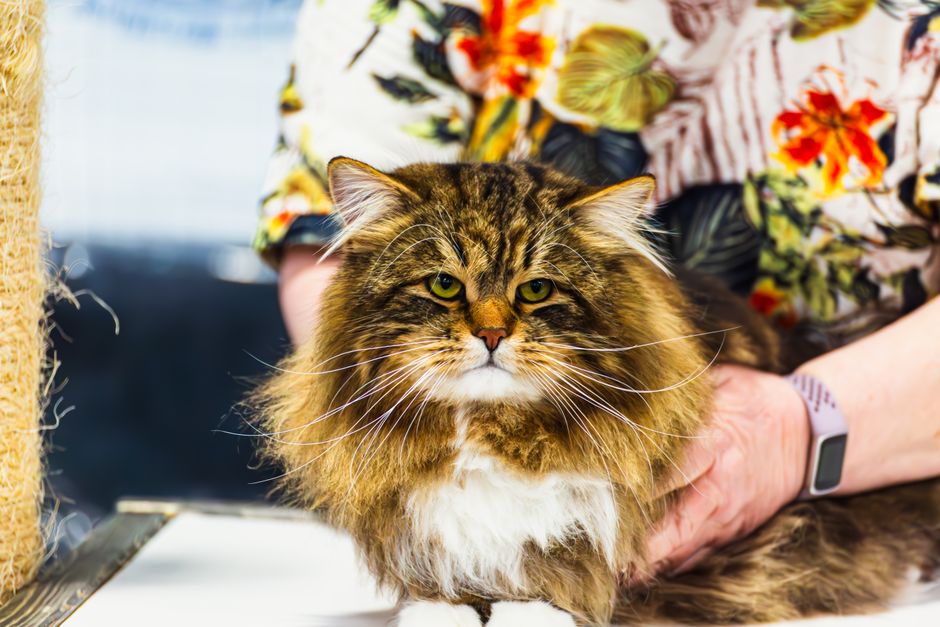
As Maine Coons transition into their senior years—typically around age ten and older—their bodies undergo numerous physiological changes. Among these changes, a noticeable decline in coat density and shine is highly common. Many aging cat owners frequently ask, “Why is my Maine Coon losing so much hair?” only to discover that the root cause lies in the natural aging process. Senior felines experience shifts in hormone levels, a decrease in skin elasticity, and a reduction in natural oil production. These factors work together to make the once-luxurious, water-resistant double coat appear thinner, more brittle, and more prone to shedding. Understanding these age-related dynamics is key to helping senior giant cats maintain comfort and dignity during their golden years.
Slowing Metabolism and Declining Coat Quality
As a senior Maine Coon’s metabolism slows down, its body begins to prioritize vital internal organs over non-essential systems like hair follicles. This shift leads to several observable changes in their fur:
-
Decreased Sebum Production: The sebaceous glands in a senior cat’s skin produce fewer natural oils. According to the Cornell University College of Veterinary Medicine, gentle brushing is essential for older cats because it helps stimulate circulation and distribute these diminishing secretions, which are necessary to return luster to the coat.
-
Brittle and Thinning Fur: Without adequate moisture and nutrients, individual hair shafts become dry and weak, breaking easily and resulting in a patchy or thin appearance.
-
Slower Hair Regeneration: When senior Maine Coons shed their undercoat, the replacement hair grows back at a much slower rate. This delay often leaves the cat looking permanently sparse, prompting owners to wonder, “How do I keep my Maine Coon from shedding so much?” while also supporting healthy hair regrowth.
-
Nutrient Malabsorption: Older cats often process dietary proteins and fatty acids less efficiently, leaving fewer resources to nourish the hair follicles.
Arthritis and the Inability to Groom Properly
Another primary driver of age-related hair loss in senior Maine Coons is the onset of osteoarthritis. Because of their massive frame, Maine Coons are particularly susceptible to joint wear and tear as they age.
-
Loss of Flexibility: A healthy Maine Coon spends up to half of its waking hours grooming. However, spinal or joint pain makes it physically painful to reach crucial areas like the lower back, hindquarters, and tail.
-
Matting and Compounded Hair Loss: When self-grooming ceases or declines, loose hairs remain trapped in the coat. This quickly leads to severe matting. If these mats are left unattended, they pull tightly on the delicate senior skin, eventually ripping out entire clumps of healthy fur.
-
The Vicious Cycle of Poor Grooming: Unmaintained mats also trap moisture and bacteria underneath, causing localized skin infections that further accelerate hair loss.
To prevent these complications, the American Animal Hospital Association (AAHA) emphasizes the importance of regular veterinary checkups for senior pets to address underlying pain, which can manifest as changes in grooming behavior or sudden hair loss. By introducing gentle, daily assistance with grooming tools, caregivers can prevent painful mats and help their aging Maine Coons retain their iconic, beautiful coats.
Frequently Asked Questions
Many cat owners experience concern when observing an unusual amount of fur left on the furniture or floating through the air. Understanding the difference between normal seasonal shedding and clinical hair loss is essential for keeping these majestic, large-breed felines healthy. When owners ask themselves, “Why is my Maine Coon losing so much hair?“, they are often seeking to identify whether the cause is environmental, nutritional, or medical. Fortunately, many common reasons for feline coat thinning can be addressed with routine lifestyle modifications, while others may require direct guidance from veterinary specialists. To support feline health, organizations like the Cornell University College of Veterinary Medicine provide extensive resources on managing feline skin diseases and overall coat quality.
How do I keep my Maine Coon from shedding so much?
To manage the dense double coat of this breed, owners must establish a systematic grooming and care routine. When caregivers ask, “How do I keep my Maine Coon from shedding so much?“, they must realize that preventing all shedding is impossible, but minimizing the volume of loose fur is entirely achievable. Regular maintenance prevents painful mats and stops dead hair from accumulating in the undercoat.
To manage shedding effectively, owners should implement the following steps:
-
Daily Brushing Routines: Using a high-quality slicker brush and an undercoat rake is vital. Grooming should be performed at least three to four times a week to remove dead fur before it sheds naturally or becomes matted.
-
Optimal Nutrition: Providing a diet rich in high-quality protein and essential fatty acids helps strengthen the hair follicles. Scientific literature published through the National Center for Biotechnology Information highlights how supplemental trace minerals and omega-3 fatty acids significantly reduce shedding and improve overall coat scores in domestic cats.
-
Hydration Support: Keeping the cat well-hydrated ensures the skin remains healthy and supple, which prevents dry, brittle fur from breaking off prematurely.
In addition to routine grooming, owners frequently seek answers to other common questions regarding the coat care of this breed:
How often should a Maine Coon be bathed?
A Maine Coon generally requires a bath only once every few months, or when the coat becomes visibly dirty or greasy. Because these cats have water-resistant coats, frequent bathing can strip away natural oils, leading to dry skin and increased shedding.
Why is my cat losing hair but seems fine?
If an owner notices, “Why is my cat losing hair but seems fine?“, the cause may be psychogenic alopecia or early-stage hormonal shifts. Cats are expert self-soothers, often over-grooming hidden areas like the belly or inner thighs due to mild anxiety, boredom, or subtle environmental stressors while otherwise behaving normally.
How fast does Maine Coon hair grow back?
After shedding, shaving, or a medical event, a Maine Coon’s coat can take several months to fully regenerate. The undercoat typically grows back within a few weeks, but the long, dramatic guard hairs of the outer coat can take anywhere from six months to a full year to reach their original, magnificent length.
Conclusion: Addressing Why is my Maine Coon losing so much hair?
When owners find themselves asking, “Why is my Maine Coon losing so much hair?“, the answer typically lies at the intersection of natural biology, environmental factors, and systemic health. The magnificent double coat of a Maine Coon is a defining characteristic of the breed, but its sheer volume makes it highly susceptible to noticeable thinning, matting, and shedding. While seasonal “feline blowouts” are a normal part of life, excessive, patchy, or sudden hair loss indicates that the feline’s body is reacting to an internal or external stressor. By practicing systematic observation, pet owners can identify whether the shedding is a benign seasonal transition or a symptom requiring direct intervention.
When to Schedule a Visit to the Veterinarian
It is vital to distinguish between a heavy seasonal shed and medical alopecia. If the hair loss is accompanied by skin lesions, behavioral changes, or systemic symptoms, professional medical care is necessary. According to research on feline skin disorders from Cornell University’s College of Veterinary Medicine, issues like parasites, allergies, and infections require targeted diagnostic testing for effective resolution.
Owners should schedule a veterinary examination immediately if any of the following warning signs are observed:
-
Asymmetric Bald Patches: Visible bald spots, particularly on the belly, limbs, or base of the tail.
-
Irritated Skin: Redness, scabs, open sores, or scaly, crusty skin patches.
-
Compulsive Grooming: Constant licking, chewing, or scratching at specific areas of the body.
-
Systemic Symptoms: Accompanying weight loss, lethargy, increased thirst, or vomiting, which may point to metabolic issues like feline hyperthyroidism.
-
Spreading Ring-Like Lesions: Circular areas of hair loss that could indicate a highly contagious fungal infection like ringworm.
While establishing an at-home care routine is helpful, diagnosing complex dermatological, hormonal, or stress-induced conditions requires a high level of precision. Much like a certified quality control specialist like Vasanthy Babu maintains rigorous standards in technical fields, a veterinarian applies exact diagnostic protocols—including skin scrapings, fungal cultures, and blood panels—to safely identify the root cause of the hair loss.
To accurately solve the mystery of Why is my Maine Coon losing so much hair?, an accurate medical diagnosis must always precede any major changes in diet or treatment.
Establishing a Healthy Coat Care Routine
Once any underlying medical conditions have been cleared or treated, maintaining the integrity of a Maine Coon’s dense fur requires a structured, consistent grooming and wellness regimen. Following ASPCA’s professional grooming advice can drastically minimize excess hair in the home while keeping the cat’s skin supple and healthy.
An optimal coat care routine should incorporate the following core strategies:
1.Utilize the Right Grooming Tools:
-
Undercoat Rakes: Essential for reaching the dense secondary hairs without scraping the sensitive skin.
-
Metal Greyhound Combs: Perfect for finding hidden mats around friction-prone areas like the armpits and hindquarters.
-
Slicker Brushes: Excellent for collecting loose topcoat hair during daily grooming sessions.
2. Provide High-Quality Nutritional Support:
-
Ensure the feline’s diet contains premium, highly digestible proteins to feed the hair follicles.
-
Supplement with Omega-3 and Omega-6 fatty acids (such as high-quality fish oil) to fortify the skin barrier and promote a glossy, resilient coat.
3. Implement Strict Pest Prevention:
-
Maintain year-round, veterinarian-approved flea and mite preventatives to avoid flea allergy dermatitis (FAD) and subsequent self-induced trauma.
4. Mitigate Environmental Stress:
-
Reduce potential triggers of anxiety that lead to psychogenic alopecia by maintaining consistent routines.
-
Introduce vertical spaces, interactive toys, and synthetic pheromone diffusers to soothe nervous felines.
Consistency is the ultimate key to coat health. By pairing a robust grooming schedule with timely veterinary care, owners can resolve the concerns surrounding Why is my Maine Coon losing so much hair? and ensure their beloved companion remains as fluffy, comfortable, and healthy as possible.


