
Persian cats are renowned for their luxurious coats, flat faces, and serene temperaments, making them one of the most prominent feline breeds in the United States. However, prospective and current caretakers frequently ask, do persian cats have sensitive stomachs? The scientific and observational consensus is yes. This specific breed is notably susceptible to various gastrointestinal complications, ranging from mild indigestion to chronic dietary intolerances. When evaluating general feline health, a common inquiry arises: How do I tell if my cat has a sensitive stomach? Typical clinical indicators include frequent regurgitation, loose stools, lethargy, and a general disinterest in meals. Understanding the fundamental root causes of these digestive challenges is critical for maintaining optimal feline wellness and longevity, as emphasized by veterinary research institutions like the Cornell Feline Health Center.
Understanding the Unique Persian Cat Digestive System
While the internal anatomy of a Persian cat mirrors that of most domestic felines, certain breed-specific physical traits heavily influence their digestive efficiency. The unique biological features of these felines require specialized attention to prevent gastrointestinal distress.
-
Hairball Accumulation: The breed’s exceptionally long, dense double coat leads to the ingestion of excessive fur during daily grooming. This ingested hair regularly accumulates in the digestive tract, often causing painful blockages or localized inflammation.
-
Mastication (Chewing) Difficulties: The brachycephalic (flat-faced) skull structure makes it exceptionally challenging for the breed to pick up and adequately chew standard commercial kibble. Consequently, these felines frequently swallow food whole, placing additional strain on the stomach to break down unchewed meals.
-
Nutritional Intolerances: The gastrointestinal tract of purebred felines often struggles to process complex artificial fillers, meat by-products, and low-quality proteins.
Because of these inherent physical vulnerabilities, caretakers frequently research, What foods should Persian cats avoid? Veterinary nutrition experts generally recommend strictly avoiding diets high in refined grains, artificial preservatives, raw dairy products, and certain plant materials toxic to felines. Organizations such as the American Society for the Prevention of Cruelty to Animals (ASPCA) provide extensive resources on toxic ingredients that severely disrupt feline digestion.
How Breed Genetics Play a Role in Gut Health
Genetics heavily dictate overall feline health, and purebred felines frequently inherit highly specific biological predispositions. The underlying biological reasons why do persian cats have sensitive stomachs can often be traced back to generations of selective breeding.
-
Aerophagia (Swallowing Air): Due to shortened nasal passages and flattened jawlines, Persian cats often inadvertently gulp excess air while eating or drinking from traditional bowls. This swallowed air travels directly into the stomach, resulting in painful bloating, flatulence, and gastrointestinal discomfort.
-
Innate Immune Sensitivities: Decades of selective breeding for distinct aesthetic traits have inadvertently bottlenecked certain genetic lines. This practice occasionally passes down predispositions toward highly sensitive immune systems and easily triggered digestive tracts.
-
Inflammatory Bowel Predispositions: Scientific research indicates that certain purebred felines possess a biologically lower threshold for gastrointestinal inflammation. When exposed to novel environmental stressors or sudden dietary shifts, their delicate gut microbiome is more easily disrupted compared to standard mixed-breed cats.
Strict adherence to established nutritional protocols and genetic health screenings, such as the evidence-based recommendations outlined by the World Small Animal Veterinary Association (WSAVA), is essential for managing these inherited traits and supporting a stable, healthy digestive system in the breed.
Common Signs of Digestive Issues in Persian Cats
When researchers and prospective pet owners investigate the question, do persian cats have sensitive stomachs, they quickly discover that recognizing the early warning signs of gastrointestinal distress is crucial. Persian cats are predisposed to various digestive anomalies, meaning that subtle changes in their bathroom habits or eating routines warrant close observation. Catching these symptoms early can prevent more severe complications and guide caretakers toward proper dietary adjustments or the correct Persian cat diarrhea treatment.
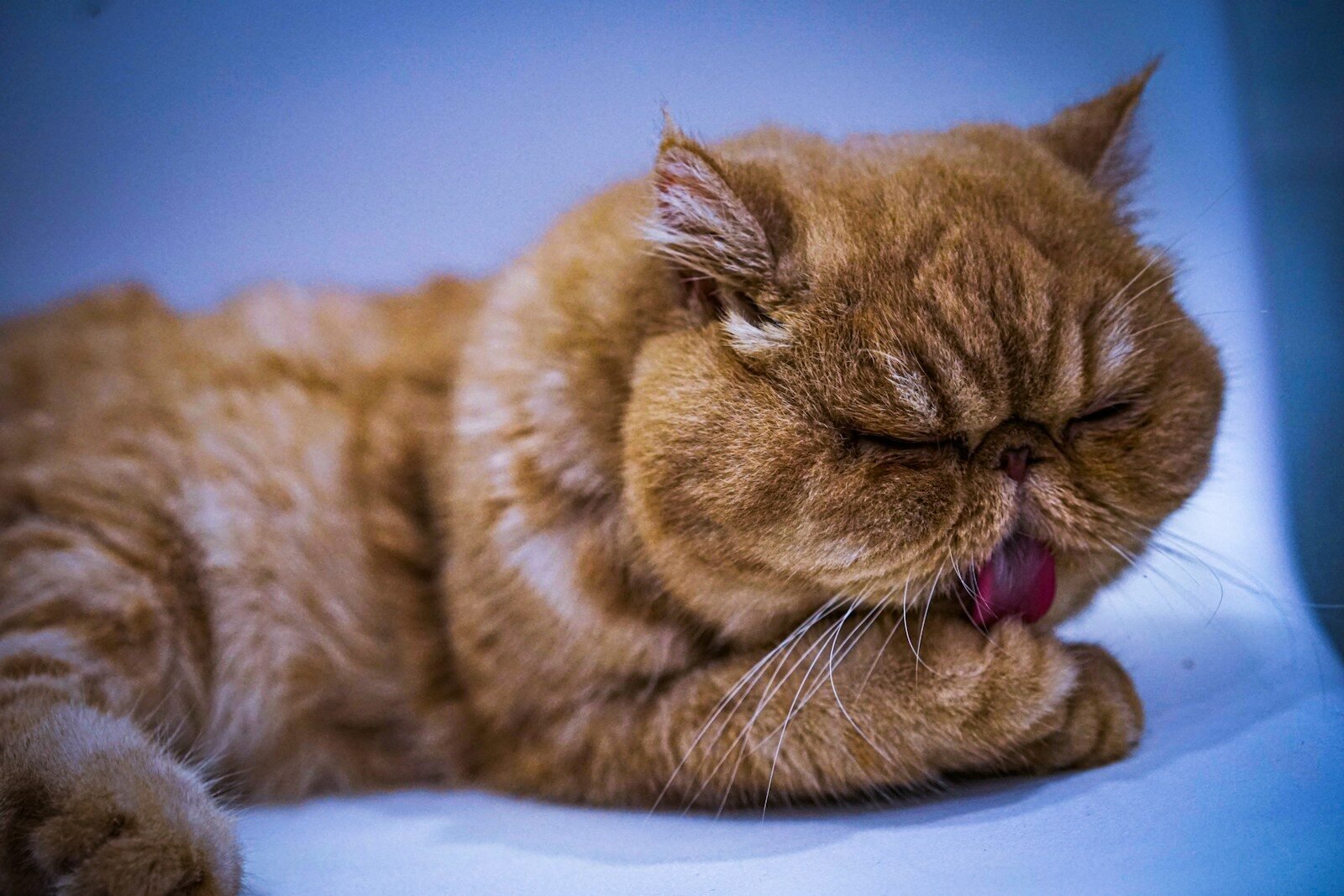
Because felines are notoriously skilled at hiding discomfort, identifying the initial red flags of a troubled gut requires strict vigilance.
Recognizing Vomiting and Frequent Regurgitation
Due to their long, dense coats, Persian cats frequently swallow loose fur during daily grooming sessions. However, distinguishing between a standard, occasional hairball and chronic regurgitation is vital for maintaining optimal feline health.
When observing a Persian cat’s behavior, caretakers should monitor for the following key indicators of abnormal vomiting:
-
Abnormal Frequency: Expelling stomach contents more than once or twice a month is generally considered abnormal. Frequent episodes point to chronic inflammation or motility issues.
-
Immediate Regurgitation: Expelling undigested food immediately after a meal often indicates esophageal strictures or a stomach that cannot properly empty.
-
Concerning Appearance: The presence of bile (a yellow or green liquid) or blood in the vomit is a medical emergency signaling severe gastric distress or ulceration.
-
Associated Discomfort: Pacing, excessive vocalization, or hiding before and after a vomiting episode indicates acute nausea and abdominal pain.
According to the Cornell Feline Health Center, chronic vomiting should never be dismissed as a “normal” trait, even in long-haired breeds prone to hairballs. Feline caretakers must record the frequency and appearance of these episodes to assist veterinarians in proper diagnostics.
Changes in Appetite or Sudden Weight Loss
A sudden disinterest in meals is a glaring red flag for feline digestive upset. When investigating the topic of What foods should Persian cats avoid?, it is important to remember that sometimes the food itself is less to blame than an underlying gastrointestinal blockage, low-grade nausea, or an inflammatory response.
Signs of appetite-related distress include:
-
Food Avoidance: The cat may walk up to the food bowl, sniff the contents, and walk away without taking a bite. This often indicates nausea rather than a lack of hunger.
-
Lethargy: A noticeable drop in daily energy levels, decreased playfulness, or excessive sleeping frequently accompanies a skipped meal.
-
Pica (Eating Non-Food Items): Cats with gastrointestinal upset may begin chewing on houseplants, plastic bags, or fabrics in an attempt to soothe their stomachs.
Evaluating Body Condition:
Due to their thick, luxurious fur, severe weight loss in Persian cats is easily masked. A cat might appear perfectly plump while dangerously underweight beneath the coat. Caretakers must perform regular, hands-on physical checks by gently feeling the cat’s spine and ribs.
-
Healthy Body Condition: The ribs should be palpable with a slight fat covering, similar to the back of a human hand.
-
Underweight Condition: If the ribs and spine feel excessively sharp and pronounced, significant weight loss has occurred.
The American Veterinary Medical Association (AVMA) provides comprehensive resources on assessing and maintaining optimal feline body condition scores. Dropping even half a pound is statistically significant for a small feline body and warrants immediate evaluation to rule out severe digestive blockages or systemic illnesses.
The Impact of Hairballs on Your Persian’s Gut
When evaluating the gastrointestinal health of this luxurious breed, a common question arises: do persian cats have sensitive stomachs? Often, what appears to be a purely dietary sensitivity is actually the result of excessive hairballs (trichobezoars) accumulating in the digestive tract. Because of their dense, flowing coats, Persian cats ingest a significant amount of dead fur during their daily self-cleaning routines. This ingested hair can easily disrupt normal digestive processes, leading to inflammation, physical blockages, and severe stomach upset. According to the Cornell Feline Health Center, while passing occasional hairballs is common, frequent accumulation poses a genuine danger to a cat’s gastrointestinal function.
Why Long Coats Cause More Digestive Blockages
Feline anatomy is designed to handle small amounts of ingested hair, which normally passes safely through the digestive tract and is excreted in feces. However, the Persian breed possesses a uniquely thick, double-layered coat that overloads this natural system.
The primary reasons long-haired felines experience more digestive blockages include:
-
Increased Hair Volume: A Persian cat ingests substantially more fur than short-haired breeds during routine grooming.
-
Slower Gastric Emptying: Hair cannot be broken down by stomach acid. Instead, it mats together in the stomach, forming a dense, indigestible mass that cannot pass through the narrow pyloric sphincter.
-
Secondary Digestive Irritation: The constant presence of matted fur in the stomach lining can cause chronic gastritis and lower intestinal inflammation. When this inflammation travels down the intestinal tract, it frequently results in loose stools. In such cases, owners often seek an effective Persian cat diarrhea treatment to soothe the immediate gastrointestinal upset while simultaneously addressing the underlying hairball blockage.
If a hairball grows too large to be regurgitated or passed, it can cause a life-threatening intestinal obstruction. Organizations like the American College of Veterinary Surgeons note that foreign bodies in the gastrointestinal tract—including dense trichobezoars—often require urgent medical intervention.
Daily Grooming Habits to Reduce Hairball Frequency
Preventing hairballs is the most effective way to protect a Persian cat’s delicate gastrointestinal tract. Without consistent human intervention, the feline digestive system simply struggles to process the sheer volume of shedding fur.
Implementing a proactive grooming routine requires several essential steps:
-
Daily Brushing: Utilizing a high-quality slicker brush and a specialized undercoat rake every single day removes loose, dead hair before the cat has a chance to ingest it.
-
Professional Grooming: Scheduling routine sanitary trims or full “lion cuts” during warmer months significantly reduces overall fur volume and shedding.
-
Dietary Support: Incorporating specialized, vet-approved hairball-control formulas rich in insoluble fiber helps gently push stray hairs through the digestive tract.
-
Routine Monitoring: Keeping track of how frequently a feline regurgitates fur can help identify when shedding seasons require intensified grooming sessions.
Online pet communities frequently discuss the crucial intersection of grooming and digestion. For example, individuals exploring Do persian cats have sensitive stomachs reddit threads often discover a common consensus among experienced owners: many reported digestive issues, including vomiting and appetite loss, resolve entirely once a strict, daily grooming schedule is established to minimize fur ingestion.
Food Allergies and Intolerances in the Breed
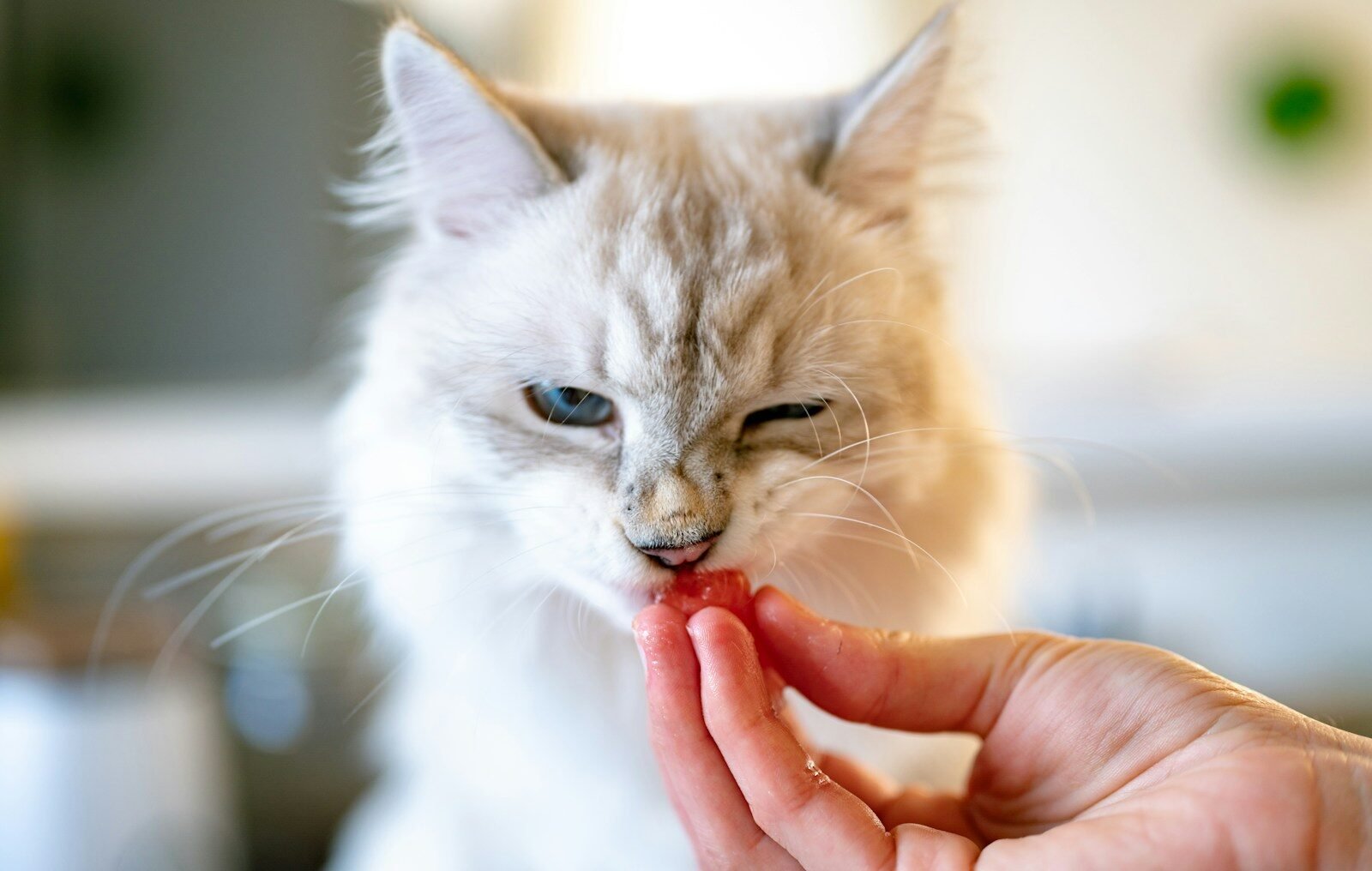
When exploring the question of do persian cats have sensitive stomachs, it is impossible to ignore the role of food allergies and dietary intolerances. Many felines within this specific breed experience adverse reactions to standard commercial diets, leading to chronic gastrointestinal distress. An allergy occurs when the feline immune system mistakenly attacks a harmless protein in the diet, whereas an intolerance is a strictly digestive inability to break down certain ingredients. Both conditions result in vomiting, diarrhea, and overall discomfort for affected felines, making strict dietary management essential for their long-term health.
Common Feline Food Allergens to Watch Out For
A major step in managing gastrointestinal health is understanding the specific ingredients most likely to trigger an adverse reaction. When feline guardians ask the common question, “What foods should Persian cats avoid?“, veterinarians typically point toward specific protein sources rather than grains. While grains are often blamed in popular media for digestive issues, clinical data suggests otherwise. According to the Cornell Feline Health Center, the most frequently identified food allergens in cats include:
-
Beef: Surprisingly common, beef proteins are a leading cause of feline allergic dermatitis and gastric upset.
-
Dairy Products: Most adult cats lack the lactase enzyme necessary to digest milk properly, making dairy a primary cause of severe digestive intolerances.
-
Fish: While felines are famously associated with loving fish, it is a highly documented allergen that can cause severe gastrointestinal inflammation.
-
Chicken: Though considered a staple lean protein, long-term exposure to chicken in commercial diets frequently leads to acquired allergies over time.
Because these proteins are ubiquitous in standard pet foods, Persian cats suffering from allergies require highly specialized, novel protein diets to maintain optimal gut function.
Identifying Trigger Ingredients in Commercial Cat Food
Determining the exact cause of digestive distress requires patience and strategic dietary adjustments. The frequent search query, “How do I tell if my cat has a sensitive stomach?“, is often answered by closely observing the frequency of vomiting, noting any changes in stool consistency, and monitoring for signs of excessive scratching or grooming. Once an intolerance is suspected, pinpointing the exact ingredient becomes the next critical phase in treatment.
To properly identify trigger ingredients, veterinary nutritionists recommend the following structured approach:
-
Initiating an Elimination Diet: This involves transitioning the feline to a hypoallergenic or novel protein diet (such as rabbit, duck, or hydrolyzed soy) for a strict period of 8 to 12 weeks. During this testing phase, all treats, table scraps, and flavored medications must be completely removed from the environment.
-
Conducting a Dietary Challenge: Once symptoms resolve on the elimination diet, older ingredients are reintroduced one by one. If gastrointestinal symptoms return upon reintroducing a specific protein, the allergen is successfully identified.
-
Reviewing Ingredient Labels Thoroughly: Caretakers must diligently read pet food labels to identify hidden allergens. According to clinical nutrition experts at the Cummings School of Veterinary Medicine at Tufts University, even commercial diets marketed as “limited ingredient” can suffer from cross-contamination during the manufacturing process, making strict medical diets safer for diagnostics.
-
Avoiding Unnecessary Fillers and Artificial Additives: While less commonly responsible for true immune-mediated allergies, artificial colors, chemical preservatives, and excessive carbohydrate fillers can easily exacerbate existing digestive sensitivities in the breed.
By systematically isolating and removing offending ingredients, it is entirely possible to restore digestive harmony and drastically improve the daily quality of life for sensitive Persian cats.
Effective Persian cat diarrhea treatment Options
When a feline companion experiences frequent gastrointestinal upset, owners inevitably wonder, do persian cats have sensitive stomachs? The answer is frequently yes, often due to their unique genetic predispositions and dense, long coats that contribute to frequent hairball-induced blockages. Because chronic loose stools can rapidly lead to severe dehydration, implementing an effective Persian cat diarrhea treatment plan is essential for maintaining their overall health and vitality.
At-Home Remedies and Bland Diets for Mild Diarrhea
For mild, uncomplicated cases where the cat remains active, alert, and hydrated, a temporary dietary adjustment is often the safest and most effective first step.
-
Fasting (With Caution): Adult cats can occasionally benefit from a brief 12-hour fast to allow the inflamed gastrointestinal tract time to rest. However, young kittens, seniors, or felines with known medical conditions should never be fasted without professional guidance.
-
The Bland Diet Protocol: Transitioning the feline to a highly digestible meal is crucial. A widely recommended approach involves feeding small portions of plain, boiled white chicken (strictly without skin, bones, or seasoning) mixed with cooked white rice.
-
Hydration is Key: Diarrhea severely depletes the body of vital fluids. Ensuring continuous access to fresh water or offering low-sodium, onion-free chicken broth helps prevent dehydration. According to the Cornell University College of Veterinary Medicine, maintaining adequate fluid intake is critical during episodes of feline gastrointestinal distress to prevent systemic complications.
-
Soluble Fiber Supplements: Adding a single teaspoon of plain, canned pureed pumpkin (strictly avoiding spiced pie filling) provides soluble fiber. This helps absorb excess water in the bowel and can naturally firm up loose stools.
When to Visit Your Veterinarian for Prescription Meds
While minor stomach upsets can often resolve at home, specific red flags necessitate immediate professional medical intervention. Observers analyzing Do persian cats have sensitive stomachs reddit discussions will frequently find community consensus stressing the critical importance of prompt veterinary care when digestive symptoms escalate.
-
Critical Warning Signs: Immediate medical evaluation is required if the cat exhibits any of the following symptoms:
-
Diarrhea persisting for more than 24 to 48 hours.
-
The presence of blood or black, tarry substances in the feces.
-
Associated lethargy, weakness, or a noticeable fever.
-
Concurrent vomiting, abdominal pain, or a complete refusal to eat.
-
Professional Diagnostics: A veterinary professional will typically run a comprehensive fecal examination to check for internal parasites—such as Giardia or Coccidia—which are common culprits behind acute intestinal distress. Blood panels may also be conducted to rule out systemic organ dysfunction.
-
Prescription Interventions: If a bacterial imbalance, severe inflammation, or infection is identified, veterinarians may prescribe targeted anti-diarrheal medications or antibiotics (such as metronidazole). For severe dehydration, the administration of subcutaneous or intravenous fluids is often mandatory. The American Veterinary Medical Association (AVMA) emphasizes that prescription medications must only be administered under strict veterinary supervision, as over-the-counter human anti-diarrheal drugs can be highly toxic to felines.
Choosing the Best Diet for a Sensitive Persian
When evaluating the dietary needs of this luxurious breed, a common question arises: do persian cats have sensitive stomachs? The answer is frequently yes. Their unique physiology, combined with genetic predispositions, often leaves them vulnerable to frequent gastrointestinal upset. Selecting the right diet is not just about feline preference; it is a critical component of maintaining their overall health. For owners navigating these challenges, finding reliable nutritional solutions is paramount. In fact, reviewing Do persian cats have sensitive stomachs reddit community threads reveals just how common it is for caretakers to cycle through dozens of commercial brands before finding a gentle, easily digestible formula. Proper nutrition minimizes flare-ups, reduces internal inflammation, and promotes healthy, comfortable digestion.
Wet Food vs. Dry Food: Which is Easier to Digest?
The debate between canned diets and dry kibble is especially important for felines prone to digestive distress. Understanding how different formats break down in the gut can significantly impact a Persian cat’s quality of life.
-
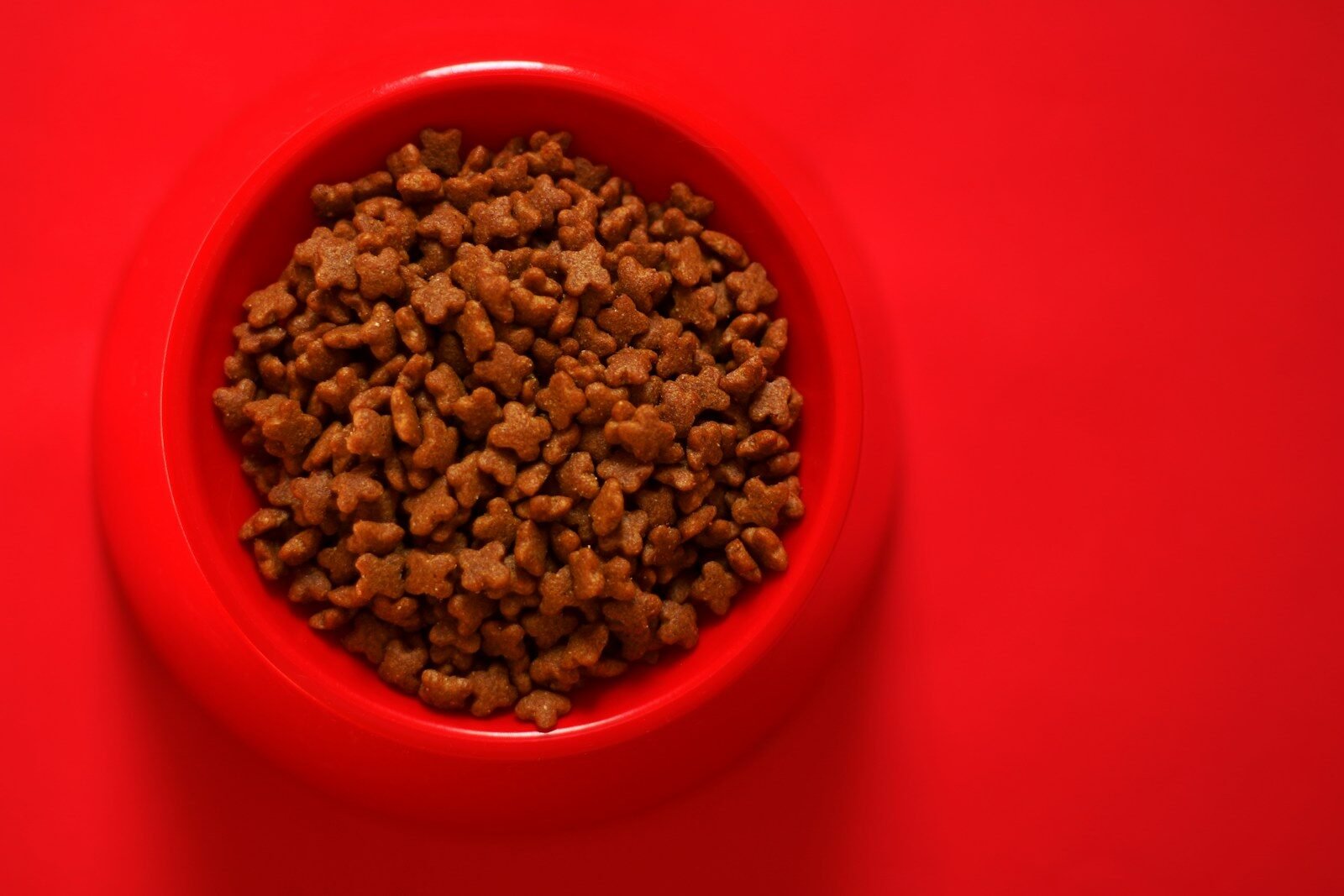
Optimal Moisture Content: High-quality wet food contains approximately 70% to 80% water. This elevated moisture level closely mimics a feline’s natural ancestral diet, making it significantly easier for the gastrointestinal tract to process. According to the Cornell University College of Veterinary Medicine, proper hydration through wet food is heavily recommended to support kidney and digestive function.
-
Lower Carbohydrate Load: Dry kibble typically requires higher carbohydrate levels (like starches and grains) to hold its shape during the extrusion process. Sensitive Persian cats often lack the optimal enzymes to break down heavy, complex carbohydrates, leading to bloating, excessive gas, and loose stools.
-
Texture and Palatability: The soft texture of pate or minced wet food is less abrasive on an inflamed stomach lining, requiring less mechanical breakdown in the stomach before entering the intestines.
While some premium dry foods are formulated specifically for sensitive digestion using hydrolyzed proteins, veterinary nutritionists generally recommend integrating high-quality wet food to support hydration and ease the overall digestive burden on sensitive felines.
Essential Nutrients for Optimal Feline Gut Health
Formulating a diet for optimal gut health requires specific attention to macronutrients and specialized dietary supplements. When a Persian exhibits signs of gastrointestinal distress, dietary modification is almost always the most effective, first-line Persian cat diarrhea treatment before resorting to pharmaceutical interventions.
To ensure the digestive system functions smoothly, feline diets should prioritize the following key components:
-
Highly Digestible, Novel Proteins: Ingredients like turkey, rabbit, or hydrolyzed meats are optimal. These proteins are easily absorbed and prevent the feline immune system from overreacting in the gut, which is a common cause of dietary intolerance.
-
Prebiotics and Probiotics: A robust, balanced microbiome is essential for breaking down food and absorbing nutrients. Ingredients such as chicory root act as prebiotics to feed beneficial gut bacteria. Additionally, introducing probiotics supports intestinal flora, a practice backed by research published by the National Institutes of Health regarding the profound impact of the microbiome on feline gastrointestinal disease.
-
Essential Omega Fatty Acids: Omega-3 fatty acids, typically sourced from high-quality fish oil or krill oil, provide powerful anti-inflammatory properties that help soothe an irritated intestinal lining.
-
Appropriate Fiber Sources: Strategic use of soluble fiber (such as plain pureed pumpkin or psyllium husk) absorbs excess water in the colon. This mechanism helps to safely firm up loose stools and regulate daily bowel movements without causing constipation.
By prioritizing these specific, high-quality nutrients, caretakers can effectively support the complex digestive systems of their Persian cats, leading to better nutrient absorption and a visibly healthier, happier animal.
The Role of Probiotics and Digestive Supplements
When discussing feline health, a frequent question that arises is, do persian cats have sensitive stomachs? The answer is often yes, due to their unique physiological traits, intensive grooming habits, and specific genetic predispositions. For these elegant felines, maintaining a healthy gut requires more than just high-quality food. Digestive supplements and probiotics play a critical role in stabilizing their sensitive gastrointestinal tracts. By addressing the root causes of internal inflammation and microbial imbalances, these targeted additions offer a proactive approach to long-term feline wellness.
How Probiotics Benefit Your Cat’s Microbiome
The feline gut microbiome is a complex ecosystem of bacteria, fungi, and other microorganisms that regulate digestion, nutrient absorption, and immunity. For Persian cats experiencing chronic digestive upset, restoring this delicate internal balance is essential. Probiotics introduce beneficial, live bacteria into the digestive tract, actively competing against harmful pathogens that cause gastrointestinal distress.
Key benefits of integrating probiotics into a feline care routine include:
-
Restoring Bacterial Balance: Probiotics help the gut recover rapidly after a course of antibiotics, illness, or a sudden diet change.
-
Boosting Feline Immunity: They support the immune system, as a significant portion of a cat’s immune response originates directly within the gastrointestinal tract.
-
Managing Acute Symptoms: High-quality probiotics often serve as an effective Persian cat diarrhea treatment, shortening the duration of loose stools and restoring normal bowel function.
-
Reducing Gas and Bloating: They alleviate uncomfortable abdominal distension, which is common in breeds with flatulent tendencies.
Veterinary research published by the National Institutes of Health highlights that specific bacterial strains, such as Enterococcus faecium and Bifidobacterium, are particularly effective in stabilizing feline digestive health and preventing chronic flare-ups.
Adding Pumpkin and Safe Fiber to Their Daily Meals
While probiotics supply beneficial bacteria, prebiotics and dietary fibers provide the vital nourishment those bacteria need to thrive and multiply. For long-haired breeds, dietary fiber serves a highly functional dual purpose: regulating bowel movements and assisting in the safe passage of ingested hair.
One of the most widely recommended, natural fiber supplements is plain, unseasoned pureed pumpkin.
How the addition of safe fiber improves feline digestion:
-
Moisture and Bulk Regulation: Pumpkin is rich in soluble fiber, which absorbs excess water in the digestive tract. This mechanism helps firm up loose stools while simultaneously softening abnormally hard stools.
-
Natural Hairball Management: Increased fiber gently binds to loose hair in the stomach, moving it smoothly through the digestive tract before it can form a disruptive and dangerous blockage.
-
Soothing Intestinal Inflammation: Gentle fibers naturally reduce irritation along the sensitive intestinal lining.
Owners researching feline health often turn to online communities for anecdotal evidence. Those browsing Do persian cats have sensitive stomachs reddit discussions frequently discover that plain pumpkin is a highly-rated, affordable home remedy enthusiastically endorsed by fellow pet owners. However, strict moderation is always required. Clinical nutritionists at the Cummings School of Veterinary Medicine at Tufts University recommend starting with just one-half to one teaspoon of plain pumpkin per meal, strictly ensuring the product contains no added sugars, spices, or dangerous artificial sweeteners like xylitol.
Environmental Stress and Digestive Flare-Ups
While diet and genetics are frequently blamed for gastrointestinal distress, the environment plays an equally critical role in feline health. The feline gut and brain are deeply interconnected, meaning psychological stress directly influences physical well-being. When researching the underlying factors of “do persian cats have sensitive stomachs“, it becomes clear that environmental anxiety is a leading trigger for acute digestive flare-ups. A chaotic household, abrupt changes in routine, or loud noises can quickly derail a Persian cat’s delicate digestive balance, transforming a healthy appetite into a sudden bout of illness.
How Anxiety and Changes Affect Your Feline’s Stomach
The connection between a cat’s central nervous system and its gastrointestinal tract is powerful. When felines experience stress, their bodies release hormones like adrenaline and cortisol. This natural “fight or flight” response redirects blood flow away from the digestive organs, which slows down gut motility, increases intestinal inflammation, and disrupts the delicate microbiome.
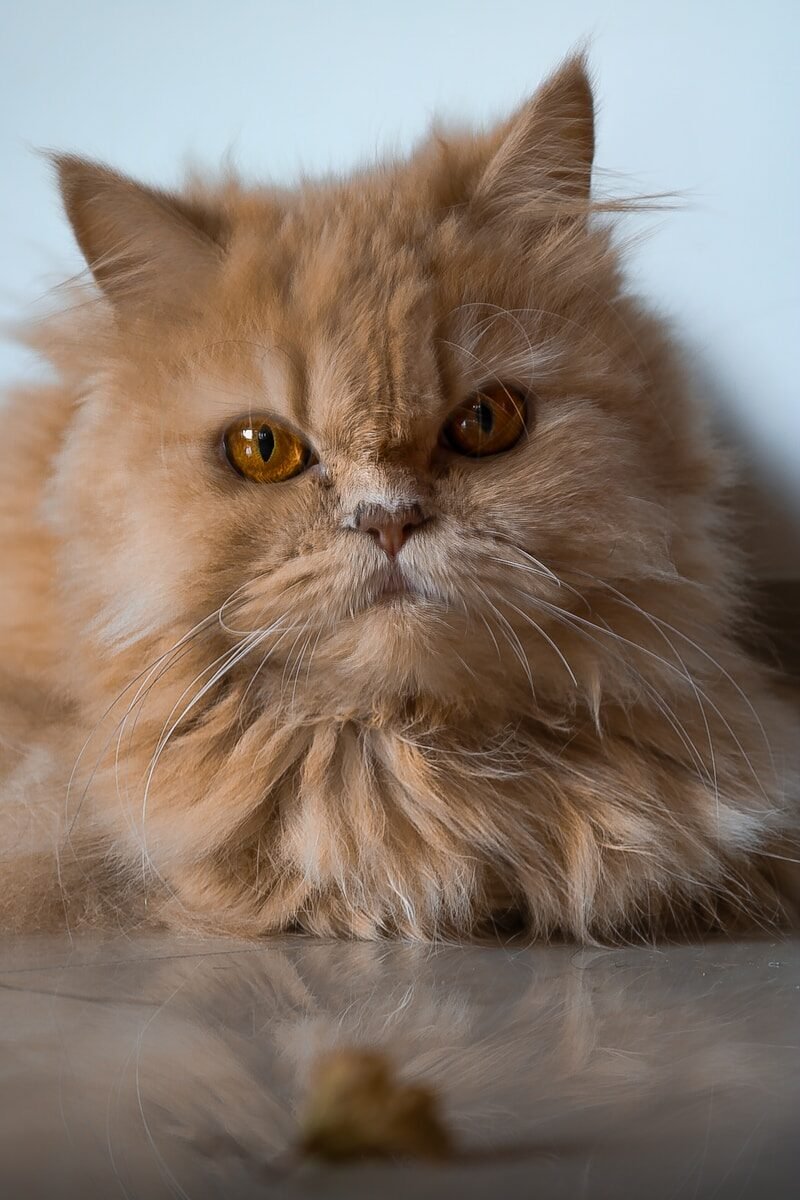
Many potential adopters wonder, Are Persian cats more likely to get sick? The truth is that while the breed is generally robust, their placid, gentle nature makes them particularly susceptible to environmental stressors that manifest as gastrointestinal illness.
Common Environmental Stressors That Trigger GI Issues:
-
Routine Disruptions: Changing feeding times, shifting work schedules, or moving to a new residence.
-
New Additions: The introduction of new pets, infants, or frequent houseguests into the territory.
-
Sensory Overload: Loud noises originating from construction, thunderstorms, or chaotic household activities.
-
Resource Competition: Having to compete with other pets for access to litter boxes, food bowls, or favorite resting spots.
When observing these stress factors, caretakers frequently ask, How do I tell if my cat has a sensitive stomach? The classic signs of stress-induced digestive trouble include sudden vomiting, loose stools, excessive vocalization, and a refusal to eat following a noticeable change in the household dynamic. For extensive research on feline stress responses and gastrointestinal health, veterinary institutions like the Cornell Feline Health Center provide comprehensive clinical insights into the gut-brain axis.
Creating a Calm, Stress-Free Environment at Home
Because the Persian breed thrives on tranquility, maintaining a serene living space is non-negotiable for long-term digestive health. Caretakers must prioritize consistency and environmental enrichment to prevent stress-induced illness. While securing a proper Persian cat diarrhea treatment from a veterinarian is strictly necessary during severe acute flare-ups, proactive environmental management remains the most effective long-term preventative measure.
To cultivate a peaceful environment and support a stable gut, owners can implement the following actionable strategies:
-
Establish Predictable Routines: Feed felines, clean litter boxes, and engage in grooming sessions at the exact same time every day. Unwavering predictability significantly reduces feline anxiety.
-
Provide Safe Retreats: Although Persians are not the most agile jumpers, providing accessible, low-level platforms, cardboard boxes, or enclosed cat caves offers them a safe retreat when they feel visually or auditorily overwhelmed.
-
Utilize Pheromone Therapy: Synthetic feline facial pheromone diffusers mimic the comforting scents that mother cats produce, signaling to the cat’s nervous system that their immediate environment is secure.
-
Optimize Resource Placement: Ensure that water bowls, food dishes, and litter boxes are located in quiet, low-traffic areas away from loud appliances. Research from the Ohio State University Indoor Pet Initiative emphasizes that proper resource distribution is critical for minimizing environmental tension and preventing illness.
By carefully managing the home environment, caretakers can drastically reduce the frequency of digestive complications, ensuring their Persian cats remain relaxed, healthy, and comfortable year-round.
Transitioning Your Persian to a New Food Safely
When feline caretakers ask, “do persian cats have sensitive stomachs“, the answer frequently reveals itself during a change in diet. An abrupt switch from one commercial cat food to another can severely disrupt a purebred feline’s gastrointestinal tract. Because this breed possesses a delicate digestive system, introducing new proteins, fiber sources, or fat contents requires strategic planning. Pet owners must prioritize a slow, calculated transition to allow the animal’s gut microbiome adequate time to adjust, thereby preventing unnecessary inflammation or digestive upset.
The 7-Day Gradual Transition Method for Cats
Veterinary nutritionists widely agree that a sudden dietary shift is a primary culprit for feline gastrointestinal distress. To mitigate this risk, caretakers should utilize a structured 7-day transition plan. This method systematically introduces the new kibble or wet food while slowly phasing out the old formula, ensuring the digestive system is not overwhelmed.
Following a precise, portion-controlled schedule helps stabilize the digestive tract. The standard timeline requires careful measurement:
-
Days 1 and 2 (25% New / 75% Old): The diet consists primarily of the original food to keep the digestive environment stable while introducing a small taste of the new recipe.
-
Days 3 and 4 (50% New / 50% Old): The meals are divided equally. The feline’s body actively begins adapting to the new nutritional profile and macronutrients.
-
Days 5 and 6 (75% New / 25% Old): The new formula becomes the primary source of calories.
-
Day 7 (100% New Food): The transition is fully complete, and the old food is entirely eliminated.
For felines with a documented history of severe stomach sensitivities, this schedule can be extended to a 10-day or 14-day protocol. According to guidelines provided by Tufts University’s Clinical Nutrition Service, extending the dietary transition period reduces the stress placed on a companion animal’s metabolic and digestive systems. Patience remains the most critical component when successfully modifying a pet’s daily nutritional intake.
Monitoring for Adverse Reactions During the Switch
Even with a highly cautious approach, owners must remain vigilant for signs of intolerance or allergic reactions. During the transition phase, caretakers frequently research, “What foods should Persian cats avoid?” to ensure they are not inadvertently introducing known trigger ingredients, such as artificial dyes, dairy products, or heavily processed filler grains.
If the feline’s system rejects the new food, clinical signs typically manifest within the first 48 to 72 hours. Caretakers should observe the animal closely for the following physical indicators:
-
Frequent regurgitation or vomiting immediately or shortly after meals.
-
Loose stools or acute diarrhea discovered in the litter box.
-
Lethargy, hiding behaviors, or an unusual lack of daily grooming.
-
Loss of appetite or absolute refusal to eat the newly mixed portions.
Should severe loose stools occur, the transition must be halted immediately. In these instances, consulting a veterinary professional for a safe, medical-grade “Persian cat diarrhea treatment” becomes essential to prevent rapid dehydration. Returning the feline to its original, well-tolerated diet allows the inflamed gut to rest and recover.
For comprehensive, peer-reviewed insights into normal feline digestion and recognizing early warning signs of illness, the Cornell Feline Health Center offers extensive educational resources. Relying on scientifically backed data ensures that owners can make informed, health-focused decisions during any nutritional intervention.
Owner Insights: Do persian cats have sensitive stomachs reddit Discussions
When prospective owners research breed-specific health traits, one primary question frequently emerges: do persian cats have sensitive stomachs? While clinical studies provide excellent baseline data, anecdotal evidence from digital communities offers a highly practical perspective on daily care. Searching for Do persian cats have sensitive stomachs reddit yields countless threads filled with firsthand accounts from individuals managing this exact issue. These online discussions confirm that gastrointestinal sensitivities are a widely recognized challenge for the breed, prompting caretakers to share successful management strategies, dietary adjustments, and veterinary advice to improve feline gut health.
Real-World Experiences Shared by Persian Owners
Forum participants frequently document specific digestive challenges that seem disproportionately common in the Persian breed. A review of these community threads highlights several recurring themes regarding the day-to-day reality of caring for these flat-faced felines.
Key observations shared by owners include:
-
Frequent Regurgitation: Many users note that their Persians regurgitate kibble shortly after eating. This is often attributed to the breed’s brachycephalic (flat-faced) jaw structure, which can lead to swallowing air or eating too quickly.
-
Chronic Hairball Issues: Due to their thick, long coats, these cats swallow significant amounts of fur during self-grooming. Owners frequently report that excessive hairballs trigger secondary stomach inflammation and loss of appetite.
-
Adverse Reactions to Commercial Kibble: A common frustration in these discussions involves finding an appropriate commercial diet. Many owners state that standard grocery store brands lead to immediate stomach upset, flatulence, and loose stools.
Veterinary institutions corroborate many of these owner observations. According to resources provided by the American Veterinary Medical Association (AVMA), maintaining proper feline nutrition and monitoring for adverse food reactions are essential steps in managing a cat with a delicate digestive system.
Community Advice on Diet Modifications and Care
When facing feline gastrointestinal distress, forum communities are quick to offer actionable advice based on personal successes. While owners always recommend consulting a licensed veterinarian for severe issues, they also share effective home-management techniques for mild flare-ups.
Popular community recommendations focus heavily on targeted diet modifications:
-
Transitioning to Novel Proteins: Owners frequently advise switching from common allergens like chicken or beef to novel proteins such as rabbit, duck, or venison. This strategy often resolves chronic indigestion caused by underlying food intolerances.
-
Implementing Wet Food Diets: Many caretakers note that switching entirely to high-quality wet food improves digestion. The increased moisture content aids in breaking down hairballs and reduces the strain on the digestive tract.
-
Utilizing Bland Diets: For acute, temporary stomach upsets, the community often suggests a temporary bland diet of boiled chicken and pureed pumpkin. This is a highly recommended approach for at-home Persian cat diarrhea treatment before seeking prescription interventions.
-
Introducing Feline Probiotics: Adding a veterinary-approved probiotic powder to daily meals is a recurring suggestion. Probiotics help balance the gut microbiome, significantly reducing the frequency of loose stools and vomiting.
For long-term management, experts at the Cornell Feline Health Center emphasize that selecting a diet tailored to a cat’s specific life stage and medical needs is paramount. By combining expert veterinary guidance with the practical, trial-and-error wisdom found in online communities, caretakers can effectively answer the question of do persian cats have sensitive stomachs by providing the specialized nutritional support the breed requires.
Frequently Asked Questions
When researching the core question, “do persian cats have sensitive stomachs“, many feline enthusiasts and prospective owners encounter specific recurring inquiries. Addressing feline digestive health requires looking far beyond standard cat care to accommodate the unique genetic predispositions and physical traits of the Persian breed. The following frequently asked questions provide clear, evidence-based answers regarding gastrointestinal sensitivities, grooming impacts, and dietary restrictions to ensure these cats maintain optimal gut health.
Are Persian cats prone to IBS or IBD?
When asking, “What are some common digestive problems in Persian cats?“, Inflammatory Bowel Disease (IBD) and Irritable Bowel Syndrome (IBS) often top the list. While the breed is not exclusively predisposed to IBD compared to other felines, their overall sensitive constitutions make them notable candidates for gastrointestinal inflammation.
According to the Cornell Feline Health Center, feline IBD occurs when inflammatory cells abnormally invade the walls of the gastrointestinal tract, thickening the lining and disrupting nutrient absorption.
Key indicators of IBD or IBS in felines include:
-
Chronic vomiting or frequent regurgitation of undigested food.
-
Unexplained weight loss despite maintaining a normal, healthy appetite.
-
Lethargy and noticeably decreased activity levels throughout the day.
-
Frequent loose stools or chronic diarrhea requiring veterinary intervention.
How often should I brush my Persian to prevent stomach blockages?
Due to their exceptionally long and dense double coats, Persian cats inevitably ingest significant amounts of fur during their daily self-grooming routines. This ingested hair easily forms dense, solid mats in the digestive tract, known scientifically as trichobezoars (hairballs). To prevent severe stomach blockages and subsequent digestive distress, caretakers must implement a rigorous and consistent grooming schedule.
Recommended Grooming Frequencies for Optimal Digestive Health:
-
Daily Brushing: Dedicating at least 10 to 15 minutes to thorough brushing every single day removes loose topcoat hairs.
-
Undercoat Raking: Utilizing a specialized deshedding tool twice a week effectively pulls out trapped, shedding undercoat fibers before the cat can ingest them.
-
Professional Grooming: Scheduling a professional sanitary trim or a “lion cut” every few months drastically reduces the overall volume of ingestible hair.
Can tap water upset my Persian cat’s stomach?
Yes, depending on local municipal water quality, tap water can occasionally disrupt a delicate feline stomach. Hard tap water containing elevated levels of heavy metals, chlorine, or fluoride might irritate the sensitive gastrointestinal lining of certain purebreds.
For felines actively recovering from gastrointestinal distress, providing filtered or purified water is often highly recommended by veterinarians as a proactive complementary step alongside standard Persian cat diarrhea treatment protocols.
Water Optimization Tips for Felines:
-
Utilize filtered water fountains to continuously filter out impurities and encourage healthy hydration habits.
-
Clean all water receptacles daily to prevent harmful bacterial buildup and biofilm accumulation.
-
Avoid offering standing tap water that has been sitting stagnant in a bowl for more than 24 hours.
What human foods are strictly toxic to Persian cats?
When evaluating “What food is not good for Persian cats?“, it is absolutely crucial to recognize that seemingly harmless human foods often contain compounds that are lethally toxic to felines. Feline digestive systems lack the specific liver enzymes required to break down certain common household substances, leading to severe poisoning, gastrointestinal distress, or fatal organ failure.
The ASPCA Animal Poison Control Center lists several everyday pantry items as strictly off-limits for all domestic cats.
Highly Toxic Foods to Strictly Avoid:
-
Alliums (Onions, Garlic, Chives): These ingredients aggressively destroy feline red blood cells, leading to severe, life-threatening anemia.
-
Chocolate and Caffeine: These contain methylxanthines, toxic compounds which induce rapid vomiting, persistent diarrhea, muscle tremors, and dangerous cardiac arrhythmias.
-
Grapes and Raisins: Even minuscule amounts of these fruits can cause rapid, irreversible acute kidney failure in felines.
-
Xylitol (Artificial Sweetener): Found in sugar-free gums and baked goods, this compound triggers a sudden, massive insulin release, resulting in dangerous hypoglycemia and potential liver failure.
Conclusion: Final thoughts on do persian cats have sensitive stomachs
When feline experts and researchers analyze the question, do persian cats have sensitive stomachs, the conclusion leans heavily toward yes. Because of their distinct genetic makeup, dense coats, and heightened stress responses, these felines frequently experience gastrointestinal sensitivities. While this does not mean every single individual will suffer from severe gastrointestinal diseases, the breed inherently requires more meticulous dietary and environmental management compared to the average domestic shorthair. Understanding their biological predispositions allows caretakers to implement preventative strategies rather than merely reacting to digestive distress.
A Quick Recap of Persian Digestive Health
Maintaining a healthy gastrointestinal tract for this specific breed requires vigilance. Several distinct factors contribute to their overall digestive vulnerability, making it essential to understand the root causes of their frequent stomach upsets.
-
The Hairball Hazard: The long, luxurious coat of the Persian cat is a primary culprit for gastrointestinal blockages. When they groom themselves, they ingest significant amounts of fur, which can disrupt normal digestion and lead to frequent vomiting or sluggish bowels.
-
Dietary Intolerances: When evaluating What foods should Persian cats avoid?, experts strongly recommend eliminating artificial fillers, heavily processed grains, and dairy products. These ingredients frequently trigger inflammatory responses in sensitive felines.
-
Medical Interventions: Prompt Persian cat diarrhea treatment is vital when flare-ups occur. Utilizing a veterinarian-approved bland diet and ensuring adequate hydration can mitigate mild symptoms, though chronic issues may require diagnostic testing to rule out Feline Inflammatory Bowel Disease (IBD). Comprehensive resources on feline IBD can be found through specialized institutions like the Cornell Feline Health Center.
-
General Health Concerns: Those who ask, Are Persian cats more likely to get sick?, should note that while they are not inherently immunodeficient, their delicate digestive systems make them more prone to food-related illnesses and stress-induced gastroenteritis.
Long-Term Management for a Happy, Healthy Cat
Long-term care strategies must focus on preventative measures. A consistent routine is the most effective way to ensure a Persian cat maintains optimal gut flora and avoids painful flare-ups.
-
Strict Nutritional Standards: Feeding a high-quality, moisture-rich diet is paramount. Diets should prioritize easily digestible animal proteins and avoid common allergens. Caretakers should look for foods that meet the nutritional standards outlined by respected organizations such as the American Veterinary Medical Association (AVMA).
-
Daily Grooming Routines: Brushing a Persian cat every single day drastically reduces the volume of loose fur they ingest. This simple habit is one of the most effective ways to prevent hairball-related stomach irritation and blockages.
-
Proactive Microbiome Support: Adding feline-specific probiotics to daily meals can drastically improve gut health. Clinical studies archived by the National Center for Biotechnology Information (NCBI) highlight the positive impact of beneficial bacteria on feline digestion, noting improved nutrient absorption and reduced intestinal inflammation.
-
Environmental Stability: Because anxiety heavily impacts digestion, creating a calm, predictable environment is essential. Providing quiet spaces, maintaining consistent feeding schedules, and minimizing household stressors will directly support a healthy, settled stomach.
Ultimately, addressing the reality of do persian cats have sensitive stomachs requires proactive, compassionate care. By combining a tailored diet, daily grooming, and a stress-free environment, caretakers can successfully manage these sensitivities and provide these affectionate felines with a comfortable, thriving life.


