The German Shepherd is an iconic breed, admired globally for its loyalty, intelligence, and versatility as both a family companion and a working dog. However, prospective owners often wonder about the life expectancy of german shepherds when considering bringing one into their home. Understanding the factors that contribute to a long, healthy life is essential for providing the best possible care for these powerful canines.
What Impacts Longevity?
While genetics play a significant role, the average lifespan of a dog is often heavily influenced by environmental factors, veterinary access, and daily lifestyle choices. On average, a healthy German Shepherd can be expected to live between 7 and 10 years, though many thrive into their early teens with proper management.
Key factors that influence how long these dogs live include:
- Genetic Background: Working with reputable breeders who perform health testing is crucial to avoiding inherited conditions.
- Preventative Healthcare: Regular checkups at an American Veterinary Medical Association accredited clinic are vital for early detection of issues.
- Weight Management: Keeping a dog at a lean, healthy weight reduces the strain on joints and organs.
- Nutritional Support: High-quality nutrition is the foundation of canine health. Owners should look for the best dog food for German Shepherds with allergies to ensure digestive health and longevity.
- Physical and Mental Health: According to research published by the National Institutes of Health, consistent physical exercise and cognitive engagement are directly linked to improved physical outcomes in large-breed dogs.
Why Proactive Care Matters
Because this breed is prone to specific orthopedic and gastrointestinal challenges, being proactive is the best way to extend the life expectancy of german shepherds. By monitoring their gait, maintaining their vaccinations, and ensuring they receive appropriate mental stimulation, owners can often mitigate the impact of common breed-specific ailments.
In the sections that follow, this guide will explore the specific health, dietary, and environmental considerations necessary to ensure that a German Shepherd enjoys every bit of its years with its family.
Key Takeaways
Understanding the life expectancy of german shepherds is essential for any owner committed to providing the highest quality of life for their canine companion. While individual results can vary based on lineage and lifestyle, proactive care significantly influences how long these loyal protectors remain active and healthy.
Here are the essential facts regarding the longevity of the German Shepherd breed:
- Average Age Range: Most German Shepherds live between 7 and 10 years, though some well-cared-for dogs reach their early teens.
- Preventative Healthcare: Regular check-ups with a veterinarian are vital for early detection of common health issues such as hip dysplasia or degenerative myelopathy, which are prevalent in the breed.
- Nutritional Management: Feeding a high-quality, life-stage appropriate diet is foundational. For owners managing specific sensitivities, selecting the best dog food for German Shepherds with allergies can prevent inflammation and support overall wellness.
- Genetic Influence: Responsible sourcing from breeders who perform OFA (Orthopedic Foundation for Animals) testing is the single most effective way to minimize hereditary disease risks. Resources provided by the AKC Canine Health Foundation offer valuable data on breed-specific genetic research.
- Weight Control: Maintaining an ideal body condition score is critical. According to the American Veterinary Medical Association, obesity is a primary factor in reducing a dog’s lifespan and exacerbating joint-related pain.
- Activity Balance: These dogs require a balance of vigorous physical exercise to maintain muscle mass and consistent mental stimulation to ensure long-term cognitive health.
By focusing on these pillars of care, owners can help their German Shepherds thrive throughout their senior years, potentially extending their time together beyond the statistical average.
Average Lifespan and Breed Characteristics
German Shepherds are renowned for their intelligence, loyalty, and versatility as working dogs. When considering the life expectancy of german shepherds, potential and current owners must understand that this breed’s physical stature directly influences their health and longevity. As a large-breed dog, they require specialized care to maintain their quality of life throughout their senior years. Understanding these biological realities is the first step toward ensuring a long, healthy life for these noble companions.
Defining the Typical Age Range
On average, the life expectancy of german shepherds falls between 7 to 10 years. While some individuals may live longer with exceptional care, the following factors often dictate their natural lifespan:
- Size and Growth: As large dogs, they reach maturity quickly, which places significant metabolic stress on their developing systems.
- Breed Standard: Maintaining a healthy body condition score is essential, as obesity can shave years off their lives.
- Individual Variation: Genetics, environmental stressors, and early veterinary intervention play critical roles in determining whether a dog hits the lower or upper end of the expected age range.
According to the American Kennel Club, these dogs require consistent physical and mental engagement to thrive, which inherently supports their longevity.
Factors Influencing Longevity
Several variables beyond mere genetics influence how long a German Shepherd will live. Owners who prioritize proactive management often see better health outcomes:
- Nutritional Foundation: Providing a balanced, high-quality diet is paramount. For dogs with sensitivities, choosing the best dog food for German Shepherds with allergies can prevent chronic inflammation and digestive distress.
- Preventative Screenings: Regular diagnostic testing helps detect canine health issues before they become life-threatening.
- Physical Conditioning: Consistent, low-impact exercise helps maintain muscle mass, which supports joint health and prevents the rapid decline associated with sedentary lifestyles.
- Environmental Safety: Minimizing exposure to household toxins and ensuring a low-stress living environment contributes significantly to overall well-being.
Research supported by institutions like the National Institutes of Health highlights that proactive geriatric care for large breeds can significantly improve their quality of life during the later stages of their lifespan. By focusing on these core areas, owners can provide the best possible support for their dogs, helping them reach their full life expectancy of german shepherds.
Genetics and Hereditary Health Issues
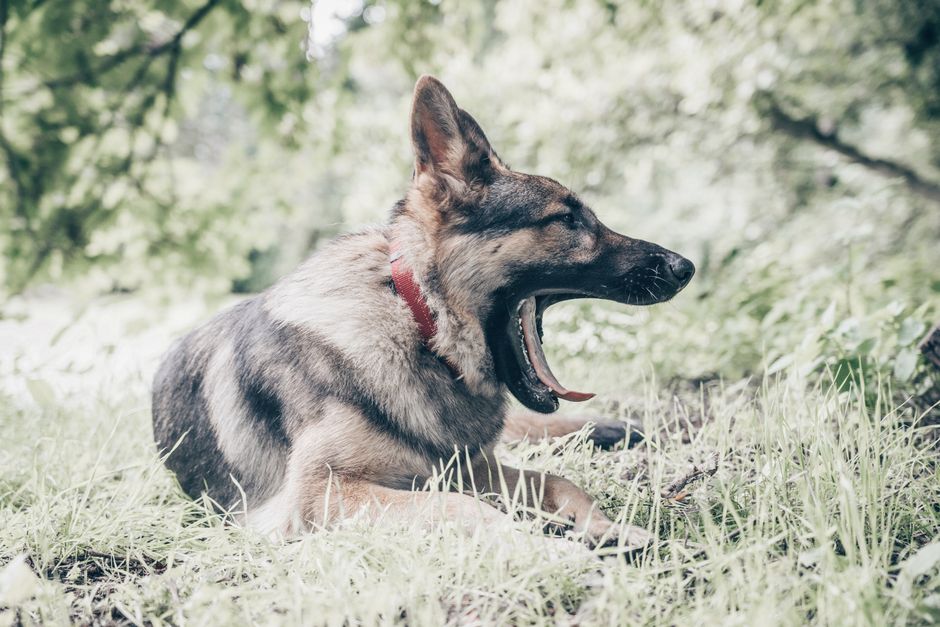
Understanding the life expectancy of german shepherds requires a deep dive into the genetic blueprint of the breed. Because German Shepherds have been selectively bred for decades for specific working traits and physical appearances, they carry a unique set of hereditary predispositions. These genetic factors often dictate the health trajectory of an individual dog, making it essential for owners to understand the biological foundations that influence their longevity. Research provided by the Orthopedic Foundation for Animals highlights that proactive screening is the primary tool available to mitigate these inherited risks.
Common Genetic Predispositions
German Shepherds are unfortunately prone to several hereditary conditions that can impact their overall quality of life and decrease their life expectancy of german shepherds. Key issues include:
- Hip and Elbow Dysplasia: This skeletal condition occurs when the joints do not fit together perfectly, leading to painful arthritis over time.
- Degenerative Myelopathy: A progressive disease of the spinal cord that is common in this breed, often leading to hind limb weakness and eventual paralysis.
- Exocrine Pancreatic Insufficiency (EPI): A condition where the pancreas fails to produce enough digestive enzymes. For owners managing this, specialized nutrition is vital; find out more about choosing the best dog food for German Shepherds with allergies to support sensitive systems.
- Aortic Stenosis: A heart defect that can lead to exercise intolerance and other cardiovascular complications.
According to studies published in the National Library of Medicine, early detection of these markers through DNA testing can help veterinarians develop long-term management plans to sustain a higher quality of life.
The Importance of Ethical Breeding
The most effective way to improve the life expectancy of german shepherds begins long before a puppy enters a home. Ethical breeding acts as the first line of defense against hereditary disease. Responsible breeders prioritize the health of the parents over aesthetics, ensuring that the breed standard does not compromise structural integrity.
When selecting a breeder, potential owners should look for:
- Health Testing Certifications: Breeders should be able to provide documented proof that both parents have been screened for hip and elbow issues.
- Genetic Screening: Advanced DNA testing for conditions like Degenerative Myelopathy ensures that carriers are not being bred to create affected offspring.
- Temperament Evaluation: A stable, healthy dog is often the result of a lineage that avoids high-stress or neurotic behaviors, which can physically tax a dog’s system over time.
- Transparency: Reputable professionals are always willing to share the health history of the sire and dam, contributing to a more transparent understanding of the breed’s future.
By prioritizing genetics, the breeding community works collectively to reduce the prevalence of hereditary health issues that have historically shortened the time owners get to spend with their companions.
The Role of Nutrition in Canine Longevity
Diet serves as the fundamental cornerstone for the overall health and life expectancy of german shepherds. Providing high-quality, balanced nutrition does more than just satisfy hunger; it supports immune function, joint integrity, and organ health throughout every stage of the dog’s development. By prioritizing science-backed nutritional protocols, owners can significantly mitigate the risk of chronic illness and improve the quality of their companion’s senior years.
Quality Diet Selection
Selecting the right fuel for a German Shepherd involves looking beyond clever marketing and focusing on ingredient quality and nutritional density. These active dogs require a careful balance of proteins, fats, and essential minerals to support their large frames.
- Protein-First Formulas: High-quality animal proteins should be the primary ingredient to support muscle maintenance.
- Essential Fatty Acids: Omega-3 fatty acids, specifically EPA and DHA, are crucial for reducing inflammation and supporting cognitive health.
- Specific Needs: Some dogs suffer from sensitivities that necessitate specialized meal plans. For those dealing with skin or digestive issues, finding the best dog food for German Shepherds with allergies is a vital step in maintaining their well-being.
- Regulatory Standards: Ensure all selections meet the guidelines established by the AAFCO (Association of American Feed Control Officials) to guarantee a nutritionally complete diet.
Managing Healthy Weight
Obesity is a silent killer in the canine world, placing undue stress on the heart, joints, and metabolic systems. Because German Shepherds are prone to orthopedic conditions, maintaining an ideal body condition score is non-negotiable for longevity.
- Strict Calorie Counting: Avoid “free-feeding.” Instead, measure portions according to the dog’s activity level and metabolic needs.
- Monitor Treats: Treats should never account for more than 10% of their total daily caloric intake.
- Routine Body Condition Checks: Owners should be able to feel the ribs without a heavy layer of fat covering them. If the waistline disappears, a dietary adjustment is necessary.
- Long-Term Research: Evidence suggests that maintaining a lean body mass can delay the onset of age-related physical decline, directly impacting the life expectancy of german shepherds. For further reading on the correlation between diet and disease prevention, refer to the National Research Council’s guidelines on nutrient requirements for dogs.
By practicing proactive weight management, owners ensure their dogs remain agile and comfortable well into their later years, ultimately promoting a longer, more vibrant life.
Exercise Requirements for Active Dogs
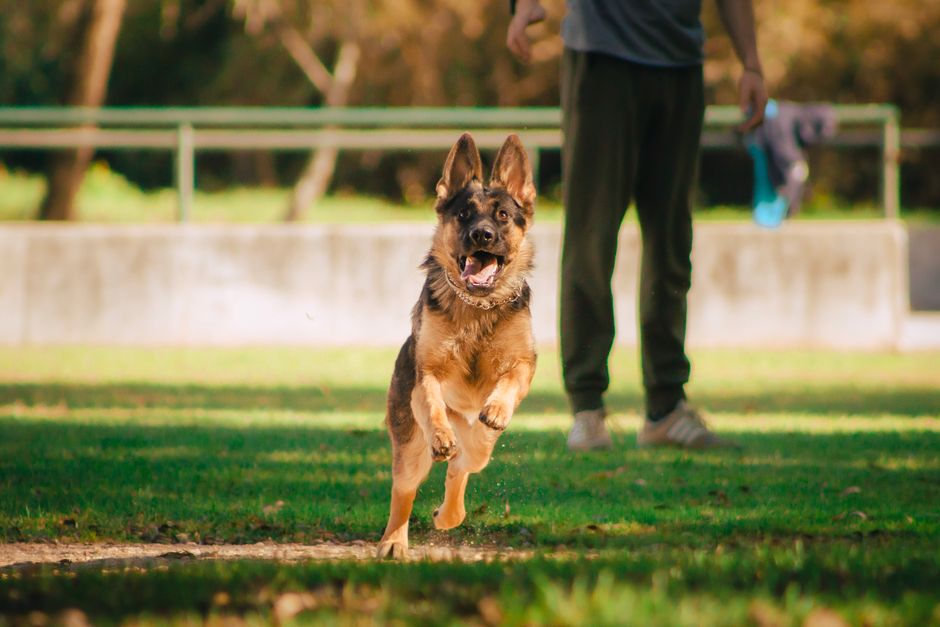
Maintaining a consistent physical routine is one of the most effective ways to positively influence the life expectancy of german shepherds. Because these dogs were originally bred as high-stamina herding animals, their bodies are designed for endurance and mobility. Providing appropriate outlets for their energy prevents obesity—a common factor that shortens their lifespan—and keeps their cardiovascular systems in peak condition. Owners should prioritize high-quality nutritional support alongside a rigorous activity schedule to ensure the dog remains robust well into their golden years.
Physical Activity Levels
German Shepherds thrive when they have a job to do. Their exercise requirements are significantly higher than many companion breeds, necessitating a balanced approach to prevent strain on their joints.
- Daily Duration: Aim for at least 60 to 90 minutes of moderate to vigorous exercise every day.
- Low-Impact Options: Activities like swimming or controlled leash walking are excellent for building muscle without putting excessive pressure on the hips, which is vital for the life expectancy of german shepherds.
- Avoid Over-Exertion: Especially during puppyhood, avoid high-impact jumping or repetitive climbing of stairs, as these can cause long-term skeletal damage.
- Consistent Intensity: Research from the American Kennel Club Canine Health Foundation suggests that maintaining a lean body mass through consistent activity helps mitigate the risk of orthopedic issues.
Mental Stimulation and Its Benefits
Physical exercise is only half of the equation; mental stimulation is equally critical for a well-adjusted dog. A bored German Shepherd can develop destructive habits or stress-related illnesses that negatively affect their overall well-being.
- Problem-Solving Tasks: Incorporate puzzle toys or scent-work games that require the dog to use their natural intelligence.
- Training Sessions: Ongoing obedience or agility training acts as a “workout” for the brain, strengthening the bond between the dog and their owner.
- Environmental Enrichment: Regularly rotating toys or changing walking routes provides novel sensory input, which is essential for cognitive health.
- Expert Guidance: According to Veterinary experts at the AVMA, stimulating a dog’s environment can prevent chronic stress, potentially increasing the life expectancy of german shepherds by supporting a stronger immune system and improved emotional stability.
By balancing rigorous physical activity with consistent mental challenges, owners help ensure that their dogs remain resilient against the common physical and cognitive declines associated with aging.
Preventative Veterinary Care
Proactive healthcare is the cornerstone of ensuring a long, vibrant life for your canine companion. When owners commit to consistent medical oversight, they directly influence the life expectancy of german shepherds, moving beyond reactive treatment to early intervention. By partnering with a licensed veterinarian, owners can address potential issues before they become life-threatening, ensuring that these active dogs remain in peak condition throughout their golden years.
Routine Health Screenings
German Shepherds are prone to specific breed-related conditions that require early detection through regular professional assessments. Consistent diagnostic monitoring is essential for identifying silent health threats.
- Annual Wellness Exams: These serve as the baseline for monitoring weight, heart health, and physical mobility.
- Blood Chemistry Panels: Veterinary professionals recommend biannual blood work for seniors to catch changes in liver or kidney function early.
- Orthopedic Evaluations: Given the breed’s predisposition to mobility issues, vets often suggest regular physical checkups to monitor joint integrity.
- Early Symptom Identification: Keeping a medical log helps the veterinarian notice subtle behavioral changes that might indicate systemic illness.
Vaccination and Parasite Control
A robust immune system is vital for maintaining the life expectancy of german shepherds. Keeping a dog shielded from preventable diseases and internal pests removes unnecessary strain on their organs.
- Core Vaccinations: Owners should follow the AAHA guidelines for vaccinations, which protect against parvovirus, distemper, and rabies.
- Heartworm Prevention: Because heartworm disease is life-threatening and expensive to treat, year-round prophylactic medication is non-negotiable.
- Flea and Tick Defense: Parasites are more than a nuisance; they carry diseases like Lyme or Ehrlichiosis, which can significantly impact a dog’s health.
- Integrated Wellness: Beyond vaccines, managing potential skin reactions or underlying sensitivities is crucial; owners can explore options like the best dog food for German Shepherds with allergies to ensure internal health is supported by optimal nutrition.
By maintaining a rigorous schedule of routine health screenings, owners provide their pets with the best possible defense against the common ailments that often shorten the lives of large, active breeds.
Common Health Challenges in the Breed
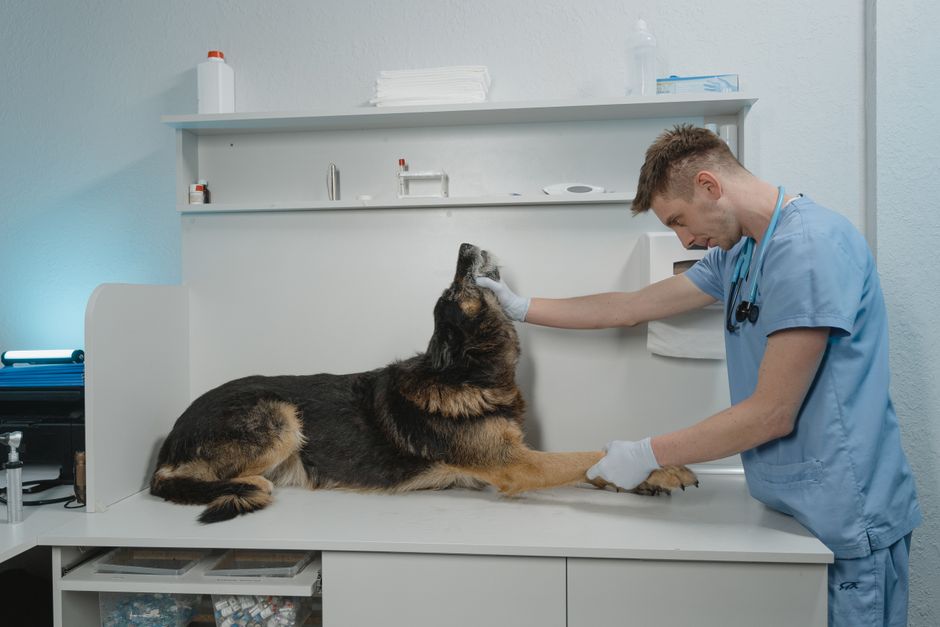
To understand the life expectancy of german shepherds, one must acknowledge the specific health hurdles this breed frequently faces. While they are renowned for their strength and intelligence, their physiology makes them susceptible to several hereditary and acute conditions. Proactive management of these risks is essential for ensuring a high quality of life throughout their senior years.
Hip and Elbow Dysplasia
These conditions are common skeletal issues in large breeds. Dysplasia occurs when the joints do not develop correctly, leading to grinding, pain, and eventual arthritis.
- Genetic Influence: Responsible breeding practices are the primary defense against these inherited traits.
- Symptom Indicators: Owners should watch for limping, difficulty standing, or a “bunny-hopping” gait.
- Preventative Care: Maintaining a lean body weight reduces stress on the joints, which is crucial for supporting long-term mobility. Consult the Orthopedic Foundation for Animals for more detailed data on breed health screenings.
Degenerative Myelopathy Explained
Degenerative Myelopathy (DM) is a progressive disease of the spinal cord that is particularly prevalent in German Shepherds. It often manifests as weakness in the hind limbs, eventually progressing to paralysis.
- Mechanism: It mimics the symptoms of human ALS and typically does not cause pain initially, though the loss of mobility significantly impacts the animal’s quality of life.
- Diagnostic Testing: Genetic tests can identify carriers of the DM gene, allowing breeders to make informed decisions.
- Supportive Care: While there is currently no cure, physical therapy and assistive devices can help maintain comfort for as long as possible.
Bloat and Gastrointestinal Concerns
Gastric Dilatation-Volvulus (GDV), commonly known as bloat, is a life-threatening emergency where the stomach twists and traps gas. This is a primary factor that can tragically shorten the life expectancy of german shepherds.
- Risk Factors: Deep-chested breeds are at higher risk. Eating too quickly or exercising immediately after a meal can exacerbate the issue.
- Emergency Signs: A distended, hard abdomen, unproductive retching, and extreme restlessness require immediate veterinary intervention.
- Nutritional Support: Feeding multiple small meals rather than one large portion can help mitigate digestive distress. If your dog suffers from sensitive digestion, consider switching to high-quality food for German Shepherds with allergies to support overall gut health.
- Resource: For further reading on canine health emergencies, visit the American Kennel Club Canine Health Foundation to stay informed on the latest preventative research.
Environmental Factors and Home Safety
The environment in which a German Shepherd resides plays a critical role in determining their overall wellness and, ultimately, the life expectancy of german shepherds. While genetics set the foundation, the daily surroundings managed by owners can either mitigate or exacerbate risks. Ensuring a secure living space is essential to preventing accidental injury and maintaining the long-term health of this intelligent, active breed.
Toxin Exposure and Hazards
German Shepherds are naturally inquisitive and prone to exploring their environment, which increases the risk of encountering harmful substances. To protect them, owners must be vigilant about household and garden safety.
- Common Household Toxins: Keep cleaning agents, medications, and human foods—such as chocolate, grapes, and xylitol—completely out of reach. According to the ASPCA Animal Poison Control Center, certain common household items can be life-threatening if ingested.
- Garden Safety: Many popular landscaping plants, such as azaleas, lilies, and sago palms, are toxic to dogs. Always verify that your garden is pet-safe before planting.
- Chemical Hazards: Use pet-safe fertilizers and avoid using harsh rodenticides, which are a leading cause of accidental poisoning in large breeds.
If your dog suffers from a sensitive system, it is vital to be cautious about what they ingest. Always look for high-quality nutrition, as outlined in this comprehensive review of dog food for German Shepherds with allergies to ensure their internal environment remains stable.
Creating a Stress-Free Environment
High stress levels can negatively impact a dog’s immune system and cardiovascular health. German Shepherds are highly sensitive to their owners’ emotions and the stability of their surroundings.
- Maintain Consistent Routines: These dogs thrive on predictability. Consistent meal times, walks, and training sessions help reduce anxiety.
- Provide a Safe Haven: Every German Shepherd should have a designated “quiet zone”—a crate or a comfortable bed in a low-traffic area where they can retreat when they feel overwhelmed.
- Monitor Environmental Noise: Constant exposure to loud, erratic noises can lead to chronic stress. Utilizing sound-dampening measures or playing calming white noise can help stabilize their environment.
- Regular Veterinary Exams: As noted by the American Veterinary Medical Association (AVMA), regular wellness checks are the best way to monitor how environmental factors may be impacting a dog’s health over time.
By minimizing stressors and removing physical hazards, owners can foster a home environment that supports longevity and a higher quality of life.

The Impact of Spaying and Neutering
Deciding when and whether to alter a canine companion is a significant decision for owners concerned with the life expectancy of german shepherds. Hormonal changes resulting from spaying or neutering significantly alter a dog’s physiology, impacting their long-term health, disease susceptibility, and overall longevity. While these procedures are standard in the United States, they must be approached with a nuanced understanding of how they affect the specific physical development of large breeds.
Health Benefits and Risks
Altering a German Shepherd carries a distinct set of physiological trade-offs. Owners must weigh these pros and cons carefully to ensure they are making the best choice for their pet’s health.
- Reproductive Cancer Prevention: Spaying females eliminates the risk of uterine and ovarian cancers and drastically reduces the incidence of pyometra, a life-threatening uterine infection. Neutering males eliminates the risk of testicular cancer.
- Behavioral Adjustments: In some cases, these procedures can reduce roaming tendencies or aggression, which may indirectly improve safety in a domestic environment.
- Increased Disease Risk: Research, such as studies published by the National Institutes of Health, suggests that early sterilization can increase the risk of certain health conditions, including joint disorders, urinary incontinence in females, and specific types of cancers like hemangiosarcoma or osteosarcoma.
- Metabolic Changes: Altered dogs often have a slower metabolism, which can lead to obesity if not managed with a high-quality diet formulated for German Shepherds. Obesity is a major factor that negatively impacts the life expectancy of german shepherds.
Timing Considerations for Large Breeds
Because German Shepherds are large-breed dogs, their skeletal development is complex and prolonged. Hormones, particularly estrogen and testosterone, play a crucial role in the closing of the growth plates in their long bones.
- Growth Plate Development: If a dog is spayed or neutered too early, the lack of sex hormones can cause the growth plates to remain open longer, leading to abnormal bone growth and height.
- Joint Health: According to the American Kennel Club Canine Health Foundation, delaying the procedure until the dog has reached physical maturity—typically between 18 to 24 months—may reduce the prevalence of hip dysplasia and other orthopedic issues.
- The Balancing Act: Veterinarians often recommend evaluating the individual dog’s temperament, lifestyle, and environment. For active working dogs, some owners choose to delay the procedure significantly to ensure maximum bone density and muscle development.
- Consultation is Key: Engaging in a detailed conversation with a veterinarian about the specific spay and neuter guidelines for the breed is essential for owners looking to maximize their pet’s health and lifespan.
Frequently Asked Questions
Navigating the unique health requirements of this noble breed is essential for any owner. Because the life expectancy of german shepherds can vary significantly based on genetics and care, owners often have many questions about how to ensure their companion thrives throughout their later years. Below are the most common inquiries regarding their longevity and quality of life.
What is the typical age for a senior German Shepherd?
Generally, a German Shepherd is considered a senior once they reach 7 to 8 years of age. At this stage, owners should transition to a specialized diet and schedule more frequent wellness visits. According to the American Kennel Club, these dogs are prone to breed-specific conditions that require vigilant monitoring as they enter their golden years.
How can I tell if my German Shepherd is aging well?
A dog that is aging gracefully will maintain a consistent quality of life. Key indicators of healthy aging include:
- Activity Levels: The dog remains interested in gentle play or short walks.
- Weight Management: They maintain a lean body condition, which is critical for reducing stress on aging joints. For those with specific health needs, choosing a high-quality food for German Shepherds with allergies can help maintain vitality.
- Cognitive Function: The dog remains responsive and alert to their environment.
- Mobility: There is minimal difficulty in rising from a prone position or climbing stairs.
Do working line Shepherds live longer than show lines?
There is ongoing debate regarding whether working lines outlive show lines. Working lines are often bred for high drive and physical endurance, which may contribute to a leaner build and better overall fitness. However, research from the National Institutes of Health suggests that environmental factors and preventative care often play a larger role in the life expectancy of german shepherds than the specific lineage alone. Both types require consistent mental and physical engagement to thrive.
When should I start joint supplements?
Because the breed is predisposed to hip and elbow issues, many veterinarians recommend discussing joint health early in the dog’s life.
- Early Intervention: Starting supplements like glucosamine or chondroitin as early as 2 to 3 years old can be proactive.
- Consultation: Always speak with a licensed veterinarian before starting any new regimen to ensure the dosage is appropriate for the dog’s weight and current health status.
- Monitoring: Watch for signs of stiffness or reluctance to move, which may indicate that current supplementation needs adjusting.
Conclusion: Maximizing the life expectancy of german shepherds
Ensuring a long, vibrant life for a companion requires a proactive approach to wellness. While the life expectancy of german shepherds is influenced by inherent genetic factors, dedicated owners can significantly tip the scales toward longevity through informed daily choices. By prioritizing preventative care, high-quality nutrition, and appropriate physical engagement, owners provide their dogs with the best foundation for a healthy aging process.
Key Strategies for a Longer Life
To help a German Shepherd reach their full potential, owners should focus on these actionable pillars:
- Veterinary Vigilance: Regular checkups are non-negotiable. Consulting resources like the American Kennel Club can provide owners with specific guidance on breed-standard health screenings.
- Nutritional Excellence: A dog’s diet is the fuel for their longevity. For those sensitive to dietary triggers, choosing the best food for German Shepherds with allergies can prevent inflammation and support immune function.
- Weight Management: Keeping a dog at an ideal weight reduces unnecessary strain on joints, which is crucial for a breed predisposed to canine hip dysplasia.
- Mental and Physical Balance: Consistent, age-appropriate exercise keeps the heart strong and the mind sharp, helping to stave off cognitive decline.
The Commitment to Longevity
Ultimately, the journey of pet ownership is defined by the quality of care provided during every stage of the dog’s life. Understanding the life expectancy of german shepherds serves as a baseline, but it is not a ceiling.
By utilizing clinical research from reputable sources like the National Institutes of Health, owners can stay informed about the latest developments in canine health. Through a blend of modern veterinary science and a loving, stable home environment, German Shepherds can continue to be active, loyal partners for as long as possible.
Summary Checklist for Owners:
- Annual Wellness Exams: Schedule bi-annual visits once the dog reaches the senior stage.
- Joint Support: Begin early, preventative joint supplementation after consulting with a veterinarian.
- Environmental Safety: Remove potential toxins from the home and yard immediately.
- Stress Reduction: Maintain a consistent routine to minimize anxiety, which can negatively impact the immune system.


