
The German Shepherd Dog (GSD) is an iconic breed, beloved across the United States for its unwavering loyalty, intelligence, and striking aesthetic. However, many potential owners are surprised to learn that there is an entire world of dogs that look like german shepherds that offer similar physical traits and working capabilities. Whether one is drawn to their alert, pointed ears or their athletic, muscular frames, identifying these breeds is a great starting point for finding the perfect canine companion.
Understanding these breeds requires a deep dive into German Shepherd coat types and care, as many lookalikes share these specific grooming needs.
Why People Seek Out These Breeds
Many enthusiasts are drawn to these dogs for their working dog temperament, as they often possess the same drive and trainability that made the GSD famous. By exploring these alternatives, owners can often find a pet that fits their lifestyle while still capturing that classic “wolf-like” appearance.
- Intelligence: Most of these breeds are renowned for high cognitive function and problem-solving skills.
- Protection: They frequently display a natural guarding instinct, making them excellent watchdogs.
- Bonding: Like the GSD, these breeds often form deep, singular bonds with their primary handlers.
Scientific and Official Perspectives
It is important to note that while these breeds may share a visual resemblance, their origins vary significantly. According to the American Kennel Club, understanding the breed standards is essential for anyone interested in specific working lines. Furthermore, researchers studying canine genetics note that coat color and structure are often tied to specific geographic histories, which helps distinguish a true German Shepherd from its various lookalikes.
By researching these breeds, prospective owners can better navigate the nuances of temperament and energy levels, ensuring they select a dog that matches their specific activity requirements and home environment.
Key Takeaways
For prospective owners drawn to the iconic silhouette and working capability of the German Shepherd, exploring dogs that look like german shepherds reveals a diverse range of breeds with unique temperaments. While many breeds share similar physical characteristics, each possesses distinct traits that cater to different family dynamics and activity levels.
Before committing to a canine companion, potential owners should consider the following essential insights:
- Diverse Ancestry: Not all herding breeds are the same; while they may share a similar stature, breeds like the Belgian Malinois or the Dutch Shepherd often require more intensive training due to their heightened working drives.
- Grooming Demands: Maintenance varies significantly between breeds. It is helpful to research specific coat types and maintenance needs to ensure your lifestyle can accommodate a dog’s grooming schedule.
- Temperament Variations: Some breeds, like the Shiloh Shepherd, have been specifically bred for a calmer, more companion-oriented temperament, whereas others are strictly performance-focused.
- Health Considerations: Prospective owners should consult resources from the Orthopedic Foundation for Animals (OFA) regarding common genetic health screenings relevant to large, active breeds.
- Activity Requirements: Most active dog breeds that resemble German Shepherds demand significant daily physical exercise and mental stimulation to prevent behavioral issues.
Understanding these nuances is critical for finding a dog that fits your home environment. By analyzing traits such as trainability, size, and energy levels, owners can make an informed decision rather than relying solely on aesthetic appeal. Always prioritize reputable sources, such as the American Kennel Club (AKC), to learn more about the breed standards and historical origins of these remarkable animals.
The Belgian Malinois: The Lookalike Athlete
Among the various dogs that look like German shepherds, the Belgian Malinois is perhaps the most famous cousin. Often confused by the casual observer, these two breeds share a striking silhouette that commands attention. While they are frequently mistaken for one another, the Malinois possesses a unique set of athletic traits that have earned it a reputation as a world-class working dog. Understanding their nuances is essential for anyone considering a breed that mirrors the classic GSD aesthetic.
Physical Similarities to the GSD
The Belgian Malinois shares a similar frame with the GSD, standing tall and proud with a powerful, rectangular build. However, keen observers will notice subtle differences in their anatomy:
- Lighter Frame: The Malinois is generally more agile and finely boned than the thicker-set German Shepherd.
- Coat Texture: While they share similar color palettes—often featuring a black mask—the Malinois coat is shorter and closer to the body. For those interested in how these coats compare to other varieties, you can review this detailed guide on German Shepherd coat types and maintenance.
- Head Shape: The Malinois typically sports a slightly more chiseled, refined head compared to the broader, more robust head of the GSD.
According to the American Kennel Club, both breeds are characterized by high-standing ears and an alert, intelligent expression that defines their noble lineage.
Temperament and Energy Differences
While they are often grouped together when discussing dogs that look like German shepherds, their internal “drive” sets them apart. The Malinois is renowned as a high-octane working dog breed that requires a “job” to be truly content.
- Intensity Levels: A Malinois often displays higher intensity and a more relentless focus during training exercises.
- Activity Requirements: They are not well-suited for a sedentary lifestyle; they thrive on vigorous physical and mental stimulation.
- Sensitivity: They are highly responsive to their owners’ cues, which makes them exceptional in police and military roles, as documented in research regarding canine cognitive performance.
Prospective owners should be aware that the Malinois is not merely an aesthetic choice; it is a serious commitment to training and daily engagement that far exceeds the needs of a typical household pet.

The Dutch Shepherd: The Brindle Twin
When scouting for dogs that look like German shepherds, the Dutch Shepherd often emerges as a top contender due to its similar build and athletic prowess. While they share a common ancestor with the German Shepherd, they possess a distinct appearance that sets them apart while maintaining that classic, alert working-dog silhouette. For owners interested in understanding the nuances of breed-specific fur patterns and maintenance, referring to a complete guide to German Shepherd dog coat types and care provides helpful context for comparing these two breeds.
Recognizing the Iconic Brindle Coat
The most striking feature of the Dutch Shepherd is its coat, which differs significantly from the standard GSD black-and-tan.
- Pattern: They are famous for their brindle coat, which features dark stripes against a gold or silver background.
- Texture: Their fur comes in three varieties: short-haired, long-haired, and wire-haired, with the short-haired variety most commonly resembling the sleek look of the GSD.
- Structural Cues: Like other dogs that look like German shepherds, they exhibit a wedge-shaped head and a sturdy, rectangular body built for endurance.
For those researching breed health and hereditary conditions, the Orthopedic Foundation for Animals (OFA) provides extensive data on the structural health requirements of working breeds like the Dutch Shepherd.
Training and Behavioral Traits
The Dutch Shepherd is a high-octane working breed that requires substantial mental and physical stimulation. They are highly intelligent, often rivaling the GSD in their ability to learn complex tasks.
- High Trainability: They excel in obedience, agility, and search-and-rescue operations.
- Energy Levels: These dogs are not suited for sedentary lifestyles. They require consistent, challenging work to remain balanced.
- Protective Instincts: They are inherently loyal and serve as excellent watchdogs, mirroring the guarding capabilities found in most dogs that look like German shepherds.
- Socialization: Early, structured socialization is mandatory to ensure they remain well-mannered in diverse public environments.
According to research from the National Institutes of Health (NIH), consistent training protocols for high-intelligence working breeds are essential to preventing behavioral issues and ensuring the dog’s well-being in a domestic setting. Prospective owners must be prepared to invest time daily in both physical exercise and cognitive enrichment to keep a Dutch Shepherd satisfied and healthy.
Shiloh Shepherds: The Gentle Giant
When exploring dogs that look like german shepherds, the Shiloh Shepherd stands out as a magnificent, larger-than-life cousin. Developed in the United States, this breed was specifically bred to recapture the temperament and physical grandeur of the original German Shepherd of the early 20th century. For owners who admire the classic GSD aesthetic but desire a more laid-back companion, the Shiloh is often the perfect match. To keep their double coats healthy and manageable, owners should consult a comprehensive guide on GSD coat types and maintenance.
Size and Stature Comparisons
The most immediate difference between a standard GSD and a Shiloh is the sheer scale of the animal. While both are considered large dog breeds, the Shiloh is significantly more robust.
- Height: Males typically stand between 28 and 30 inches at the shoulder, while females range from 26 to 28 inches.
- Weight: It is common for males to weigh between 120 and 160 pounds, with females weighing between 80 and 120 pounds.
- Frame: They possess a heavier bone structure and a more “level” back compared to the slanted slope often seen in show-line German Shepherds.
- Health Considerations: Due to their size, prospective owners should monitor joint health closely, often referencing resources like the Orthopedic Foundation for Animals to understand the importance of genetic screening for hip and elbow dysplasia.
Temperament Profiles
While many dogs that look like german shepherds are prized for their high-intensity working drive, the Shiloh Shepherd is intentionally bred for a “gentle giant” personality. This makes them excellent candidates for therapy work or calm household living.
- Social Nature: They are generally less reactive than other shepherd breeds and tend to be more welcoming of strangers once properly introduced.
- Intelligence: They retain the high cognitive capacity of their ancestors, meaning they require mental stimulation to prevent boredom. According to the American Kennel Club, early socialization is crucial for all shepherd-type dogs to ensure they develop into well-adjusted, confident adults.
- Activity Level: While they enjoy a good hike, they do not possess the “endless” energy of a Belgian Malinois. They are satisfied with a moderate walk and plenty of quality time with their human family.
- Training Style: They respond best to positive reinforcement and firm, consistent guidance rather than heavy-handed correction.
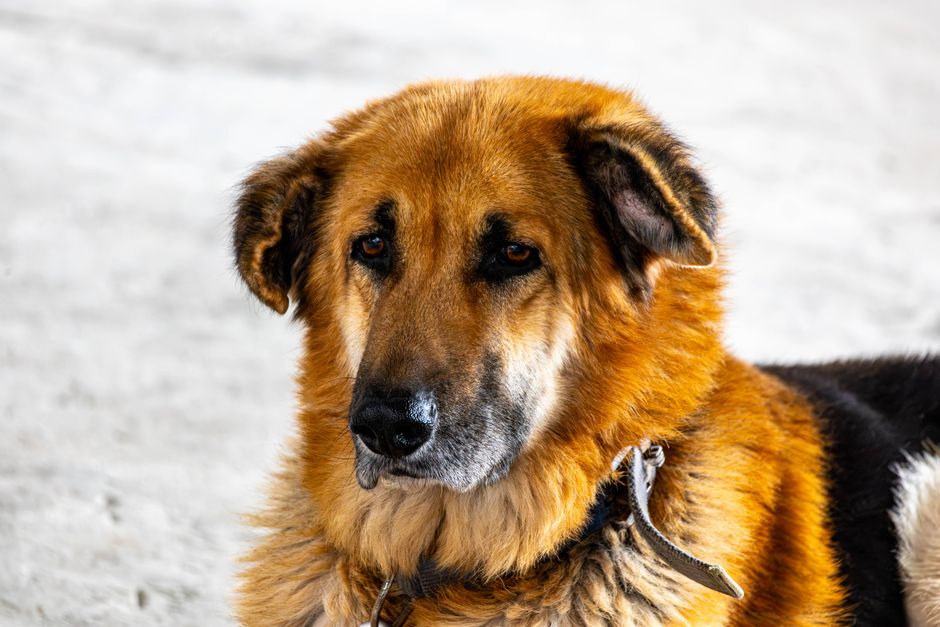
King Shepherds: A Larger Variety
For those seeking dogs that look like german shepherds but desire a more substantial physical presence, the King Shepherd is an impressive contender. Developed in the United States, this breed is essentially a “super-sized” version of the classic shepherd, combining the iconic silhouette of the German Shepherd with the bulk of heavier working breeds. Their imposing stature and robust frame often make them the top choice for owners who want a guardian with a softer heart and an extra-large breed temperament.
Breeding History and Origins
The King Shepherd was created in the 1990s by American breeders David Turkheimer and Linda Hanley. Their goal was to produce a healthier, larger, and more robust dog than the traditional German Shepherd. To achieve this, they crossed German Shepherds with:
- Shiloh Shepherds: To maintain the shepherd look and temperament.
- Alaskan Malamutes: To increase size and build.
- Great Pyrenees: To introduce a gentler, steady temperament and bone density.
By carefully selecting for these traits, the foundation stock established a line of dogs that look like german shepherds but possess a distinct, powerful appearance. Interested owners can research the American Kennel Club to understand more about the breed standards that influence these working lineages, or explore resources on canine genetics to better understand how responsible breeding programs prioritize health and structure.
Why People Choose the King Shepherd
Many enthusiasts choose the King Shepherd because they appreciate the aesthetics of the classic GSD but prefer a dog with a more laid-back disposition and larger frame.
Key reasons include:
- Imposing Presence: They act as excellent visual deterrents for home security due to their sheer size.
- Steady Temperament: Thanks to the influence of the Great Pyrenees, they are often less “reactive” than standard working lines.
- Versatility: They excel in obedience, tracking, and service work, just like their smaller counterparts.
- Coat Variety: They come in various lengths, and owners should consult a guide on German Shepherd coat types to prepare for the grooming requirements associated with these lush, dense coats.
While they are powerful, these dogs require consistent training and early socialization to thrive. They remain one of the most popular choices for families who need a protector that is equally capable of being a gentle, loving companion in a household setting.
The Bohemian Shepherd: A Compact Alternative
For those enchanted by the classic GSD aesthetic but seeking a slightly more manageable size, the Bohemian Shepherd—or Chodský pes—is a compelling choice. While many dogs that look like German shepherds are large, working-heavy breeds, the Bohemian Shepherd offers a balanced, medium-sized silhouette that maintains the sharp, attentive expression the group is famous for. According to the American Kennel Club, understanding breed heritage is vital for prospective owners, especially when considering breeds that mirror the structure of more popular counterparts.
Structural Differences
The Bohemian Shepherd is distinct from its larger cousins due to its compact, athletic build. While a standard GSD has a sloping back and significant height, the Chodský pes is more square-proportioned and slightly shorter.
Key physical traits include:
- Body Frame: A well-muscled, agile physique that emphasizes grace over sheer power.
- Coat Type: Unlike the short-haired variety often seen, this breed features a long, dense coat with a thick undercoat. For tips on maintaining healthy fur, read this guide to German Shepherd dog coat types and care.
- Ear Set: Smaller, highly mobile ears that sit high on the head, giving the dog a perpetually alert appearance.
- Height/Weight: Typically stands between 19–22 inches, making it a more portable option than the standard GSD.
Research into canine morphology, often found in databases like PubMed Central, suggests that smaller working breeds like this one often retain high agility levels without the orthopedic stressors sometimes associated with larger shepherds.
Activity Needs for Owners
Even though they are a “compact alternative” among dogs that look like German shepherds, do not mistake their size for laziness. This is a working breed at heart, possessing a high exercise requirement that must be met to ensure a happy, well-adjusted pet.
Owners should be prepared for:
- Mental Stimulation: Because they are highly intelligent, they thrive when given tasks. Puzzle toys, scent work, and advanced obedience training are essential.
- Daily Engagement: A quick walk around the block is insufficient. These dogs require vigorous daily activity, such as hiking, jogging, or fetch, to channel their energy.
- Training Capacity: They are eager to please but require consistent, positive reinforcement training from a young age.
- Socialization: Like other shepherd breeds, they can be reserved with strangers and benefit from early exposure to various environments.
By meeting their training and socialization needs, owners find the Bohemian Shepherd to be a loyal, courageous, and highly affectionate companion that fits well into a variety of active lifestyles.

East European Shepherds: The Working Specialist
The East European Shepherd (EES) is one of the most capable dogs that look like german shepherds, specifically bred for stamina and psychological stability in harsh climates. Originally developed in the Soviet Union by crossing German Shepherds with local breeds, the EES serves as a premier working animal. While they share a lineage with the classic GSD, they are distinct in their build and purpose. For those interested in the maintenance of heavy-coated working dogs, checking a comprehensive guide to shepherd coat types and care is an essential step for prospective owners.
Distinctive Head Shape and Build
The East European Shepherd is generally larger and more robust than its Western counterpart. Breeders focused on a physical structure capable of enduring long shifts in cold environments. Key physical markers include:
- Size: Males often stand significantly taller, sometimes reaching over 30 inches at the shoulder.
- Head Shape: They possess a broader, more massive head compared to the classic GSD, with a shorter muzzle-to-skull ratio.
- Musculature: Their bone density is notably higher, giving them a heavy, powerful appearance.
- Movement: They exhibit a long, sweeping gait that is highly efficient for patrolling vast distances, a trait supported by findings in canine orthopedic research.
Training Capacity and Intelligence
As a working dog breed, the East European Shepherd is not meant for a sedentary lifestyle. They are highly intelligent, yet they possess a different “working style” than a standard German Shepherd.
- Environmental Stability: They are known for their calm, unflappable nature in high-stress situations.
- Cognitive Processing: They assess threats more methodically, preferring to observe before reacting. This makes them excellent for specialized security tasks as noted by the American Kennel Club.
- Trainability: Because they were developed for government and military service, they require consistent, task-oriented training.
- Focus: They thrive when given a “job,” whether that is advanced obedience, scent work, or protection sports.
Owners of these dogs should be prepared for a highly loyal companion that demands a firm hand and a clear, structured daily routine to prevent boredom-related behavioral issues.
The Tervuren: Elegance Meets Intensity
Among the various breeds often compared to dogs that look like German shepherds, the Belgian Tervuren stands out as a striking, high-energy cousin. Known for its sophisticated silhouette and flowing coat, the Tervuren shares the intelligence and working drive of the German Shepherd but brings a distinct, refined elegance to the table. These dogs are highly capable of complex tasks, making them favorites for those who appreciate intense mental stimulation and athletic performance. According to the American Kennel Club, this breed’s history as a dedicated sheep-herding companion has deeply shaped its modern-day work ethic and alert demeanor.
Coat Texture and Grooming Requirements
The Tervuren is defined by its beautiful double coat, which requires more upkeep than a typical short-haired shepherd. If you are researching dogs that look like German shepherds, it is essential to understand that the Tervuren’s maintenance needs are significant:
- Undercoat: They possess a dense, soft undercoat that provides insulation, shedding heavily during seasonal changes.
- Outer Coat: The outer guard hairs are long, straight, and weather-resistant, requiring regular brushing to prevent matting.
- Grooming Routine: Brushing several times a week is necessary to manage dander and loose hair. For those comparing coat maintenance between breeds, refer to this guide to German Shepherd dog coat types and care to see how grooming demands align with similar breeds.
- Professional Care: Occasional professional grooming can help manage the “feathering” around the neck and hindquarters, keeping the dog looking neat and elegant.
Socialization and Family Life
While they share physical similarities with other herding breeds, the Tervuren has a unique social profile that prospective owners should investigate through resources like the National Research Council. Their family life is characterized by deep devotion and high sensitivity:
- Strong Bonds: They tend to be “one-person” or “one-family” dogs that form intense emotional attachments to their human counterparts.
- Early Socialization: Because they can be naturally wary of strangers, early and consistent exposure to different people, environments, and other animals is critical.
- Active Engagement: They are not well-suited for sedentary households. They thrive in active environments where they are included in outdoor activities and daily training sessions.
- Family Guardianship: Their protective nature makes them excellent alert dogs, though they require firm, positive training to ensure their intensity remains channeled into appropriate outlets.

Choosing the Right Breed for Your Lifestyle
Selecting a canine companion from the variety of dogs that look like german shepherds requires more than just an appreciation for their iconic aesthetic. Prospective owners must carefully evaluate how a breed’s unique temperament, energy profile, and health requirements align with their personal domestic environment. Because many of these breeds were historically developed as elite working animals, they often possess high cognitive capabilities that require structured outlets, which you can learn more about by reviewing this comprehensive guide to shepherd coat types and care.
Assessing Your Daily Activity Level
Before bringing home a dog, potential owners should conduct an honest audit of their physical activity. These breeds are rarely content with a sedentary lifestyle.
- High-Intensity Needs: Breeds like the Belgian Malinois or Dutch Shepherd require vigorous, daily aerobic exercise—think long-distance running, professional-grade agility training, or complex scent work.
- Mental Stimulation: According to the American Kennel Club, these intelligent breeds require “mental work” to prevent destructive behaviors. Puzzle feeders, obedience drills, and trick training are essential.
- The “Working” Factor: Many dogs that look like german shepherds exhibit a high prey drive. Owners living in areas with dense local wildlife or busy urban intersections must ensure they have the training skills to manage this intensity safely.
Understanding Long-Term Commitment
Committing to a shepherd-type dog is a decade-plus responsibility that affects every facet of a household’s routine.
- Financial Planning: These large, active breeds may be prone to specific orthopedic issues like hip dysplasia. Resources from the Orthopedic Foundation for Animals indicate the importance of choosing breeders who screen their stock for hereditary conditions, which can help mitigate long-term veterinary expenses.
- Socialization Requirements: Early and frequent exposure to new environments, people, and other animals is critical for these breeds. A lack of proper socialization can lead to territorial anxiety, which is common in shepherd-type dogs.
- Training Dedication: These dogs crave a “job.” Owners should be prepared to invest in professional dog training obedience classes, especially during the puppy phase, to harness their natural intelligence and loyalty effectively.
- Space Requirements: While some smaller varieties, like the Bohemian Shepherd, might adapt to smaller homes, the vast majority of these breeds thrive when they have access to a secure yard or proximity to open recreational spaces.
Ultimately, success with dogs that look like german shepherds comes down to matching the dog’s drive to the owner’s capacity for engagement. When the lifestyle of the owner aligns with the heritage of the breed, these dogs become exceptionally loyal and rewarding companions.
Frequently Asked Questions
Navigating the world of canine breeds can be complex, especially when you are searching for specific aesthetic traits. Many potential owners find themselves drawn to the noble appearance of the German Shepherd, leading them to research dogs that look like german shepherds. Whether you are evaluating temperament, size, or grooming needs, understanding these breeds is essential for making an informed decision. For more information on managing the specific coat characteristics common in these working breeds, refer to this guide on German Shepherd coat types and care.
Which dog looks most like a German Shepherd?
While several breeds share physical characteristics, the Belgian Malinois is frequently cited as the closest lookalike. However, they are often leaner and more athletic in build. Other breeds like the Shiloh Shepherd or the East European Shepherd bear a striking resemblance to the traditional GSD aesthetic.
- Belgian Malinois: Nearly identical face shape and alert ear set.
- Shiloh Shepherd: A larger, fluffier version that mimics the GSD’s classic black-and-tan color pattern.
- Dutch Shepherd: Often mistaken for a GSD, though they are usually distinguished by their unique brindle coat.
Are these lookalike breeds as intelligent as GSDs?
Yes, almost all breeds listed here are considered highly intelligent working dogs. Because many were developed for herding or protection, they possess high cognitive development levels.
- Most of these breeds require consistent mental stimulation to prevent boredom.
- They thrive when given “jobs” or complex training tasks to perform.
- According to the American Kennel Club, these breeds excel in obedience, agility, and search-and-rescue work due to their sharp focus.
Do these breeds require more exercise?
Generally, yes. Most dogs that look like german shepherds are high-energy working breeds that demand significant daily physical activity.
- Daily Requirements: Most require at least 60 to 90 minutes of vigorous exercise.
- Mental Exhaustion: Physical movement alone is rarely enough; these dogs also need scent work or puzzle toys to feel satisfied.
- Failure to meet these needs often leads to destructive behaviors, as documented in research regarding animal behavior and welfare.
Are any of these breeds better for apartments?
Most of these breeds are poorly suited for apartment living due to their size and energy requirements.
- Space Needs: A home with a securely fenced yard is highly recommended.
- Vocalization: Many, such as the Belgian Malinois or Tervuren, can be vocal and alert, which may cause issues with neighbors.
- Exception: If an owner is extremely active—such as a dedicated runner or hiker—they might manage with a lower-energy individual, but it is generally a significant challenge for the average city dweller.
Conclusion: Celebrating Dogs That Look Like German Shepherds
Finding the perfect companion often involves comparing various breeds to ensure a harmonious fit for a family’s specific lifestyle. While many enthusiasts admire the iconic profile of the classic GSD, there is a wide range of dogs that look like german shepherds that offer unique temperaments, sizes, and working capabilities. Whether one is drawn to the high-intensity drive of a Belgian Malinois or the imposing stature of a King Shepherd, the diversity within the herding group is truly remarkable.
Key Considerations for Prospective Owners
When narrowing down the search, potential owners should keep the following factors in mind:
- Activity Levels: Many breeds similar to German Shepherds are high-energy dogs that require significant physical and mental stimulation to stay healthy.
- Grooming Needs: Understanding the maintenance required for different coat types is essential. For those interested in the specific coat care of these types of breeds, resources like this guide to German Shepherd coat types and care can provide invaluable insights.
- Purpose-Bred Traits: Most of these animals are descendants of working lines; according to the American Kennel Club, these dogs excel when they have a job to perform.
- Health Longevity: Always consult with reputable breeders or organizations like the Orthopedic Foundation for Animals to understand the common health screenings recommended for these lineages.
Final Thoughts on Your Search
Ultimately, the goal is to choose a canine partner that aligns with the owner’s commitment to training and enrichment. While the visual appeal of dogs that look like german shepherds is often the initial draw, their intelligence and loyalty remain the most defining characteristics of these breeds.
By prioritizing a balanced temperament and matching the dog’s exercise requirements to the owner’s capabilities, families can find a devoted friend who is a perfect breed match for their unique home environment. Whether selecting a rare Bohemian Shepherd or a regal East European Shepherd, each of these breeds brings its own flavor of brilliance and protection to the modern American home.


