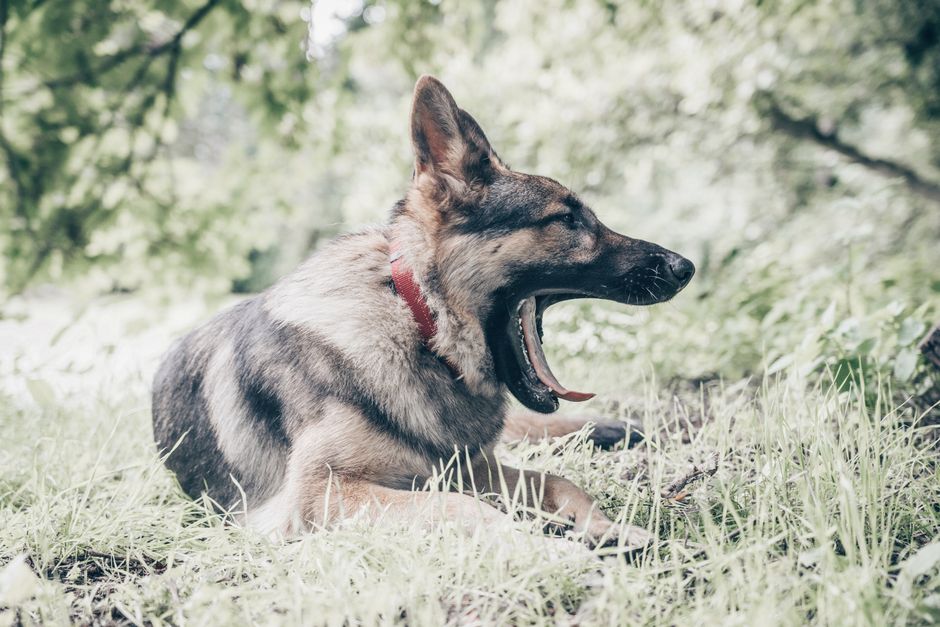
For many families across the United States, the German Shepherd is more than just a pet; they are a loyal protector and a beloved companion. Understanding the average life span for a german shepherd is essential for any owner planning a long-term commitment to these intelligent working dogs. Generally, these dogs live between 7 to 10 years, though with proactive care and optimal genetics, some individuals may thrive well into their early teens.
Several factors influence how long a canine companion remains by an owner’s side, including:
- Genetic health markers and lineage quality.
- Preventative veterinary care and early diagnostic screenings.
- The maintenance of a healthy weight to prevent canine obesity.
- High-quality nutritional standards, such as choosing the best hypoallergenic dog food for German Shepherds.
According to data from the American Kennel Club, large breeds often have shorter life expectancies than smaller breeds, which makes the average life span for a german shepherd a critical metric for monitoring their long-term health. Because they are prone to specific structural and systemic health challenges, owners should reference resources like PubMed to stay informed about current veterinary research regarding breed-specific longevity.
By prioritizing a balanced lifestyle, regular exercise, and consistent professional check-ups, owners can help their German Shepherds enjoy a higher quality of life during their senior years. While no owner can fully control a dog’s genetic destiny, knowledge of these life stages is the first step toward responsible and informed pet ownership.
Key Takeaways
Understanding the factors that influence the longevity of this noble breed is essential for any dedicated owner. While the average life span for a german shepherd typically ranges between 7 and 10 years, proactive care can often help these dogs reach the higher end of that spectrum or beyond.
- Genetic Foundations: Choosing a reputable breeder who screens for hereditary conditions is the single most effective way to ensure a healthy start. According to the American Kennel Club, responsible breeding practices are critical for reducing the prevalence of inherited diseases.
- Preventative Healthcare: Regular visits to the veterinarian for wellness exams allow for the early detection of issues like hip dysplasia, a common structural concern in the breed.
- Nutritional Management: Maintaining an ideal body weight is vital. Owners should prioritize high-quality, balanced diets; for those dealing with sensitivities, reviewing hypoallergenic dog food options can be a game-changer for long-term health.
- The Power of Movement: Consistent, low-impact exercise helps maintain muscle tone and joint health, which are crucial as the dog ages.
- Proactive Monitoring: Owners should remain vigilant regarding gastric dilatation-volvulus (bloat), a life-threatening condition that requires immediate emergency intervention.
By focusing on these pillars of care, owners can significantly improve their pet’s quality of life and potentially extend the average life span for a german shepherd. Consistent attention to dental hygiene, mental stimulation, and environmental safety further supports a healthy, vibrant life for these loyal companions.
Genetics and Lifespan
Understanding the average life span for a german shepherd requires a deep dive into the genetic blueprint that dictates the health of this iconic breed. Because German Shepherds are predisposed to certain inherited conditions, the DNA passed down from parent to offspring plays a significant, non-negotiable role in determining how many years they will share with their owners. While environmental factors are impactful, genetics remain the primary foundation for a dog’s longevity.
The Role of Ethical Breeding
Responsible breeding is the first line of defense in protecting the average life span for a german shepherd. Ethical breeders prioritize health over aesthetics, utilizing rigorous screening protocols to ensure they are not propagating harmful traits.
- Genetic Health Testing: Reputable breeders conduct DNA testing for known hereditary conditions.
- Orthopedic Foundation for Animals (OFA): Breeders often submit their dogs for OFA evaluations to certify that hips and elbows are free from congenital defects.
- Pedigree Analysis: By examining family histories, breeders can avoid line breeding that might amplify recessive health issues.
Choosing a puppy from a breeder who adheres to these standards significantly reduces the likelihood of severe illness. Owners should always ask to see health clearances for the parents before making a commitment.
Common Hereditary Health Issues
Many German Shepherds suffer from specific health challenges rooted in their genetic makeup. According to the American Kennel Club, these predispositions are well-documented and require proactive management to ensure the best possible quality of life.
- Degenerative Myelopathy: A progressive disease of the spinal cord that is common in the breed; genetic markers for this condition can be identified through screening.
- Hip and Elbow Dysplasia: This skeletal condition is perhaps the most famous health challenge for the breed, often requiring specialized dietary support to manage inflammation.
- Exocrine Pancreatic Insufficiency (EPI): A condition where the pancreas fails to produce the enzymes necessary for digestion, which has a strong hereditary link.
Research published in the National Institutes of Health library suggests that early identification of these markers can allow owners to implement lifestyle modifications that delay the onset of symptoms. While these genetic hurdles exist, knowledge and transparency are the most effective tools for an owner to improve the average life span for a german shepherd.

Nutrition and Dietary Requirements
Proper nutrition serves as the cornerstone of longevity for this active breed. By fueling their bodies with balanced, nutrient-dense ingredients, owners can significantly influence the average life span for a german shepherd. High-quality sustenance helps manage inflammation, supports structural integrity, and ensures the immune system remains robust against age-related decline. For owners searching for the best fuel, exploring hypoallergenic dog food for German Shepherds can be an excellent step toward mitigating sensitivities that affect overall vitality.
High-Quality Protein Sources
Because German Shepherds are high-energy, muscular dogs, protein is the most critical component of their diet. To support muscle maintenance and cellular repair, their meals should prioritize:
- Animal-Based Proteins: Real meat, such as chicken, beef, or lamb, should always be the first ingredient listed.
- Amino Acid Balance: High-quality protein ensures the dog receives the essential amino acids required for healthy organ function.
- Bioavailability: According to the Association of American Feed Control Officials (AAFCO), commercial diets must meet specific nutritional profiles to support dogs through their various life stages.
Including these high-quality sources helps prevent muscle wasting in aging dogs, directly contributing to a longer, healthier life.
Avoiding Obesity in Large Breeds
Maintaining an ideal body weight is perhaps the most effective way to extend the average life span for a german shepherd. Excess weight places immense pressure on their frames, leading to premature joint failure and metabolic issues.
- Monitor Caloric Intake: Use a measuring cup rather than “eyeballing” portions to prevent overfeeding.
- Limit High-Calorie Treats: Even small, frequent treats can add up quickly. Opt for low-calorie alternatives like green beans or carrot sticks.
- Regular Body Condition Scoring: Owners should be able to feel, but not easily see, the dog’s ribs.
Research provided by the National Research Council (NRC) emphasizes that large breeds specifically benefit from managed caloric intake to prevent obesity-related diseases. By keeping the dog at a lean body weight, owners reduce the strain on the hips and spine, allowing the dog to remain mobile and active well into their senior years.
The Importance of Regular Exercise
Consistent physical activity is one of the most effective ways to influence the average life span for a german shepherd. Because this breed is a high-energy working dog, inactivity often leads to weight gain and lethargy, which can exacerbate underlying genetic vulnerabilities. By maintaining a structured fitness routine, owners help their companions build muscle mass, which acts as a supportive scaffold for their skeleton, ultimately contributing to a longer, more active life. Proper nutrition, such as that found in high-quality food for German Shepherds, further complements these physical efforts by providing the fuel necessary for sustained energy.
Physical Activity for Joint Health
German Shepherds are prone to orthopedic challenges, making appropriate exercise critical for long-term mobility. Controlled movement helps lubricate the joints and strengthens the muscles surrounding the hips and elbows, which may delay the onset of degenerative conditions.
- Low-Impact Training: Incorporating activities like swimming or steady walking on soft surfaces reduces the shock transmitted to the limbs.
- Weight Management: Keeping the dog lean is essential; research provided by the American Kennel Club Canine Health Foundation emphasizes that maintaining a healthy body condition score is vital for reducing stress on weight-bearing joints.
- Consistency over Intensity: Instead of sporadic, weekend-heavy workouts, dogs benefit from daily, moderate activity to keep their metabolism stable and their ligaments supple.
- Avoid Over-exertion: Especially during the puppy stage, heavy jumping or repetitive climbing should be minimized to protect growing growth plates.
Mental Stimulation Needs
A German Shepherd’s average life span for a german shepherd is not just about physical health; it is also deeply tied to their psychological well-being. A bored dog can develop stress-related behaviors that manifest in physical health decline.
- Cognitive Engagement: Using puzzle toys, scent work, or obedience training keeps the brain sharp and lowers cortisol levels.
- Job-Oriented Tasks: As a breed developed for herding and protection, they thrive when given a “job.” Even simple games like hide-and-seek or advanced agility training satisfy this innate drive.
- Socialization: Interaction with other well-behaved dogs or calm environments helps prevent anxiety, which is a known factor in canine wellness according to studies often referenced by organizations like the National Institutes of Health.
- Routine: A predictable schedule helps the dog feel secure, reducing the risk of stress-induced illnesses that can impact their overall canine health.
Preventative Veterinary Care
Proactive veterinary care serves as the foundation for extending the average life span for a german shepherd. Because this breed is susceptible to specific genetic predispositions, staying ahead of potential issues through consistent medical oversight is essential. By prioritizing early detection and a strict medical schedule, owners can help their companions maintain a high quality of life well into their senior years. For those managing specific dietary needs or sensitivities to support overall longevity, exploring high-quality nutritional options is a vital component of a comprehensive wellness plan.
Routine Wellness Screenings
Regular check-ups are the most effective way to monitor a dog’s health trajectory. Veterinarians recommend at least one comprehensive physical examination annually for adults, and biannually once the dog reaches seniority.
- Blood Panels: Yearly blood chemistry and complete blood counts help detect underlying organ dysfunction, such as kidney or liver issues, before clinical symptoms appear.
- Orthopedic Exams: Given their predisposition to joint issues, vets often perform manual gait analysis and palpation of the hips and elbows.
- Early Detection: The American Veterinary Medical Association (AVMA) emphasizes that diagnostic screening can uncover metabolic shifts, allowing for interventions that directly contribute to a longer average life span for a german shepherd.
Vaccinations and Parasite Control
A robust preventative protocol shields the German Shepherd from infectious diseases and debilitating parasites that can severely impact long-term health.
- Core Vaccinations: These include protection against Rabies, Distemper, Adenovirus, and Parvovirus, which are standard in the United States and essential for systemic immunity.
- Parasite Prevention: Consistent use of flea, tick, and heartworm preventatives is non-negotiable. According to the Companion Animal Parasite Council (CAPC), tick-borne diseases are on the rise; these infections can cause chronic inflammation, putting unnecessary strain on a dog’s immune system.
- Heartworm Monitoring: Annual heartworm testing is a critical routine wellness screening practice. Early detection of heartworm disease ensures the dog receives treatment before permanent cardiovascular damage occurs.
- Fecal Testing: Biannual screenings for intestinal parasites prevent nutritional malabsorption, ensuring the dog retains the energy needed for daily exercise.
By integrating these preventative veterinary care habits, owners significantly reduce the risk of premature health decline, ultimately safeguarding the average life span for a german shepherd.
Recognizing Common Breed Health Risks
Understanding the health vulnerabilities inherent to the breed is essential for any owner looking to extend the average life span for a german shepherd. While these dogs are known for their intelligence and loyalty, they are genetically predisposed to certain conditions that, if left unmanaged, can significantly impact their longevity. Proactive monitoring and early intervention are the cornerstones of responsible GSD ownership.
Hip and Elbow Dysplasia
German Shepherds are frequently affected by canine hip dysplasia, a skeletal condition where the thigh bone doesn’t fit snugly into the hip joint. This can lead to pain, lameness, and long-term mobility issues.
- Symptoms to watch for: Stiffness when rising, difficulty jumping, or a “bunny-hopping” gait.
- Preventative measures: Regular orthopedic exams by a veterinarian and maintaining a healthy weight to reduce joint stress.
- Scientific insight: Research from the Orthopedic Foundation for Animals (OFA) highlights the importance of screening breeding stock to reduce the prevalence of these hereditary traits.
- Nutritional support: Incorporating high-quality nutrients is vital. Owners often seek out the best hypoallergenic dog food for German Shepherds to manage potential inflammation associated with joint issues.
Bloat (Gastric Dilatation-Volvulus)
Bloat, or Gastric Dilatation-Volvulus (GDV), is a life-threatening emergency common in deep-chested breeds like the German Shepherd. It occurs when the stomach fills with gas and twists, cutting off blood supply.
- Warning signs: A distended, hard abdomen, unproductive retching, pacing, and excessive drooling.
- Immediate action: If these signs appear, transport the dog to an emergency veterinary clinic immediately. According to the American Kennel Club Canine Health Foundation, time is of the essence, as GDV can progress rapidly.
- Risk reduction strategies:
- Multiple smaller meals: Feed two to three small meals daily instead of one large portion.
- Monitor water intake: Prevent rapid consumption of large volumes of water immediately after intense exercise.
- Elevated feeding: Consult a veterinarian regarding the use of raised feeding bowls, as current research into their efficacy is ongoing.
- Avoid high-intensity exercise: Do not engage in strenuous physical activity for at least one hour before or after eating.

The Impact of Environmental Factors
The environment in which a German Shepherd resides plays a significant role in their overall health and longevity. While genetics provide the blueprint, external conditions determine how well the dog thrives throughout their lifetime. Providing a stable, safe, and nurturing habitat is essential to reaching or even exceeding the average life span for a german shepherd, which typically ranges between 7 and 10 years. Understanding how daily surroundings influence their physical and mental state can help owners mitigate risks associated with canine longevity.
Indoor Living vs. Outdoor Living
German Shepherds are a highly social, “velcro” breed that thrives on interaction with their human pack. While they are physically robust, they are not suited for a life of isolation in a backyard.
- Social Isolation: Dogs left outside for extended periods are more prone to chronic stress and anxiety, which can weaken the immune system.
- Temperature Sensitivity: As noted by the American Veterinary Medical Association, extreme heat and cold can pose serious threats to pets. Indoor living provides climate control that protects them from hypothermia or heatstroke.
- Bonding and Supervision: Indoor dogs benefit from constant human supervision, allowing owners to notice subtle changes in behavior or appetite that could signal underlying health issues early on.
- Nutritional Consistency: Feeding a high-quality diet specifically formulated for German Shepherds is easier to monitor indoors, ensuring they maintain an ideal weight, which is a major factor in determining the average life span for a german shepherd.
Safety and Hazard Prevention
An environment free from physical hazards is non-negotiable for a large, active breed. German Shepherds are naturally inquisitive and possess a strong prey drive, which can lead them into dangerous situations if not properly managed.
- Hazardous Materials: Ensure all household cleaners, antifreeze, and toxic plants are inaccessible. The ASPCA Animal Poison Control Center offers comprehensive resources on common household items that are toxic to dogs.
- Fencing and Boundaries: Secure, high-quality fencing is necessary to prevent accidental ingestion of outside toxins, territorial disputes with other animals, or hit-and-run accidents.
- Orthopedic Hazards: Due to their predisposition to joint issues, puppies should avoid excessive stair climbing or jumping off high surfaces, which can place undue stress on developing growth plates.
- Environmental Toxins: Minimize exposure to harsh lawn chemicals or pesticides. Studies found in the National Institutes of Health database emphasize that reducing exposure to environmental carcinogens can improve health outcomes for companion animals.
By carefully curating the living space, owners can significantly reduce preventable accidents and illnesses, thereby supporting the average life span for a german shepherd and ensuring a higher quality of life.
Life Stages of the German Shepherd
Understanding the developmental milestones of this breed is essential for any owner looking to extend the average life span for a german shepherd. By tailoring care to the specific physical and mental needs of each phase, owners can effectively mitigate risks and promote longevity. Proper nutrition during these growth spurts is foundational, and many experts recommend using high-quality hypoallergenic dog food for German Shepherds to ensure their system thrives without unnecessary allergens.
Puppy Growth and Development
The first two years of a German Shepherd’s life are characterized by rapid growth, which makes them highly susceptible to developmental orthopedic issues. During this stage, their skeletal structure is fragile and requires careful management.
- Controlled Exercise: Avoid high-impact activities like jumping or long-distance running until growth plates have closed.
- Nutritional Balancing: Large-breed puppy formulas are critical to prevent “too fast” growth, which can lead to joint complications later in life.
- Socialization: According to the American Kennel Club, early training and socialization are vital for building a confident, well-adjusted adult dog.
- Preventative Screenings: Early veterinary checkups help identify congenital issues early.
Senior Care Considerations
As a German Shepherd enters their golden years—typically around age seven or eight—proactive health management becomes the deciding factor in their overall quality of life. Owners must adapt to the dog’s slowing metabolism and changing physical requirements.
- Joint Support: Many aging GSDs benefit from veterinary-approved supplements to manage arthritis and improve mobility.
- Weight Management: An aging dog requires fewer calories, and maintaining an ideal weight is perhaps the most significant way to protect their heart and joints.
- Increased Veterinary Frequency: Senior dogs should undergo wellness screenings at least twice a year to detect systemic issues before they become emergencies.
- Cognitive Enrichment: Keeping the mind active with puzzles and gentle scent games can help stave off cognitive decline in senior canines.
Monitoring these stages closely ensures that the average life span for a german shepherd is maximized through diligent, life-long care. By recognizing when a dog shifts from a high-energy youth to a graceful senior, owners can adjust their lifestyle to support their companion’s changing physiology.
Dental Hygiene and Its Impact
Many owners overlook oral health when considering the average life span for a German shepherd, yet it remains a critical factor in overall longevity. Dental disease acts as a silent contributor to systemic health issues; when bacteria from infected gums enter the bloodstream, they can travel to the heart, kidneys, and liver, potentially shortening a dog’s life. Maintaining a clean mouth is not just about fresh breath—it is a foundational pillar of preventative wellness that helps keep your companion active and healthy for years to come.
Preventing Periodontal Disease
Periodontal disease is common in large breeds, and if left untreated, it can lead to tooth loss and chronic pain. By the time many dogs reach their senior years, the cumulative effect of poor oral hygiene can significantly diminish their quality of life.
- Bacterial Load: Bacteria thrive in plaque and tartar, which hardens into calculus. This buildup causes inflammation, known as gingivitis, which eventually progresses to periodontitis.
- Systemic Risk: According to the American Veterinary Dental College, untreated periodontal disease can cause systemic damage to vital organs.
- Early Detection: Watch for signs such as persistent bad breath, difficulty chewing, or bleeding gums, which are clear indicators that professional intervention is required.
Proper nutrition also plays a role in oral health; providing high-quality, easily digestible food can help maintain healthy weight and support immune function, making the body more resilient against localized infections.
Home Care and Professional Cleanings
A proactive approach to dental care combines daily home maintenance with regular clinical oversight to ensure the average life span for a German shepherd is not compromised by avoidable health crises.
- Daily Brushing: Utilizing a dog-safe toothpaste—never human toothpaste—and a soft-bristled brush helps remove plaque before it mineralizes into tartar.
- Dental Chews and Toys: Incorporate Veterinary Oral Health Council (VOHC)-approved treats that are specifically designed to scrub the teeth during mastication.
- Professional Cleanings: Even with diligent home care, most German Shepherds require an annual or biennial professional cleaning performed by a veterinarian under anesthesia. This allows for deep scaling below the gumline and, if necessary, dental radiographs to detect bone loss, as referenced in research provided by the National Institutes of Health.
By implementing these preventative wellness strategies, owners can significantly lower the risk of systemic infection and ensure that their dog remains comfortable well into their golden years. A commitment to canine oral health is a direct investment in the long-term vitality of your German Shepherd.
Frequently Asked Questions
Understanding the factors that influence the average life span for a german shepherd requires a clear look at common concerns held by owners. By addressing these specific inquiries, pet parents can better navigate the journey of canine aging and provide the best possible care throughout their companion’s life.
How can I tell if my German Shepherd is aging well?
A German Shepherd is generally considered to be aging gracefully if they maintain a consistent quality of life. Owners should monitor several key indicators:
- Mobility: Can they comfortably rise from a resting position? A dog aging well should still display a desire to move, even if they are slightly slower than in their younger years.
- Cognitive Function: Are they still responsive to commands and social interaction?
- Appetite and Weight: Maintaining a healthy body condition is vital. If they require specialized nutrition, exploring hypoallergenic food options for German Shepherds can help manage sensitivities that might arise with age.
- Veterinary Baseline: Regular checkups as outlined by the American Veterinary Medical Association provide the data needed to track trends in health.
Are white German Shepherds healthier than standard ones?
There is a common misconception that coat color directly correlates with the average life span for a german shepherd. In reality, white German Shepherds are simply a color variation within the breed standard.
- Genetic Diversity: Like standard Shepherds, their health is dictated by their lineage and the ethics of the breeder, not their pigment.
- Commonality: They are prone to the same breed-specific conditions, such as hip dysplasia, as their tan-and-black counterparts.
- Conclusion: Prospective owners should prioritize health clearances from parents over coat color to ensure the best start for their dog.
At what age is a German Shepherd considered a senior?
Most veterinarians classify a German Shepherd as a senior once they reach approximately 7 to 8 years of age. Because this is a large breed, the aging process often accelerates more rapidly than in smaller breeds.
- Transitioning Care: Once a dog hits this age bracket, it is recommended to increase the frequency of wellness exams to twice a year.
- Preventative Focus: Early detection of age-related issues—such as arthritis or organ function changes—is crucial for maintaining a healthy average life span for a german shepherd.
- Expert Resources: According to the AKC Canine Health Foundation, senior care should focus on comfort, weight management, and consistent, moderate exercise to keep muscles toned without overstressing the joints.
Conclusion: Maximizing the average life span for a german shepherd
Enhancing the average life span for a german shepherd requires a dedicated, multi-faceted approach to canine wellness. Owners play a pivotal role in ensuring their companions thrive well into their later years by prioritizing proactive health management, balanced nutrition, and consistent physical engagement. By understanding the breed’s specific needs, they can successfully mitigate risks and promote long-term vitality.
Strategies for Longevity
To help a German Shepherd reach or exceed their expected age, owners should focus on the following pillars of care:
- Optimal Nutrition: Feeding high-quality, life-stage appropriate diets is essential. For those with sensitivities, exploring hypoallergenic dog food options can prevent chronic inflammation and digestive distress.
- Preventative Diagnostics: Regular visits to the veterinarian allow for the early detection of hereditary health issues, which is critical for managing conditions like hip dysplasia before they severely impact the dog’s quality of life. The American Kennel Club provides extensive resources on breed-specific health screenings to guide these conversations.
- Weight Management: Maintaining an ideal body condition score is arguably the most effective way to protect joint health and reduce the strain on the heart and endocrine system.
- Mental and Physical Enrichment: A dog that is both mentally stimulated and physically conditioned is less prone to stress-related ailments.
Commitment to Care
While the average life span for a german shepherd typically ranges between 7 and 10 years, many dogs can live longer with diligent care. Resources such as those provided by the National Institutes of Health emphasize that lifelong wellness routines—including proper dental hygiene and parasite control—significantly influence longevity.
By combining scientific research with daily attention, owners provide the best possible environment for their German Shepherds. Ultimately, a proactive partnership with a trusted veterinarian, informed by an understanding of the breed’s genetic predispositions, remains the most effective strategy for ensuring a happy, healthy life for these loyal companions.


