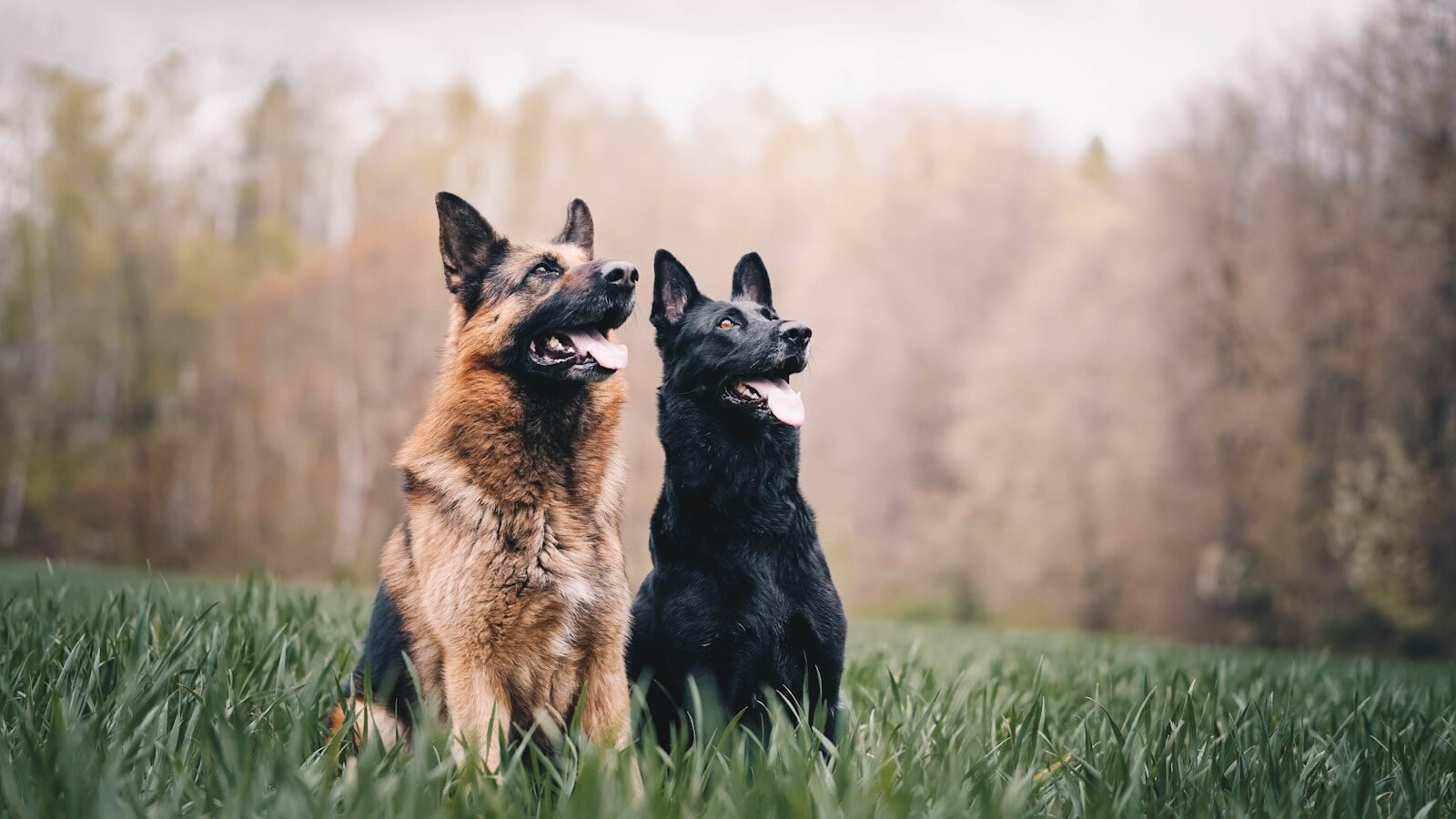
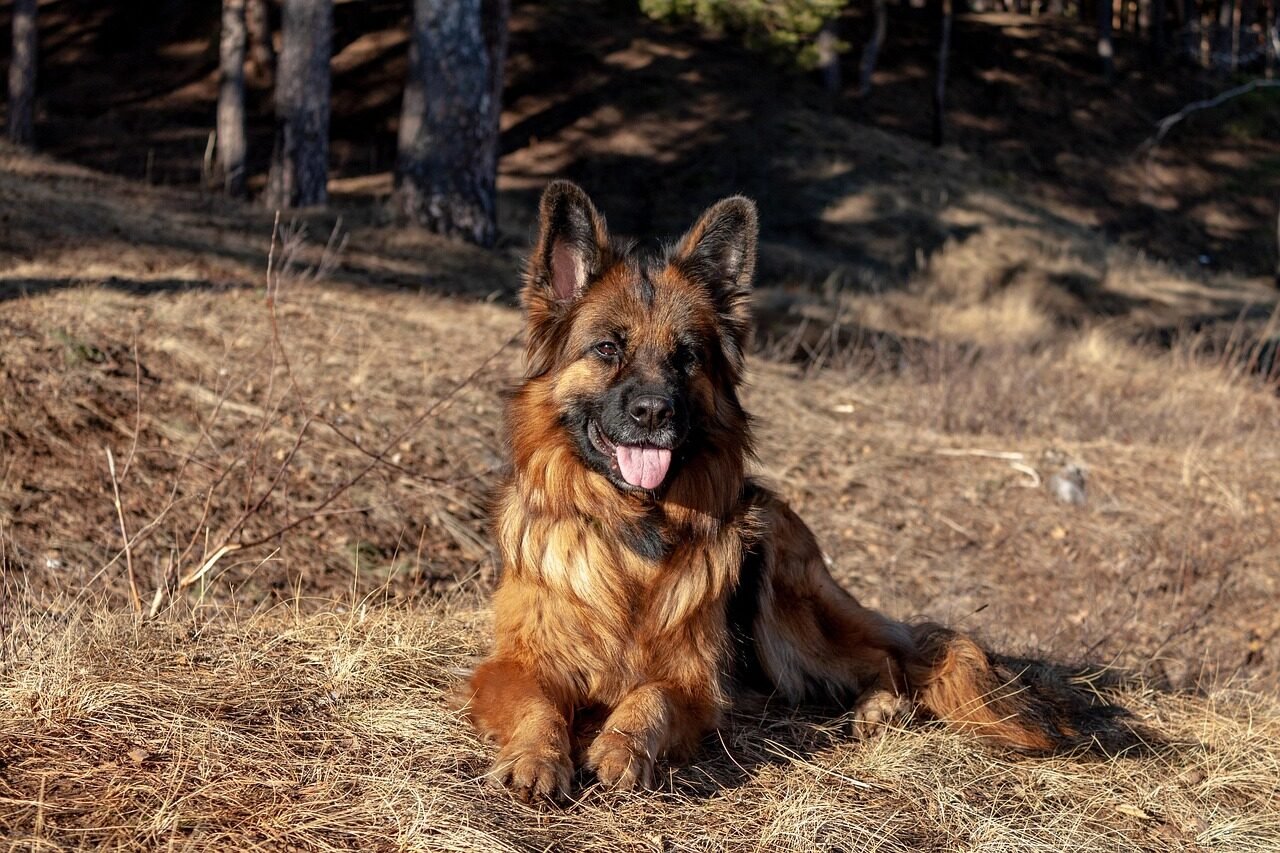
The long haired alsatian dog is a striking variation of the traditional German Shepherd, capturing hearts across the United States with its majestic appearance and unwavering devotion. Often referred to simply as the long-coated German Shepherd, this breed variant possesses the same intelligence and working ability as its short-coated counterparts, distinguished primarily by a luxurious, flowing coat that demands admiration. Owners often research coat types and care requirements to ensure their companion remains healthy and well-groomed.
Understanding this breed requires looking beyond its stunning aesthetics. These dogs are working-class animals at heart, possessing a sharp intellect that makes them highly versatile partners. According to the American Kennel Club, the breed is renowned for its courage and loyalty, traits that remain consistent regardless of hair length. For those interested in the biological classification and history of the breed, resources like the National Institutes of Health provide extensive documentation on canine genetic health and development.
Why Enthusiasts Choose the Long Haired Alsatian
Prospective owners are often drawn to the long haired alsatian dog for several specific reasons:
- Aesthetic Appeal: The dense, flowing fur gives the dog a more regal and “wolf-like” appearance.
- Temperament Consistency: Despite the coat difference, they maintain the classic, protective nature of the breed.
- Family Bonding: They are widely celebrated for their ability to integrate into active family households.
Whether serving as a dedicated protector or a gentle household companion, the long haired alsatian dog stands as a testament to the versatility of one of the world’s most popular canine breeds. Proper management, including consistent socialization and grooming, is essential to unlocking the full potential of this magnificent animal.
Key Takeaways
Bringing a long haired alsatian dog into your home is a rewarding experience for those prepared to meet the unique needs of this stunning variant of the German Shepherd. While they share the foundational personality traits of the breed, their physical requirements—particularly regarding their luxurious coat—demand a dedicated commitment from owners. For a deeper dive into how their grooming needs compare to others, review this comprehensive guide to German Shepherd coat types.
To ensure a happy and healthy life for your companion, keep these essential points in mind:
- Distinctive Coat Requirements: Unlike the standard double-coat, the long haired alsatian dog requires consistent, daily grooming to prevent matting and remove loose undercoat.
- Active Lifestyle Demands: This breed is a high-energy working dog that requires significant daily physical activity and mental stimulation to remain balanced and prevent destructive behaviors.
- Genetic Health Awareness: Prospective owners should prioritize health screenings. According to the Orthopedic Foundation for Animals, proactive testing for joint health, particularly hip and elbow dysplasia, is critical for this breed.
- Temperament Consistency: Despite their different appearance, they retain the high intelligence and extreme loyalty characteristic of the breed, often forming a “velcro” bond with their primary human.
- Nutritional Support: Because they are prone to joint issues, providing a high-quality diet that supports bone and joint health is vital throughout their life stages, as recommended by the American Veterinary Medical Association.
Quick Summary for Potential Owners:
- Grooming: Expect to invest time in weekly brushing sessions to manage their thick, silky fur.
- Training: Utilize positive reinforcement; their high trainability makes them excel in obedience and agility tasks.
- Environment: They thrive in homes where they can remain part of the family unit rather than being left outdoors for extended periods.
Understanding the Long Haired Coat
The long haired alsatian dog—often recognized as the long-coated variety of the German Shepherd—possesses a striking appearance that distinguishes it from its shorter-coated counterparts. While the breed standard once disqualified these dogs in some show rings, they have gained immense popularity among pet owners who admire their luxurious, flowing fur and majestic presence. Understanding the biology behind their coat is essential for owners who want to provide the best care, as outlined in this complete guide to German Shepherd coat types and care.
The Genetic Difference
The presence of long hair in this breed is governed by a simple recessive gene. For a puppy to exhibit the long-coat phenotype, it must inherit the specific recessive allele from both parents.
- Recessive Inheritance: Even two standard-coated parents can produce a long haired alsatian dog if both carriers pass on the trait.
- Genetic Testing: Breeders often utilize DNA testing to identify carriers. Research published by the American Kennel Club suggests that this genetic trait does not impact the dog’s working ability or intelligence.
- The “Fluffy” Factor: The gene responsible (often referred to as the FGF5 gene) creates the signature length that extends beyond the standard flat coat.
Texture and Density Variations
The coat of a long haired alsatian dog is more than just long; it involves complex layering that serves as a natural defense mechanism against the elements. Unlike the standard coat, which has a tight, weather-resistant outer layer, the long-haired variety often lacks the thick undercoat density found in working-line variants.
- Texture: The fur is generally softer and more silken, often featuring “feathering” around the ears, legs, and tail.
- Density: While the hair is long, it can be prone to matting. The National Research Council indicates that proper nutrition plays a significant role in maintaining the structural integrity and luster of a dog’s coat.
- Key Observations:
- “Soft” Coats: Some dogs lack an undercoat entirely, making them less suited for extreme freezing temperatures compared to the traditional stock coat.
- The “Mane”: Many owners note a distinctive ruff around the neck, which adds to the breed’s noble, wolf-like appearance.
- Maintenance: Because the hair is fine and long, it is more susceptible to trapping debris, burrs, and allergens from the environment.

Temperament and Personality Traits
The long haired alsatian dog is renowned for a temperament that masterfully balances a steady, calm demeanor with an eager, active spirit. Often described as a “one-person” or “family-first” dog, they possess a deep-seated desire to be involved in every aspect of their owner’s life. Because their coat types and care requirements differ from their short-haired counterparts, owners often notice a slightly more laid-back approach to their daily activities, though they remain quintessentially alert.
Loyalty and Protective Instincts
At the core of the long haired alsatian dog personality is an unwavering sense of devotion. They are famously protective, acting as a natural guardian for their home and family.
- Guardianship: They are naturally suspicious of strangers but remain polite once introduced properly by their owners.
- Bonding: They tend to form an incredibly tight-knit bond with the primary caretaker, often following them from room to room.
- Reliability: As noted by experts at the American Kennel Club, this breed displays a high degree of courage and confidence, making them exceptional companions for those seeking a loyal protector.
Their instinctual need to “herd” or watch over their pack is not limited to working scenarios; it extends into the household environment, providing a sense of security for everyone under the roof.
Intelligence and Trainability
Beyond their protective nature, these dogs are celebrated for their sharp cognitive abilities. The long haired alsatian dog is consistently ranked among the most intelligent canine breeds, characterized by a willingness to work and a desire to please.
- Learning Pace: They excel at mastering complex commands, often requiring fewer repetitions than other breeds to understand a new task.
- Mental Engagement: Due to their high canine cognition, they thrive when given a “job” to do, whether it involves agility training, scent work, or obedience drills.
- Consistency: Success with this breed relies on firm, fair, and consistent leadership. According to findings published by the National Institutes of Health (NIH), mental stimulation is just as critical as physical exercise for maintaining a dog’s overall behavioral health and preventing anxiety-induced habits.
Owners should prioritize positive reinforcement techniques to tap into the long haired alsatian dog‘s natural eagerness to learn. When their minds are sufficiently challenged, they transition from a restless, energetic protector into a composed and obedient household companion.
Essential Grooming Requirements
Maintaining the luxurious coat of a long haired alsatian dog requires commitment and the right tools. Because their fur is longer and more prone to tangles than that of their standard-coated counterparts, owners must establish a consistent routine to ensure skin health and coat luster. Proper grooming serves as both a hygiene necessity and an opportunity to bond with your pet while monitoring for common dog skin conditions that might otherwise go unnoticed. For a more detailed breakdown on managing specific fur textures, you can consult this comprehensive guide to German Shepherd coat types and care.
Brushing Techniques for Long Coats
To keep the coat of a long haired alsatian dog free of painful mats, it is recommended to brush them at least three to four times per week. Using the wrong tool can damage the undercoat, so it is vital to select the right equipment.
- Slicker Brushes: Excellent for removing loose fur and detangling the outer guard hairs.
- Undercoat Rakes: Specifically designed to reach the dense, insulating layer near the skin without causing irritation.
- Metal Combs: Use these for the “behind-the-ear” and “feathering” areas on the legs where mats most frequently form.
Always brush in the direction of hair growth. For stubborn knots, utilize a dog-safe detangling spray rather than pulling forcefully, which can lead to discomfort and anxiety during grooming sessions. According to the American Kennel Club, consistent maintenance is the primary defense against debris buildup that can trap moisture against the skin.
Managing Seasonal Shedding
The long haired alsatian dog is a notorious “heavy shedder,” typically experiencing two major “blow-outs” per year during the spring and fall transitions. During these periods, you may find that the volume of fur shed requires daily maintenance.
- Increase Frequency: Bump up your brushing sessions to daily during peak shedding months to prevent your home from being covered in hair.
- Use a De-shedding Tool: A high-quality de-shedding rake is highly effective at capturing the undercoat before it has a chance to shed naturally.
- Frequent Baths: While they should not be bathed too often to avoid stripping natural oils, a bath during shedding season can help loosen trapped fur. Always follow the guidelines provided by the National Research Council regarding appropriate dermatological care and nutritional support, as healthy skin starts from within.
- Vacuum Maintenance: Investing in a high-efficiency particulate air (HEPA) vacuum will help manage the dander and hair left behind in your living space.
By staying proactive with these grooming habits, you ensure your companion remains comfortable and their coat remains a beautiful, healthy hallmark of the breed.

Health and Common Genetic Conditions
While the long haired alsatian dog is known for its striking appearance and robust nature, prospective owners must be aware of certain genetic predispositions common to the breed. Proactive health management is essential to ensure a long, active life for these canine companions. Understanding how different coat types influence maintenance is just the first step in comprehensive care; owners must also prioritize regular veterinary screenings to identify hereditary issues early.
Joint Health and Hip Dysplasia
Because of their size and active nature, the long haired alsatian dog is genetically predisposed to orthopedic concerns. The most prevalent of these is canine hip dysplasia, a condition where the hip joint fits improperly, leading to arthritis and mobility issues.
- Genetic Markers: Reputable breeders perform orthopedic screenings through organizations like the Orthopedic Foundation for Animals (OFA), which helps reduce the incidence of these hereditary traits.
- Early Warning Signs: Owners should monitor their dogs for:
- Difficulty rising from a lying position.
- An unusual “bunny hop” gait when running.
- Reluctance to climb stairs or jump into vehicles.
- Scientific Context: Research published via PubMed emphasizes that environmental factors, such as rapid growth in puppyhood, can exacerbate genetic predispositions, making weight control during the first two years of life critical.
Preventative Care Strategies
To maximize the longevity of a long haired alsatian dog, owners should implement a rigorous preventative healthcare plan. Consistent monitoring allows for early detection of potential ailments, which is key to effective management.
- Annual Veterinary Check-ups: Regular physical exams, blood panels, and urinalysis are vital to monitor systemic health.
- Weight Management: Keeping the dog at an ideal weight significantly reduces stress on the joints, which is the most effective way to combat the progression of degenerative joint disease.
- Nutritional Support: Incorporating high-quality omega-3 fatty acids and joint supplements containing glucosamine and chondroitin can support cartilage health.
- Exercise Modification: While exercise is necessary, high-impact activities on hard surfaces should be minimized while the dog is still developing to protect their skeletal structure.
By prioritizing these strategies, owners can significantly lower the risks associated with the breed’s most common genetic vulnerabilities, ensuring their companion remains vibrant and pain-free.
Physical Activity and Exercise Needs
The long haired alsatian dog is a high-energy working breed that requires significant physical and mental engagement to thrive. Because these dogs were historically bred for herding and guarding, they possess an inherent drive to stay active. Without a consistent outlet for their energy, they may develop behavioral issues or become destructive. Providing a structured guide to German Shepherd coat types and care is essential for owners, but equally important is ensuring they receive adequate daily physical activity to maintain their health and happiness.
Mental Stimulation Games
Physical movement is only half the battle; the long haired alsatian dog is a highly intelligent animal that needs its brain challenged daily. Engaging their minds prevents boredom and reinforces their obedience training.
- Scent Work: Hide treats or favorite toys around the backyard and encourage them to “find it.” This taps into their natural tracking instincts.
- Interactive Puzzles: Utilize brain games such as puzzle feeders or treat-dispensing toys that require problem-solving to release rewards.
- Obedience Challenges: Incorporate advanced command practice during walks, such as “stay” at a distance or switching between walking speeds, to keep them focused on their handler.
- Hide-and-Seek: Have a family member hide while the dog is in a “stay” position, then give the command to search.
For more information on the cognitive benefits of canine enrichment, refer to studies hosted on PubMed Central.
Ideal Daily Exercise Routines
To maintain peak physical condition, a long haired alsatian dog requires at least 60 to 90 minutes of vigorous activity every day. Consistency is the foundation of a healthy lifestyle for this breed.
- Morning Walk: A brisk 30-minute walk to start the day helps burn off excess energy built up overnight.
- Active Play: Utilize fetching, frisbee, or agility training in a secure, enclosed space. Always ensure the ground is safe for their joints, as recommended by guidelines from the American Kennel Club.
- Evening Jog or Hike: A longer session in the evening allows them to explore new environments and continue their socialization.
- Rest Periods: Always monitor for signs of exhaustion, especially in warmer weather, as their thick, long fur can lead to overheating.
Pro-Tip: Vary the intensity of the exercise throughout the week. Mix low-impact walks with high-intensity play to keep their cardiovascular system robust while protecting their skeletal structure.
Training Your Intelligent Companion
Training a long haired alsatian dog is an incredibly rewarding experience due to their keen intellect and deep desire to please their handlers. Because this breed is inherently hardworking and eager to learn, they respond best to consistent, firm, and structured training environments. Owners should understand that their physical beauty is matched by a sharp mind that requires regular stimulation to prevent boredom and destructive behaviors. For a deeper look into the maintenance of these unique dogs, check out this guide to German Shepherd coat types and care.
Positive Reinforcement Methods
The long haired alsatian dog excels when taught through rewards rather than force. Experts at the American Kennel Club emphasize that positive reinforcement builds a strong bond of trust between the owner and the canine.
- High-Value Rewards: Utilize small, tasty treats, enthusiastic praise, or their favorite toy to mark desirable behaviors.
- Consistency is Key: Commands should remain the same across all family members to avoid confusion.
- Short, Frequent Sessions: Keep training blocks to 10–15 minutes to maintain high engagement levels.
- Clicker Training: Many owners find that using a clicker provides an immediate auditory signal that the dog has performed the correct action.
By focusing on canine behavior modification, owners can shape a well-mannered companion that understands complex cues and obeys commands promptly.
Socialization Best Practices
Early and consistent socialization is critical for a long haired alsatian dog to develop into a confident and well-adjusted adult. Without proper exposure to new environments, these naturally protective dogs may become overly suspicious or reactive.
- Controlled Introductions: Slowly introduce the dog to various people, other pets, and new sounds in a controlled manner.
- Exposure to Environments: Regularly visit local parks, busy streets, and veterinary clinics to normalize diverse surroundings.
- The “Neutrality” Goal: The objective is to teach the dog to remain calm and indifferent to outside stimuli when out in public.
- Professional Guidance: Enrolling in an obedience class is highly recommended by organizations like the Association of Professional Dog Trainers, as it provides a structured setting for social development.
Through proper socialization techniques, owners can ensure their companion remains calm, friendly, and approachable in various social settings.
Diet and Nutritional Guidance
Proper nutrition is the cornerstone of health for a long haired alsatian dog, ensuring that their luxurious coat remains vibrant and their active metabolism is supported. Because these dogs are energetic and prone to certain musculoskeletal issues, their dietary needs must be balanced to provide sustained energy throughout the day. Owners should prioritize nutrient-dense food that promotes overall wellness, as outlined in the comprehensive guide to German Shepherd coat types and care.
High-Quality Protein Sources
Protein is essential for maintaining the dense muscle mass and the thick, protective coat characteristic of the long haired alsatian dog. To ensure optimal health, owners should look for labels that list high-quality animal proteins as the primary ingredient.
- Whole Meat Sources: Prioritize foods featuring chicken, beef, or salmon as the first ingredient.
- Amino Acids: High-quality protein provides the necessary amino acids to support skin barrier function and fur strength.
- Omega Fatty Acids: Incorporate sources like fish oil, which are rich in Omega-3, to help reduce inflammation and keep the coat shiny.
- Consulting Experts: For specific nutritional requirements, the Association of American Feed Control Officials (AAFCO) provides guidelines on nutrient profiles that ensure pets receive a complete and balanced diet.
Weight Management and Portion Control
Maintaining a healthy weight is vital for a long haired alsatian dog, as excess weight places undue stress on their joints, potentially worsening conditions like hip dysplasia. Precision is key when calculating their caloric intake.
- Age-Appropriate Feeding: Transition from puppy formulas to adult maintenance diets at the appropriate age to avoid excessive weight gain.
- Monitor Body Condition: Owners should be able to feel the ribs without a heavy layer of fat. If the dog is gaining weight, adjust portions immediately.
- Consistent Measuring: Always use a standard measuring cup rather than “eyeballing” the amount to prevent overfeeding.
- Evidence-Based Advice: According to the National Research Council (NRC), monitoring individual metabolic needs is more effective than strictly following generic bag instructions, which can sometimes lead to dog obesity in high-energy breeds.
By maintaining strict portion control and selecting high-quality fuel, owners can ensure their companion thrives for years to come.
Living with a Long Haired Alsatian
Bringing a long haired alsatian dog into a home is a rewarding experience that requires a commitment to understanding their specific environmental and social needs. Owners often find that these dogs thrive when their living arrangements are tailored to their unique coat structure and high energy levels. For those looking to master the nuances of coat maintenance and habitat, consulting a complete guide to German Shepherd dog coat types and care is an essential first step for any prospective owner.
Indoor vs Outdoor Living
While the long haired alsatian dog possesses a dense, weather-resistant coat, they are fundamentally companion animals that prefer to be close to their “pack.”
- Indoor Preference: Because they are highly social, these dogs should primarily live indoors. Their long coats can trap heat, making them susceptible to overheating if left outdoors in high temperatures without adequate shade or cooling mechanisms.
- Climate Management: In colder climates, their double coat provides excellent insulation. However, regardless of the season, indoor living ensures they remain a part of family activities.
- Space Requirements: While they can adapt to various living situations, they benefit from having access to a yard where they can engage in physical activity. According to research from the American Kennel Club, ensuring consistent, safe environments is vital for the emotional well-being of high-intelligence working breeds.
Compatibility with Families
The long haired alsatian dog is widely celebrated for being a loyal and protective family member. Their temperament makes them excellent guardians of the home, provided they are integrated correctly.
- Socialization: Early and consistent interaction with children and other household pets is critical. Their natural herding instinct can manifest as “nipping” at heels if not properly directed.
- Bonding: They typically form a deep, singular bond with their primary caregiver but remain affectionate toward the entire family unit.
- Safety Standards: Owners should follow general pet safety protocols as outlined by the Centers for Disease Control and Prevention regarding animal bites and interactions, ensuring that play remains controlled and supervised.
- Living with Children: Due to their large size and moderate-to-high energy levels, they are best suited for households with older children who understand how to interact respectfully with a large, active dog.
By focusing on clear communication and consistent boundaries, living with a long haired alsatian dog can be a harmonious and fulfilling experience for the entire family.
Frequently Asked Questions
Prospective owners often have specific inquiries regarding the unique needs and status of the long haired alsatian dog. Understanding these common concerns is essential for providing the best care for this stunning variant of the breed. For a deeper dive into breed-specific grooming, consult this comprehensive guide to coat types and care.
Are long haired Alsatians recognized by kennel clubs?
Historically, the long-coat trait was considered a disqualifying fault by many breed standards. However, attitudes have shifted significantly:
- The Kennel Club (UK): They now recognize the long-haired variety as a distinct breed standard.
- AKC (USA): While they are part of the German Shepherd breed, long coats were previously penalized in the show ring. Current standards are more accepting, though they are still judged against the standard requirements found in official AKC breed documentation.
Do they require more grooming than short-haired types?
Yes, the long haired alsatian dog requires a higher level of maintenance compared to their short-haired counterparts.
- Increased Shedding: Their undercoat is often less dense, but the guard hairs are longer, making them more prone to matting.
- Regular Brushing: Owners should commit to brushing sessions at least 3–4 times per week to remove loose fur and prevent painful tangles.
- Tools: High-quality slicker brushes and metal combs are essential tools for managing their heavy coat.
Are they better family pets than standard German Shepherds?
Both types share the same foundational genetics, meaning temperament is largely determined by lineage and early socialization rather than coat length.
- Temperament: Both are known for loyalty, intelligence, and protective instincts.
- Family Suitability: A long haired alsatian dog is just as capable of being an excellent family companion as the standard variety, provided they receive consistent training and mental stimulation.
How much exercise does this breed need daily?
As a working breed, they possess high energy levels that require structured outlets. According to recommendations from The Merck Veterinary Manual, active dogs require significant physical engagement.
- Duration: At least 60 to 90 minutes of moderate to vigorous exercise daily.
- Activity Types:
- Leash walking or jogging.
- Agility training or fetch in a secure, fenced yard.
- Mental stimulation games to prevent boredom-induced behavioral issues.
- Consistency: Daily routines are critical to ensuring the dog remains physically fit and emotionally balanced.
Finding a Reputable Breeder
Securing a healthy and well-tempered long haired alsatian dog requires careful vetting of potential breeders. Because the long-coat gene is recessive, ethical breeders focus on much more than just aesthetics; they prioritize the overall longevity and temperament of their breeding stock. Prospective owners should always consult resources like the Orthopedic Foundation for Animals to verify that the parents have been screened for common hereditary issues, ensuring that the long haired alsatian dog brought into the home is set up for a life of health and vitality. Understanding how these genetics impact German Shepherd coat types is a crucial step for any future owner.
Questions to Ask Potential Breeders
When evaluating a kennel, it is essential to ask direct, informed questions. A professional breeder will be transparent and eager to share information regarding their breeding program.
- Health Certifications: Can they provide documentation showing that the parents have been tested for hip and elbow dysplasia?
- Temperament Testing: What methods are used to assess the puppies’ personalities, and how are they socialized during the first eight weeks?
- Health Guarantees: Do they provide a written health contract, and what is their policy if a genetic health defect appears later in the dog’s life?
- Lifestyle Matching: Are they willing to help select a puppy that fits the energy levels and lifestyle of the prospective owner?
- References: Can they provide contact information for previous puppy buyers who can speak to their experience?
Red Flags to Avoid
Identifying a backyard breeder or a “puppy mill” operation is vital to avoid supporting unethical practices. Be cautious if any of the following warning signs arise during the search for a long haired alsatian dog:
- Lack of Health Testing: If the breeder cannot produce recent health clearances from organizations like the American Kennel Club, this is a major concern.
- Pressure to Purchase: Avoid breeders who pressure buyers to make a quick decision or require a non-refundable deposit before a meeting occurs.
- Refusal to Show Parents: Always request to see the mother (and if available, the father) of the litter. If the breeder is unwilling to show where the dogs live or how they are kept, consider it a red flag.
- Multiple Litters: An excessive number of dogs or litters on-site often indicates that profit is prioritized over the well-being of the animals.
- No Questions Asked: A reputable breeder will interview the buyer as much as the buyer interviews them. If they seem indifferent about where their puppies are going, it is likely not a high-quality breeding operation.
Final Thoughts on the Long Haired Alsatian Dog
Bringing a long haired alsatian dog into a home is a rewarding commitment that requires dedication to grooming, training, and exercise. These stunning animals are not merely pets; they are loyal companions that demand a lifestyle of active engagement and consistent care. For prospective owners who can provide the necessary time and resources, the bond formed with this breed is profound and lasting.
Key Considerations for Potential Owners
Before committing to this magnificent breed, owners should reflect on the following requirements:
- Time Commitment: Whether it is daily mental stimulation or intensive coat maintenance, they are a high-maintenance companion.
- Physical Space: They thrive in environments where they have room to move, as noted by the American Kennel Club’s breed standards.
- Grooming Diligence: Understanding the nuances of their fur is essential. For those seeking deep insights into maintenance, reviewing a complete guide to coat types is highly recommended.
- Health Vigilance: Prospective owners should prioritize routine screenings. Consult the Orthopedic Foundation for Animals regarding breed-specific health testing to ensure long-term wellness.
The Balancing Act
Owning a long haired alsatian dog is an exercise in balancing natural instinct with domestic harmony. While their intelligence makes them easy to train, their protective nature requires early, positive socialization. They are essentially intelligent working dogs that excel when given a purpose, whether that involves agility training, obedience trials, or simply active family life.
Final Recommendation
The long haired alsatian dog is an exceptional choice for active families or individuals who admire the classic GSD personality wrapped in a more luxurious coat. While they require a consistent grooming routine to prevent matting and manage shedding, the companionship they offer is unmatched. By investing in proper nutrition, veterinary care, and patient training, owners ensure that their canine partner remains a healthy and happy member of the household for years to come.