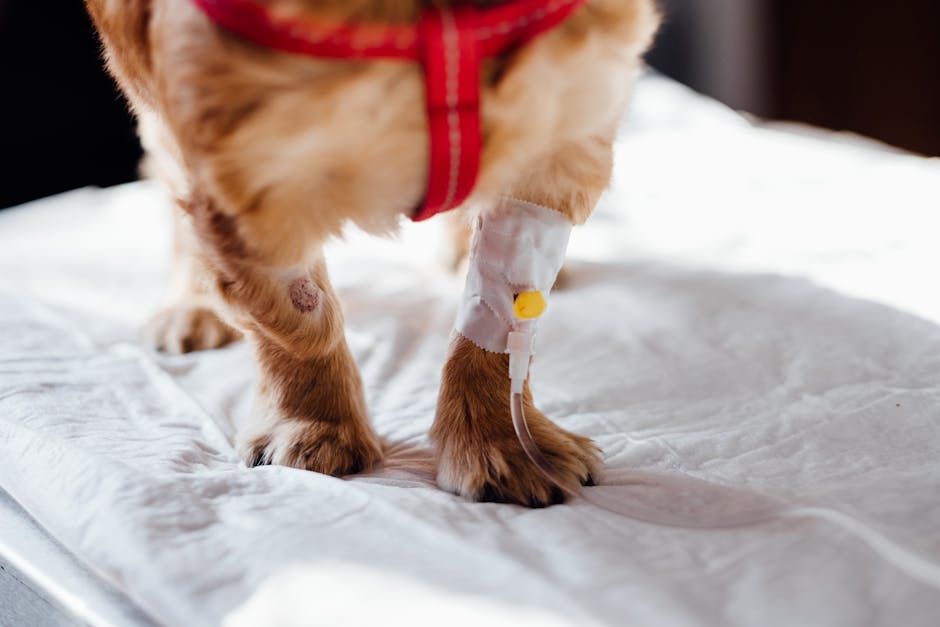
Watching a beloved pet struggle with mobility can be heart-wrenching for any owner. Hip dysplasia is one of the most common skeletal disorders seen in canine medicine, particularly in larger breeds. Fortunately, modern veterinary science offers a wide array of options for dog hip dysplasia treatment that can significantly improve a pet’s quality of life and manage chronic joint pain effectively.
Navigating the Care Path
When a dog is diagnosed with this condition, it is vital to understand that a multi-modal approach often yields the best results. Whether your dog requires simple lifestyle adjustments or more advanced veterinary orthopedic surgery, early intervention is the gold standard for managing the progression of the disease.
Key factors that contribute to a successful management plan include:
- Early Diagnosis: Identifying joint laxity before severe arthritis sets in.
- Comprehensive Care: Combining weight management, physical therapy, and medication.
- Supportive Nutrition: Providing the right nutrients to maintain joint health, much like choosing high-quality nutritional diets for large breeds.
Professional Resources and Research
For owners looking to dive deeper into the medical mechanics of the condition, authoritative sources provide excellent clinical guidance. The American College of Veterinary Surgeons offers detailed insights into how structural joint issues manifest, while the Orthopedic Foundation for Animals (OFA) remains a leading organization dedicated to the health and welfare of companion animals through research and screening.
By staying informed and working closely with a veterinarian, owners can ensure their companions remain active, comfortable, and happy for years to come. Effective dog hip dysplasia treatment is not about a singular “fix,” but rather a commitment to sustained, proactive care.
Key Takeaways
Managing canine mobility is essential for pet owners, as effective dog hip dysplasia treatment requires a multi-faceted approach combining veterinary expertise, lifestyle adjustments, and consistent monitoring. Recognizing the early signs of joint discomfort is the first step toward improving a dog’s long-term quality of life and preventing degenerative decline.
Here are the essential points to keep in mind regarding the management and care of this condition:
- Early Intervention is Crucial: Detecting joint laxity early allows for a wider range of non-invasive management strategies for canine arthritis, which can significantly delay the progression of the disease.
- Weight Management is Non-Negotiable: Maintaining an ideal body condition score is arguably the most effective way to reduce stress on compromised joints. For breeds prone to sensitivities, feeding a balanced diet—such as these hypoallergenic dog food options—can help manage systemic inflammation.
- Multimodal Care: Successful dog hip dysplasia treatment rarely relies on a single method. It typically involves a combination of pharmaceutical pain relief, physical rehabilitation, and nutraceutical support.
- Scientific Backing: Pet owners should rely on evidence-based guidance. Organizations like the Orthopedic Foundation for Animals (OFA) provide comprehensive data on hip screening, while the American College of Veterinary Surgeons (ACVS) offers deep insights into the surgical interventions available for advanced cases.
- Individualized Plans: No two dogs are the same. Treatment plans must be tailored to the animal’s age, activity level, and the severity of their anatomical dysplasia.
By staying proactive and collaborating closely with a veterinary professional, owners can ensure their companions remain comfortable, mobile, and happy despite a diagnosis of hip dysplasia.
Understanding the Condition
Managing canine joint health requires a proactive approach, and understanding the root of the problem is the first step toward effective dog hip dysplasia treatment. By recognizing the biological factors at play, owners can better navigate the journey toward long-term mobility for their pets. Early intervention is often the best strategy to improve a dog’s quality of life and slow the progression of chronic pain.
What is Hip Dysplasia in Dogs?
Hip dysplasia is a skeletal condition primarily characterized by a malformation of the hip joint. In a healthy dog, the ball and socket mechanism of the hip fits snugly and moves smoothly. In an affected dog, these components do not fit or develop properly, leading to grinding and rubbing instead of a fluid gliding motion.
- Genetic Predisposition: This condition is largely hereditary, commonly affecting larger breeds such as German Shepherds, Labradors, and Great Danes.
- Joint Laxity: The underlying issue is often canine joint laxity, where the ligaments meant to hold the hip joint in place are too loose, causing instability.
- Environmental Factors: While genetics play a major role, excessive growth rates, improper nutrition, and intense exercise at a young age can exacerbate the issue. According to the Orthopedic Foundation for Animals, understanding the breed-specific risks is essential for early diagnosis.
Proper nutrition is also a critical component of preventative care, as explained in this guide on hypoallergenic dog food for large breeds that may help manage systemic inflammation.
Common Symptoms to Monitor
Recognizing the signs of hip dysplasia early can significantly impact the success of any dog hip dysplasia treatment plan. Owners should observe their dogs for the following behavioral and physical changes:
- Reduced Activity: A noticeable reluctance to jump, climb stairs, or engage in play.
- Abnormal Gait: The development of a “bunny hop” movement where the dog moves both hind legs simultaneously.
- Joint Stiffness: Difficulty rising after resting or noticeable limping that may improve as the dog “warms up.”
- Muscle Atrophy: A loss of muscle mass in the hindquarters due to lack of use.
- Audible Clicking: Hearing a popping or clicking sound when the dog stands or walks.
For more detailed information on managing chronic canine mobility issues, resources from the American College of Veterinary Surgeons provide further insight into the mechanical nature of these joint disorders. If these symptoms persist, consulting with a veterinarian for a specialized orthopedic examination is the recommended course of action to prevent further cartilage damage and secondary arthritis.

Diagnostic Procedures
Early identification is the most critical factor in successful dog hip dysplasia treatment. By catching the condition early, pet owners can collaborate with veterinarians to implement a management plan that minimizes long-term joint damage. A clinical diagnosis involves a multi-faceted approach, combining historical data, visual observation, and advanced medical imaging to assess the structural integrity of the hip joint.
The Role of Veterinary X-rays
The primary gold standard for diagnosing this condition is radiographic imaging. Veterinarians rely on high-quality X-rays to visualize the hip socket and the femoral head.
- Standard Hip Extended View: This provides a clear look at the joint’s current state and identifies any existing arthritis or remodeling.
- PennHIP Method: Unlike standard views, this is a specialized quantitative method that measures joint laxity—the looseness of the joint—to predict a dog’s risk of developing osteoarthritis later in life.
- Assessment Criteria: The professional looks for shallow sockets (acetabulum), flattened femoral heads, or bone spurs (osteophytes) that indicate chronic inflammation.
For further reading on canine orthopedic standards, the Orthopedic Foundation for Animals (OFA) provides extensive resources on how these radiographic assessments are conducted to ensure clinical accuracy.
Physical Examinations for Joint Laxity
Before moving to imaging, a veterinarian performs a thorough physical examination. This helps determine if the dog is experiencing pain during motion and provides initial clues regarding the severity of the hip instability.
Key physical evaluation steps include:
- Gait Analysis: Observing the dog’s movement to identify issues like “bunny hopping,” stiffness, or a swaying rear end.
- Ortolani Sign: A clinical maneuver where the veterinarian manipulates the hip joint to detect a “clunk” sound or sensation, which confirms excessive looseness.
- Range of Motion Testing: The vet checks for restricted movement, muscle atrophy in the hindquarters, or signs of pain when the joint is fully extended.
Often, owners who suspect their pets may be struggling with mobility issues also look into hypoallergenic dietary support for large breeds to ensure systemic inflammation is minimized while the diagnostic process is underway.
According to guidelines from the American College of Veterinary Surgeons (ACVS), integrating physical manipulation with diagnostic imaging ensures that the most appropriate dog hip dysplasia treatment plan is established, potentially delaying or preventing the need for more invasive procedures.
Lifestyle and Weight Management
Effective dog hip dysplasia treatment requires a comprehensive approach that extends far beyond the veterinarian’s office. By prioritizing daily lifestyle adjustments and strict weight control, pet owners can significantly reduce the mechanical stress placed on a dog’s joints, ultimately slowing the progression of degenerative joint disease. According to the American Kennel Club Canine Health Foundation, managing environmental factors is a pillar of long-term mobility support for affected breeds.
The Importance of Maintaining a Healthy Weight
Excess weight is the single most significant factor exacerbating the symptoms of hip dysplasia. Even a few extra pounds can place unnecessary strain on the hip socket, increasing inflammation and pain.
- Body Condition Scoring: Owners should work with their veterinarian to maintain an ideal body condition score.
- Caloric Control: Precise portion measuring is essential. For dogs with sensitivities or specific breed needs, utilizing high-quality nutritional resources can ensure they receive optimal nutrients without excess calories.
- Metabolic Support: Keeping a dog lean is arguably the most effective non-surgical management technique available.
- Consulting Experts: Veterinary nutritionists can help develop a weight-loss plan if the dog is already carrying extra weight, as rapid weight loss can be harmful to muscle mass.
Research published by the National Institutes of Health highlights that maintaining a lean body mass can delay the clinical onset of joint pain in predisposed breeds.
Low-Impact Exercise Strategies
While movement is vital to prevent muscle atrophy, the intensity and type of activity must be carefully selected to avoid further damaging the joint capsule. The goal of a sound dog hip dysplasia treatment plan is to build stabilizing muscle without causing repetitive impact trauma.
Consider these low-impact strategies:
- Controlled Leash Walks: Opt for multiple short walks on soft surfaces like grass or dirt rather than long hikes on concrete or asphalt.
- Swimming: This remains the gold standard for rehabilitation. The buoyancy of water allows the dog to build muscle without the weight-bearing forces that occur on land.
- Physical Therapy Games: Utilize balance pads or slow-paced “cavaletti” rails to encourage core engagement and hindquarter strengthening.
- Avoiding High-Impact Activities: Activities like jumping for frisbees, excessive stair climbing, or aggressive play with larger dogs should be strictly prohibited to prevent sudden joint subluxation.
By shifting the focus from high-intensity play to consistent, controlled movement, owners provide their dogs with the best opportunity to remain mobile and comfortable throughout their lives.

Medical and Pharmaceutical Options
When managing a canine’s mobility, a comprehensive dog hip dysplasia treatment plan often centers on medical and pharmaceutical interventions. These therapies aim to reduce inflammation, manage chronic pain, and slow the progression of joint degradation. By utilizing a combination of prescription medications and high-quality nutritional support, pet owners can significantly improve their dog’s quality of life and comfort levels.
Anti-inflammatory Medications and Pain Relief
The primary goal of pharmacological management is to address the discomfort associated with joint inflammation. Veterinarians typically prescribe medications tailored to the individual dog’s health profile and the severity of their condition.
- Non-Steroidal Anti-Inflammatory Drugs (NSAIDs): These are the gold standard for managing pain in dogs. They work by inhibiting enzymes that cause inflammation, thereby reducing swelling and discomfort in the hip joint.
- Safety Monitoring: Because long-term NSAID use can affect liver and kidney function, the American Animal Hospital Association (AAHA) emphasizes the necessity of regular blood work to monitor systemic health while undergoing dog hip dysplasia treatment.
- Adjunctive Pain Medications: For dogs that require additional relief, veterinarians may incorporate gabapentin or amantadine. These medications target nerve pain and help block pain signals from reaching the brain.
It is critical to never administer over-the-counter human pain relievers, such as ibuprofen or acetaminophen, as these can be toxic to pets. Always consult with a licensed professional before starting any new regimen.
Joint Supplements and Nutrition
Beyond medication, nutritional support plays a vital role in protecting cartilage and maintaining joint lubrication. Many owners choose to include dog joint supplements as part of a long-term care strategy to support mobility.
- Glucosamine and Chondroitin: These building blocks of cartilage are found in many supplements and may help slow joint degeneration.
- Omega-3 Fatty Acids: High-quality fish oils, rich in EPA and DHA, act as natural anti-inflammatories. Research published via PubMed has demonstrated that omega-3 supplementation can significantly reduce joint stiffness in canine patients.
- Targeted Nutrition: Diet is a cornerstone of recovery. Providing nutritionally balanced food ensures that a dog receives essential vitamins and minerals that support skeletal health without added fillers that lead to unhealthy weight gain.
- Injectable Protectants: Some veterinarians suggest polysulfated glycosaminoglycans (such as Adequan), which are injected to help repair cartilage and improve joint fluid viscosity.
Consistent supplementation and a high-quality diet serve as the foundation for any long-term dog hip dysplasia treatment, helping to keep joints fluid and reducing the reliance on heavy pharmaceutical interventions over time.
Physical Therapy and Rehabilitation
Physical therapy has become a cornerstone of modern dog hip dysplasia treatment, offering non-invasive ways to manage chronic pain and improve mobility. By focusing on muscle strengthening and range of motion, rehabilitation programs help compensate for joint instability caused by the disease. Incorporating these practices early can significantly slow the progression of secondary issues like arthritis, ensuring that owners can manage their dog’s comfort effectively. For those interested in holistic wellness, some also consider high-quality nutrition like hypoallergenic dog food options to reduce systemic inflammation.
Hydrotherapy for Joint Support
Hydrotherapy is widely considered one of the most effective rehabilitation exercises for dogs suffering from hip issues. Because water provides buoyancy, it supports the dog’s body weight, allowing them to move their joints without the harsh impact of walking on pavement.
- Weight Reduction: The water reduces the load on the hip joint by up to 90%, making it easier for the dog to perform movements.
- Increased Resistance: Water provides natural resistance, which helps in building muscle mass around the hips to better support the skeletal structure.
- Pain Management: Warm water environments can soothe sore muscles and improve circulation, acting as a natural analgesic for stiffness.
Many veterinary rehabilitation centers utilize underwater treadmills, which allow therapists to control the speed and depth of the water to suit the dog’s specific needs. For more detailed research on the efficacy of these methods, the American College of Veterinary Surgeons provides excellent resources on orthopedic care.
Targeted Therapeutic Exercises
Beyond hydrotherapy, targeted physical therapy exercises are essential for maintaining core strength. These movements focus on the gluteal and quadricep muscles to create a “biological brace” around the hip joint.
Key strategies include:
- Controlled Leash Walks: Slow, intentional walking on flat surfaces helps keep joints lubricated without over-exerting the hip.
- Sit-to-Stand Exercises: Encouraging the dog to move from a sitting to a standing position strengthens the rear muscles, which is a vital part of dog hip dysplasia treatment.
- Balance Board Training: Using balance equipment forces the dog to engage their core and stabilizer muscles.
- Passive Range of Motion (PROM): Gentle stretching performed by the owner or therapist helps prevent muscle contracture and maintains joint flexibility.
It is highly recommended that owners consult with a certified canine rehabilitation therapist to develop a custom plan. For scientific insights into canine mobility and musculoskeletal health, professionals often reference the National Center for Biotechnology Information to understand the long-term benefits of physical intervention. Always ensure that the dog is performing these tasks without showing signs of acute pain, such as whining or refusing to put weight on the affected limb.

Surgical Interventions
When conservative management methods prove insufficient, surgical intervention often becomes a necessary dog hip dysplasia treatment to restore mobility and comfort. Veterinary surgeons select the appropriate procedure based on the patient’s age, the severity of the joint degradation, and the overall health of the animal. These procedures aim to either alter the pelvic structure to improve joint stability or replace the joint entirely to eliminate the source of chronic pain. For owners exploring nutritional support alongside these surgical options, ensuring proper canine nutrition is vital, and selecting high-quality hypoallergenic dog food can help manage systemic inflammation during the recovery period.
Juvenile Pubic Symphysiodesis
Juvenile Pubic Symphysiodesis (JPS) is a minimally invasive surgery performed on puppies that have been diagnosed with early signs of hip laxity.
- Ideal Age: This procedure must be performed while the puppy is still growing, typically between 12 and 18 weeks of age.
- The Procedure: The surgeon closes the growth plate at the bottom of the pelvis, which alters the pelvic growth pattern.
- Outcome: As the dog continues to grow, this alteration encourages the hip sockets to develop a deeper coverage of the femoral head, effectively reducing joint laxity.
- Evidence-Based Approach: According to clinical research available via PubMed, early detection through screenings is the primary factor in determining if a puppy is a viable candidate for JPS.
Total Hip Replacement Procedures
For dogs suffering from advanced osteoarthritis or severe, debilitating hip dysplasia, a Total Hip Replacement (THR) is considered the “gold standard” in veterinary orthopedics.
- Procedure Overview: During a THR, the damaged ball-and-socket joint is completely removed and replaced with prosthetic implants, typically made of high-grade medical steel, cobalt chrome, or ultra-high-molecular-weight polyethylene.
- Primary Benefits:
- Significant reduction in chronic pain.
- Restoration of near-normal range of motion.
- Allows the dog to return to active, painless movement.
- Long-term Success: Most veterinary surgeons report high success rates for THR, with the vast majority of dogs achieving full functional recovery within months of the surgery.
- Standard of Care: To learn more about the ethical and medical standards governing these complex orthopedic procedures, pet owners are encouraged to review guidelines established by the American College of Veterinary Surgeons (ACVS).
Because recovery from any dog hip dysplasia treatment—especially surgery—requires strict adherence to rehabilitation protocols, owners must be prepared to limit activity and follow their veterinarian’s postoperative instructions to prevent complications. Whether considering a surgical correction or a less invasive option, early consultation is the best way to safeguard a pet’s long-term quality of life.
Frequently Asked Questions
Navigating the complexities of canine joint health can be overwhelming for pet owners. When researching the most effective dog hip dysplasia treatment options, several common questions often arise regarding long-term prognosis, management, and the potential for natural interventions. Understanding these nuances is essential for making informed decisions about a pet’s quality of life.
Is hip dysplasia curable in dogs?
Currently, there is no permanent “cure” for hip dysplasia, as it is a genetic, developmental condition. However, it is highly manageable. While the anatomical deformity of the hip joint remains, modern veterinary medicine offers various paths to minimize discomfort and improve mobility.
- Management vs. Cure: Treatment focuses on controlling pain, reducing inflammation, and maintaining functional joint movement.
- Preventative Care: Proper nutrition and dietary management are essential to prevent secondary issues caused by rapid growth or obesity.
- Clinical Research: You can review orthopedic research from the American College of Veterinary Surgeons to better understand how surgical interventions can significantly improve joint functionality.
Can a dog live a happy life with hip dysplasia?
Yes, absolutely. With a proactive approach to dog hip dysplasia treatment, most dogs lead full, active, and happy lives. The goal is to provide joint pain relief that allows the animal to participate in daily activities without significant restriction.
Key factors that contribute to a high quality of life include:
- Early Detection: Identifying signs of joint laxity early allows for prompt intervention.
- Multimodal Therapy: Combining medication, physical therapy, and lifestyle adjustments often yields the best results.
- Supportive Environment: Providing orthopedic beds and minimizing stairs or slippery floors helps protect compromised joints.
According to data provided by the Orthopedic Foundation for Animals (OFA), consistent monitoring of orthopedic health is the most reliable way to ensure long-term comfort for affected breeds.
Are there natural remedies for hip dysplasia?
While natural remedies are rarely a replacement for primary veterinary care, they serve as excellent supplemental tools for dog hip dysplasia treatment. These should be used in consultation with a veterinarian to ensure they do not interfere with prescribed medications.
Popular supportive strategies include:
- Omega-3 Fatty Acids: Often found in fish oil, these are highly effective for reducing inflammation.
- Glucosamine and Chondroitin: These supplements are frequently recommended to support cartilage health and joint lubrication.
- Weight Control: The single most effective “natural” remedy is maintaining an ideal body weight, which drastically reduces the stress placed on the hips.
- Acupuncture: Many owners find that integrating acupuncture into their pet’s routine provides significant relief from chronic pain.
Conclusion on Dog Hip Dysplasia Treatment
Navigating a diagnosis of hip dysplasia can feel overwhelming for any pet owner, but early intervention and a proactive care plan significantly improve a dog’s quality of life. The effectiveness of dog hip dysplasia treatment relies heavily on a multi-modal approach that combines veterinary expertise with consistent home care. By managing pain, controlling weight, and utilizing appropriate rehabilitation techniques, owners can help their companions remain active and comfortable for years to come.
Final Steps for Long-Term Management
To ensure the best outcomes, owners should focus on these core pillars of recovery:
- Veterinary Partnership: Always maintain regular check-ups with a licensed veterinarian to monitor joint health and adjust medications as needed. For comprehensive medical guidelines, refer to the American Veterinary Medical Association.
- Weight Control: Excess weight places unnecessary strain on compromised joints. Consistent calorie management is one of the most impactful forms of joint pain management available.
- Proper Nutrition: High-quality, balanced nutrition is essential for joint support. Owners often find success by incorporating hypoallergenic dog food for dogs with sensitivities to reduce systemic inflammation.
- Evidence-Based Care: Consult peer-reviewed resources, such as those found on PubMed, to stay updated on the latest advancements in veterinary orthopedic care.
Summary Checklist for Owners
Managing this condition is a marathon, not a sprint. Follow these principles to keep your pet thriving:
- Prioritize Consistency: Stick to a daily routine for supplements and exercise.
- Monitor Mobility: Keep a log of your dog’s gait and activity levels to share with your vet during visits.
- Environment Matters: Use ramps or non-slip flooring to reduce the impact on your dog’s hips during daily transitions.
- Embrace Therapy: If suggested, do not skip professional physical therapy for dogs, as it is vital for maintaining muscle mass around the hip joint.
Ultimately, while the condition is chronic, it is highly manageable. With patience, dedication, and the right dog hip dysplasia treatment plan tailored to your dog’s specific needs, they can continue to live a joyful, fulfilling life by your side.


