
The German Shepherd Dog (GSD) is one of the most iconic and versatile breeds in the United States, cherished for its intelligence, loyalty, and protective nature. Owners frequently ask about the average lifespan of a German Shepherd to better prepare for the long-term commitment of caring for these athletic companions. On average, a healthy German Shepherd typically lives between 7 and 10 years.
While some individuals may live longer with optimal care, factors such as genetics, nutrition, and environmental influences play a significant role in their overall longevity. Understanding these variables is the first step toward ensuring a high quality of life for these noble animals.
Factors Influencing Longevity
Several key components determine whether a German Shepherd will thrive into their senior years:
- Genetics and Breeding: Ethical breeding practices are essential for minimizing hereditary diseases.
- Preventative Healthcare: Regular veterinary screenings as recommended by the American Veterinary Medical Association (AVMA) help catch issues early.
- Dietary Quality: Providing balanced nutrition is critical. For dogs with sensitivities, choosing the best dog food for German Shepherds with allergies can significantly improve their daily comfort and systemic health.
- Physical Conditioning: Maintaining a lean body weight through appropriate exercise is vital for heart and joint health.
Understanding Breed Health Expectations
Because these dogs are large-breed workers, they are predisposed to specific physiological stresses. Organizations like the Orthopedic Foundation for Animals (OFA) emphasize that early screening for common conditions—such as hip dysplasia—can help owners manage their dog’s health proactively. By focusing on proper wellness protocols, owners can help their German Shepherds reach the upper end of their life expectancy.
Ultimately, while the average lifespan of a German Shepherd may be shorter than that of smaller breeds, proactive owners who prioritize preventative veterinary care can significantly improve their companion’s chance of living a long, vibrant life.
Key Takeaways
Understanding the factors that influence the longevity of this noble breed is essential for any owner. While individual results vary based on genetics and lifestyle, owners should be aware of the baseline expectations and preventative measures that help maximize their companion’s time.
- The Baseline: The average lifespan of a German Shepherd typically ranges between 7 and 10 years.
- Proactive Wellness: Consistent veterinary care is the most effective way to manage the common health concerns that frequently impact this breed.
- Nutritional Support: Feeding a balanced diet is vital for long-term health; for dogs with specific sensitivities, owners should consider high-quality options like these best dog food choices for German Shepherds with allergies.
- Genetic Awareness: Researching lineage and health clearances through resources like the Orthopedic Foundation for Animals (OFA) can significantly reduce the risk of inherited conditions.
- Physical Maintenance: Keeping a GSD at an ideal weight prevents undue stress on joints, directly impacting their quality of life. Detailed guidelines on canine weight management can be found via the American Kennel Club (AKC).
Essential Factors for Longevity
To ensure a German Shepherd thrives throughout their life, owners must prioritize several key pillars:
- Early Detection: Scheduling annual wellness exams allows veterinarians to spot silent issues like degenerative myelopathy before they advance.
- Activity Balance: While high-energy exercise is beneficial, avoiding repetitive high-impact jumping during puppyhood is crucial to protecting developing bones.
- Preventative Care: Staying current on heartworm, flea, and tick prevention is non-negotiable for maintaining overall systemic health.
By staying informed about the average lifespan of a German Shepherd and addressing specific common health concerns early, owners can foster an environment that supports a long, active, and happy life for their canine partners.
Common Health Concerns Affecting Longevity
Understanding the average lifespan of a German Shepherd requires a deep dive into the specific health challenges that frequently impact this breed. While they are known for their loyalty and intelligence, their physical build and genetic predisposition make them susceptible to several systemic conditions. Managing these risks effectively is essential for any owner aiming to extend the quality and length of their dog’s life.
Hip and Elbow Dysplasia
These musculoskeletal conditions are among the most prevalent concerns for the breed. Dysplasia occurs when the joints do not develop correctly, leading to chronic arthritis and mobility issues.
- Symptoms: Look for stiffness, difficulty rising from a lying position, or a “bunny-hopping” gait.
- Management: Early intervention through Orthopedic Foundation for Animals (OFA) testing helps identify genetic markers. Maintaining a lean body weight is critical to reducing stress on these vulnerable joints.
Degenerative Myelopathy
Often described as the canine equivalent of ALS, Degenerative Myelopathy is a progressive disease of the spinal cord. It typically affects older German Shepherds and is one of the primary health issues in dogs that impacts long-term mobility.
- Progression: It usually begins with muscle weakness in the hindquarters, eventually leading to full paralysis.
- Diagnosis: Owners should consult with a veterinary neurologist if they notice their dog dragging their back paws or experiencing unexplained loss of balance. Research provided by the National Institutes of Health (NIH) emphasizes the importance of DNA testing to identify carriers of this condition early.
Gastric Dilation-Volvulus (Bloat)
Bloat is a life-threatening, emergency condition where the stomach twists, cutting off blood supply to vital organs. Because of their deep-chested anatomy, German Shepherds are at a higher risk than many other breeds.
- Critical Signs: A distended, hard abdomen, unproductive retching, and excessive drooling.
- Prevention Strategies:
- Feed smaller, frequent meals rather than one large portion.
- Avoid vigorous exercise immediately before or after eating.
- For those managing dietary sensitivities, selecting the right nutrition is vital, as discussed in this comprehensive review of dog food for German Shepherds with allergies.
- Urgency: If symptoms occur, immediate transport to an emergency veterinary clinic is required to prevent fatality.
The Role of Genetics and Breeding
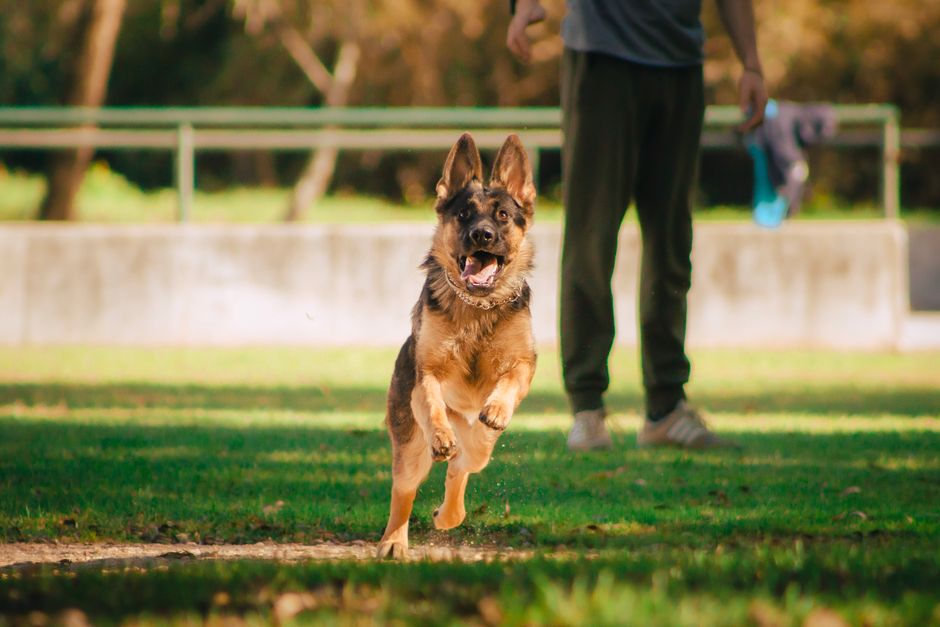
When analyzing the average lifespan of a German Shepherd, it is impossible to ignore the foundational influence of genetic heritage. A dog’s DNA acts as a biological blueprint, dictating their susceptibility to hereditary conditions and their overall vitality. While environmental factors play a significant role, responsible breeding practices are the first line of defense in ensuring a long, healthy life for this breed. Prospective owners should prioritize finding a breeder who emphasizes genetic health testing to mitigate the risks of inherited diseases that could otherwise shorten the life of their companion.
Importance of Reputable Breeders
Reputable breeders are stewards of the breed, focusing on temperament, structure, and long-term health rather than just profit. They understand that the average lifespan of a German Shepherd is heavily influenced by the lineage of the sire and dam.
Key attributes of a responsible breeder include:
- Transparency: They provide clear documentation regarding the health history of the puppy’s ancestors.
- Small-Scale Breeding: They typically limit the number of litters to ensure each dog receives adequate attention and care.
- Support: They act as a lifelong resource for the owner, offering guidance on nutrition and high-quality food choices.
- Registration: They ensure all breeding stock is registered with recognized organizations like the American Kennel Club, which maintains rigorous breed standards.
Screening and Health Testing
To maximize the average lifespan of a German Shepherd, thorough veterinary screening is non-negotiable. Ethical breeders go beyond basic wellness checks and perform specific diagnostics to identify markers for common breed-specific ailments.
Owners should request proof of testing for:
- Hip and Elbow Evaluations: Using systems like the Orthopedic Foundation for Animals (OFA), breeders can identify dogs with high scores for joint health, significantly reducing the risk of debilitating dysplasia.
- DNA Testing: Modern genetic screening can detect carriers of Degenerative Myelopathy, allowing breeders to make informed decisions to prevent the disease from being passed to future generations.
- Cardiac and Eye Exams: Comprehensive evaluations ensure that the breeding pair is free from congenital heart defects or hereditary ocular conditions.
By prioritizing these rigorous standards, the likelihood of a dog inheriting life-limiting health issues is drastically reduced, ultimately allowing the animal to thrive well into their senior years.
Nutrition and Dietary Requirements
Providing a balanced, high-quality diet is one of the most effective ways to positively influence the average lifespan of a German Shepherd. As a breed prone to specific musculoskeletal and digestive sensitivities, what goes into their bowl directly impacts their long-term health outcomes. Proper nourishment supports immune function, joint integrity, and organ health throughout their various life stages. According to the American Kennel Club, focusing on life-stage-appropriate nutrition is critical for maintaining overall vitality.
Choosing High-Quality Kibble or Raw Food
Selecting the right fuel for a German Shepherd requires careful label reading and an understanding of canine nutritional profiles. Whether opting for commercial kibble or a biologically appropriate raw diet, the focus must be on high-quality animal proteins and balanced micronutrients.
- Protein Quality: Ensure the primary ingredient is a named animal protein (e.g., deboned chicken, beef, or lamb) rather than “meat meal” or generic fillers.
- Essential Fats: Omega-3 fatty acids, typically sourced from fish oil, are vital for reducing inflammation and supporting coat health.
- Specialized Needs: Because many GSDs struggle with food sensitivities, owners often look for the best dog food for German Shepherds with allergies to prevent chronic skin and gastrointestinal issues.
- Raw Diets: If choosing a raw food approach, consult with a veterinary nutritionist to ensure the diet meets AAFCO nutrient profiles, as homemade or raw diets often risk becoming unbalanced without professional guidance.
Managing Healthy Weight and Portion Control
Obesity is a significant factor that can decrease the average lifespan of a German Shepherd by putting undue stress on their frame. Because the breed is predisposed to hip and elbow dysplasia, maintaining a lean “body condition score” is essential to minimize pressure on their joints.
- Monitor Portions: Avoid free-feeding. Use a measuring cup to provide the exact daily caloric intake recommended by a veterinarian based on the dog’s activity level.
- Track Treats: Snacks can easily account for 10% or more of a dog’s daily calories. Use low-calorie options like fresh carrots or green beans.
- Regular Weigh-ins: Use a scale to track weight fluctuations. A dog should have a visible “tuck” in the waist when viewed from above and a slight upward slope to the abdomen when viewed from the side.
- Slow Feeders: To prevent Gastric Dilation-Volvulus (bloat), owners should utilize slow-feeder bowls to prevent the dog from gulping food too rapidly, a practice supported by research found via PubMed Central.
Physical Activity and Mental Stimulation
To maximize the average lifespan of a German Shepherd, owners must prioritize a structured routine of movement and cognitive enrichment. Because these dogs were bred for working roles, they possess high energy levels that, if left unmanaged, can lead to behavioral issues and physical decline. Engaging a German Shepherd in regular activity is essential for maintaining cardiovascular health, managing weight, and keeping their sharp minds occupied. Proper enrichment is as critical to their longevity as choosing the right nutrition for sensitive dogs.
Exercise Needs for Active GSDs
German Shepherds thrive when they have a “job” to do. A sedentary lifestyle is detrimental to their well-being and can shorten their lifespan. Experts from the American Kennel Club emphasize that these dogs require more than just a quick walk around the block.
- Daily Requirements: Aim for at least 60 to 90 minutes of active exercise every day.
- Variety is Key: Mix high-intensity activities like fetch or hiking with low-impact options like swimming.
- Mental Stimulation: Utilize puzzle toys, scent work, or obedience training. Training sessions that challenge their intellect help prevent boredom-induced stress.
- Consistency: Establishing a predictable routine helps reduce anxiety, which is a major factor in long-term health.
Preventing Overexertion in Puppies
While GSDs are athletic powerhouses, their skeletal system takes time to fully mature. Owners must be cautious during the growth phase to prevent permanent joint damage, which can negatively impact the average lifespan of a German Shepherd. Research provided by the Orthopedic Foundation for Animals suggests that high-impact activities should be restricted until the growth plates have closed.
- Avoid High-Impact Jumps: Discourage agility jumps or jumping into and out of high vehicles until the dog is at least 12–18 months old.
- Surface Awareness: Whenever possible, exercise puppies on softer surfaces like grass or dirt rather than concrete to reduce repetitive stress on developing joints.
- The Five-Minute Rule: A common guideline is to provide five minutes of formal exercise per month of age, twice a day (e.g., a four-month-old puppy should have about 20 minutes of structured exercise, twice daily).
- Monitor Fatigue: Always keep a close eye on their behavior; if they are lagging behind or limping, end the session immediately to prevent injury.
Preventative Veterinary Care
Proactive health management is the most effective strategy for extending the average lifespan of a german shepherd. Because this breed is prone to specific hereditary and physical conditions, routine veterinary intervention serves as the first line of defense. By staying ahead of potential issues, owners can ensure their companions maintain a high quality of life throughout their prime years.
Annual Checkups and Early Detection
Consistent veterinary oversight allows for the monitoring of subtle changes that may indicate declining health. According to the American Veterinary Medical Association, consistent examinations are critical for long-term health.
- Biannual Exams: For senior dogs, visiting the vet every six months is highly recommended to catch age-related decline early.
- Blood Panels: Regular screenings can detect kidney or liver stress before clinical symptoms appear.
- Early Intervention: Addressing issues like joint discomfort early can significantly impact the average lifespan of a german shepherd.
If your dog suffers from skin sensitivities, consider checking resources like this guide on dog food for German Shepherds with allergies to prevent chronic inflammation, which can stem from dietary distress.
Vaccinations and Parasite Prevention
Keeping a German Shepherd protected against environmental threats is essential for longevity. Failing to maintain a rigorous preventative care schedule leaves the dog vulnerable to preventable diseases that can shorten their life.
- Core Vaccinations: Ensure the dog is up to date on Rabies, DHPP, and Bordetella vaccines to prevent common canine illnesses.
- Parasite Control: Heartworm, fleas, and ticks are not just nuisances; they are vectors for dangerous systemic diseases. The Companion Animal Parasite Council provides updated guidelines on regional risks that all GSD owners should follow.
- Monthly Maintenance: Consistency is key; missing a month of flea or heartworm prevention can lead to rapid health complications.
By prioritizing these clinical touchpoints, owners effectively mitigate external risks and provide their dogs with the best opportunity to reach the upper end of the expected average lifespan of a german shepherd.

Environmental Factors and Lifestyle
The environment in which a dog resides plays a pivotal role in determining the average lifespan of a German Shepherd. While genetics provide the blueprint, the day-to-day conditions of their habitat directly influence their long-term health, stress levels, and susceptibility to chronic ailments. Optimizing their surroundings can help ensure they reach their full potential.
Indoor vs. Outdoor Living Environments
German Shepherds are highly social creatures that thrive on interaction with their human families. While they are resilient, they are not suited to being isolated in a backyard for extended periods.
- Social Connection: Living primarily indoors allows for closer monitoring of their behavior, which aids in early detection of illness.
- Temperature Regulation: GSDs have a double coat that can protect them from cold, but they remain susceptible to heatstroke in the intense summer climates common across the United States. Providing a climate-controlled indoor space is essential for senior dog comfort.
- Safety Standards: The American Kennel Club emphasizes that house-dwelling dogs generally experience fewer accidents and are less exposed to environmental pathogens than those kept strictly outdoors.
Safety and Avoiding Hazardous Substances
A GSD’s natural curiosity can lead them into dangerous situations if their living space is not properly secured. Proactive management of the home environment is a crucial step in extending their years.
- Toxin Elimination: Keep household cleaners, medications, and toxic plants out of reach. According to the ASPCA Animal Poison Control Center, common household items like xylitol or certain pesticides can be fatal to large breeds.
- Nutritional Safety: Ensuring the dog avoids scavenged waste or poor-quality dietary fillers is vital. For owners dealing with sensitivities, finding the best dog food for German Shepherds with allergies can significantly reduce inflammation and secondary health complications.
- Physical Hazards: Maintain a fenced yard that is free of sharp debris or heavy equipment that could cause orthopedic injuries, which are particularly detrimental to a breed prone to joint issues.
- Environmental Toxins: Research by the National Institute of Environmental Health Sciences suggests that minimizing exposure to household chemicals and smoke can play a role in reducing the risk of respiratory and systemic diseases in domestic pets, ultimately supporting a healthier lifestyle for the breed.
Dental Hygiene and Grooming
While many owners focus primarily on diet and exercise, a consistent routine of dental hygiene and coat maintenance plays a crucial role in extending the average lifespan of a german shepherd. Neglecting these daily habits can lead to underlying issues that diminish a dog’s quality of life and, in severe cases, systemic health complications. By integrating simple grooming practices into a weekly schedule, owners can help their GSDs live longer, more comfortable lives.
Impact of Periodontal Disease on Systemic Health
Dental health is frequently overlooked, yet it is a primary contributor to chronic illness in large breeds. According to the American Veterinary Medical Association, periodontal disease—the inflammation or infection of the tissues surrounding the tooth—is one of the most common conditions affecting adult dogs.
- Bacterial Translocation: When tartar and plaque accumulate, bacteria can enter the bloodstream through inflamed gums, potentially damaging the heart, kidneys, and liver.
- Systemic Effects: This internal stress puts a significant strain on the body, directly impacting the average lifespan of a german shepherd.
- Preventative Measures:
- Daily Brushing: Use a dog-specific enzymatic toothpaste to break down plaque.
- Dental Chews: Incorporate vet-approved chews to reduce buildup between brushing sessions.
- Professional Cleanings: Schedule annual veterinary exams to detect hidden issues before they require surgical intervention.
Coat Maintenance and Skin Checks
The German Shepherd’s dense, double coat requires regular attention to keep the skin healthy and free of irritants. Routine grooming is not merely for aesthetics; it is an essential window into the dog’s overall physical well-being.
- Early Detection: Frequent brushing sessions allow owners to perform a “head-to-tail” skin check. Identifying lumps, bumps, or skin allergies early is vital. If your dog suffers from chronic sensitivity, ensuring they are on a high-quality, allergy-friendly diet can prevent long-term inflammation.
- Parasite Prevention: According to the CDC, maintaining a clean, well-groomed coat makes it significantly easier to spot ticks, fleas, and mites that can transmit dangerous pathogens.
- Grooming Best Practices:
- Brushing Frequency: Brush at least 2–3 times per week to remove loose undercoat and prevent matting, which can cause painful skin sores.
- Bathing: Bathe only as needed, as over-shampooing can strip the skin of natural oils, leading to dryness and potential infections.
- Nail Care: Keep nails trimmed to prevent posture issues that put unnecessary strain on the joints and skeletal system.

Frequently Asked Questions
Understanding the complexities of canine health is essential for any owner concerned about the average lifespan of a german shepherd. While genetics play a significant role, being informed about aging markers and environmental factors allows owners to provide the best possible quality of life for their companions. The following answers address common inquiries regarding the longevity and health trajectory of this noble breed.
How can I tell if my German Shepherd is aging well?
A German Shepherd is generally aging well if they maintain a balance between vitality and physical comfort. Owners should monitor several key indicators:
- Mobility: They should be able to stand, walk, and navigate stairs without significant hesitation or signs of pain.
- Cognitive Function: A dog aging gracefully typically remains alert, responsive to commands, and engaged with their environment.
- Weight Management: Maintaining an ideal body condition score is critical; obesity can significantly shorten their life. If your dog suffers from sensitive skin or digestive issues, choosing the best dog food for German Shepherds with allergies is vital for long-term health.
- Appetite and Hydration: Consistent interest in food and regular water intake are positive signs. Sudden changes should be evaluated by a veterinarian according to AKC canine health guidelines.
Do female German Shepherds live longer than males?
Statistically, there is often a slight variation in longevity between the sexes, though it is not always significant.
- Biological Factors: Some studies suggest that female German Shepherds may live slightly longer on average than their male counterparts.
- Spaying/Neutering: The timing of reproductive surgeries can influence the average lifespan of a german shepherd, as these procedures impact hormonal health and the risk of certain cancers.
- Individual Health: A dog’s specific genetic profile and lifestyle choices—such as diet and exercise—usually outweigh gender as a predictor of how long they will live.
At what age is a German Shepherd considered a senior?
Because they are a large-breed dog, German Shepherds are generally considered to be entering their “senior” years when they reach 7 to 8 years of age.
- Early Detection: By age 7, many veterinarians recommend transitioning to bi-annual wellness exams to catch age-related conditions early.
- Physical Changes: Owners may notice graying around the muzzle, reduced muscle mass, or a decrease in overall energy levels during this stage.
- Research-Based Care: According to findings from the American Veterinary Medical Association, geriatric care plans that focus on pain management and mobility support can significantly improve the standard of living for aging pets.
By staying proactive with regular checkups and appropriate nutrition, owners can help their pets enjoy a comfortable life well into their senior years.
Tips for Senior German Shepherd Care
As a German Shepherd enters their golden years, proactive management becomes essential to maintaining their quality of life. While the average lifespan of a German Shepherd typically ranges between 7 and 10 years, dedicated care can often help them remain comfortable and active well into their senior stage. By focusing on specific adjustments to their daily routine, owners can mitigate the impact of common age-related decline.
Joint Supplements and Mobility Support
Because the breed is prone to musculoskeletal issues, supporting joint health is a primary concern for senior dogs. Providing high-quality nutrition—such as those recommended in this best dog food for German Shepherds with allergies guide—can serve as a foundation for health.
- Glucosamine and Chondroitin: Many veterinarians recommend these supplements to maintain cartilage health and reduce inflammation.
- Omega-3 Fatty Acids: Often sourced from fish oil, these help manage systemic inflammation, which is vital for dogs suffering from canine arthritis.
- Orthopedic Bedding: Providing a memory foam bed helps distribute their weight evenly, taking pressure off painful joints.
- Assistive Devices: For dogs struggling with stairs or jumping into vehicles, using ramps or harnesses can prevent unnecessary strain.
For more information on managing mobility in aging pets, consult resources from the American Veterinary Medical Association (AVMA).
Adjusting Exercise Intensity for Aging Dogs
Exercise remains vital for mental health and circulation, but the intensity must be adapted to match the dog’s physical capacity. Excessive strain can lead to injury, so a shift toward low-impact activities is necessary to ensure their senior dog wellness remains a priority.
- Frequent, Short Walks: Instead of one long, grueling trek, opt for several shorter walks throughout the day to keep joints lubricated without overexertion.
- Swimming: Hydrotherapy or gentle swimming is an excellent, zero-impact exercise that builds muscle strength while protecting aging joints.
- Mental Stimulation: Keep their brain sharp with scent games, treat-dispensing puzzles, or basic obedience training, which requires less physical exertion than fetch or running.
- Monitor for Fatigue: Watch for signs of heavy panting, lagging behind, or difficulty rising after rest, and adjust the duration of activity accordingly.
For comprehensive guidelines on exercise safety for older breeds, researchers often refer to studies published via PubMed Central regarding the benefits of controlled movement in geriatric canine care.
Final Thoughts on the average lifespan of a German Shepherd
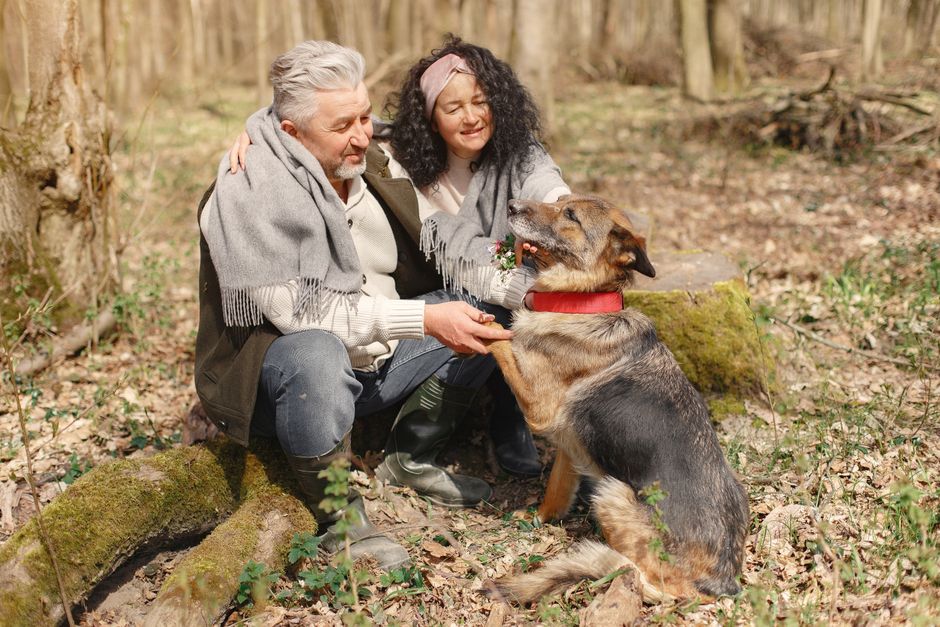
While the average lifespan of a german shepherd typically ranges between 7 to 10 years, these numbers should be viewed as a guide rather than a fixed limit. Providing a long, healthy life for this loyal breed is a multifaceted commitment that balances genetics, proactive veterinary care, and daily wellness habits. As owners strive to maximize their canine companion’s time, they must remember that small, consistent lifestyle adjustments—such as choosing the best dog food for German Shepherds with allergies—can have a significant cumulative impact on their overall vitality.
Factors Influencing Longevity
To help a German Shepherd exceed the standard life expectancy, owners should focus on the following pillars of care:
- Proactive Health Monitoring: Regular checkups are essential for the early detection of common health issues such as joint degradation or heart conditions. Organizations like the Orthopedic Foundation for Animals (OFA) provide vital resources on screening for hereditary conditions.
- Weight Management: Maintaining an ideal body condition score is arguably the most effective way to reduce stress on the joints and cardiovascular system.
- Mental and Physical Engagement: Keeping their sharp minds active and their bodies appropriately exercised helps prevent cognitive decline.
- Informed Breeding: The importance of choosing a breeder who performs genetic testing cannot be overstated, as this mitigates the risk of inherited diseases.
The Commitment to Quality of Life
Ultimately, the journey of pet ownership is measured not just in years, but in the quality of the life provided. By adhering to guidelines set forth by veterinary organizations such as the American Veterinary Medical Association (AVMA), owners can ensure they are meeting the highest standards of care.
When considering the average lifespan of a german shepherd, owners should focus on:
- Consistency: Providing high-quality nutrition and routine parasite prevention throughout every life stage.
- Observation: Being hyper-aware of changes in behavior, appetite, or gait, which are often the first signs of underlying problems.
- Adaptability: Adjusting exercise and environmental accessibility as the dog enters their senior years.
By prioritizing these preventative measures and fostering a supportive, safe environment, dedicated owners can often help their German Shepherds enjoy a vibrant, active life well into their double-digit years.


