German Shepherd vs Rottweiler comparison is a topic frequently researched by people looking for a loyal, intelligent, and protective dog. Both breeds are widely respected as working dogs and companions, yet they differ in temperament, physical structure, learning style, and lifestyle requirements. Understanding these differences carefully helps prospective owners select a breed that fits their home environment, activity level, and expectations.
This detailed guide explores temperament, intelligence, size, protection ability, grooming, health, and real-world ownership considerations to provide a balanced and realistic perspective.
Origins and Working Background
A meaningful German Shepherd vs Rottweiler comparison begins with history, because the original purpose of a breed strongly shapes its behaviour today.
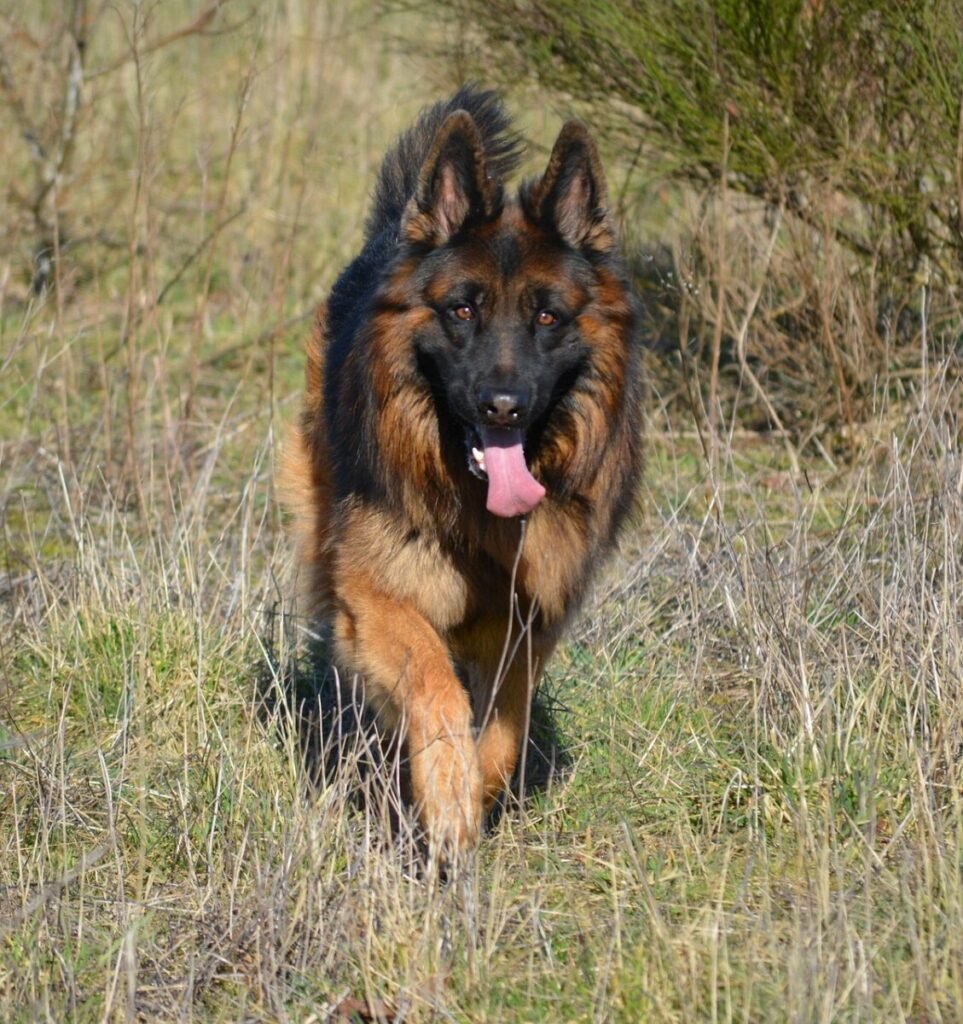
German Shepherds were developed in Germany during the late nineteenth century as herding dogs. Their role required intelligence, responsiveness, and the ability to follow commands while managing livestock. Over time, their exceptional learning ability and reliability made them suitable for police work, search and rescue, military operations, and service roles. These working roles reinforced traits such as alertness, discipline, and problem-solving ability.
Rottweilers have a longer history, tracing back to Roman drover dogs that were used to move cattle and guard supplies. Their duties required strength, endurance, and calm confidence. Modern Rottweilers still reflect these characteristics. They are typically steady, self-assured, and naturally protective of their surroundings.
Because of these different origins, German Shepherds often display higher responsiveness to structured tasks, while Rottweilers tend to be calm guardians that rely on presence and confidence.
German Shepherd vs Rottweiler Size and Physical Structure
In a German Shepherd vs Rottweiler size comparison, both breeds fall into the large-dog category, but their physical build differs in noticeable ways.
German Shepherds are generally taller, standing between 60 and 65 centimetres at the shoulder, with a lean, athletic body designed for endurance and agility. Their structure supports running, jumping, and sustained physical activity. Their posture, upright ears, and long stride give them an alert and agile appearance.
Rottweilers, by contrast, are more compact and muscular. Adult males can weigh significantly more than German Shepherds, often reaching between 45 and 60 kilograms. Their broad chest, thick neck, and dense muscle mass give them a powerful and imposing appearance. While they may not appear as agile, their strength and stability are considerable.
This difference in structure reflects their historical roles. German Shepherds were bred for endurance and responsiveness, while Rottweilers were bred for strength and guarding.
German Shepherd vs Rottweiler Temperament
A central element of any German Shepherd vs Rottweiler temperament discussion is how each breed behaves in daily life.
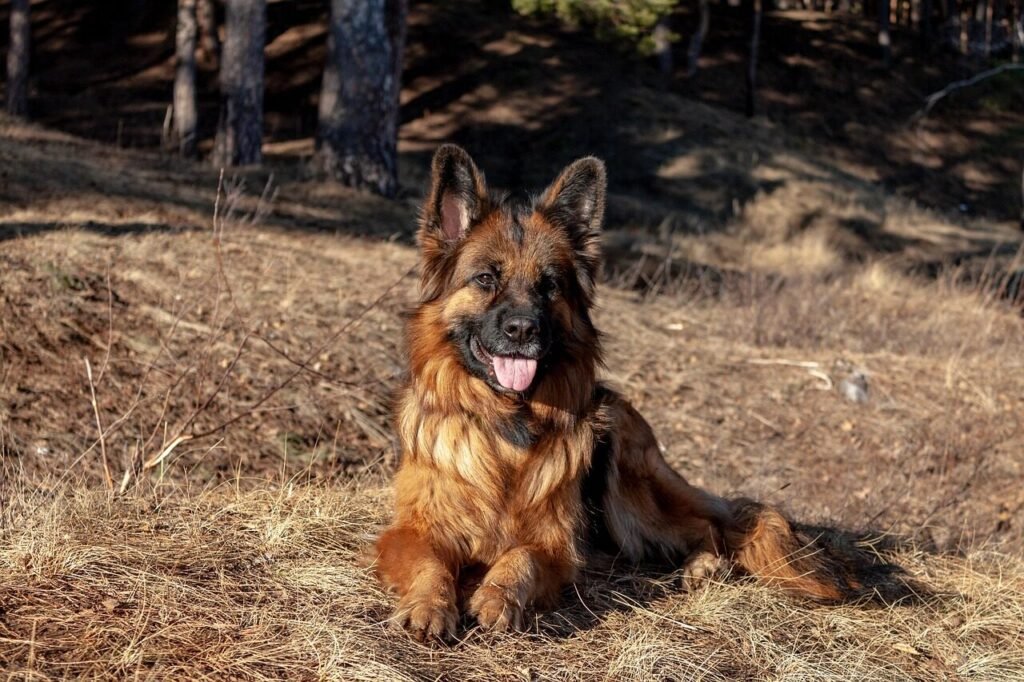
German Shepherds are known for their alertness and attentiveness. They tend to observe their environment carefully and respond quickly to changes. They often form strong bonds with their owners and may remain highly responsive to commands and body language. Their curiosity and engagement make them energetic and interactive companions, but they also require mental stimulation to remain balanced.
Rottweilers, on the other hand, are typically calm and composed. They often appear more relaxed indoors and may not react as quickly to minor environmental changes. However, their calmness should not be mistaken for passivity. When a situation genuinely requires attention, Rottweilers can respond with confidence and determination.
Both breeds benefit from early socialization, as exposure to different people, environments, and sounds helps develop stable and predictable behaviour.
Rottweiler vs German Shepherd Intelligence
In a Rottweiler vs German Shepherd intelligence comparison, both breeds are recognized as highly intelligent, but their learning styles differ.
German Shepherds are often described as analytical learners. They respond quickly to structured training, retain commands well, and excel in tasks that require precision and repetition. Their ability to learn complex commands explains why they are frequently used in professional working roles.
Rottweilers are also intelligent but may display a more independent thinking style. They learn commands effectively but sometimes require more consistent reinforcement and confident leadership. Once trained, however, they often demonstrate steady and reliable behaviour.
In practical terms, German Shepherds may learn new tasks more quickly, while Rottweilers often show calm consistency once training is established.
Rottweiler vs German Shepherd Protection Ability
Another major area of interest is Rottweiler vs German Shepherd protection ability.
German Shepherds often protect through awareness and communication. They may bark to alert their owners, remain attentive to their surroundings, and position themselves near family members in unfamiliar situations. Their agility and responsiveness make them effective working protection dogs when trained.
Rottweilers tend to rely more on presence and quiet confidence. Their size and posture alone can deter intruders in many situations. They are known for remaining calm and assessing a situation before reacting.
Both breeds are capable of providing strong deterrence, but protection in real life often involves awareness and prevention rather than confrontation.
German Shepherd or Rottweiler for Family
Many prospective owners ask whether a German Shepherd or Rottweiler for family life is the better choice.
German Shepherds can be excellent family dogs when properly trained and exercised. They often bond deeply with family members and may display protective behaviour toward children and household members. However, they require regular physical activity and mental engagement, which means families must be prepared to invest time in training and exercise.

Rottweilers can also be affectionate and gentle with their families. They often show patience and calmness indoors, making them suitable for households that prefer a quieter dog. However, their strength and confidence mean that consistent training and responsible handling are essential.
Families with active lifestyles may find German Shepherds more suitable, while families seeking a calm but protective companion may find Rottweilers appealing.
Which Is Better German Shepherd or Rottweiler
The question which is better German Shepherd or Rottweiler does not have a universal answer. Suitability depends on lifestyle, environment, and owner experience.
German Shepherds may be better suited to people who enjoy training, outdoor activities, and interactive engagement with their dogs. They thrive in environments where they can remain mentally and physically active.
Rottweilers may be better suited to owners who prefer a calm, steady dog that provides natural guarding ability without requiring constant mental stimulation.
Ultimately, the best breed is the one that matches the owner’s lifestyle and commitment level.
Rottweiler vs German Shepherd Shedding and Grooming
In a Rottweiler vs German Shepherd shedding comparison, coat type is an important consideration.
German Shepherds have a dense double coat that sheds throughout the year, with heavier shedding during seasonal changes. Regular brushing several times per week is usually necessary to manage loose hair and maintain coat health.
Rottweilers have shorter coats and shed less overall. Grooming requirements are generally simpler, and weekly brushing is often sufficient.
This difference can influence the choice for owners concerned about cleaning and maintenance.
German Shepherd vs Rottweiler vs Golden Retriever
Another common comparison is German Shepherd vs Rottweiler vs Golden Retriever.
Golden Retrievers are known for their friendly and sociable nature, often making them ideal companions for families and therapy roles. However, they typically lack the strong guarding instincts seen in German Shepherds and Rottweilers.
German Shepherds stand out for intelligence and versatility, while Rottweilers excel in calm guarding ability. Golden Retrievers are often chosen primarily for companionship and gentle temperament.
Rottweiler vs German Shepherd Who Would Win: Behaviour Reality
Searches such as Rottweiler vs German Shepherd who would win are common but reflect misconceptions about dog behaviour. Dogs should never be placed in confrontational situations, as such encounters are dangerous and unpredictable.
Animal welfare organizations emphasize that dogs are companions, not competitors. Guidance from the American Society for the Prevention of Cruelty to Animals highlights the importance of training, socialization, and supervision to ensure safe behaviour in both dogs and people.
https://www.aspca.org/pet-care/dog-care/common-dog-behavior-issues/aggression
Responsible ownership focuses on preventing aggressive situations rather than comparing breeds in conflict.
Exercise Needs and Energy Levels
German Shepherds generally require significant physical exercise and mental stimulation. Activities such as training sessions, long walks, and interactive games help maintain a balanced temperament.
Rottweilers also require regular exercise, but their energy levels may be slightly lower in terms of mental engagement. Daily walks and moderate activity are usually sufficient to maintain health and calm behaviour.
Insufficient exercise in either breed can lead to behavioural problems.
Health and Lifespan Considerations
Both breeds have similar lifespans, typically between nine and twelve years when properly cared for.
German Shepherds may be prone to hip and elbow dysplasia and certain spinal conditions. Rottweilers may also experience joint issues and heart-related conditions.
Veterinary organizations in the United States emphasize the importance of preventive care, vaccination, and regular health screening to maintain canine health.
https://www.avma.org/resources/pet-owners/petcare/dog-care
Maintaining a healthy weight and providing proper nutrition significantly improves long-term health outcomes.
Real-World Behaviour and Ownership Experience
In everyday ownership, differences between these breeds often become more apparent. German Shepherds are frequently described as highly attentive and eager to engage with their owners. They often perform best when given tasks or responsibilities.
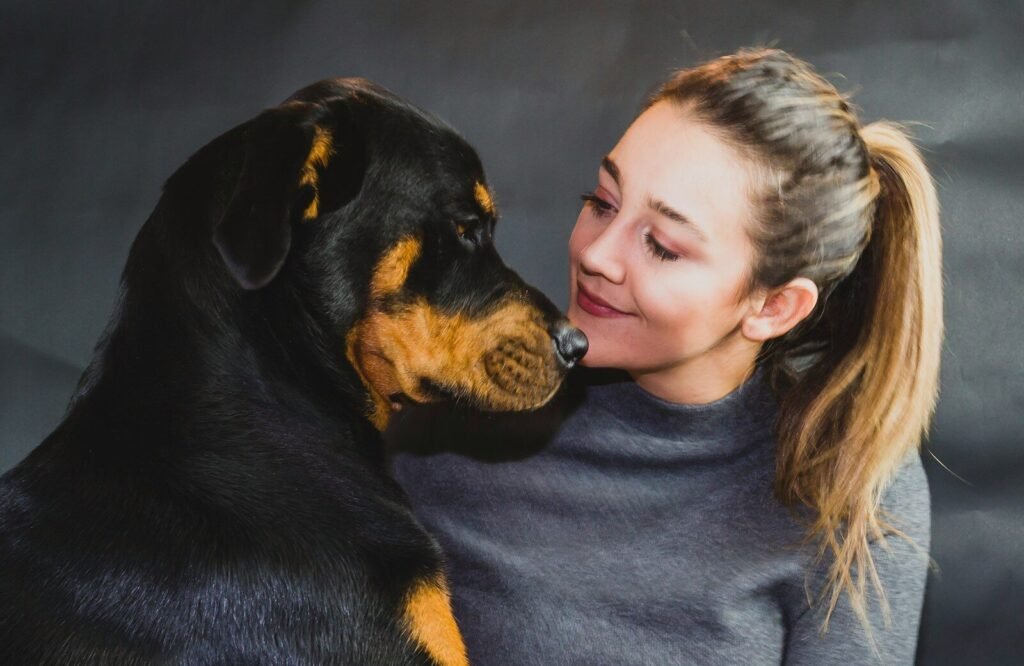
Rottweilers are often described as calm and affectionate within the home environment. Many display a relaxed demeanour indoors while remaining observant of their surroundings.
Early socialization and consistent routines play a major role in shaping behaviour for both breeds.
Living Environment and Adaptability
German Shepherds often perform best in environments where they have space and structured activity. They adapt well to suburban homes and active households.
Rottweilers also require adequate space but may be slightly less restless indoors when exercised regularly. Secure fencing and supervision are important for both breeds.
Neither breed is ideal for owners unable to provide regular exercise and training.
Conclusion
German Shepherd vs Rottweiler comparison shows that both breeds are intelligent, loyal, and capable companions, yet they differ in temperament, energy level, grooming needs, and guarding style. German Shepherds are often more energetic, responsive, and task-oriented, making them well suited for active households and structured training environments. Rottweilers are typically calmer, powerful, and steady, offering strong natural guarding instincts and affectionate family behaviour. Ultimately, the better choice depends on lifestyle, training commitment, and personal preference. With responsible ownership, proper training, and consistent care, both breeds can become devoted companions and reliable guardians.
FAQ
• Which breed is better in a German Shepherd vs Rottweiler comparison?
Neither breed is universally better. German Shepherds are often preferred for their trainability and versatility, while Rottweilers are known for calm confidence and strong guarding instincts. The better choice depends on lifestyle, experience, and training commitment.
• German Shepherd vs Rottweiler temperament: what is the main difference?
German Shepherds are generally more energetic, alert, and responsive, while Rottweilers tend to be calmer, more reserved, and steady in their behaviour.
• Rottweiler vs German Shepherd intelligence: which breed is smarter?
Both breeds are highly intelligent. German Shepherds often excel in complex training and task performance, while Rottweilers demonstrate strong problem-solving ability and consistency once trained.
• German Shepherd vs Rottweiler size: which dog is bigger?
Rottweilers are usually heavier and more muscular, while German Shepherds are slightly taller and leaner in build.
• German Shepherd or Rottweiler for family: which is better?
Both breeds can be good family dogs when properly trained and socialized. German Shepherds are often more energetic and interactive, while Rottweilers may be calmer but still very loyal and protective.
• Rottweiler vs German Shepherd shedding: which breed sheds more?
German Shepherds generally shed more because of their dense double coat, while Rottweilers have shorter coats that are easier to maintain.
• Which breed is easier to train, a German Shepherd or a Rottweiler?
German Shepherds are often easier to train for complex tasks because they respond quickly to commands. Rottweilers are also trainable but may require more consistent reinforcement and confident handling.
• Rottweiler vs German Shepherd protection ability: which is better?
Both breeds are excellent guard dogs. German Shepherds often rely on alertness and responsiveness, while Rottweilers rely more on physical presence and calm confidence.
• German Shepherd vs Rottweiler vs Golden Retriever: how do they compare?
Golden Retrievers are generally more sociable and less protective, while German Shepherds and Rottweilers are more suited for guarding and security roles.
• Rottweiler vs German Shepherd who would win in a fight?
This type of comparison is not meaningful because dogs should never be placed in confrontational situations. Behaviour, training, and environment influence outcomes, and responsible ownership focuses on prevention and safety.


