Choosing between two luxurious long-haired cat breeds can be challenging, especially when comparing persian cat vs himalayan cat. Both breeds share a similar royal appearance, calm temperament, and affectionate nature, which often confuses potential pet owners. However, despite their visual similarities, Persian and Himalayan cats differ in personality traits, grooming intensity, colour patterns, cost, and lifestyle compatibility. Understanding these differences is essential before making a long-term commitment to either breed.
Persian cats are one of the oldest and most recognised cat breeds known for their dense coat, flat face, and gentle behaviour. Himalayan cats, on the other hand, are a hybrid breed developed by crossing Persian cats with Siamese cats, resulting in a cat that combines the Persian’s body structure with Siamese-style colour points and slightly more playful behaviour. According to animal welfare guidance provided by the American Veterinary Medical Association, long-haired pedigree breeds require structured grooming, hygiene, and preventative healthcare due to coat density and breed-specific health sensitivities . This applies strongly to both Persian and Himalayan cats.
This comprehensive guide provides an in-depth comparison covering persian cat vs himalayan cat size, price, temperament, personality, care difficulty, and even comparisons like persian vs himalayan vs ragdoll and persian and himalayan cat mix price to ensure a complete, research-informed, and SEO-optimised analysis.
Persian Cat vs Himalayan Cat Size
One of the most searched comparisons is persian cat vs himalayan cat size, and physically, the two breeds are extremely similar because Himalayan cats inherit most of their body structure from Persian cats. Persian cats typically have a medium to large, cobby body with a broad chest, short legs, and a round face. Their average weight ranges between 3 to 5.5 kg depending on genetics, diet, and overall health management. Their body structure is compact, muscular, and heavy-boned, which contributes to their luxurious and plush appearance.
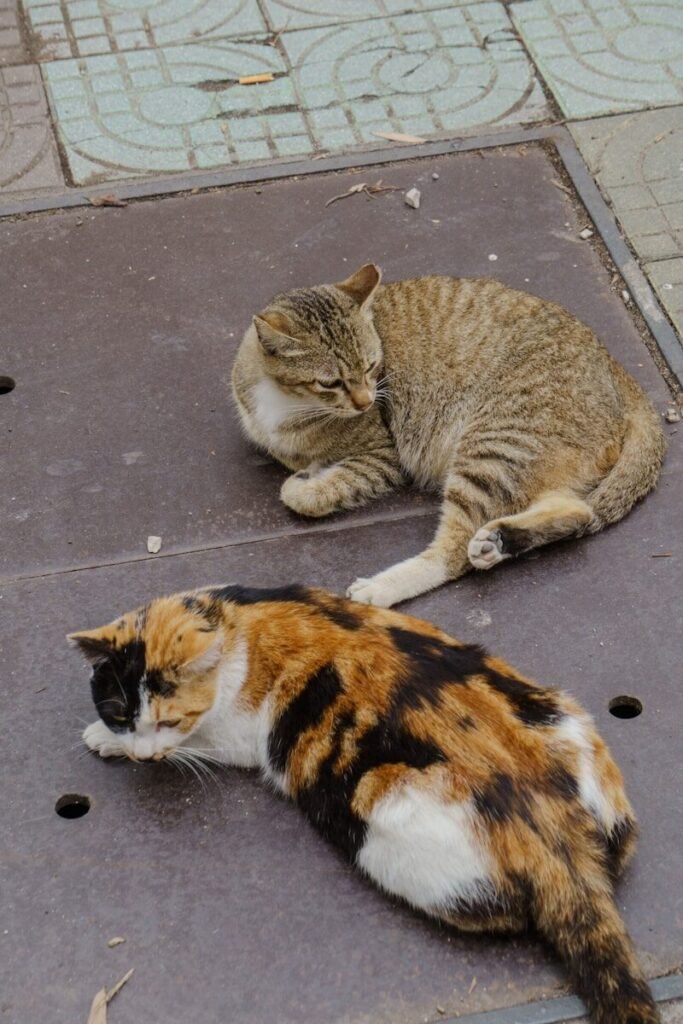
Himalayan cats share almost the same body size because they are genetically derived from Persian cats, but they can appear slightly leaner due to their colour-point coat pattern that visually refines their body outline. In reality, most Himalayan cats fall within the same weight range and have nearly identical height and body length. The difference is more aesthetic than biological, with Persians appearing fuller due to uniform coat colour while Himalayans look more sculpted because of darker points on the face, ears, tail, and paws.
Persian Cat vs Himalayan Cat Price
When analysing persian cat vs himalayan cat price, several influencing factors must be considered including breeder reputation, pedigree certification, coat quality, and regional demand. Persian cats are typically priced at a premium level due to their global popularity, lineage purity, and show-quality coat genetics. Their pricing often increases significantly if the kitten comes from a championship bloodline or reputable breeder.
Himalayan cats can be equally expensive or sometimes more costly because of the selective breeding required to achieve their distinctive colour-point coat and Persian-like facial features. Their rarity in certain regions and aesthetic uniqueness often raise their market value. Additionally, persian and himalayan cat mix price may vary widely depending on genetic traits, coat texture, and breeder ethics, but mixed variants still require the same grooming commitment and maintenance expenses as purebred cats.
Persian Cat vs Himalayan Cat Temperament
Temperament plays a decisive role when comparing persian cat vs himalayan cat temperament, especially for families, apartment residents, and first-time cat owners. Persian cats are widely known for their calm, gentle, and emotionally stable behaviour. They prefer predictable routines, quiet surroundings, and soft interactions rather than high-energy environments. Their temperament is often described as peaceful, affectionate, and low-demand in terms of physical activity.
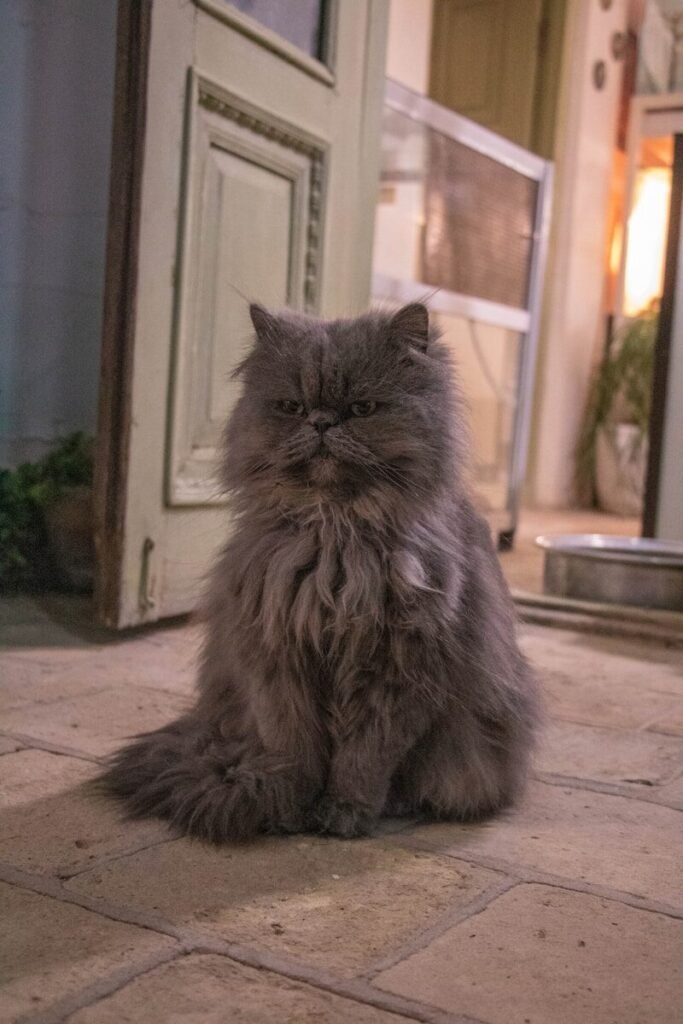
Himalayan cats, influenced by Siamese ancestry, tend to display a slightly more interactive and expressive temperament. While still affectionate and calm, they are more curious, playful, and socially engaging than Persian cats. They may seek attention more actively and enjoy interactive play sessions. According to animal welfare guidance from the ASPCA , breed temperament is shaped by both genetics and environment, which explains why Himalayan cats appear more playful yet still maintain a gentle disposition.
Persian Cat vs Himalayan Cat Personality
The comparison of persian cat vs himalayan cat personality reveals subtle behavioural differences that directly influence the ownership experience. Persian cats are characterised by a quiet, affectionate, and emotionally attached personality. They prefer lounging near their owners, observing calmly, and maintaining a relaxed indoor lifestyle. Their personality suits individuals who prefer a low-noise and peaceful companion.
In contrast, himalayan vs persian cat personality differences emerge through higher playfulness and slightly increased vocal expression. Himalayan cats are emotionally affectionate but more curious and interactive. They often engage more with toys, surroundings, and human interaction while still maintaining a calm core temperament. This balance makes them suitable for households that want a gentle yet somewhat engaging pet.
Himalayan vs Persian Cat Personality: Emotional and Social Behaviour
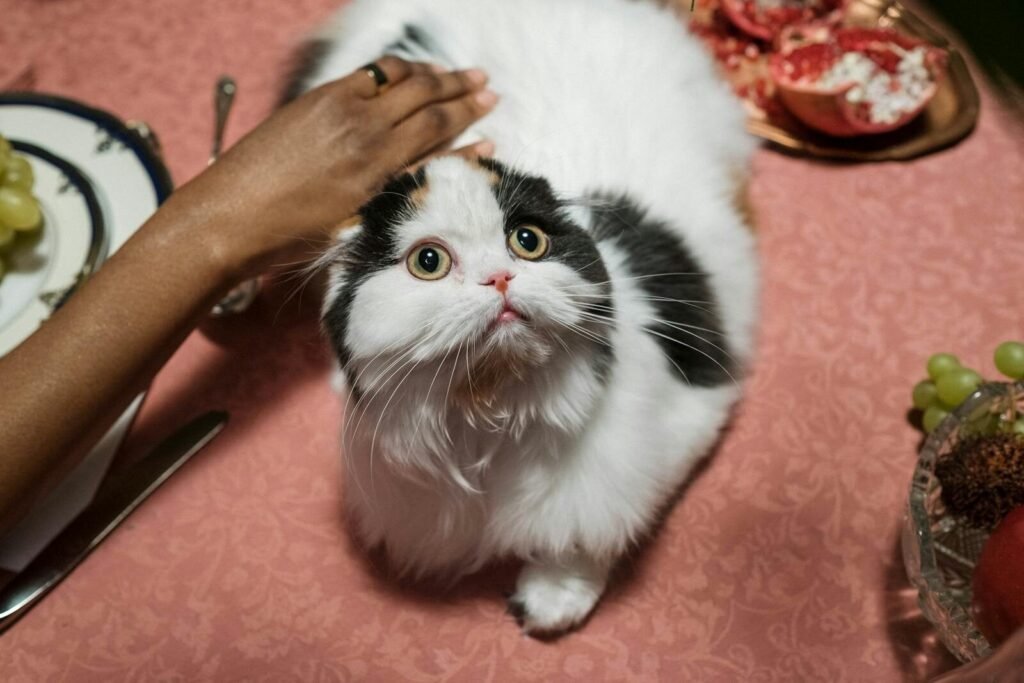
When analysing himalayan vs persian cat personality in emotional and social contexts, both breeds demonstrate strong attachment to their owners but express affection differently. Persian cats are emotionally calm and prefer silent companionship, while Himalayan cats are more socially responsive and interactive in daily routines. Persian cats enjoy quiet observation and consistent environments, whereas Himalayan cats show a balanced combination of relaxation and playful curiosity that enhances household interaction without becoming overly energetic.
Grooming and Maintenance Comparison
Both Persian and Himalayan cats require intensive grooming due to their long, dense coats that are prone to matting and tangling if neglected. Daily brushing is essential to maintain coat hygiene, prevent skin irritation, and reduce hairball formation. Veterinary pet care standards from the American Veterinary Medical Association emphasise that long-haired breeds demand consistent grooming and preventative hygiene practices to maintain overall coat and skin health.
Persian cats may require slightly more grooming attention because of their thicker and more uniform coat density, while Himalayan cats require equal brushing frequency due to similar fur length and texture. Neglecting grooming in either breed can lead to severe matting, hygiene issues, and increased veterinary expenses over time.
Persian vs Himalayan vs Ragdoll: Which Breed is Better?
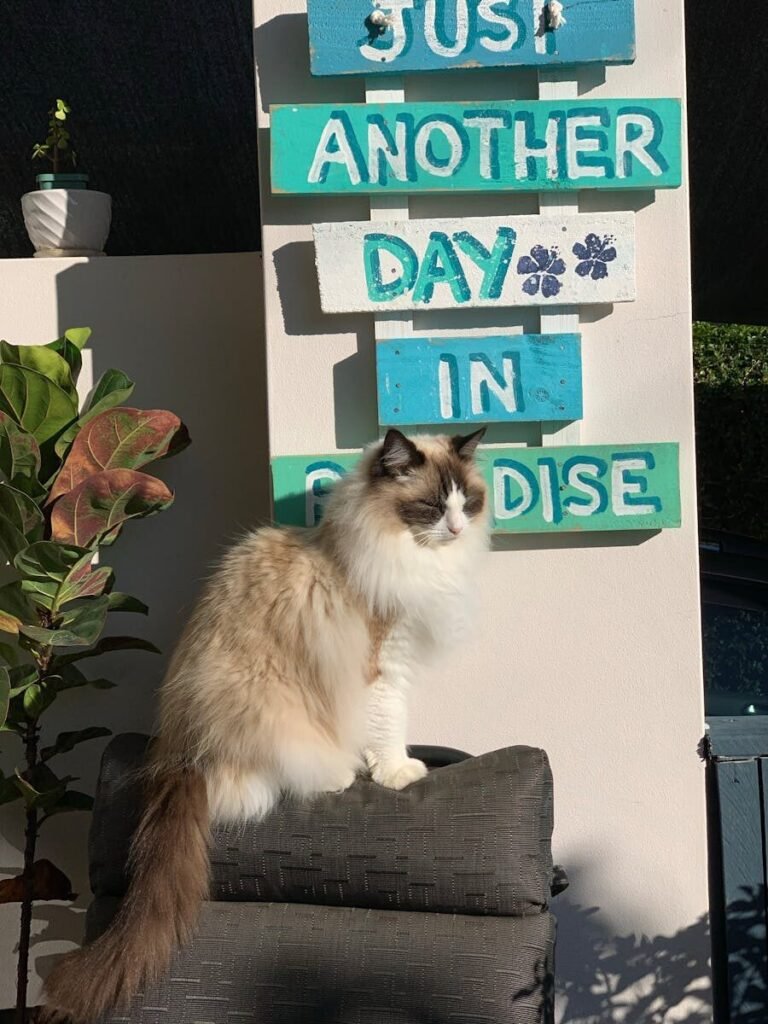
A frequent comparative search is persian vs himalayan vs ragdoll, particularly among cat enthusiasts seeking long-haired companion breeds. Persian cats are best suited for calm, quiet, and low-activity households where structured routines and peaceful environments are maintained. Himalayan cats are ideal for owners who want a combination of calm affection and moderate playfulness, offering slightly more interaction without excessive energy. Ragdoll cats, in contrast, are larger, more social, and highly affectionate with a dog-like personality that seeks constant human engagement. Their activity level and social dependency are generally higher than both Persian and Himalayan cats, making them more interactive companions for family-oriented households.
Owner Experiences and Real-Life Behaviour Observations
Real-life owner experiences consistently highlight behavioural patterns between these two breeds. Persian cats are frequently described as quieter, more relaxed, and emotionally gentle, requiring disciplined grooming but minimal behavioural management. Himalayan cats, while equally affectionate, are often reported to be more playful, curious, and expressive in daily interactions. Both breeds require high grooming commitment, thrive best in indoor environments, and form strong emotional bonds with their owners, reinforcing their suitability as companion pets rather than outdoor explorers.
Health Issues and Veterinary Care Needs
Both breeds share similar health risks due to their brachycephalic facial structure, including tear staining, respiratory sensitivity, and dental alignment concerns. Preventative healthcare, routine veterinary checkups, and early screenings are strongly recommended by animal welfare organisations like the ASPCA to ensure long-term feline wellbeing . Additionally, hereditary conditions such as polycystic kidney disease may affect both breeds, making regular health monitoring and responsible breeding selection essential for long-term care management.
Final Verdict: Persian Cat vs Himalayan Cat
In conclusion, the comparison of persian cat vs himalayan cat shows that both breeds are luxurious, affectionate, and high-maintenance companions, but they differ in personality expression, activity level, and visual traits. Persian cats are calmer, quieter, and more relaxed, making them ideal for peaceful households that prioritise stability and routine. Himalayan cats, while still gentle and affectionate, are slightly more playful, interactive, and expressive due to their Siamese lineage. From a maintenance perspective, both breeds require intensive grooming, structured hygiene care, and consistent veterinary monitoring. Understanding the detailed differences in persian cat vs himalayan cat helps potential owners make a responsible, informed, and lifestyle-compatible adoption decision.
FAQs
- What is the main difference between Persian cat and Himalayan cat?
The primary difference lies in coat pattern, personality traits, and genetic background. Persian cats have a uniform long coat and extremely calm temperament, whereas Himalayan cats display colour-point patterns inherited from Siamese ancestry and tend to be slightly more playful and interactive while still maintaining a gentle nature. - Which is more expensive: Persian or Himalayan cat?
Himalayan cats are often equally expensive or sometimes more costly than Persian cats because of selective breeding, rare colour-point genetics, and higher demand in premium breeder markets, although prices can vary depending on lineage and breeder reputation. - Are Himalayan cats more active than Persian cats?
Yes, Himalayan cats are generally more active and curious compared to Persian cats, as their Siamese genetic influence contributes to moderate playfulness and increased engagement in interactive activities. - Do both breeds require daily grooming?
Both Persian and Himalayan cats require consistent daily grooming due to their dense long coats, which are highly prone to tangling, matting, and hygiene complications if not brushed regularly and maintained with proper coat care routines. - Which breed is better for apartments?
Both breeds adapt exceptionally well to apartment living because of their calm temperament and preference for indoor environments, although Himalayan cats may engage slightly more in play within limited indoor spaces. - Are Persian and Himalayan cats aggressive?
No, both breeds are widely recognised for their gentle, affectionate, and non-aggressive temperament, making them suitable companions for families, seniors, and peaceful households when properly socialised. - Which cat sheds more: Persian or Himalayan?
Both breeds shed significantly due to their long fur, but Persian cats may appear to shed more because of their thicker and fuller coat density compared to Himalayan cats. - Is Himalayan cat a type of Persian cat?
Himalayan cats are not purely Persian cats but are a hybrid breed created by crossing Persian and Siamese cats, resulting in a Persian-like body with Siamese-style colour points. - Which breed is better for families?
Himalayan cats may be slightly better for families seeking interactive companionship, while Persian cats are ideal for quieter households that prefer a calm and low-activity pet. - Do Persian and Himalayan cats need special healthcare?
Yes, both breeds require specialised healthcare including regular eye cleaning, grooming, dental monitoring, and routine veterinary checkups due to their facial structure and breed-specific health sensitivities.


