Can a German Shepherd protect you is one of the most common questions asked by people considering this breed for security and companionship. German Shepherds are known worldwide for their intelligence, loyalty, and strong working ability. They serve in police and military units, assist in search and rescue operations, and are widely trusted as guard dogs. However, many owners want to understand whether a German Shepherd will protect you naturally, whether training is necessary, and how to recognize protective behaviour in everyday situations.
To answer these questions properly, it is important to look at the breed’s history, temperament, bonding patterns, and environmental influences. Protection is not simply about strength or aggression. In most cases, it is about awareness, loyalty, and controlled behaviour.
Do German Shepherds Naturally Protect Their Owners
A question that frequently appears in searches is whether German Shepherds naturally protect their owners. The answer is generally yes, although the level of protection varies from one dog to another. German Shepherds were originally developed in Germany in the late nineteenth century as herding and guarding dogs. Their work required intelligence, attentiveness, and responsiveness to human direction. Over time, breeding programs reinforced traits such as courage, loyalty, and confidence.
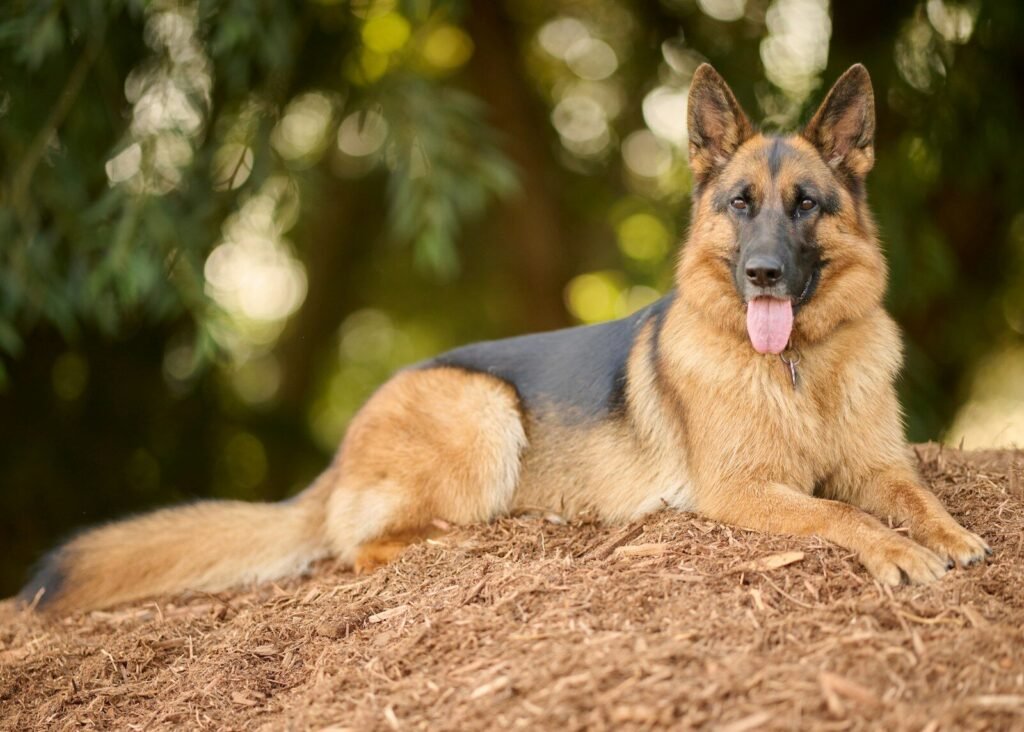
Because of this background, many German Shepherds instinctively become alert when unfamiliar people approach or when unusual sounds occur. They often observe strangers carefully and remain attentive to their surroundings. This behaviour does not usually involve aggression but rather vigilance, which is a healthy and desirable form of protective instinct.
Will a German Shepherd Protect You Without Training
Another common question is whether a German Shepherd will protect you without training. Many dogs do show basic protective behaviour even without formal instruction, especially when they have developed a strong bond with their owner. A dog that feels connected to its family may become more attentive in unfamiliar situations, remain physically close to its owner, or bark to alert others when something unusual occurs.
However, protection without training has limitations. An untrained dog may misinterpret harmless situations or feel uncertain in stressful environments. Training helps refine natural instincts into reliable and controlled responses. It teaches the dog to remain calm, respond to commands, and distinguish between normal social interactions and genuine threats.
Will a German Shepherd Protect Its Owner and Family
People often ask whether a German Shepherd will protect its owner or its family. German Shepherds tend to form strong attachments to the people they live with. When raised as part of the household, they usually recognize all family members as part of their group and may display protective behaviour toward them.
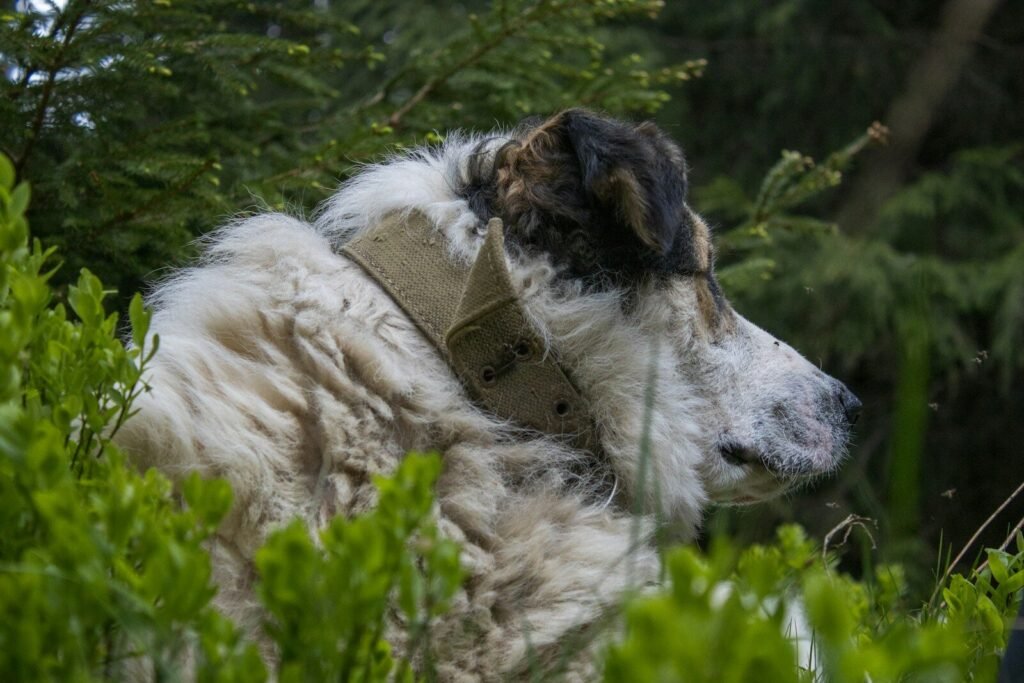
In a typical home environment, protection often takes the form of alertness rather than confrontation. A German Shepherd may notice unfamiliar movement outside the house, react to unexpected sounds, or remain attentive when strangers enter the home. These behaviours serve as deterrents and provide early warning, which is often the most valuable form of protection.
Is a German Shepherd a Guard Dog
Many prospective owners also want to know whether a German Shepherd is a guard dog. The breed is widely considered one of the best natural guard dogs. A guard dog watches its surroundings, alerts its owner, and discourages intruders through its presence. This is different from a highly trained protection dog, which undergoes specialized instruction to perform controlled defensive actions under command. Most family German Shepherds function effectively as guard dogs without advanced training, simply because of their awareness and confidence.
How Do I Know If My German Shepherd Will Protect Me
Owners sometimes wonder how to tell if their German Shepherd will protect them. The answer usually becomes clear by observing everyday behaviour. A protective dog tends to be attentive to its environment and aware of changes around it. It may stay physically close to its owner in unfamiliar places and show curiosity rather than fear when encountering new situations. Confidence is an important indicator, because a fearful dog is less likely to behave predictably in stressful circumstances.
Over time, these patterns of behaviour provide a clearer understanding of the dog’s temperament and instincts.
How to Tell If Your German Shepherd Is Protective
Understanding how to tell if your German Shepherd is protective involves paying attention to subtle behavioural cues. Protective dogs often observe entrances, notice unfamiliar sounds quickly, and maintain calm awareness rather than reacting impulsively. They may position themselves near their owner when strangers are present or remain watchful in new environments. These behaviours reflect awareness and confidence rather than aggression, which is a sign of a stable temperament.
Can You Train a German Shepherd to Protect You
Another important question is whether you can train a German Shepherd to protect you. German Shepherds are among the most trainable breeds due to their intelligence and eagerness to work with humans. Training usually begins with basic obedience, which establishes communication and control. Socialization follows, helping the dog become comfortable in different environments and around different people. Advanced protection training, when needed, is usually conducted under professional supervision to ensure that the dog remains calm, controlled, and reliable.
Training does not create the protective instinct but shapes it into behaviour that is safe and predictable.
Will a Female German Shepherd Protect Me
Some people believe that only male dogs are suitable for protection and ask whether a female German Shepherd will protect them. In reality, both males and females can be effective protectors. While males are sometimes larger and more imposing, females are often highly attentive and responsive. Individual temperament, bonding, and training have a far greater influence on protective behaviour than gender.
Shepherd Protecting Behaviour and Intelligence
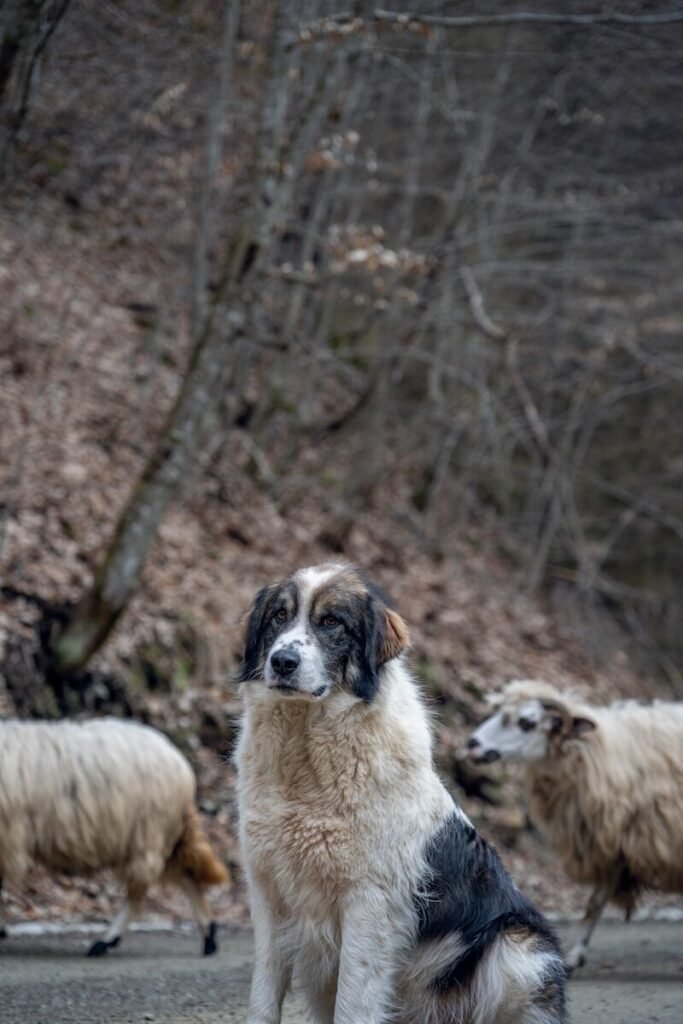
Shepherd protecting behaviour is closely related to intelligence. German Shepherds are known for their ability to learn commands quickly, interpret human body language, and adapt to changing situations. This intelligence allows them to assess circumstances rather than reacting impulsively. A dog that can interpret its environment accurately is far more reliable as a companion and guardian.
Can a German Shepherd Protect You from a Pitbull
Some people search whether a German Shepherd can protect you from a pitbull. While German Shepherds are strong dogs, real-life confrontations between dogs are unpredictable and dangerous. Relying on one dog to fight another is unsafe and should never be considered a protection strategy. Prevention remains the safest approach. Responsible handling, awareness of surroundings, and avoiding high-risk encounters are far more effective ways to ensure safety.
Is a German Shepherd Good for a Family
Another important consideration is whether a German Shepherd is good for a family. When properly socialized and trained, German Shepherds can be loyal and affectionate companions. They often develop strong bonds with children and remain attentive to household members. However, they are energetic dogs that require regular exercise, mental stimulation, and consistent training. Families who are prepared to meet these needs often find German Shepherds to be deeply devoted and reliable companions.
Temperament, Exercise, and Daily Care
German Shepherds are active working dogs that require both physical and mental activity. Regular exercise helps maintain physical health and reduces behavioural problems. Activities such as walking, training exercises, and interactive play contribute to a balanced temperament. Mental engagement is particularly important because intelligent dogs can become restless if they are not stimulated.
Grooming is also an important part of care. German Shepherds have a double coat that sheds regularly, and brushing helps maintain coat health and reduce loose hair. Routine veterinary visits, balanced nutrition, and a stable environment further support long-term health.
Emotional Bond and Protective Instinct
A strong emotional bond between dog and owner is one of the most significant factors influencing protective behaviour. German Shepherds are sensitive to human tone and body language and often respond to their owner’s emotional state. Calm, confident handling helps develop a stable and confident dog. A dog that feels secure and connected to its owner is more likely to display reliable protective behaviour.
Responsibility and Long Term Commitment
Owning a German Shepherd involves long-term responsibility. These dogs typically live between nine and thirteen years and require consistent care throughout their lives. Responsible ownership includes training, socialization, proper housing, and regular health care. Ensuring that the dog remains mentally and physically healthy helps maintain balanced behaviour and reduces the risk of anxiety or aggression.
Conclusion
Can a German Shepherd protect you depends on the dog’s temperament, bonding, and training. Most German Shepherds naturally display alertness, loyalty, and a willingness to protect their owners and families. While many will show basic protective behaviour even without formal training, structured training and responsible ownership greatly improve reliability and control. With proper care, socialization, and guidance, a German Shepherd can be both a devoted companion and a dependable guardian, making this breed one of the most trusted choices for families and individuals seeking both companionship and security.
FAQ
• Can a German Shepherd protect you without training?
Yes, many German Shepherds naturally show alertness and protective behaviour, but training helps make their responses more controlled and reliable.
• Do German Shepherds naturally protect their owners?
German Shepherds often develop protective instincts because of their breeding history, strong loyalty, and territorial awareness.
• Will a German Shepherd protect its owner in dangerous situations?
Many will react by barking, staying close, or acting as a deterrent, especially if they have a strong bond with their owner.
• Will a German Shepherd protect its family members as well?
German Shepherds usually recognize household members as part of their group and may display protective behaviour toward all of them.
• Can you train a German Shepherd to protect you?
Yes, German Shepherds are highly trainable and can be taught controlled protection skills through obedience and professional training.
• How do I know if my German Shepherd will protect me?
Signs include alertness to surroundings, confidence, loyalty, and responsiveness to commands.
• Will a female German Shepherd protect me as well as a male?
Yes, females can be equally protective. Temperament, training, and bonding matter more than gender.
• Is a German Shepherd a good guard dog for a home?
Yes, German Shepherds are considered one of the best guard dog breeds because of their intelligence, awareness, and strong presence.
• Is a German Shepherd good for a family with children?
When properly socialized and trained, German Shepherds can be loyal, gentle, and protective companions for families.
• Can a German Shepherd protect you from another aggressive dog?
While they are strong dogs, relying on one dog to fight another is unsafe. Prevention and responsible handling are always the safest approach.
• Would a German Shepherd protect me from creeps?
Yes, a German Shepherd would often react protectively if you were approached by someone behaving in a threatening or suspicious way, but it is important to understand what that protection usually looks like.
How a German Shepherd Typically Protects
Most German Shepherds protect by:
- Becoming alert and watchful
- Standing close to their owner
- Barking or growling to warn the person
- Acting as a strong visual deterrent
In many real situations, the presence of a large, confident dog is enough to discourage unwanted attention. People who intend to harass or approach aggressively are often deterred simply by the dog’s size and alert behaviour.
Natural Instinct vs Training
Even without formal protection training, many German Shepherds have strong territorial awareness and loyalty. However, training improves:
- Obedience and control
- Confidence in unfamiliar situations
- Ability to respond appropriately rather than overreact
A trained dog is calmer and more reliable.
Important Reality to Keep in Mind
A dog should be viewed as:
- An early warning system
- A deterrent
- A companion that increases personal safety
But not as a guaranteed physical defense. Situational awareness, safe environments, and personal precautions are still important.