Many prospective dog owners wonder, can golden retriever live in apartment with balcony and still thrive? Golden Retrievers are traditionally associated with spacious backyards, open parks, and suburban homes. However, modern living increasingly involves apartments and townhouses, leading to important questions about adaptability. The short answer is yes, a Golden Retriever can live in an apartment with a balcony, but only under specific conditions. Their success depends far more on lifestyle, routine, and responsible management than on square footage alone.
Golden Retrievers are intelligent, social, and energetic sporting dogs originally bred for retrieving waterfowl over long distances. According to the American Kennel Club, they are active, loyal, and people-oriented companions who require regular exercise and mental stimulation to remain emotionally balanced . Apartment living does not automatically disqualify this breed, but it does demand a structured commitment from the owner.
In this comprehensive guide, we will explore whether Golden Retrievers can adapt to apartment environments, how balconies factor into their wellbeing, the differences between puppies and adults, comparisons with other breeds, and how to create a safe and enriching space.
Golden Retriever in Apartment: Understanding the Reality
Living in an apartment with a Golden Retriever is entirely possible, but it requires intentional planning. Many people mistakenly assume that large dogs cannot adapt to smaller spaces. In reality, dogs do not measure happiness by the size of their home. They measure it by the quality of engagement, exercise, and companionship they receive.

Golden Retrievers are moderately adaptable. They are not naturally destructive or excessively territorial when their needs are met. However, without proper outlets for their energy, they may develop behaviours such as chewing, excessive barking, pacing, or hyperactivity. These behaviours are not caused by apartment walls but by unmet stimulation needs.
Apartment living changes how exercise is delivered. Instead of backyard freedom, owners must commit to structured outdoor walks, park visits, and active play sessions. A Golden Retriever living in an apartment requires at least one to two hours of daily physical activity combined with mental stimulation.
Noise sensitivity must also be considered. Apartment environments involve elevators, neighbours, hallway sounds, and shared walls. Proper socialisation from puppyhood reduces anxiety toward these stimuli.
Ultimately, the question is not whether a Golden Retriever can live in an apartment, but whether the owner can provide sufficient physical, mental, and emotional fulfilment within that setting.
Can Golden Retriever Live in a 1 Bed Room Apartment with a Balcony?
When evaluating can golden retriever live in a 1 bed room apartment with balcony, it is essential to understand what a balcony realistically offers and what it does not. A balcony is not a replacement for outdoor exercise, nor is it a substitute for regular walks, social exposure, or active play. Instead, it functions as a supplemental extension of living space that can provide fresh air, light stimulation, and brief relaxation opportunities when used responsibly.
Golden Retrievers are energetic sporting dogs originally bred for retrieving game across fields and water. Their genetic makeup inclines them toward movement, exploration, and engagement. A balcony does not meet these physical or psychological needs. While it may offer environmental enrichment such as observing passing birds or feeling outdoor breezes, it does not provide the structured exercise required to maintain muscular health and mental balance.
Safety is the most critical consideration. Balconies must be securely enclosed with strong railings and protective mesh to prevent falls. Even calm dogs can react unpredictably to sudden stimuli such as birds, loud noises, or other animals. Supervision is essential whenever a dog accesses a balcony. Additionally, balconies can become extremely hot during summer months, especially in high-rise buildings where concrete absorbs and radiates heat. Shade, ventilation, and constant access to fresh water are mandatory.
Importantly, balcony access does not eliminate the necessity of daily walks. Golden Retrievers require active movement that includes sniffing, exploring, socialising, and structured exercise. A balcony may offer a relaxing space for brief supervised downtime, but it cannot replace engagement with the broader environment.
Therefore, yes, a Golden Retriever can live in an apartment with a balcony, provided that the balcony is used responsibly and never as a primary activity area. Success depends entirely on how well the owner compensates for limited ground space through consistent routine and structured activity.
Can You Have Golden Retrievers in Tiny Apartments?
Many people assume that large breeds cannot adapt to apartment living, but this belief oversimplifies canine behaviour. The question is not solely about size; it is about energy management, stimulation, and owner commitment. Golden Retrievers can successfully live in tiny apartments when their daily needs are fully met.

Golden Retrievers are social and thrive when included in their family’s daily life. They are not independent backyard dogs content with isolation. In an apartment, their proximity to owners can actually strengthen bonding. However, apartment living demands structured exercise. Without a backyard, owners must intentionally provide at least one to two hours of daily physical activity, which may include brisk walks, jogging, fetch sessions at parks, or swimming if accessible.
Work schedules significantly influence apartment success. Owners who are absent for long hours without arranging midday exercise may encounter behavioural challenges such as chewing, barking, or anxiety. Hiring a dog walker, enrolling in dog daycare, or working flexible hours can dramatically improve outcomes.
Training becomes especially important in shared buildings. Teaching impulse control, quiet behaviour, and leash manners reduces neighbour disturbances. Early socialisation helps Golden Retrievers adapt to hallway sounds, elevators, and communal spaces.
Apartment living can be enriching when structure replaces yard access. Mental stimulation through obedience training, scent work, and interactive toys prevents boredom.
Ultimately, Golden Retrievers can live happily in apartments if their owners prioritise time, engagement, and consistent structure. The environment matters less than the lifestyle provided within it.
Can You Have a Golden Retriever in a Townhouse?
Townhouses often provide slightly more square footage and sometimes small private outdoor spaces, but the fundamental needs of a Golden Retriever remain unchanged. Simply having stairs or a small patio does not eliminate the requirement for daily structured exercise.
Townhouses may offer advantages such as direct access to outdoor areas, reducing the need for elevators or long hallway walks. However, small fenced courtyards do not replace active engagement. Golden Retrievers require purposeful movement that challenges their endurance and intelligence.
Stairs within a townhouse can contribute to physical conditioning, but they should not be relied upon as primary exercise. In fact, excessive stair use in young puppies can stress developing joints. Balanced activity remains essential.
Noise considerations also apply. Shared walls in townhouses mean barking or hyperactivity can affect neighbours. Consistent training and early socialisation reduce excessive vocalisation.
Golden Retrievers adapt well to townhouse environments when owners provide structured daily walks, mental stimulation, and companionship. The additional space may enhance comfort, but it does not reduce the responsibility of fulfilling breed-specific needs.
Golden Retriever Apartment Life: Key Adjustments
Apartment living requires thoughtful adaptation of routine. The absence of a backyard means exercise must be scheduled intentionally rather than occurring spontaneously.
Morning walks should be purposeful, allowing time for sniffing and exploration rather than rushed elimination breaks. Midday activity, whether provided by the owner or a hired walker, prevents energy accumulation. Evening engagement may include park visits, structured training sessions, or interactive games.
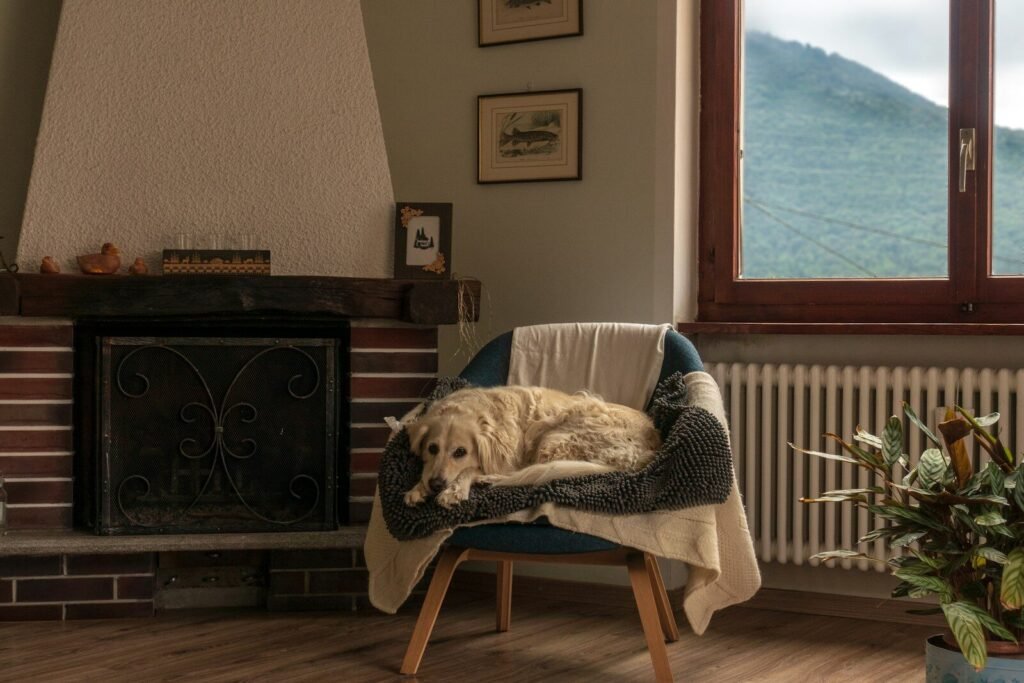
Mental stimulation is particularly important indoors. Golden Retrievers are intelligent problem-solvers. Puzzle feeders, scent detection games, obedience drills, and hide-and-seek activities engage cognitive pathways that reduce restlessness.
Designating a comfortable resting area enhances security. Golden Retrievers enjoy proximity to family members, so placing their bed in a visible but low-traffic location promotes relaxation.
Grooming becomes more noticeable in smaller spaces. Regular brushing minimises shedding accumulation and maintains coat health. Vacuuming frequency often increases in apartments with Golden Retrievers.
Apartment life works when owners consciously replace passive yard time with structured activity. Consistency transforms potential limitations into manageable routines.
Golden Retriever Puppies in an Apartment
Raising Golden Retriever puppies in apartments requires heightened patience and organisation. Puppies need frequent toilet breaks, often every two to three hours during early months. Apartment owners must commit to repeated outdoor trips via stairs or elevators.
Socialisation is equally critical. Urban environments offer valuable exposure opportunities, but gradual introduction prevents overwhelming the puppy. Elevator sounds, hallway echoes, traffic noise, and new people must be experienced positively.
Puppies experience bursts of energy known as zoomies. Confined spaces amplify this energy if not managed properly. Structured play sessions combined with mental exercises prevent hyperactivity.
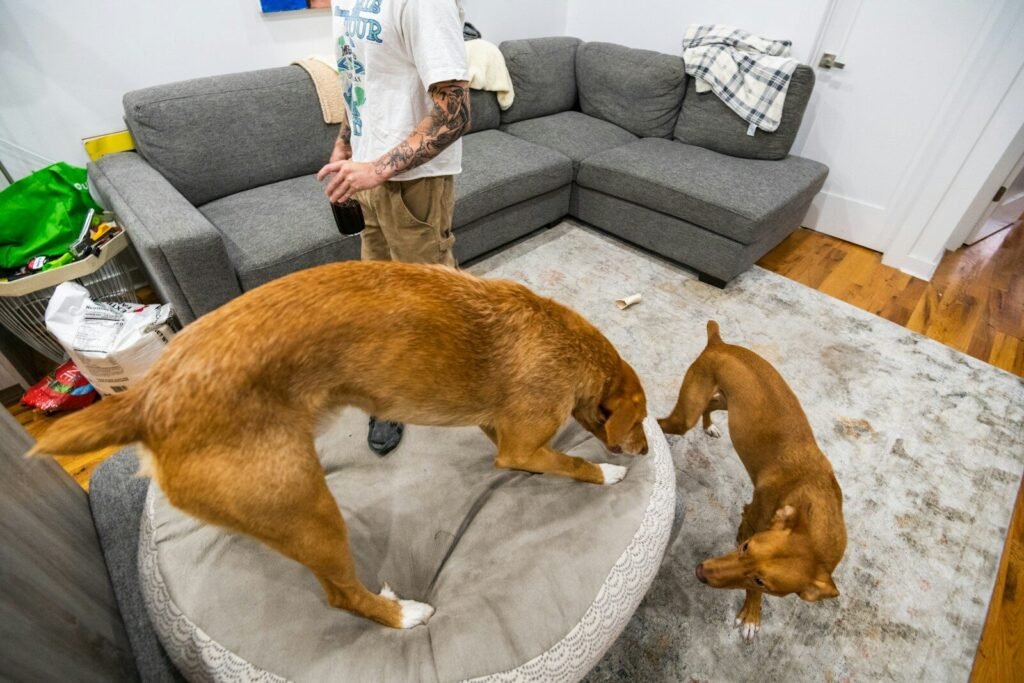
House training consistency is vital. Apartment accidents can feel more disruptive than in houses with yards. Clear scheduling and immediate reinforcement build reliability.
With dedication, Golden Retriever puppies adapt well to apartment environments. Early training lays the foundation for calm adult behaviour.
Mini Golden Retriever and Apartment Suitability
The Mini Golden Retriever, typically a cross between Golden Retriever and smaller breeds such as Poodle or Cocker Spaniel, may appear more apartment-friendly due to reduced size. However, size alone does not determine suitability.
Energy level and temperament vary widely depending on genetic influence. Some mini variants maintain high activity levels similar to standard Golden Retrievers. Others inherit calmer traits from smaller companion breeds.
Prospective owners should evaluate energy disposition rather than focusing solely on height or weight. A smaller dog with high stamina may require equal exercise commitment as a larger one.
Apartment suitability depends more on lifestyle compatibility than breed variation.
Are Labrador Retrievers Good Apartment Dogs?
Labrador Retrievers share similar energy profiles with Golden Retrievers. Both breeds are athletic, social, and intelligent. Apartment suitability depends on owner engagement rather than breed alone.
Labradors may display slightly higher food motivation and sometimes more intense energy bursts. Without structured outlets, both breeds may develop behavioural issues in confined spaces.
The comparison highlights a broader truth: high-energy sporting breeds can live in apartments when exercise commitment is strong.
Can Golden Retriever Sleep Outside
Golden Retrievers are companion-oriented dogs. They are not designed for independent outdoor living. Sleeping outside on a balcony exposes them to temperature extremes, safety risks, and social isolation.
Even in mild climates, overnight outdoor sleeping reduces bonding and may increase anxiety. Golden Retrievers thrive when resting indoors near their family.
Balcony sleeping is not recommended as a regular practice.
Best Apartment Dogs Compared to Golden Retrievers
When discussing the best apartment dogs compared to Golden Retrievers, the conversation usually centres around energy levels, adaptability, noise tolerance, and exercise requirements rather than simply size. Many breeds commonly recommended for apartment living, such as French Bulldogs, Pugs, and Cavalier King Charles Spaniels, are chosen because of their relatively low to moderate activity needs and generally calm indoor demeanour. These companion breeds were historically developed to prioritise human companionship over endurance-based working roles, which makes them more naturally suited to confined living spaces.
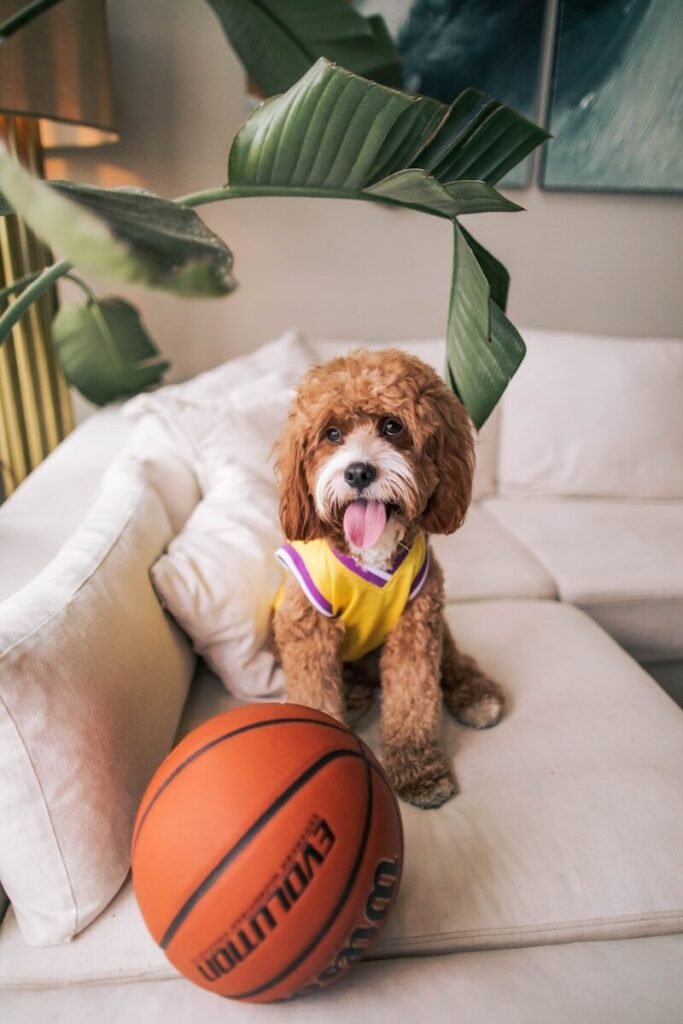
French Bulldogs, for example, are known for their relaxed temperament and minimal exercise demands. Short daily walks and indoor play sessions are often sufficient to meet their physical needs. Pugs display similar adaptability; they are affectionate, social, and typically content with moderate activity levels. Cavalier King Charles Spaniels combine gentle energy with strong attachment to their owners, often thriving in smaller homes where companionship is constant. These breeds generally tolerate apartment sounds and confined spaces without requiring extensive outdoor engagement.
In contrast, Golden Retrievers were originally bred as sporting dogs designed for retrieving game across large distances and varied terrain. Their genetic predisposition inclines them toward sustained physical movement and cognitive stimulation. A Golden Retriever’s daily requirements extend beyond a short walk. They benefit from structured exercise such as brisk walking, jogging, swimming, or extended fetch sessions. Additionally, their intelligence demands mental enrichment through obedience training, scent work, and interactive play.
This fundamental difference in energy output is the primary distinction between Golden Retrievers and many breeds commonly categorised as ideal for apartments. However, suitability is not determined by breed label alone. An owner who is highly active, committed to outdoor exercise, and consistent with mental engagement can successfully raise a Golden Retriever in an apartment environment. Conversely, even a lower-energy breed may develop behavioural issues if neglected or under-stimulated.
Ultimately, apartment compatibility depends on alignment between the dog’s needs and the owner’s lifestyle. While some breeds require less daily structure, Golden Retrievers can adapt to apartment living when provided with purposeful activity, consistent routine, and close companionship. The environment itself is secondary to the dedication and engagement of the owner.
FAQs
Can a Golden Retriever be in an apartment?
Yes, provided the owner commits to structured daily exercise, consistent training, and mental stimulation. Space alone does not determine success.
Can a dog live on a balcony?
No dog should live primarily on a balcony. Balconies are supplemental spaces and must be supervised and secured.
How to make an apartment balcony dog friendly?
Install protective mesh, ensure sturdy railings, provide shade, fresh water, and supervise access at all times.
What dog breed is best for apartment living?
Lower-energy breeds adapt more easily, but any breed, including Golden Retrievers, can thrive in apartments with responsible ownership.
Conclusion
So, can golden retriever live in apartment with balcony? Yes, but only when balcony access is supplemental and daily exercise remains structured and consistent. Golden Retrievers require time, engagement, and dedication. Apartment living does not prevent happiness; lack of stimulation does. When owners prioritise structured activity, safe indoor rest, and supervised balcony use, Golden Retrievers can adapt successfully to apartment environments.


