Golden Retrievers are widely known for their friendly temperament, emotional sensitivity, and strong loyalty. Because of their generally stable nature, sudden behavioural shifts can feel alarming to owners. If you are wondering when does golden retriever sudden behaviour change, the answer is not always simple. Behaviour rarely changes without cause. In most cases, what appears sudden is actually the result of developmental stages, environmental shifts, hormonal changes, stress, or underlying medical factors.
Golden Retrievers move through several predictable behavioural phases from puppyhood to adulthood. However, the timing and intensity of these transitions vary by individual dog, sex, environment, and lifestyle. Understanding these stages allows you to respond with clarity rather than panic.
According to the American Kennel Club, Golden Retrievers mature slowly compared to many other breeds, often retaining puppy-like traits well into early adulthood . This extended developmental window explains why behavioural changes may occur at multiple stages between six months and three years.
In this comprehensive guide, we will explore developmental milestones, male and female differences, age-specific behaviour shifts, medical causes, emotional triggers, and warning signs that require veterinary attention.
Understanding Normal Developmental Behaviour Changes
Before assuming something is wrong, it is important to recognise that behaviour naturally evolves as dogs mature. Golden Retrievers pass through several key developmental periods.
Between eight and sixteen weeks, puppies are in a critical socialisation window. They are curious, adaptable, and eager to explore. After this stage, mild fear responses may begin appearing around four to six months.

Adolescence typically begins around six to eight months and may extend until eighteen to twenty-four months. This is often when owners first notice what feels like sudden behaviour change. Previously obedient puppies may begin ignoring commands, testing boundaries, or displaying increased independence.
This phase is not regression in intelligence. It is hormonal and neurological development. The brain undergoes structural changes similar to human adolescence. Impulse control fluctuates, and emotional responses may intensify.
By two to three years, most Golden Retrievers gradually stabilise as full adulthood is reached. However, some behavioural adjustments can continue beyond that depending on lifestyle and training consistency.
Understanding these normal developmental transitions is crucial when evaluating when does golden retriever sudden behaviour change.
When Does Golden Retriever Sudden Behaviour Change Male
Male Golden Retrievers commonly experience noticeable behavioural shifts during adolescence, largely influenced by hormonal development. Testosterone production increases significantly between six and twelve months of age, and this hormonal surge often coincides with what owners perceive as a sudden change in temperament. A previously compliant and affectionate puppy may become more distracted during walks, intensely interested in scents, or preoccupied with other dogs, particularly females. These behaviours are not random; they are biological signals of sexual maturity and social awareness expanding.
Territorial marking frequently emerges during this stage. An intact male may begin lifting his leg more frequently, marking new areas during walks, or showing heightened sensitivity to the scent of other dogs. This is instinctual behaviour rather than defiance. Alongside marking, some males exhibit increased protectiveness toward their home or primary caregiver. This may appear as alert barking, boundary testing, or mild assertiveness in unfamiliar environments.
Energy levels can also spike dramatically. Many owners describe sudden bursts of hyperactivity or impulsivity around one year of age. Mounting behaviour, even when not sexually motivated, may increase as an expression of excitement or overstimulation. These behaviours can feel abrupt but are typical of adolescent neurological development.
Neutering may reduce hormone-driven behaviours such as marking or mounting, but it does not instantly create maturity. Hormonal effects may persist for weeks or months after surgery. Training and consistent boundaries remain essential regardless of neuter status.
By two to three years old, most male Golden Retrievers show significant emotional stabilisation. With structured exercise, mental stimulation, and consistent reinforcement of training, impulsive behaviours gradually decline. What appears as sudden behavioural change in males is most often a predictable phase of development rather than a permanent personality shift.
Female Dog Behavior Changes at 2 Years Old
Female Golden Retrievers often display behavioural adjustments around two years of age as they reach full emotional and physical maturity. Unlike males, whose behavioural changes are strongly influenced by testosterone, female behaviour may fluctuate with reproductive cycles if not spayed. Heat cycles can temporarily alter mood, appetite, sleep patterns, and activity levels. During these periods, some females may appear more restless, vocal, or clingy. Others may withdraw slightly or show subtle irritability.
Around two years old, many female Golden Retrievers transition into stable adulthood. This often brings noticeable calming compared to adolescent energy levels. However, maturity can also bring increased confidence. Some females become more protective of their space or more selective in social interactions with other dogs. This is not aggression but refinement of social boundaries.
Spaying typically reduces hormonally influenced behaviours such as restlessness during heat, but temperament remains shaped by genetics, early socialisation, and training consistency. Emotional stability at this age depends heavily on lifestyle structure. A female dog that receives daily mental engagement and exercise is more likely to display calm confidence rather than anxiety-driven behaviours.
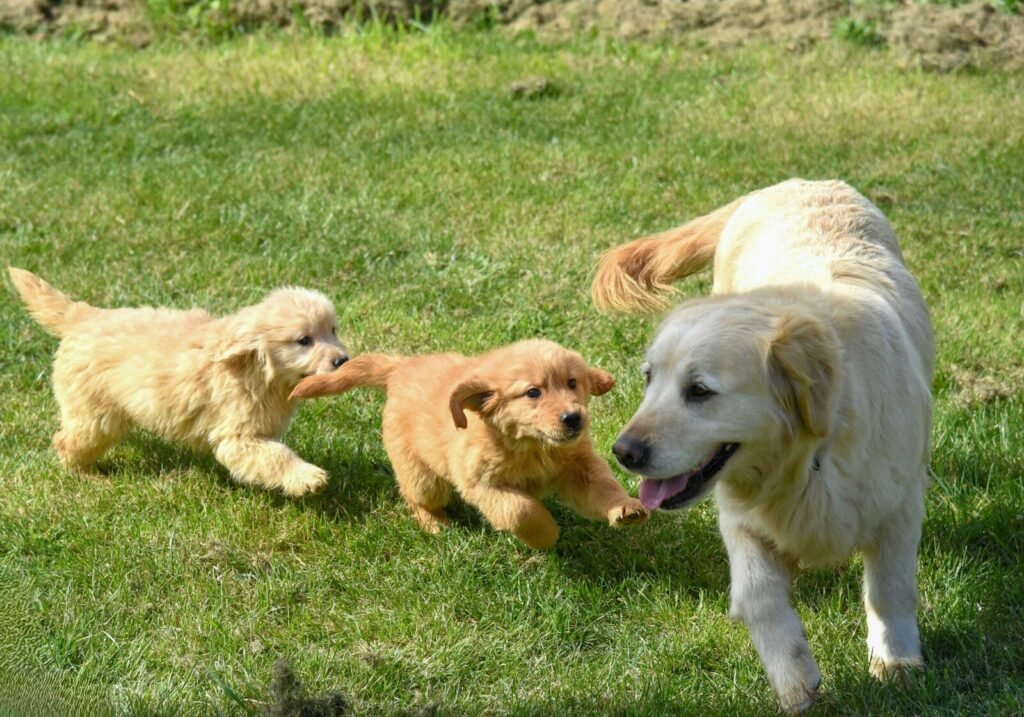
Owners sometimes misinterpret maturity-related changes as sudden personality shifts. In reality, two years old marks the completion of developmental growth. Behaviour becomes less chaotic and more defined. Recognising this stage as normal maturation rather than unexpected change helps prevent unnecessary concern.
Dog Behavior Changed Suddenly
When a dog’s behaviour appears to change suddenly, it is essential to approach the situation methodically rather than emotionally. True overnight personality transformation is rare without cause. Sudden fearfulness, aggression, withdrawal, or irritability typically signals that something underlying has shifted physically or emotionally.
Pain is one of the most common yet overlooked causes of behavioural change. Dogs cannot verbally communicate discomfort, so behavioural expression becomes their primary signal. Conditions such as ear infections, dental pain, gastrointestinal distress, urinary tract infections, or joint inflammation can lead to unexpected snapping, avoidance of touch, or reluctance to move. Even mild discomfort can dramatically alter mood.
The American Veterinary Medical Association advises that abrupt behavioural changes warrant medical evaluation to rule out health-related causes before assuming behavioural problems. A veterinarian can assess for underlying medical conditions that may not be externally visible.
Environmental stressors can also contribute. Relocation, new household members, changes in work schedules, loud construction noise, or traumatic experiences may trigger behavioural shifts. Golden Retrievers are emotionally sensitive and strongly attuned to household dynamics. Stress within the home can directly influence their behaviour.
Before attributing sudden behaviour to defiance or personality change, carefully evaluate medical health, environmental adjustments, and routine consistency. In most cases, identifying and addressing the root cause restores behavioural balance.
Dog Behavior Changes at 2 Years Old
Two years of age is a critical milestone for Golden Retrievers. Physical growth has largely stabilised, and neurological development approaches maturity. Many dogs display improved impulse control, enhanced focus during training, and increased emotional steadiness. However, some behaviour changes may still appear during this stage.
Increased confidence is common at two years old. A dog that once followed commands unquestioningly may begin assessing situations independently. This can appear as stubbornness, selective listening, or mild assertiveness. Owners sometimes misinterpret this developmental shift as misbehaviour, when in reality it reflects cognitive maturation.
Social behaviour may also evolve. Some dogs become more selective in choosing canine playmates. Rough puppy play may decrease as social maturity develops. Protective instincts may emerge subtly, particularly toward family members.
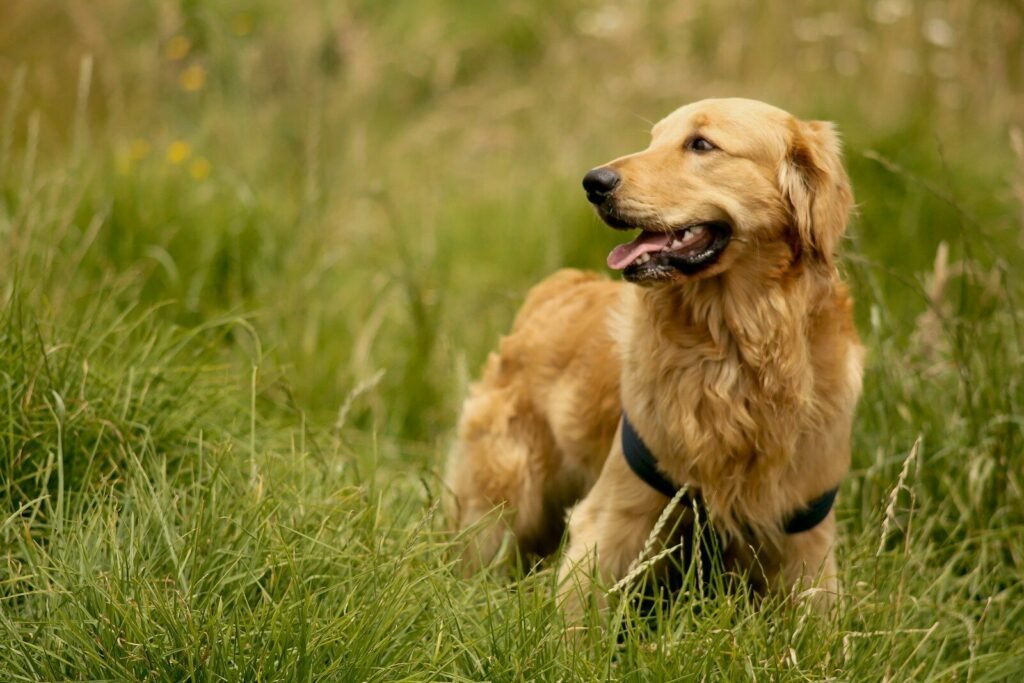
Consistency in training remains crucial at this stage. Reinforcing commands, maintaining structured exercise routines, and providing ongoing mental stimulation prevent regression. Without structure, confidence can evolve into undesirable behaviours such as excessive barking or territorial guarding.
Understanding that behavioural refinement at two years old is normal maturation rather than sudden personality alteration allows owners to respond appropriately. This stage represents transition from adolescence to stable adulthood.
Dog Behavior Changes at 3 Years Old
At three years old, most Golden Retrievers have reached full emotional adulthood. Many owners report noticeable calming at this age. Energy remains present, but impulsivity decreases significantly compared to adolescent stages. Training becomes more reliable, and emotional responses are less erratic.
However, behaviour changes can still occur at three years old if lifestyle factors shift. Reduced exercise, lack of mental engagement, or schedule disruptions may lead to frustration behaviours such as chewing, digging, or excessive barking. Golden Retrievers require lifelong stimulation; maturity does not eliminate the need for structured activity.
Relocation or new family members can also influence behaviour. Golden Retrievers are deeply bonded to routine. Sudden environmental changes may temporarily increase anxiety or clinginess.
If a three-year-old dog displays abrupt aggression, withdrawal, or unusual irritability, medical causes should again be investigated. Adult-onset medical issues such as thyroid imbalance or joint discomfort can influence behaviour.
Behavioural changes at three years old are usually situational rather than developmental. Evaluating environment and health provides clarity before assuming temperament change.
My Dog’s Personality Has Changed Overnight
When owners describe their dog’s personality as changing overnight, it often reflects a triggering event that may not have been immediately recognised. Dogs process stress differently than humans. An event that seems minor to an owner may be significant to a dog.
Consider whether there has been a recent change in routine, such as altered work hours or reduced interaction time. Has a new person or pet entered the home? Has your dog experienced a recent illness or medication change? Even dietary adjustments can influence mood and energy.
Golden Retrievers are highly perceptive animals. They respond to emotional tension within households. If there has been stress among family members, the dog may display increased anxiety, clinginess, or withdrawal.
Sudden aggression often indicates pain or fear rather than personality change. Destructive behaviour may reflect boredom or separation anxiety. Excessive barking can signal alertness to new environmental stimuli.

Rather than assuming a permanent transformation, approach the situation as problem-solving. Identify timing patterns, recent changes, and possible discomfort. In most cases, behavioural stability returns once underlying factors are addressed.
Strange Dog Behavior Before Death
In senior dogs, behavioural changes may sometimes indicate declining health. Withdrawal, confusion, altered sleep patterns, decreased appetite, or disorientation can occur in older dogs approaching end-of-life stages.
Canine cognitive dysfunction syndrome, comparable to dementia in humans, may cause pacing, night restlessness, or failure to recognise familiar surroundings. Increased anxiety or vocalisation can accompany cognitive decline.
However, it is crucial to emphasise that sudden behavioural shifts in young or middle-aged Golden Retrievers are rarely linked to end-of-life conditions. Age context matters significantly. A two-year-old dog acting differently is unlikely experiencing age-related decline.
If strange behaviour appears in senior dogs, veterinary evaluation is essential. Early intervention may improve quality of life. Understanding age-related behavioural expectations prevents unnecessary alarm in younger dogs.
What Age Do Golden Retrievers Start to Calm Down
Golden Retrievers are known for their exuberant energy and playful nature. Many owners eagerly anticipate the age at which noticeable calming begins. For most Golden Retrievers, this shift occurs between two and three years old.
During puppyhood and adolescence, high energy and impulsivity dominate behaviour. As neurological development stabilises in early adulthood, emotional responses become more measured. Dogs may still enjoy play and exercise, but the frantic, chaotic bursts common in adolescence gradually reduce.
Calmness does not mean laziness. Mature Golden Retrievers continue to require daily walks, structured activity, and mental stimulation. Without engagement, even adult dogs may display behavioural issues.
Recognising that calming is gradual rather than sudden helps set realistic expectations. Behaviour does not switch instantly at a specific birthday; it evolves steadily as maturity develops.
Why Has My Dog’s Behaviour Suddenly Changed
Behavioural change always communicates something. It may signal physical discomfort, emotional stress, hormonal transition, or environmental disruption.
Medical issues remain the primary concern. Pain often manifests as irritability or avoidance. Hormonal development during adolescence can temporarily alter mood and energy levels. Fear phases may reappear in response to new experiences.
Training inconsistency can also produce apparent sudden change. If boundaries become relaxed, behaviours may escalate quickly. Reduced stimulation can create frustration, leading to acting out.
Approach behavioural change analytically. Assess health first, then evaluate environment and routine. Reactionary discipline without investigation may worsen the situation.
Do Dogs Change at 4 Years Old
By four years old, most Golden Retrievers exhibit stable adult behaviour. Dramatic developmental shifts are uncommon at this stage. Subtle personality refinement may occur, but overall temperament should remain predictable.
If significant behavioural change occurs at four years old, veterinary evaluation is recommended. Thyroid disorders, chronic pain, or neurological conditions can influence behaviour in adult dogs.
Environmental factors should also be considered. Even mature dogs respond to stress or boredom.
Why Is My Four Year Old Dog Suddenly Acting Out
Sudden acting out in a four-year-old Golden Retriever often reflects unmet needs rather than personality change. Mature dogs still require mental stimulation, structured exercise, and social engagement. Without these, boredom behaviours such as barking, digging, or chewing may develop.
Anxiety disorders can also emerge in adulthood if stress accumulates. Changes in household routine, reduced attention, or lack of exercise may trigger behavioural flare-ups.
Addressing stimulation and structure often restores balance. Acting out is communication, not defiance.
What Is the 3-3-3 Rule With Dogs
The 3-3-3 rule describes behavioural adjustment periods following adoption or major change. During the first three days, dogs often feel overwhelmed and may appear withdrawn or anxious. After three weeks, routine familiarity begins to develop, and personality traits become more visible. After three months, most dogs feel secure and display stable behaviour.
Understanding this timeline prevents misinterpretation of early behavioural fluctuations. Adjustment takes time, especially for emotionally sensitive breeds like Golden Retrievers.
What Age Do Dogs Start Behavior Regression
Regression typically appears during adolescence between six and eighteen months. Previously mastered commands may temporarily weaken.
This is developmental, not defiance. Consistency restores reliability.
Conclusion
Understanding when does golden retriever sudden behaviour change requires a comprehensive view of development, hormones, environment, health, and emotional sensitivity. Behaviour rarely shifts randomly. Most changes correspond to predictable life stages or identifiable triggers.
Golden Retrievers mature slowly. Adolescence may feel turbulent, but stability returns with patience and structured guidance. Always rule out medical causes before assuming behavioural problems.
With informed observation and consistent training, behavioural changes become understandable phases rather than permanent personality transformations.


